Understanding Flies and Their Attraction
Common Types of Flies and Why They Are Problematic
Flies are more than just a minor nuisance; they are persistent invaders that can disrupt the serenity of any South African home or outdoor space. What makes them so troublesome? It’s their uncanny ability to detect and be lured by specific scents, turning a peaceful garden or kitchen into a buzzing battleground. Understanding the underlying reasons for their attraction can help in choosing the right essential oil to repel flies effectively. These insects are particularly drawn to decaying organic matter, sweet scents, and even certain body odors, which signal a food source or breeding ground.
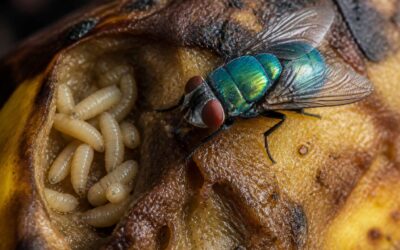
Among the common types of flies, houseflies and blowflies are the most notorious in urban and rural South African environments. Houseflies, for instance, thrive around garbage and animal waste, while blowflies are often seen swarming around dead animals or rotting flesh. Their presence not only causes discomfort but also poses health risks, as they can transmit pathogens. The problem intensifies during warm seasons when fly populations explode, making the use of natural deterrents like essential oils to repel flies more crucial than ever. Interestingly, some essential oils have proven to be remarkably effective at repelling these pests—saving you from chemical-laden solutions and fostering a healthier environment.
Factors That Attract Flies to Your Space
In the shadowed corners of South African homes and gardens, flies are drawn like whispers to secrets best left unspoken. Their attraction is not random but a dark dance of scent and instinct, whispering invitations to decay and sweetness alike. These tiny harbingers of discomfort thrive on the allure of organic decay, sweet fragrances, and even the subtle musk of human presence. Their uncanny ability to detect these signals makes them formidable foes in the quest for tranquility.
Understanding what draws these unwelcome guests is the first step toward banishing them without the harshness of chemicals. Flies find their way to decaying organic matter, rotting flesh, and fermenting liquids—each a siren call to their primal instincts. To combat their relentless invasion, many turn to the potent power of an essential oil to repel flies. These oils, when carefully chosen, create an invisible barrier, disrupting the flies’ scent-sensing organs and turning their attraction into aversion.
Among the natural repellents, certain essential oils stand out, their aromas weaving a barrier that even the most persistent flies find unappealing. The key lies in understanding which oils are most effective, whether it’s eucalyptus, citronella, or lavender—each possessing properties that make them a formidable essential oil to repel flies. When these oils are diffused or applied, they transform the environment into a sanctuary—an olfactory fortress against the buzzing invaders.
Health Risks Associated with Flies
Flies are not merely nuisances—they are relentless messengers of decay that lurk in the shadows of South African homes, their tiny bodies woven with primal instincts. These winged intruders are exquisitely attuned to the subtle signals of organic rot, fermenting liquids, and the faint musk of human presence. Their uncanny ability to detect the faintest scent makes them formidable adversaries in the quest for peace. Understanding what draws these tiny creatures is crucial; after all, their attraction is an intricate dance of scent and survival.
Flies are more than just bothersome; they pose tangible health risks that threaten the well-being of families. They carry a host of pathogens, capable of contaminating food and spreading diseases such as cholera, typhoid, and dysentery. The very act of landing on waste or decaying matter transforms them into unwitting couriers of illness. Protecting your space demands more than just vigilance—it calls for a natural shield, an invisible barrier forged by the power of an essential oil to repel flies.
By harnessing the potent aroma of carefully selected essential oils—such as eucalyptus, citronella, or lavender—you can create a fragrant fortress. These oils disrupt the flies’ scent sensors, turning their innate attraction into aversion. As the scent permeates your environment, it whispers a silent warning to these unwelcome guests, turning tranquility into chaos for them and peace for you.
Benefits of Using Essential Oils to Repel Flies
Natural and Chemical-Free Pest Control
Imagine a world where pests are kept at bay without the harsh chemical residues lingering in your home or garden. Using an essential oil to repel flies offers a natural, eco-friendly alternative that doesn’t compromise your health or the environment. These aromatic oils not only create an unwelcoming atmosphere for flies but also add a delightful scent that enhances your living space. In South Africa, where outdoor living is cherished, the benefits of using essential oil to repel flies are especially evident, blending tradition with modern eco-conscious practices.
One of the most compelling advantages is safety. Unlike chemical repellents that can pose health risks, natural essential oils are gentle and non-toxic—perfect for households with children and pets. Additionally, essential oils often possess antimicrobial properties, adding a layer of cleanliness to your environment. To maximize their effectiveness, consider using oils like eucalyptus, citronella, or peppermint, which are renowned for their fly-repelling qualities. Incorporating these oils into your routine can transform your space into a serene sanctuary, free from pesky intruders.
Eco-Friendly and Sustainable Solutions
Choosing an essential oil to repel flies offers a sustainable alternative to chemical pesticides. These natural solutions are biodegradable, reducing harm to the environment and supporting eco-conscious living. Unlike synthetic repellents, essential oils like citronella, eucalyptus, and peppermint are renewable resources that can be harvested repeatedly without depleting ecosystems.
One of the most compelling benefits is safety. Essential oil to repel flies is non-toxic, making it ideal for households with children and pets. Plus, these oils not only deter pests but also fill your space with a fresh, inviting aroma. This dual purpose creates a healthier, more pleasant environment. For added effectiveness, consider creating blends or diffusing the oils regularly, ensuring a continuous barrier against fly intrusions.
Safety Tips for Using Essential Oils Around Family and Pets
Harnessing the power of essential oils to repel flies isn’t just a natural choice—it’s a strategic move toward a safer, healthier home. These oils create a subtle yet persistent barrier that keeps pests at bay without the use of harmful chemicals. When used thoughtfully, essential oil to repel flies can transform your space into a fragrant fortress, filled with invigorating aromas that also uplift your environment.
However, safety remains paramount. Essential oils are potent, and improper use can pose risks, particularly around children and pets. To ensure a harmonious balance, always dilute essential oils adequately and avoid direct contact with skin or eyes. For households with furry friends or little explorers, it’s wise to keep diffusers out of reach and to prefer diffusing oils in well-ventilated areas. Remember, a little caution goes a long way in reaping the benefits of natural fly deterrents.
Best Essential Oils for Fly Repellent
Overview of Top Essential Oils for Flies
When it comes to banishing pesky flies naturally, the right essential oil to repel flies can be a game-changer. Imagine a fragrant shield that not only keeps these unwelcome guests at bay but also fills your space with a calming aroma. Among the top contenders is citronella, renowned for its potent insect-repelling properties. Its citrusy scent acts as a natural deterrent, making it a favorite for outdoor gatherings and kitchen windows.
Lavender, with its soothing floral scent, is another exceptional essential oil to repel flies. Not only does it create a peaceful ambiance, but its aromatic oils also confuse and repel flies effectively. Eucalyptus oil, with its sharp, invigorating aroma, rounds out the list of top essential oils for fly prevention. Its strong scent disrupts the senses of flies, deterring them from lingering around your living space.
These oils can be used in diffusers, sprays, or even as part of homemade repellents, offering a natural and eco-friendly solution. Incorporating these essential oils to repel flies into your routine brings a touch of nature’s magic, transforming your home into a fragrant fortress against unwelcome visitors.
Peppermint Essential Oil
Peppermint essential oil for fly repellent isn’t just a breath of fresh air—it’s a veritable gust of insect-repelling genius. Flies, those unwelcome houseguests with a knack for crashing outdoor braais and kitchen soirees, find peppermint’s sharp, invigorating scent utterly repulsive. Studies show that the strong aroma of peppermint essential oil to repel flies confuses their tiny fly brains, sending them in the opposite direction faster than you can say “bug off!”
What makes peppermint essential oil to repel flies particularly effective is its versatility. You can diffuse it in your living room, spritz it around doorways, or even create a homemade spray that doubles as a refreshing aromatherapy experience. For those who prefer a more hands-on approach, adding a few drops of peppermint essential oil to a carrier oil and applying it to problem areas can keep pesky flies at bay—without harmful chemicals. So, if you’re tired of swatting and waving, peppermint essential oil to repel flies might just be your new best friend in the battle against bugs.
Lavender Essential Oil
Lavender essential oil for fly repellent isn’t just a fragrant addition to your home—it’s a gentle yet powerful natural barrier against those unwelcome buzzing invaders. Known for its calming aroma, lavender also possesses an unexpected prowess in repelling flies, making it a favorite among those seeking chemical-free pest control. Its subtle, floral scent masks the enticing odors that attract flies, confusing them and encouraging them to find quieter, less fragrant spaces.
What makes lavender essential oil to repel flies especially appealing is its versatility. Whether diffused in the air, applied topically with a carrier oil, or added to homemade sprays, lavender offers a multi-faceted approach to natural fly control. Its gentle scent not only deters flies but also infuses your environment with a soothing aroma—an added bonus after a long day outdoors or in the kitchen.
To maximize its effectiveness, some prefer to create a simple blend: combine lavender essential oil with citronella or eucalyptus for a more potent insect-repelling concoction. This combination enhances the natural properties of each oil, creating an effective, eco-friendly shield that keeps flies at bay without resorting to harmful chemicals. In rural South African settings, where natural solutions are often prized, lavender essential oil for fly repellent proves to be an invaluable ally, blending tradition with innovation in pest management.
Citronella Essential Oil
When the sweltering South African sun beats down, and the aroma of a braai lingers in the air, few pests are as relentless as flies—an uninvited shadow over outdoor gatherings. Enter citronella essential oil, a legendary natural weapon in the quest to repel flies. Renowned for its vibrant citrus scent, citronella has long been celebrated as an essential oil to repel flies, transforming any space into a fragrant fortress against these persistent intruders.
The magic of citronella lies in its potent aroma, which masks the alluring scents that attract flies, confusing their innate sense of direction. This essential oil is a cornerstone of eco-friendly pest control, especially in rural or environmentally conscious settings. When diffused or infused into homemade sprays, citronella creates an invisible barrier that keeps flies at bay, allowing you to enjoy your surroundings without unwelcome buzzing interruptions.
For a more formidable defense, blending citronella essential oil with other natural repellents like eucalyptus or lemongrass can amplify its efficacy. This harmonious mixture offers a robust, chemical-free solution, ideal for those seeking sustainable ways to protect their homes and outdoor spaces. Whether applied on skin with a carrier oil or dispersed in the air, citronella remains a timeless, powerful ally in the fight against flies, especially in regions where traditional chemical solutions are less desired.
Eucalyptus Essential Oil
Eucalyptus essential oil stands out as one of the best essential oils to repel flies, offering a natural and invigorating alternative to chemical pesticides. Its sharp, camphoraceous scent not only invigorates the senses but also acts as a potent barrier against these unwelcome visitors. Flies are notoriously sensitive to strong aromas, and eucalyptus’s penetrating fragrance effectively masks the alluring scents that typically attract them. This makes it a favorite among those seeking eco-friendly pest control solutions in South Africa’s warm climate.
Moreover, eucalyptus essential oil has additional benefits beyond repelling flies. Its antiseptic properties can help keep outdoor spaces cleaner and more hygienic, making it an excellent choice for patios, gardens, or even indoor areas. When used in diffusers or mixed into homemade sprays, eucalyptus creates an invisible yet formidable shield that discourages flies from settling nearby. For an extra boost in effectiveness, pairing eucalyptus with citronella essential oil or lemongrass can create a synergistic blend, amplifying its fly-repelling powers naturally.
Other Effective Essential Oils
Beyond eucalyptus, several other essential oils to repel flies pack a punch with their potent aromas. These oils not only create a natural barrier but also infuse your outdoor and indoor spaces with refreshing scents that are a delight to the senses. Peppermint essential oil, for instance, is renowned for its sharp, invigorating aroma that disrupts flies’ sensitive olfactory senses. When diffused or mixed into sprays, it effectively keeps these pests at bay, making it a must-have in any eco-friendly pest control arsenal.
Lavender essential oil is another powerhouse, with its calming yet pungent scent that flies find unappealing. Its natural antiseptic properties also mean your space stays fresh and hygienic. Combining lavender with citronella essential oil creates an even more formidable defense, as the synergistic blend confuses and repels flies more efficiently. If you’re searching for an essential oil to repel flies, these options are an excellent choice—powerful, natural, and safe for your family and pets.
How to Use Essential Oils to Repel Flies
DIY Fly Repellent Sprays
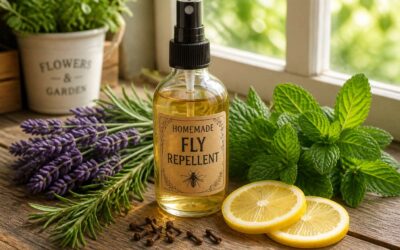
In the realm of natural pest control, crafting your own DIY fly repellent sprays with essential oil to repel flies can transform your space into a sanctuary of serenity. Imagine harnessing the potent aroma of essential oils, turning your surroundings into an invisible barrier that deters these unwelcome intruders. The magic lies in the method—simple yet effective—allowing you to take control of your environment without resorting to harsh chemicals.
To create an effective spray, combine a few drops of your chosen essential oil to repel flies with a carrier base such as water or witch hazel. Shake well before each use, ensuring the oils are evenly dispersed. For a more potent solution, you might consider adding essential oils like citronella or eucalyptus—both renowned for their fly-repelling properties—into your mixture. Spray generously around doorways, windows, and outdoor seating areas to establish a fragrant yet impenetrable shield against flies.
Here’s a simple step-by-step guide to making your own fly-repelling spray:
- Fill a spray bottle with 1 cup of distilled water or witch hazel.
- Add 15-20 drops of essential oil to repel flies, such as citronella, eucalyptus, or lavender.
- Shake vigorously to blend the oils thoroughly.
- Spray liberally around the perimeter of your home or outdoor dining area.
With a little ingenuity and the right essential oils to repel flies, you can create a natural barrier that keeps these pesky insects at bay while filling your space with a fresh, invigorating aroma. This method not only respects the environment but also preserves the health of your family and pets, making it a truly magical solution in pest management.
Diffusers and Aromatherapy Devices
Harnessing the subtle yet potent power of essential oils to repel flies transforms the way we approach pest control—turning an everyday necessity into a ritual of aromatic resilience. Diffusers and aromatherapy devices, often associated with relaxation and wellness, can serve as stealthy guardians against these unwelcome intruders when infused with the right essential oil to repel flies. The key lies in understanding how to optimize these devices for maximum efficacy while maintaining a soothing ambiance.
To effectively use essential oils to repel flies through diffusers, start by selecting oils renowned for their fly-repelling properties—such as citronella, eucalyptus, or lavender. These oils, when dispersed into the air, create a fragrant barrier that confuses the sensory pathways of flies, deterring them from lingering. For continuous protection, add a few drops of your chosen essential oil to your diffuser, following the manufacturer’s recommended dosage, and allow the gentle mist to permeate your space.
- Fill your diffuser with water, ensuring the level aligns with the device’s capacity.
- Introduce 5-10 drops of your preferred essential oil to the water—more for larger spaces or higher fly activity.
- Set the diffuser to a low or intermittent setting, allowing the scent to subtly diffuse without overwhelming the senses.
- Position the diffuser strategically near entry points like doorways, windows, or outdoor seating areas for targeted protection.
As the aromatic molecules drift through the air, they craft an invisible yet formidable barrier—an olfactory fortress that keeps flies at bay while enriching your environment with natural fragrance. This method, combining the art of aromatherapy with the science of pest deterrence, exemplifies a harmonious balance—an elegant fusion of wellbeing and pest management that respects both nature and human comfort.
Making Organic Fly Traps with Essential Oils
When it comes to banishing flies from your space, turning to the natural charm of essential oils is nothing short of genius. Instead of resorting to chemical-laden sprays that might scare your pets or disrupt your zen, why not craft your own organic fly traps using the essential oil to repel flies? It’s a clever, eco-friendly approach that turns pest management into a fragrant affair.
Start by selecting essential oils renowned for their fly-repelling prowess—think citronella, eucalyptus, or lavender. These oils, when properly infused, create an olfactory fortress that confuses and deters flies with their potent aroma. To make your DIY trap, simply soak a few cotton balls in your chosen essential oil to serve as aromatic bait. Place these strategically around your outdoor dining area or near entry points — a subtle yet effective method to keep unwelcome guests at bay.
For a more sustained solution, add a few drops of the essential oil to a shallow dish of water or create a spray. Here’s a quick rundown:
- Combine 10-15 drops of your selected essential oil to a spray bottle filled with water.
- Shake well to blend the mixture thoroughly.
- Spray around doorways, windows, or any spot where flies tend to gather.
This simple trick turns your space into an aromatic no-fly zone while embracing the beauty of natural pest control. An essential oil to repel flies isn’t just a fragrance; it’s a strategic shield, turning everyday spaces into sanctuaries of serenity—minus the buzzing chaos.
Application Tips for Maximum Effectiveness
Maximizing the effectiveness of your essential oil to repel flies requires a strategic approach. Flies are highly sensitive to scent, so applying the right technique can make all the difference. Start by ensuring your essential oil is fresh and of high quality—diluted properly to prevent any irritation. When using a spray, shake the mixture vigorously to keep the oils evenly dispersed, as natural oils tend to separate over time.
For best results, apply the essential oil to repel flies around high-traffic entry points such as doorways, window sills, and outdoor seating areas. Reapplication is key — every few hours, especially during peak fly activity. If you prefer a more subtle method, soaking cotton balls in the essential oil to place near these hotspots creates a continuous aromatic barrier. Remember, consistency is crucial; the more regularly you refresh your essential oil-infused zones, the more flies you’ll keep at bay.
- Use a clean spray bottle to combine 10-15 drops of your chosen essential oil to repel flies with water.
- Shake well before each use to maintain a potent, even mixture.
- Spray generously around entry points, outdoor dining areas, and compost zones.
By following these tips, you harness the full power of your essential oil to repel flies, transforming your space into a serene sanctuary free from buzzing nuisances. The secret lies in the careful, deliberate application—turning natural pest control into an art form that’s as fragrant as it is effective!
Safety and Precautions When Using Essential Oils
Proper Dilution and Storage
While essential oils are a delightful natural remedy to repel flies, safety and proper handling are paramount. Essential oils to repel flies are potent concentrates that need respectful use to avoid unintended effects. Always remember, proper dilution is key—undiluted oils can cause skin irritation or allergic reactions, especially in sensitive individuals and pets. A safe practice is to dilute essential oils to around 1-2% in carrier oils or water before application. This not only enhances safety but also maximizes the effectiveness of the essential oil to repel flies.
Equally important is how you store your essential oils. Keep them in dark glass bottles, tightly sealed, and stored in a cool, dry place away from direct sunlight. Proper storage preserves the aromatic integrity and prevents oxidation, ensuring your essential oils to repel flies remain potent for longer. For added safety, label each bottle clearly and keep them out of reach of children and pets, reducing accidental ingestion or misuse. By respecting these safety precautions, you can enjoy the natural benefits of essential oils to repel flies without worry or harm.
Avoiding Allergic Reactions
Within the delicate dance of nature’s remedies, the potency of the essential oil to repel flies demands respect and mindfulness. The allure of these oils—peppermint, citronella, lavender, eucalyptus—lies in their fragrant power, yet their concentrated essence can be a double-edged sword. As guardians of safety, we must tread lightly, embracing proper precautions to prevent allergic reactions or skin irritations.
To safeguard oneself and loved ones, always dilute the essential oil to repel flies to a gentle 1-2% in a carrier oil or water before any application. This simple act transforms a potent concentrate into a harmonious blend, ensuring efficacy while minimizing risk. For added security, store your essential oils in dark glass bottles, kept in a cool, dry sanctuary away from sunlight—a fortress that preserves their aromatic integrity and prolongs their formidable repellent qualities.
Remember, safety is paramount:
- Keep bottles clearly labeled.
- Store out of reach of children and pets.
- Avoid direct contact with undiluted oils, especially on sensitive skin.
These precautions act as shields, allowing you to harness the natural power of the essential oil to repel flies without unintended harm. A mindful approach transforms this natural remedy into a safe, effective guardian of your space, where the subtle aroma of protection subtly lingers, turning your home into a sanctuary against unwelcome flies.
Consulting with Health Professionals
When venturing into the realm of natural fly control, safety must take center stage. While an essential oil to repel flies can be remarkably effective, its concentrated nature demands respect and caution. Never underestimate the potency of these oils—peppermint, citronella, lavender, eucalyptus—each possesses a fragrant power that can quickly turn from protective to irritating if mishandled.
Consultation with health professionals before using an essential oil to repel flies is strongly advised, especially for individuals with sensitive skin, allergies, or respiratory issues. They can provide tailored guidance on appropriate dilution levels and potential interactions, ensuring your approach remains both safe and effective. Remember, even natural remedies require careful handling; always dilute essential oils to a 1-2% concentration in a carrier oil or water for safe application.
To enhance safety, store your essential oils in dark glass bottles kept in a cool, dry place—away from sunlight and children’s reach. Proper storage preserves their aromatic integrity and helps maintain their repellent properties. Prioritize safety above all, and your journey to a fly-free space will be both effective and secure. After all, harnessing the power of an essential oil to repel flies should never come at the expense of your well-being.
Additional Natural Fly Prevention Tips
Maintaining Cleanliness and Proper Waste Disposal
Maintaining cleanliness and proper waste disposal isn’t just about sprucing up your space—it’s the frontline defense against those pesky flies. Think of your trash as an all-you-can-eat buffet, but for flies, it’s a gourmet experience. Regularly emptying bins, rinsing out containers, and avoiding clutter can significantly reduce their interest in your surroundings.
To bolster your fly-repelling arsenal, consider incorporating the **essential oil to repel flies** into your routine. Not only do these oils smell divine to us, but they also send flies packing faster than a badoooom! A simple tip: line your garbage bins with citrus peels or sprinkle some citronella oil around waste areas. These natural repellents disrupt the olfactory senses of flies, making your space less inviting.
For added effectiveness, create a layered barrier—use a combination of cleanliness, proper waste management, and a well-chosen **essential oil to repel flies**—and watch those winged invaders fly right past your door.
Sealing Entry Points and Windows
Sealing entry points and windows is often overlooked but highly effective in keeping flies at bay. Flies are expert hitchhikers, sneaking in through tiny cracks and gaps that go unnoticed. Ensuring these vulnerabilities are properly sealed creates a formidable barrier against these unwelcome visitors. Weather stripping, caulking, and mesh screens can make a noticeable difference in reducing entry points.
Incorporating the right **essential oil to repel flies** can amplify this defense. Oils like citronella or eucalyptus, when applied around windows and door frames, create a scent barrier that deters flies from entering. A well-maintained space combined with strategic use of essential oils forms a layered defense—one that’s natural, effective, and sustainable.
- Inspect all possible entry points regularly.
- Seal cracks with weatherproofing materials.
- Apply a few drops of **essential oil to repel flies** on window sills and door frames for added protection.
By paying attention to these details, you not only reduce the chance of flies invading your space but also enhance your overall pest management strategy. Remember, a little prevention goes a long way, especially when it involves natural repellents like essential oils. They’re a simple yet powerful tool in creating an environment that flies find less attractive—and that’s good news for everyone.
Using Biological and Physical Barriers
Beyond the simple application of essential oil to repel flies, integrating biological and physical barriers offers a profound layer of protection. Natural predators, such as certain beneficial insects, can help keep fly populations in check without resorting to chemicals. Installing fine mesh screens and fly strips creates a physical obstacle, preventing these pests from infiltrating living or working spaces. These barriers are especially effective when combined with strategic use of essential oils like citronella or eucalyptus, which emit scents that flies find repulsive.
In fact, employing a multi-pronged approach often yields the best results. For example, placing a few drops of essential oil to repel flies on window sills or around entry points enhances the effectiveness of physical barriers. Additionally, maintaining cleanliness and eliminating breeding grounds reduces the overall attraction of flies, making natural repellents more potent. Remember, when used thoughtfully, essential oils such as lavender or peppermint can turn your space into an environment that flies actively avoid—creating a sanctuary rooted in harmony with nature.


0 Comments