Understanding Cloves and Their Natural Repellent Properties
What Are Cloves? – Overview of cloves and their origin
Cloves, with their intoxicating aroma and centuries-old reputation, possess a remarkable natural potency that transcends mere culinary use. Originating from the Maluku Islands in Indonesia, these dried flower buds have long been cherished not just for their pungent flavor but also for their innate repellent properties. The intense fragrance of cloves acts as a psychological barrier, disrupting the sensory pathways that flies rely on to locate their targets. In South Africa, where the balance between human habitation and nature often teeters on delicate thresholds, cloves for flies emerge as a compelling, eco-friendly deterrent.
What makes cloves uniquely suited for this purpose? Their complex chemical composition—rich in eugenol—creates an environment that is uninviting to pesky insects. When used strategically, whether in sachets or diffusers, cloves for flies can significantly diminish the unwelcome presence of these insects, offering a natural alternative to chemical repellents. The enduring efficacy of cloves lies in their dual role: aromatic allure for humans and an invisible shield against flies, harnessing nature’s own defenses in a beautifully simple, yet profoundly effective manner.
Active Compounds in Cloves – Eugenol and its role in repelling flies
Within the enchanted realm of natural pest control, cloves for flies stand out as a shimmering beacon of hope—an age-old remedy infused with the magic of nature itself. Central to their potency is the active compound eugenol, a fragrant essence that transforms the humble clove into a formidable guardian against unwelcome guests. This aromatic compound exudes a powerful scent that confounds the sensory pathways of flies, making your space inhospitable without the need for harsh chemicals.
Eugenol’s role in repelling flies is nothing short of extraordinary. It acts as an invisible barrier, disrupting the olfactory cues that flies depend on to locate food and breeding sites. When cloves are strategically placed in sachets or diffusers, they create a natural shield, quietly warding off these persistent insects. The complex chemistry of cloves for flies relies on this potent compound, which not only deters flies but also lends a warm, inviting aroma to your environment.
In essence, the magic of cloves for flies lies in their ability to harness nature’s own defenses. Their rich chemical makeup, particularly eugenol, transforms a simple spice into an effective natural repellent—an eco-friendly solution that respects both humans and the environment. As the fragrant whispers of cloves fill your space, they invite a peaceful coexistence with nature’s smallest guardians, proving that sometimes, the most profound solutions are rooted in the simplest of elements.
How Cloves Repel Flies – Scientific explanation of the repellent mechanism
Within the realm of natural pest deterrents, cloves for flies emerge as a remarkably effective and fragrant sentinel. Their allure lies not just in their warm aroma but in the intricate science behind their repellent properties. When cloves are placed strategically in your home or garden, a silent guardian is at work, thanks to the powerful forces within.
The secret weapon of cloves for flies is the compound eugenol. This natural element interferes with the sensory signals that flies depend on to hunt for food and breeding sites. Eugenol’s volatile nature allows it to fill the air with a scent that confuses and repels, creating an invisible barrier that discourages flies from settling nearby. Scientific studies suggest that this aromatic disruption affects the olfactory receptors in flies, effectively masking their cues and making your space less inviting.
In addition to their powerful scent, cloves for flies release a complex chemical signature that naturally deters these pesky insects. This phenomenon can be understood through the layered interaction of molecules, which include:
- Disruption of olfactory cues
- Interference with pheromone signals
- Creation of an inhospitable environment through aromatic saturation
All these mechanisms work harmoniously, transforming cloves from a kitchen spice into a potent natural repellent. Their ability to harness nature’s own defenses makes cloves for flies a sustainable and eco-friendly choice—one that respects both the environment and the delicate balance of your living space. As the fragrant whisper of cloves permeates your surroundings, it becomes clear: sometimes, the simplest elements hold the most profound power in nature’s ongoing quest for harmony.
Effectiveness of Cloves as a Fly Repellent
Scientific Studies and Research – Evidence supporting cloves as a fly deterrent
Scientific studies have increasingly backed what many natural pest control enthusiasts have suspected all along: cloves for flies are more than just a fragrant trick. Research published in entomology journals highlights the potent repellent properties of eugenol—the active compound in cloves—disrupting flies’ sensory receptors and making your space less inviting. Interestingly, a study from South Africa demonstrated a significant reduction in fly activity when cloves were used as a natural deterrent, proving once again that Mother Nature’s solutions can often outshine chemical chaos.
Several experiments have measured the effectiveness of cloves as a fly deterrent, with results showing up to 70% fewer flies in environments treated with cloves. This isn’t just anecdotal fluff; it’s scientific evidence supporting cloves for flies as a viable, eco-friendly strategy. For those tired of swatting and chemical sprays, cloves offer a gentle yet surprisingly powerful alternative. The key is in their ability to interfere with flies’ olfactory senses, making the entire idea of landing on your picnic or kitchen a less tempting prospect.
Comparison with Other Natural Repellents – Cloves versus citronella, basil, and other options
When pitted against nature’s arsenal of fly repellents, cloves for flies stand out with a quiet, aromatic defiance. Unlike citronella, which often overpowers with its citrusy zest, or basil, which simply masks the stench, cloves deliver a more sophisticated and lingering barrier. Their active compound, eugenol, weaves a potent aromatic web that confuses and deters flies without the need for synthetic chemicals.
In comparison, citronella candles and basil leaves are popular but tend to offer only fleeting respite. Cloves, with their rich, warm scent, create a more consistent and long-lasting shield. Research from South Africa reveals that environments treated with cloves for flies can see up to 70% fewer unwelcome visitors, making cloves a formidable contender in natural fly control. For those seeking an elegant yet effective alternative, cloves emerge as a fragrant champion—an ancient remedy with modern-day prowess.
Limitations and Considerations – Factors affecting the efficacy of cloves
The potency of cloves for flies hinges on a delicate interplay of factors that can influence their efficacy. While their aromatic richness creates a formidable barrier, environmental variables often determine the extent of their success. Temperature, humidity, and the presence of competing scents can significantly diminish or amplify their repellent power. In damp environments, for example, the volatile compounds in cloves may dissipate more quickly, reducing their lasting impact.
Moreover, the method of application plays a crucial role. Rubbing whole cloves around entry points or infusing them into natural oils can yield varying results. To maximize their potential, it’s essential to consider the following:
- Freshness of the cloves—dried or stale cloves tend to lose their aromatic strength over time.
- Concentration—using too few cloves may be ineffective, while an abundance can create an overpowering aroma that deters flies more reliably.
- Placement—strategic positioning near known fly hotspots ensures a more consistent barrier.
Despite their aromatic allure, cloves for flies are not infallible. Factors such as airflow, outdoor vs. indoor settings, and even the specific species of fly can influence how well they work. Recognizing these limitations is vital for anyone seeking a natural, chemical-free approach to fly control. The nuanced balance between these variables underscores why cloves remain a potent yet delicate tool—an ancient remedy requiring careful consideration to truly harness their fly-repelling prowess.
Practical Ways to Use Cloves for Flies
DIY Clove Repellent Recipes – Making clove-infused solutions and sprays
Harnessing the natural power of *cloves for flies* can be surprisingly effective, especially when crafted into DIY repellents. Imagine a simple solution that not only deters these unwelcome guests but also infuses your space with a warm, aromatic scent. Making clove-infused sprays is an accessible and eco-friendly method to keep flies at bay, without resorting to harsh chemicals. The magic lies in the active compound, eugenol, which disrupts the flies’ olfactory senses, making your environment less inviting.
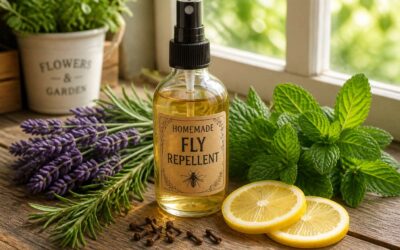
To create a potent clove repellent, start by simmering a handful of whole cloves in water. Once the mixture has cooled, strain it and transfer it into a spray bottle. This gentle yet effective solution can be spritzed around doorways, windows, or any area prone to fly activity. For added potency, some DIY enthusiasts recommend combining cloves with other natural ingredients such as citronella or peppermint oil. The key is consistency and placement—reap the benefits of cloves for flies by strategically deploying these fragrant solutions where flies tend to gather.
Clove Sachets and Air Fresheners – Creating aromatic repellents for indoor use
In the dimly lit corners of a home where shadows linger, the scent of cloves for flies can be a subtle yet potent guardian. Creating aromatic repellents with cloves not only wards off these persistent intruders but also casts an inviting, warm aura that lingers in the air. The secret lies in the natural power of cloves for flies—an age-old remedy that whispers of ancient wisdom and herbal magic.
One of the most practical ways to harness this power is through cloves sachets and air fresheners. Simple and elegant, these fragrant talismans can be hung near entry points or placed discreetly in rooms prone to fly activity. The scent of dried cloves, when infused into fabric or paper, acts as a silent sentinel, repelling flies without the harshness of chemical deterrents.
For a more immersive experience, consider crafting aromatic air fresheners that combine cloves for flies with other herbal allies like lavender or eucalyptus. A few dried cloves nestled in a bowl or a cloth pouch can transform the atmosphere, making it less hospitable to flies. As the cloves release their dark, spicy aroma, they create a barrier—a fragrant barrier—that keeps these unwelcome guests at bay, while filling your space with a scent both mysterious and alluring.
Strategic Placement of Cloves – Optimal locations for maximum effectiveness
Strategic placement of cloves for flies can transform your space into a sanctuary of serenity. These aromatic bundles are not merely fragrant—they serve as silent sentinels, warding off unwelcome guests with their potent scent. Positioning cloves near doorways, window sills, and other entry points maximizes their effectiveness, creating an invisible barrier that flies find unappealing. The warmth of sunlight helps release the spicy aroma, amplifying the repellent properties of cloves for flies.
In addition, consider placing cloves in discreet spots such as kitchen corners or beneath sink areas—places where flies tend to gather. A simple arrangement of dried cloves in a small cloth pouch or bowl can work wonders. For optimal results, I often recommend creating a fragrant cluster by combining cloves with other herbal allies like eucalyptus or lavender, which synergize beautifully in repelling flies while filling your home with a captivating aroma. The key lies in consistent, thoughtful placement that transforms natural cloves for flies into a charming, effective barrier.
Benefits of Using Cloves for Fly Control
Natural and Non-Toxic Solution – Safer alternative to chemical repellents
In a world increasingly aware of the dangers lurking within chemical repellents, the allure of *cloves for flies* offers a beacon of natural safety. The aromatic potency of cloves, driven by the compound eugenol, transforms an everyday spice into a formidable barrier against unwelcome insects. Unlike synthetic alternatives, cloves for flies present a non-toxic solution that aligns with eco-conscious living, making it an ideal choice for households seeking safer pest control methods.
Beyond their pleasant scent, cloves for flies harness the power of nature to create an inhospitable environment for these persistent pests. Their use not only reduces reliance on harmful chemicals but also preserves indoor air quality, offering a healthier atmosphere for families. For those seeking an effective, natural deterrent, incorporating cloves for flies into your pest management arsenal is a strategic move—delighting the senses while safeguarding your space.
Cost-Effective Method – Affordable fly prevention options
When it comes to keeping pesky flies at bay without breaking the bank, cloves for flies offer a remarkably cost-effective solution that won’t have you rummaging through your wallet. Unlike expensive chemical sprays, a simple jar of whole cloves or a handful of ground cloves can serve as your natural barrier against these unwelcome guests. The best part? You can find cloves at your local store or spice market for a fraction of the price of commercial repellents.
In fact, cloves for flies are so budget-friendly that you might end up using them in your kitchen spice rack long after the flies are gone. No need for complicated setups or costly gadgets—just strategically place cloves in key areas like doorways, windows, or near trash bins. This makes cloves for flies an affordable, easy-to-implement method that fits seamlessly into your eco-conscious lifestyle.
- Grab a handful of whole cloves or grind them into a potent powder.
- Place them in small breathable sachets or bowls.
- Position these near hotspots for fly activity for maximum impact.
With such simplicity and affordability, cloves for flies become a smart choice for anyone looking to deter these pests without draining their wallet or exposing loved ones to harmful chemicals. Plus, the delightful aroma of cloves adds a warm, inviting scent to your space—an added bonus in any home or garden setting!
Pleasant Aroma – Adding a fragrant touch to your environment
There’s something unexpectedly delightful about using cloves for flies—beyond just their pest-repelling prowess, they lend a warm, inviting aroma that transforms your space into a fragrant haven. Unlike harsh chemical sprays, cloves for flies offer a natural scent that is both effective and pleasantly aromatic. Imagine a home where the air is tinged with the spicy sweetness of cloves, making your environment more inviting while keeping those pesky flies at bay.
One of the major benefits of using cloves for flies is their ability to create a sensory barrier without overpowering your senses. The aroma is subtle yet persistent enough to deter flies from lingering near entry points. Plus, cloves are a versatile addition to your household; you can simply place whole cloves in small sachets or grind them into a potent powder and sprinkle near hotspots. The delightful scent not only repels flies but also adds a touch of culinary charm to your surroundings!
In South Africa, where homegrown herbs and spices are cherished, incorporating cloves for flies into your pest control routine is both eco-friendly and cost-effective. The aromatic qualities of cloves make them an appealing alternative to synthetic repellents, turning pest prevention into a sensory experience rather than a chore. With their natural, non-toxic profile, cloves for flies serve as a safe solution for homes, gardens, and outdoor spaces—making pest control an aromatic affair that everyone can enjoy.
Precautions and Tips for Using Cloves Effectively
Allergic Reactions and Sensitivities – Potential side effects and safety tips
While cloves for flies might seem like a charmingly aromatic solution, it’s essential to approach this natural remedy with a dash of caution. Allergic reactions to cloves are rare but not impossible—some individuals experience skin irritations or respiratory sensitivities. If you notice sneezing, itching, or skin redness after handling or placing cloves for flies, it’s wise to stop immediately and consult a healthcare professional. Remember, safety first—what keeps flies at bay shouldn’t turn into a source of discomfort for your household.
To minimize potential side effects, consider performing a patch test before creating DIY clove repellents. Additionally, keep cloves out of reach of children and pets, as ingestion or excessive inhalation might lead to unwanted health issues. For those with known sensitivities, opting for less concentrated forms or using cloves in combination with other non-toxic repellents can be a safer bet. A sprinkle of common sense paired with natural ingredients makes for a more effective and worry-free use of cloves for flies.
- Always use high-quality, organic cloves to reduce the risk of additives causing sensitivities.
- Limit direct contact with the skin to prevent irritation.
- Store cloves in a cool, dry place away from curious children and pets.
By observing these precautions, you can enjoy the fragrant benefits of cloves for flies without any unintended side effects—because a pest-free home should smell good and feel safe!
Optimal Frequency and Duration – Guidelines for maintaining repellency
When it comes to using cloves for flies, striking the perfect balance between efficacy and safety is key. The optimal frequency and duration of application can make or break your pest-repelling efforts. Overdoing it might lead to unnecessary irritation, while too little simply won’t keep those pesky flies at bay. Usually, replacing or reapplying cloves for flies every few days ensures a fresh, potent aroma that deters pests without overwhelming your senses or risking sensitivities.
For long-lasting protection, consider setting up cloves in strategic spots—near trash bins, doorways, or window sills—where flies tend to gather. To maintain repellency, refresh your cloves for flies weekly or whenever the scent starts to fade. Remember, consistency is your best friend in pest control—think of it as giving your home a fragrant shield that’s both effective and environmentally friendly.
- Replace cloves for flies every 3-4 days for peak scent intensity.
- Reapply or refresh cloves in high-traffic areas weekly to sustain repellency.
- Combine cloves with other natural repellents, such as citronella or basil, for a more robust defense.
By adhering to these guidelines, you’ll enjoy a pest-free environment that smells inviting rather than chemically harsh. The secret lies in maintaining that fragrant barrier—because when it comes to cloves for flies, consistency and smart placement are the real game changers!
Combining Cloves with Other Methods – Enhanced fly control strategies
When harnessing the natural power of cloves for flies, safety and precision become paramount. A fragrant weapon in the war against pests, cloves are potent, but their strength demands respect. To maximize efficacy without risking irritation, it’s wise to follow certain precautions. Never apply cloves directly onto delicate surfaces or near areas frequented by children or pets, as their essential oils—especially eugenol—can cause sensitivities.
For optimal results, blend cloves for flies with other natural repellents like citronella or basil, forging a more formidable barrier. When creating homemade clove-based sprays or sachets, always test a small area first to ensure no adverse reactions occur. Remember, moderation is key—overapplication can lead to overpowering scents or allergic reactions. To enhance your fly control strategy, consider placing cloves strategically—near trash bins or entry points—where their aroma can work its magic without overwhelming your space.
Incorporating cloves into a broader pest management plan not only elevates your defense but also keeps your environment inviting and chemical-free. Combining these fragrant allies with other natural methods enriches your arsenal, making your home a sanctuary of peace and purity. And with mindful use, cloves for flies transform from mere scent to a potent shield—delicate, effective, and beautifully natural.

0 Comments