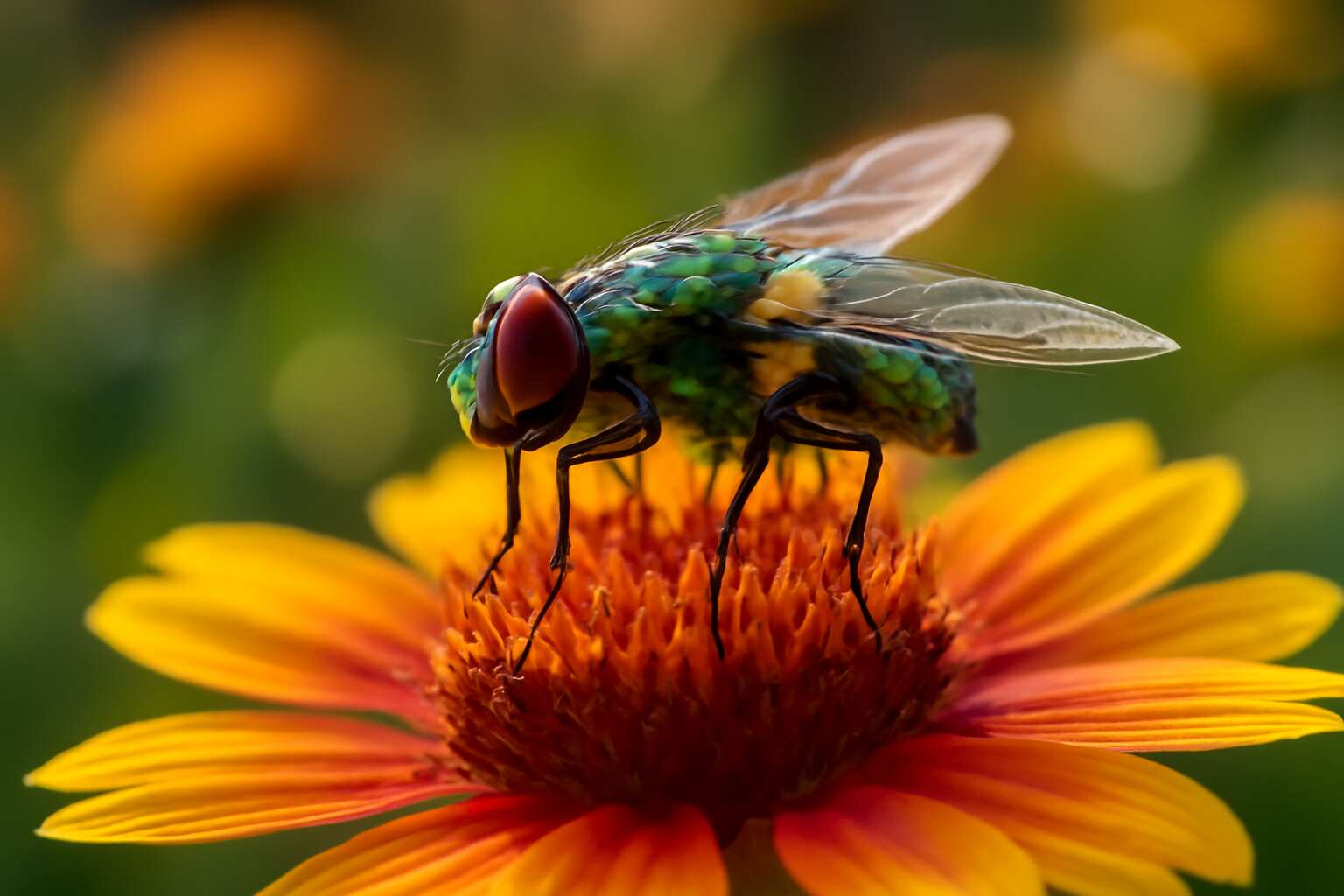
Understanding Flies and Their Lifecycle
Types of Flies and Their Habitats
As the warm breezes of South Africa stir the air, the flies season begins to awaken with a silent promise of proliferation. These tiny acrobats are more than mere nuisances; they are complex creatures with a lifecycle that reflects the rhythm of nature itself. Understanding the intricate stages of their development reveals a fascinating interplay between environment and species, essential for anyone seeking to navigate or manage their presence effectively during the flies season.
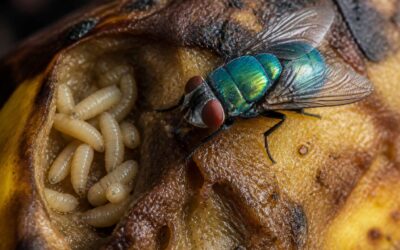
Flies undergo a metamorphosis that transforms them from minuscule eggs into buzzing, resilient adults. The lifecycle typically comprises four stages: egg, larva, pupa, and adult. Each phase is a marvel of biological efficiency, often dictated by the surrounding habitat and temperature. During the flies season, warm and moist environments—such as decaying organic matter or exposed garbage—become bustling hubs of activity for these stages of their lifecycle.
There are various types of flies, each with their preferred habitats and behaviors. House flies, for example, thrive in urban environments where food remnants and refuse abound, while blowflies are drawn to decaying flesh and organic waste. Fruit flies, on the other hand, are frequent visitors to overripe fruit and fermenting produce. Recognizing these habitat preferences is key to understanding their seasonal patterns and mitigating their unwelcome presence during the flies season.
Lifecycle of Common Flies
As the warm South African breezes weave through the air, the flies season begins, awakening a hidden world buzzing with life and transformation. At the heart of this seasonal spectacle lies the remarkable lifecycle of common flies—each stage a testament to nature’s intricate design. These tiny beings, often dismissed as nuisances, are in fact marvels of biological efficiency, their development tightly intertwined with the rhythm of the seasons.
The lifecycle of common flies unfolds in four captivating stages: egg, larva, pupa, and adult. During the flies season, warmth and moisture accelerate this metamorphosis, transforming organic chaos into resilient, buzzing creatures. Eggs hatch swiftly, often within hours, into wriggling larvae that feast on decaying matter. This voracious appetite fuels their rapid growth, which can be completed in just a few days under ideal conditions.
Interestingly, the duration of each stage fluctuates with environmental factors, making the flies season a dynamic period of proliferation. The transformation from larva to pupa involves a cocoon-like enclosure, a silent chrysalis that holds the promise of new life. From this pupa, the adult fly emerges—ready to partake in the endless cycle of reproduction, perpetuating their presence during the warm months.
- Eggs are laid in moist, organic environments.
- Larvae hatch and feed voraciously on decay or waste.
- Larvae pupate, forming a protective casing.
- Adult flies emerge, ready to reproduce and continue the cycle.
Understanding the lifecycle of common flies during the flies season offers a window into their resilient nature and seasonal patterns. It’s a dance of survival, adaptation, and relentless renewal—one that shapes the very essence of the warmest months in South Africa.
Factors Influencing Fly Activity
The flies season in South Africa is a vibrant, almost frenetic chapter in the annual cycle of these resilient insects. Their activity peaks during the warm months, driven by a complex interplay of environmental factors that influence their lifecycle. Understanding what fuels this seasonal surge can shed light on the persistent presence of flies and their role in our ecosystems.
At the core of their seasonal behavior are key factors such as temperature, humidity, and availability of organic matter. Flies are ectothermic creatures, meaning their development is heavily dependent on external warmth. During the flies season, higher temperatures accelerate their lifecycle stages, allowing them to reproduce rapidly and sustain their populations. Moisture is equally crucial, providing the ideal conditions for eggs to hatch and larvae to thrive in decaying organic material.
Environmental conditions can be summarized as follows:
- Warmth accelerates developmental stages, shortening the time from egg to adult.
- Moisture maintains the organic environments necessary for egg-laying and larval growth.
- Availability of decaying matter offers the perfect breeding grounds, fueling the seasonal proliferation of flies.
Interestingly, fluctuations in these factors can lead to sudden spikes or drops in fly activity, making the flies season a dynamic and unpredictable period. Their lifecycle, tightly woven with the seasons, underscores their remarkable adaptability—an ongoing testament to nature’s resilience amid South Africa’s diverse climates. Recognizing these influences helps us appreciate the intricate dance of survival that defines the flies season and highlights why their presence is so persistent during the warmest months.
Timing and Peak of Flies Season
Start and End of Flies Season
In South Africa, the flies season unfolds with a relentless surge that can catch even the most prepared off guard. From late spring to early autumn, the air thickens with the hum of busy flies, signaling the start of a period when these unwelcome visitors are at their most prolific. The precise timing of the flies season varies across regions, but typically begins around September and peaks between December and February. During this window, outdoor activities often face a new challenge — the swarms seem to emerge from the shadows, driven by rising temperatures and increasing humidity.
The end of the flies season isn’t marked by a sudden drop in activity but gradually tapers as cooler autumn air sweeps through. By late March or early April, the buzzing diminishes, yet the threat persists in lingering hotspots. Understanding when the flies season starts and peaks can be crucial for effective management, especially in rural communities and farms where flies pose a serious health risk. Recognizing these seasonal patterns allows residents to anticipate the surge and prepare accordingly, turning an ordinary year into a battle of resilience against nature’s persistent nuisance.
Regional Variations in Flies Season
The timing of the flies season in South Africa isn’t uniform; it varies significantly across regions, making local awareness crucial. While some areas experience the onset as early as September, others may see a delayed start stretching into October. The peak of the flies season typically occurs between December and February, aligning with the hottest months when flies are at their most active. This regional variation is driven largely by microclimates, altitude, and local humidity levels, which influence the breeding and activity patterns of these pests.
In coastal regions, the flies season tends to begin earlier and last longer, often extending into late autumn, whereas inland areas might see a more condensed fly activity window. Notably, the flies season’s peak isn’t just a matter of temperature but also the availability of breeding sites and food sources. Recognizing these regional nuances helps communities and farmers better anticipate when flies will be most problematic, enabling more effective control measures during the critical months of the flies season.
Factors That Trigger Flies Population Growth
When the mercury rises and the days grow longer, the flies season in South Africa hits its stride—often turning our outdoor spaces into unintentional fly zoos. But what exactly triggers the exponential growth of fly populations? It’s a cocktail of warmth, moisture, and food availability, all working together like a biological fireworks display. Flies thrive in temperatures between 20°C and 30°C, with the peak of the flies season coinciding with the hottest months—December through February.
Several factors amplify fly activity during this period. Microclimates—those tiny pockets of climate variations—play a significant role, making coastal regions more prone to longer and earlier flies seasons. Additionally, the abundance of breeding sites, such as decaying organic matter, waste, and stagnant water, act as fly magnets. Here’s a quick rundown of what fuels their population explosion:
- Warm temperatures that accelerate their lifecycle
- Increased humidity providing a perfect breeding environment
- Availability of food sources like rotting organic matter and waste
Understanding these triggers helps explain why the flies season can be so persistent and why certain regions face more intense infestations. Essentially, the flies season is a natural response to environmental cues—once those conditions align, you can expect a surge in fly activity, making it crucial to stay vigilant during these months.
Environmental Conditions and Flies Season
Temperature and Humidity Effects
In the intricate dance of nature, the flies season emerges as a testament to the delicate balance of environmental conditions. Flies are remarkably sensitive to temperature and humidity, thriving when these factors align perfectly. As temperatures rise, particularly in South Africa’s warmer months, the metabolic rates of flies accelerate, leading to rapid population growth. Conversely, cooler periods tend to suppress their activity, creating natural ebbs and flows in their presence.
Humidity plays an equally pivotal role. High humidity fosters the ideal breeding grounds—moist organic matter that provides a fertile substrate for larval development. During the peak of the flies season, regions experiencing elevated humidity levels often witness an exponential increase in fly activity. This is especially true in areas where environmental conditions support the proliferation of organic waste and decaying matter, which are crucial for sustaining large populations.
Understanding the influence of temperature and humidity on the flies season offers valuable insights into their patterns. For instance, in South Africa’s subtropical climate, the flies season can be prolonged by periods of sustained warmth and moisture. This natural cycle underscores the importance of monitoring environmental conditions, as shifts in these factors can dramatically alter the intensity and duration of fly activity.
Impact of Rainfall and Drought
Environmental conditions cast a profound shadow over the duration and intensity of the flies season, especially within South Africa’s diverse climate zones. Rainfall, for example, acts as both a catalyst and a suppressor—delivering the moisture necessary for breeding grounds to flourish, yet excessive downpours can wash away larvae, temporarily curbing fly populations. Conversely, drought conditions create a paradoxical scenario: while dry weather suppresses immediate activity, it can lead to the accumulation of organic waste and decaying matter, setting the stage for a sudden surge when rains eventually arrive.
The influence of rainfall and drought is often cyclical, shaping the ebbs and flows of the flies season with a poetic rhythm. During periods of abundant rain, regions witness a burst of fly activity as moist organic matter becomes a fertile substrate for larval development. In contrast, drought conditions tend to prolong the flies season’s quieter phases, only to be interrupted by sporadic, explosive population booms once moisture levels recover. This delicate dance underscores the importance of environmental monitoring in predicting and understanding the ever-changing landscape of the flies season in South Africa.
Seasonal Changes and Flies Behavior
Environmental conditions are the unseen puppeteers behind the ebb and flow of the flies season in South Africa. Fluctuations in temperature, humidity, and rainfall create a complex tapestry that determines when and how intensely flies are active. In particular, seasonal changes—marked by shifts in weather patterns—directly influence fly behavior and population dynamics. During wetter periods, organic waste becomes a hotspot for larval development, fueling the flies season with bursts of activity. Conversely, dry spells tend to suppress immediate activity but often set the stage for sudden explosions in fly populations once moisture returns.
Understanding these natural cycles is crucial. For instance, a prolonged drought may temporarily curtail fly presence, yet it also leads to an accumulation of decaying matter, which can trigger a rapid resurgence when rains arrive. This cyclical pattern underscores the importance of continuous environmental monitoring in predicting the flies season. As organic matter decomposes, flies are drawn into the environment, making seasonal shifts a key factor in managing their impact on health and sanitation in South Africa.
Preventive Measures and Fly Control Strategies
Home and Garden Fly Prevention Tips
The flies season can turn a peaceful garden into a buzzing nuisance in no time. With warm weather and increased humidity, fly populations often surge unexpectedly. To keep these pests at bay, preventive measures are essential. Simple steps like sealing garbage bins tightly and removing rotting organic matter can significantly reduce breeding grounds. Fly control strategies should also include maintaining cleanliness around the home and garden, as well as installing screens on windows and doors.
For effective home and garden fly prevention tips, consider the following:
- Regularly dispose of waste and keep compost heaps covered.
- Eliminate standing water where flies lay eggs.
- Use natural repellents like citronella or essential oils.
By taking these proactive steps, you can minimize the impact of the flies season on your property. It’s about disrupting their lifecycle before they become overwhelming. Staying vigilant now can save you headaches later, especially during peak fly activity periods.
Natural and Chemical Fly Repellents
As the warm breath of summer awakens, the flies season begins its relentless encroachment on every corner of our homes and gardens. These persistent pests, driven by the primal urge to reproduce, thrive in the shadows of decaying matter and unclean environments. To combat this onslaught, preventive measures must be both cunning and relentless. Natural repellents such as citronella and essential oils can serve as subtle guardians, deterring flies before they settle into your sanctuary.
For those seeking more immediate respite, chemical fly repellents offer a potent line of defense. When used judiciously, these substances can dramatically reduce fly populations, especially during peak flies season. However, the true art lies in disrupting their lifecycle at its nascent stage. Eliminating standing water and covering organic waste are simple yet powerful strategies that deprive these pests of breeding grounds. Remember, a vigilant eye and swift action are your best allies against the dark invasion of the flies season.
Professional Fly Control Services
As the sun scorches the earth and the temperature rises, the relentless surge of flies during the flies season becomes an unwelcome fixture in South African homes and gardens. These tiny tormentors thrive in neglected spots—think uncovered trash bins, stagnant water, and rotting organic matter—turning your outdoor oasis into a buzzing battleground. Preventive measures are your first line of defense, and they can be surprisingly simple.
Vigilance is key. Regularly emptying and covering waste containers, fixing leaks, and eliminating standing water deprives flies of their breeding sanctuaries. For an added layer of protection, consider natural deterrents like citronella candles or essential oils—subtle guardians that keep flies at bay without resorting to harsh chemicals. When prevention isn’t enough, professional fly control services step in with targeted solutions, using environmentally friendly techniques that respect your space and health.
In fact, a strategic approach involves understanding the lifecycle of flies, allowing you to disrupt their reproduction at the earliest stage. Implementing a combination of sanitation, natural repellents, and expert intervention can drastically reduce the nuisance during the peak flies season. After all, when flies invade, swift and clever action is your best ally in reclaiming your home and garden.
Health Risks Associated with Flies Season
Disease Transmission by Flies
During the lively flies season, the threat of disease transmission by flies becomes a serious concern for rural households across South Africa. Flies are not just a nuisance; they are unwelcome carriers of harmful pathogens that can jeopardize health and well-being. As they scuttle from decaying organic matter to food surfaces, they inadvertently transfer bacteria, viruses, and parasites, increasing the risk of illnesses such as salmonella, cholera, and dysentery.
The increase in fly activity during this season amplifies these risks, especially in environments where sanitation is compromised. It’s essential to understand that flies are often vectors for diseases, capable of contaminating everything from kitchen countertops to livestock feed. Recognizing the dangers associated with the flies season underscores the importance of diligent hygiene practices—because what seems like a simple annoyance can quickly escalate into a serious health concern for families and communities.
Hygiene and Sanitation During Flies Peak Periods
When the flies season hits its peak, the health risks escalate faster than a fly on a sugar cube. These unwelcome guests aren’t just buzzing around for fun; they carry a baggage of harmful pathogens that can turn a simple meal into a health hazard in seconds. During this lively period, the danger of disease transmission by flies becomes a stark reality for many South African households.
Sanitation takes a nosedive during the flies season, creating a perfect storm for health threats. Flies thrive in environments where waste and organic matter are left unchecked, often contaminating food surfaces, utensils, and even livestock feeds. This isn’t just about pesky insects; it’s about the silent invasion of bacteria, viruses, and parasites that can cause illnesses like cholera, salmonella, and dysentery.
Maintaining hygiene and sanitation during the peaks of flies activity is crucial. Consider this: an unchecked fly can visit up to 100 different places in a single day, each time potentially spreading disease. To combat this, some communities implement measures such as:
- Proper waste disposal
- Covering food and water sources
- Regular cleaning of surfaces
In regions where the flies season is especially intense, understanding the connection between hygiene and health becomes a vital defense. Because when flies are busy, our vigilance must be even busier to keep diseases at bay and safeguard the well-being of families across South Africa.
Protecting Food and Living Spaces
As the sun reaches its peak intensity and the humid air thickens, South African households brace for the onset of the crucial flies season. During this period, the health risks posed by these persistent insects escalate exponentially—flies aren’t just annoying nuisances; they are potential vectors for deadly diseases. Their ability to swiftly transfer pathogens from contaminated waste to our food and living spaces makes the flies season a critical window for vigilance.
Protection of food and living spaces becomes paramount when flies are active. Flies are notorious for their rapid movement and insatiable appetite for filth, often visiting up to 100 different sites in a single day. This behavior significantly heightens the risk of disease transmission, including cholera, salmonella, and dysentery. To mitigate this, maintaining impeccable sanitation and securing food sources is essential. Regularly cleaning surfaces, covering food and water, and disposing of waste properly form the backbone of effective prevention during the flies season.
Understanding the health risks associated with flies season underscores the importance of proactive measures. These insects thrive in environments where organic waste is left unchecked, transforming our homes into breeding grounds. The more diligent we are about protecting our food and spaces, the better our defenses against the silent threat posed by flies during their peak activity. It’s a relentless battle, but awareness and consistent hygiene are our strongest allies in safeguarding public health through the flies season.
Adapting to Flies Season and Living Comfortably
Tips for Reducing Flies Indoors
As the warm South African sun begins its sultry ascent, the onset of flies season transforms our humble abodes into unintended zoos. Adapting to this annual invasion requires a dash of wit and a sprinkle of strategy. Living comfortably amidst the buzzing throng is almost an art form—one that hinges on understanding the subtle cues that signal the arrival of flies.
To keep the peace indoors during flies season, consider implementing natural and chemical fly repellents. These act as discreet sentinels guarding your sanctuary against unwelcome visitors. Ensuring that food remains covered and that trash bins are securely sealed can significantly reduce attractants that draw these persistent pests into your space. Remember, flies are not just nuisances but potential vectors for disease, so maintaining impeccable hygiene becomes paramount.
In the grand ballet of flies season, a balanced approach often involves a combination of prevention and patience. For those seeking a more proactive stance, professional fly control services offer tailored solutions to restore tranquility. Meanwhile, a keen eye on humidity levels and environmental cleanliness helps keep the fly population in check, allowing you to enjoy the seasons without a soundtrack of incessant buzzing.
Creating Fly-Resistant Environments
As South Africa braces for the sweltering months ahead, flies season emerges as an inevitable chapter in the annual cycle of outdoor life. The arrival of these persistent pests often feels like a sudden invasion, turning tranquil gardens and lively kitchens into buzzing battlegrounds. Adapting to flies season requires more than just swatting; it demands creating fly-resistant environments that deter these unwelcome visitors from settling in.
One effective strategy involves natural and chemical fly repellents that serve as invisible barriers, safeguarding your living spaces without disrupting the comfort of your home. Additionally, maintaining impeccable hygiene by regularly cleaning up food scraps and sealing trash bins can significantly reduce attractants. Simple measures like installing fly screens and ensuring proper drainage can further thwart the conditions that trigger flies population growth during this season.
Living comfortably amidst the chaos of flies season hinges on a proactive approach. By understanding the subtle cues of fly activity and implementing environmental controls, you can enjoy the warm South African months without the incessant hum of buzzing pests. Creating fly-resistant environments isn’t just about comfort; it’s about safeguarding health and restoring peace during this challenging period.
Seasonal Maintenance and Preparedness
As the mercury climbs and the air thickens with the scent of summer, the onset of flies season transforms outdoor and indoor spaces into bustling arenas of persistent buzzing and unwelcome visitors. In South Africa’s climate, this period is not merely a nuisance but a vivid reminder of nature’s cyclical power and resilience. Understanding the nuances of flies season allows homeowners and outdoor enthusiasts to anticipate the subtle cues that herald its arrival, from increasing fly activity to the changing environmental conditions that favor their proliferation.
Adapting to flies season necessitates a keen awareness of seasonal maintenance and environmental cues. Proactive measures, such as ensuring proper drainage and reducing moisture accumulation, serve as crucial defenses. For those seeking a strategic advantage, employing natural and chemical repellents as invisible barriers can significantly diminish fly presence. In regions where flies season peaks, implementing a layered approach—combining sanitation, physical barriers, and repellents—creates an environment less inviting to these resilient pests.
Living comfortably during this period demands an intricate balance—maintaining hygiene without succumbing to the frustration of constant fly encounters. It’s about recognizing the subtle signs of fly activity and responding with precision. Whether through sealing entry points or managing food waste meticulously, each action contributes to a broader shield against the relentless tide of flies. In South Africa’s diverse climate, understanding regional variations in flies season is essential to tailoring effective strategies that preserve peace and health amid the seasonal chaos.


0 Comments