Understanding Parasitic Flies and Their Impact on Skin Health
Introduction to Parasitic Flies – Overview of flies that target humans and animals
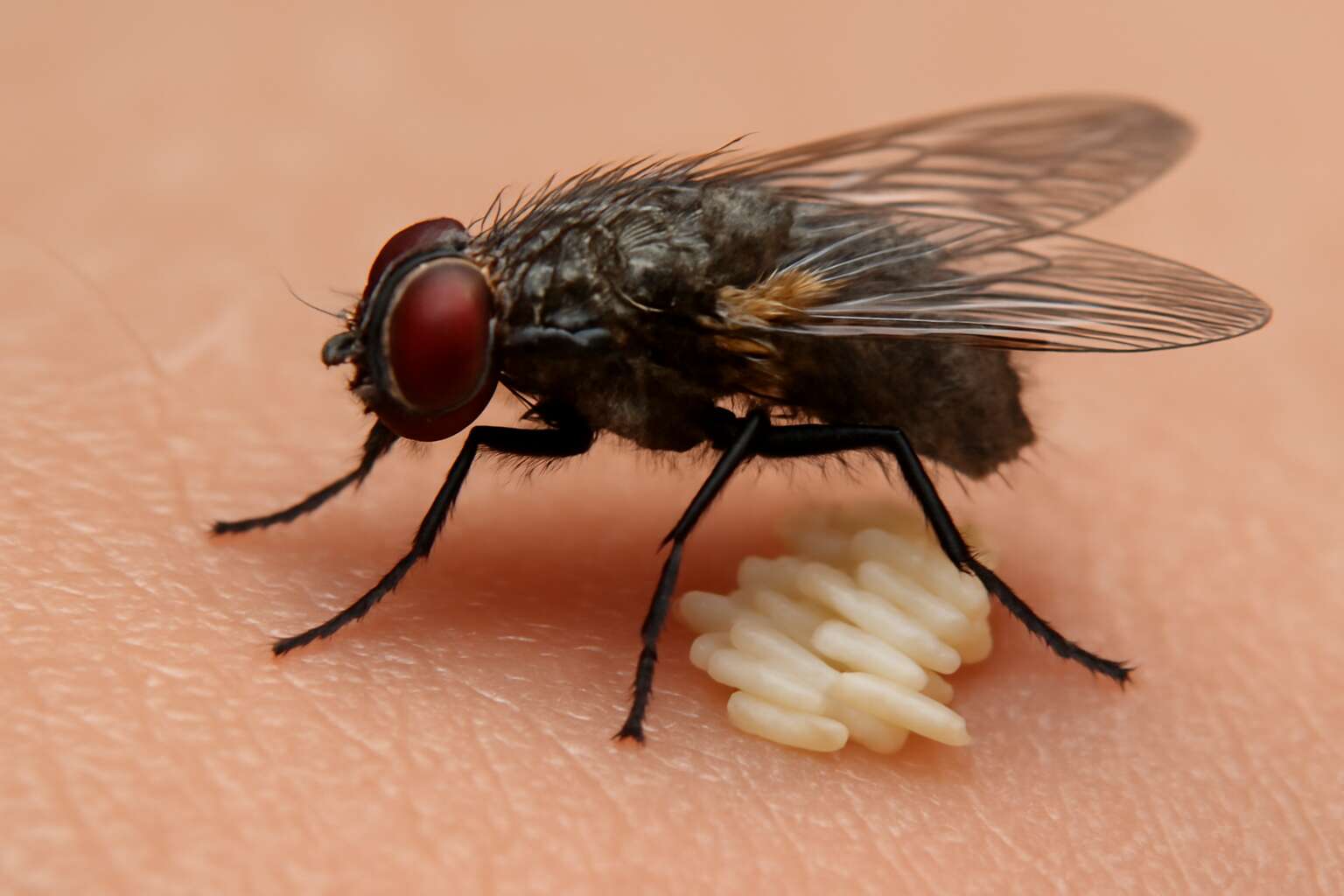
Parasitic flies have long intrigued and alarmed those who encounter them, especially in regions like South Africa where the warm climate fosters their presence. These cunning insects don’t just buzz around aimlessly; they target humans and animals with a surprising degree of precision, laying eggs in skin that can lead to distressing health issues. Among the most notorious are the flies that lay eggs in skin, initiating a cascade of biological reactions that can cause discomfort, infections, and even long-term skin damage.
Understanding the impact of these parasitic flies on skin health is crucial. Their lifecycle involves meticulous targeting—females depositing eggs directly into the skin or in wounds, which then hatch into larvae that burrow beneath the surface. This process can result in painful swellings, allergic reactions, and in some cases, secondary infections. Such encounters are not only unsettling but pose significant challenges to maintaining good hygiene and health, especially in rural or underserved areas.
- They often thrive in unsanitary conditions.
- Their eggs can survive on clothing or bedding for extended periods.
- Infestation can lead to severe skin infections if untreated.
Common Species Known for Skin Infestation – Fly species like Botflies, Tumbu flies, Screwworms, and others
In the shadowy corners of parasitology, certain species of flies that lay eggs in skin evoke both fascination and dread. These insects have evolved a sinister precision, targeting vulnerable patches of flesh with an almost surgical intent. Their eggs, often minuscule and resilient, can survive on clothing or bedding for weeks, waiting for the right opportunity to find a host. Once nestled beneath the surface, these eggs hatch into larvae that burrow deeper, feeding on tissue and causing relentless discomfort.
Among the notorious culprits are the Botflies, Tumbu flies, and Screwworms—each with a unique method for infiltrating skin. Botflies, for instance, deposit their eggs on mosquito vectors, which then deliver them onto human skin. The Tumbu fly, endemic to regions like South Africa, prefers open wounds or moist areas, laying eggs that hatch swiftly upon contact. Screwworms, with their relentless appetite, can infect larger wounds, leading to severe secondary infections. The interplay of biological adaptation and environmental factors makes these flies particularly insidious. Their presence is a stark reminder of nature’s darker intricacies, especially in areas where sanitation is compromised and the climate fosters their proliferation.
How Parasitic Flies Interact with the Human Body – Lifecycle and behavior involving skin contact
In the delicate dance between parasite and host, flies that lay eggs in skin exemplify nature’s darker artistry. These insects possess a chilling precision, often targeting vulnerable or compromised areas, transforming a simple wound into a breeding ground. Their lifecycle is both fascinating and unsettling—eggs are laid on or near the skin, sometimes hitching a ride on vectors like mosquitoes, or directly depositing their eggs in moist, open wounds.
Once the eggs hatch, tiny larvae emerge, burrowing beneath the skin’s surface to feed on tissue. This process can cause relentless discomfort, swelling, and secondary infections. The behavior of these parasitic flies is driven by environmental cues and biological adaptation. Their interaction with human skin is a testament to their resilience and evolutionary cunning.
- The eggs survive on clothing, bedding, or nearby surfaces for weeks, patiently awaiting contact with a host.
- Upon contact, larvae emerge swiftly, seeking nourishment deep within the flesh.
Understanding the lifecycle and behavior of flies that lay eggs in skin is crucial for grasping their impact on skin health, especially in regions where sanitation and climate foster their proliferation. These insects are not merely pests—they are a reminder of nature’s complexity and the importance of vigilance in vulnerable environments.
Biology and Lifecycle of Flies That Lay Eggs in Skin
Reproductive Habits of Parasitic Flies – Egg laying processes and preferred skin conditions
In the shadowy realm of parasitic insects, flies that lay eggs in skin possess a sinister elegance—an infection cycle as relentless as it is chilling. Their reproductive habits are a macabre dance of survival, intricately designed to exploit the vulnerabilities of living flesh. These flies—such as the notorious botflies and tumbu flies—have evolved specialized methods to ensure their progeny find a warm, nourishing environment within the host’s body or beneath its surface.
The egg laying process is a calculated act of biological artistry. Flies that lay eggs in skin often prefer conditions where moisture, warmth, and compromised skin integrity converge. They are drawn to areas where the skin is thin, moist, or otherwise vulnerable—often targeting wounds or sweat-slicked regions. Once laid, the eggs hatch rapidly, releasing larvae that burrow deep into the tissue, feeding voraciously as they develop. This lifecycle is a testament to nature’s darker ingenuity, transforming a simple insect into a relentless parasite that thrives in the shadows of human flesh.
Development Stages Inside the Host – From eggs to larvae and maturation
The intricate ballet of life and death unfolds within the dark corridors of parasitic insects, where flies that lay eggs in skin perform a macabre yet fascinating ritual. Once the gravid female finds a suitable host—often the vulnerable, moisture-laden creases or wounds—she deposits her eggs with calculated precision. These eggs, minuscule yet potent, are designed to withstand the hostile environment of the external world, awaiting their moment of metamorphosis.
Inside the host, the development stages of these parasitic insects are nothing short of extraordinary. The eggs hatch rapidly—sometimes within hours—releasing tiny larvae that are eager to burrow beneath the surface. These larvae, nourished by living tissue, grow through several stages of maturation. As they feed voraciously, their bodies swell and lengthen, transforming into formidable maggots capable of deep tissue invasion.
From this point, the larvae undergo a series of developmental phases, each marked by increased size and complexity. The larvae’s growth is a relentless pursuit of maturity, culminating in a pupation stage, where they encase themselves in a protective cocoon within the host’s flesh or, eventually, in the external environment. The cycle then repeats, perpetuating the sinister dance of parasitic survival.
Factors Influencing Infestation – Environmental and health conditions promoting egg laying
The biology of flies that lay eggs in skin reveals a disturbing yet fascinating cycle of survival. These parasitic insects are highly sensitive to environmental cues, which influence their reproductive behavior. Warm, moist conditions—common in South Africa’s tropical climate—create an ideal environment for egg deposition. Elevated temperatures accelerate larval development, making infestations more likely during hot, humid months. Additionally, skin conditions such as wounds, sores, or areas of poor hygiene serve as magnets for these flies. They are particularly drawn to vulnerable hosts, where the opportunity for successful egg laying increases significantly.
Understanding the factors that promote infestation is crucial. Flies that lay eggs in skin tend to prefer certain conditions: dampness, open wounds, or skin folds filled with sweat or moisture. These factors not only attract the flies but also provide a hospitable environment for the eggs to hatch and larvae to thrive. In regions like South Africa, where outdoor living and exposure to livestock are common, the risk of infestation can rise sharply. Recognizing these environmental and health conditions helps in comprehending how these parasitic insects perpetuate their sinister cycle.
Signs and Symptoms of Fly Egg Infestation in Skin
Recognizing Larval or Egg Presence – Visual signs and skin reactions
When flies that lay eggs in skin choose their target, the signs can be both subtle and alarming. Early visual cues often include small, raised lumps that resemble insect bites but don’t resolve like typical bites. These bumps may become tender, inflamed, or filled with clear fluid as the body reacts to the foreign presence beneath the surface. It’s a silent invasion, often mistaken for other dermatological issues, until the unmistakable sensation of movement or a strange, persistent itch emerges.
Recognizing larval or egg presence in skin requires vigilance. Sometimes, tiny black dots—eggs—are visible at the edges of the lesion, giving a clue to the infestation. Skin reactions such as swelling, redness, or even ulceration can develop as the host’s immune response intensifies. In more advanced cases, the sensation of crawling or twitching under the skin signals that larvae are maturing inside, making the infestation unmistakably linked to flies that lay eggs in skin.
- Visible eggs or larvae in the affected area
- Unusual swelling or inflammation around the bite site
- Persistent itching coupled with a sensation of movement underneath the skin
These symptoms serve as a stark reminder that parasitic flies aren’t just a nuisance—they are capable of causing significant discomfort and potential secondary infections if not identified early. The covert nature of this infestation makes understanding the signs crucial for timely intervention and effective treatment.
Common Symptoms Experienced – Pain, swelling, skin lesions, and secondary infections
When flies that lay eggs in skin choose their unwitting hosts, the symptoms can be both unsettling and painful. Painful swelling, skin lesions, and persistent inflammation are common signs that something more sinister is at play. The body’s immune response often manifests as redness and tenderness around the affected area, sometimes accompanied by ulceration that hints at deeper invasion.
Secondary infections are a real threat when the skin’s natural defenses are compromised by these parasitic flies. Open sores or ulcerations can become entry points for bacteria, making the situation even more serious. It’s important to recognize that these symptoms are not just skin-deep; they reflect an ongoing parasitic process. Unusual swelling, coupled with the sensation of movement or twitching beneath the skin, often signals that larvae are developing inside, making the infestation unmistakable.
In some cases, a person might notice a small, black dot—an egg—at the edge of a lesion, or feel a crawling sensation that’s impossible to ignore. These signs serve as a stark reminder that flies that lay eggs in skin are capable of causing significant discomfort and health risks if left untreated. The emotional toll can be profound, especially for those in rural areas where access to prompt medical care might be limited. Recognizing these symptoms early can make all the difference in managing the infestation and preventing secondary infections.
Differences Between Flies and Other Skin Infestations – Distinguishing characteristics
When it comes to identifying flies that lay eggs in skin, the distinctions can be surprisingly subtle—yet crucial. Unlike common skin infections or insect bites, infestations caused by these parasitic flies often showcase specific signs that set them apart. The presence of tiny, black eggs at the lesion’s edge, for instance, is a telltale sign that you’re dealing with a fly that lays eggs in skin, rather than a simple allergic reaction or bacterial infection.
One of the most telling differences is the sensation of movement beneath the skin—an unsettling twitch or crawl that is rarely associated with other skin issues. While many skin conditions cause redness and swelling, the hallmark of a fly egg infestation is the development of larvae inside the tissue, which can cause persistent pain and inflammation.
To distinguish these infestations from other skin problems, look for:
- Unusual skin lesions with a central black dot (the egg or larva’s entry point)
- Persistent, sometimes painful swelling that doesn’t respond to typical treatments
- Secondary bacterial infections developing around the affected area
Compared to other skin infestations like scabies or fungal infections, flies that lay eggs in skin often cause a more localized and invasive reaction, with a distinct lifecycle inside the host. Recognizing these unique characteristics can be the key to early diagnosis and effective intervention.
Common Medical Conditions Caused by Flies Laying Eggs in Skin
Myiasis and Its Types – Different forms like cutaneous myiasis and furuncular myiasis
In the shadowed corners of human vulnerability, flies that lay eggs in skin weave a macabre tapestry of parasitic torment. Among these sinister architects of suffering, myiasis stands as a haunting testament to nature’s twisted design. This condition, often cloaked in mystery and dread, manifests when certain flies deposit their eggs beneath the skin’s surface, unleashing a silent invasion of larvae that thrive in the warmth of flesh. The result? A disturbing tableau of swelling, pain, and skin lesions that are as unsettling as they are medically significant.
Myiasis can take several haunting forms, each with its own eerie signature. The most common is *cutaneous myiasis*, where the larvae burrow beneath the skin, creating nodules that resemble boils but hide a larval nightmare within. Another form, *furuncular myiasis*, mimics abscesses with a sinister twist—each lump harboring a developing fly larva, often causing secondary infections and intense discomfort. These conditions serve as a stark reminder of how flies that lay eggs in skin can turn a simple wound into a living, crawling nightmare.
Secondary Infections and Complications – Bacterial infections, abscesses, and tissue damage
When flies that lay eggs in skin decide to make a visit, they don’t just leave behind an uncomfortable bump—they trigger a cascade of secondary infections and complications that can turn a minor irritation into a full-blown health crisis. Bacterial infections are the most common accomplices, often setting up shop in the moist, warm environment created by larval activity. These unwelcome guests can lead to abscesses, which, if left unchecked, can cause tissue destruction and even permanent scarring.
Secondary infections aren’t the only concern. The relentless invasion caused by flies that lay eggs in skin can result in tissue necrosis, where flesh begins to die, creating an open wound that invites further microbial chaos. In some cases, the infestation progresses rapidly, causing significant swelling and pain that can mimic other severe skin conditions. The presence of larvae and eggs not only complicates healing but also increases the risk of systemic infections—an unwelcome twist in the parasite’s twisted game.
- Secondary bacterial infections
- Abscess formation
- Localized tissue necrosis
- Persistent swelling and pain
- Potential for systemic spread of infection
Understanding these potential complications underscores the importance of early detection and prompt medical intervention. Flies that lay eggs in skin may seem like a bizarre nuisance, but their impact on health can be profoundly serious if ignored. It’s a stark reminder of how nature’s parasitic puppeteers can turn a simple skin wound into a battleground of microbial and larval chaos.
Chronic Cases and Potential for Misdiagnosis – Long-term effects and importance of accurate diagnosis
Chronic cases of infestation by flies that lay eggs in skin can evolve into perplexing medical conditions that baffle even seasoned clinicians. When these parasitic intruders embed themselves deep within tissue, they often cause persistent discomfort, recurring lesions, and long-term skin damage. Such cases can be mistaken for other dermatological ailments, making accurate diagnosis a critical component of effective treatment. Without proper identification, the true nature of the infestation can remain hidden, allowing secondary infections and tissue destruction to escalate.
Potential for misdiagnosis is a common concern when dealing with skin infestations by flies that lay eggs in skin. These conditions may mimic cysts, boils, or other skin tumors, leading to delayed or inappropriate intervention. This underscores the importance of meticulous examination and awareness of the telltale signs of parasitic larval presence. In some instances, the long-term effects of untreated infestations include scarring, tissue necrosis, and even systemic complications, highlighting why early and accurate diagnosis is paramount.
- Unrecognized infestations often progress silently, with symptoms like swelling, pain, and unusual skin lesions being dismissed or misinterpreted.
- Advanced cases may involve deep-seated tissue damage, complicating treatment and prolonging recovery times.
Understanding the subtle differences between common skin conditions and infestations caused by flies that lay eggs in skin can make all the difference. Recognizing these parasitic threats early ensures that health professionals can implement targeted strategies—preventing long-lasting scars and safeguarding overall well-being in regions where such infestations are more prevalent.
Prevention and Control of Flies That Lay Eggs in Skin
Personal Hygiene Tips – How to reduce risk of infestation
Keeping flies that lay eggs in skin at bay isn’t just about swatting; it’s about adopting a strategic approach to personal hygiene that makes you less appealing to these unwanted egg-laying guests. In regions like South Africa, where the climate can be a playground for parasitic flies, taking proactive measures can save you from a potential nightmare of infestation. The first step is maintaining impeccable hygiene—regular bathing and promptly cleaning cuts or abrasions minimize attractants that draw flies to lay eggs in skin. Wearing protective clothing, especially in outdoor or rural areas, acts as a barrier against these pesky invaders.
Additionally, environmental cleanliness is crucial. Dispose of organic waste properly, keep livestock enclosures tidy, and eliminate standing water to reduce breeding grounds for flies that lay eggs in skin. For personal hygiene, consider using insect repellents containing DEET or natural alternatives like citronella, which can make your skin less inviting. Remember, prevention is always better than dealing with the infestation aftermath! By creating a less hospitable environment for flies that lay eggs in skin, you’re taking the first step towards safeguarding your health and peace of mind.
Environmental Management – Steps to keep living and outdoor spaces fly-free
Environmental management is a cornerstone in the battle against flies that lay eggs in skin. These parasitic invaders thrive in unclean surroundings, making the elimination of breeding sites an urgent priority. Proper waste disposal—especially organic waste—disrupts the reproductive cycle of these flies and reduces their presence around homes and farms. Eliminating standing water is equally vital, as it provides ideal breeding grounds for the flies that lay eggs in skin, perpetuating their cycle of infestation.
Creating a less hospitable environment involves strategic steps that can dramatically diminish fly populations. Regularly cleaning animal enclosures and ensuring proper sanitation in outdoor spaces can make a significant difference. To further safeguard against these pests, consider implementing physical barriers such as window screens or protective clothing, particularly in rural or high-risk areas. These measures not only prevent flies from entering living spaces but also reduce the chances of skin contact with eggs and larvae.
In some regions, community efforts to maintain environmental cleanliness are essential. Initiatives that focus on clearing debris, managing waste, and controlling standing water can help curb the proliferation of flies that lay eggs in skin, offering a collective shield against infestation. Remember, a disciplined approach to environmental management is often the most effective way to keep your surroundings fly-free and protect your health from these persistent parasites.
Protective Measures – Use of insect screens, repellents, and protective clothing
When it comes to flies that lay eggs in skin, prevention is your best line of defense. Protective measures like insect screens and repellents act as a formidable barrier, thwarting these parasitic invaders before they can set up shop. Installing high-quality insect screens on windows and doors creates an impenetrable fortress against persistent flies that lay eggs in skin, especially in rural South African environments where the battle is often more intense.
Repellents containing DEET or natural alternatives like citronella can significantly reduce the risk of skin contact with these flies. For added armor, donning protective clothing—long sleeves, hats, and gaiters—can make a tangible difference. This layered approach not only hampers the flies’ ability to land but also minimizes the chances of eggs being deposited directly onto exposed skin. In high-risk areas, combining these measures offers a more comprehensive shield against the relentless cycle of infestation caused by flies that lay eggs in skin.
- Use insect screens on windows and doors to keep flies outside.
- Apply effective repellents regularly, especially during peak fly activity hours.
- Wear protective clothing that covers skin, reducing direct contact.
By embracing these straightforward yet powerful protective strategies, you can significantly diminish the threat posed by flies that lay eggs in skin, turning your living space into a fortress of hygiene and safety.
Effective Treatment Options for Flies-Induced Skin Infestations
Medical Interventions – Surgical removal, medications, and wound care
When confronting the unsettling reality of flies that lay eggs in skin, discerning effective treatment options becomes paramount. Medical intervention must be swift and precise to prevent further tissue damage and secondary infections. Surgical removal often stands as the most direct approach, especially in cases where larvae have deeply embedded within the tissue. Under local anesthesia, a trained medical professional carefully extracts the larvae, ensuring no remnants are left behind, which could otherwise lead to ongoing inflammation or recurrent infestation.
Medications also play a crucial role in managing flies that lay eggs in skin. Topical antiparasitic agents, such as ivermectin or albendazole, are frequently prescribed to accelerate larval death and facilitate their expulsion. In addition, antibiotics are often necessary to combat secondary bacterial infections that may arise from tissue necrosis or open wounds. Proper wound care, including meticulous cleaning and dressing, supports healing and reduces the risk of further infestation. For persistent or complicated cases, a combination of surgical and pharmacological interventions ensures comprehensive eradication and recovery.
Home Remedies and Natural Treatments – Traditional methods and their efficacy
While the thought of flies that lay eggs in skin may seem like a nightmare, understanding natural remedies and traditional methods can sometimes offer relief—though they should never replace professional medical treatment. Many believe that certain herbal infusions or topical applications may help deter these parasitic insects or reduce their reproductive success.
For example, some traditional approaches involve using garlic, neem leaves, or turmeric, which possess natural antimicrobial and insect-repellent properties. Applying these substances directly to affected skin might provide a mild barrier against flies that lay eggs in skin, but their efficacy remains largely anecdotal. It is crucial to remember that such natural treatments are often supplementary and should not delay seeking medical attention.
In addition, maintaining impeccable personal hygiene and keeping the environment clean can reduce the likelihood of infestation. While these home remedies might seem comforting, they are not substitutes for targeted medical interventions like surgical removal or antiparasitic medications, especially in severe cases. Ultimately, understanding the limits of natural treatments highlights the importance of consulting healthcare professionals for effective eradication of flies that lay eggs in skin.
When to Seek Professional Medical Help – Signs that require urgent medical attention
When it comes to flies that lay eggs in skin, the stakes are higher than mere discomfort; they threaten more than just skin integrity—they compromise health. Recognizing when to seek professional medical help is vital, especially as untreated infestations can lead to severe complications. Persistent pain, increasing swelling, or the appearance of skin lesions that refuse to heal are red flags demanding urgent attention. Additionally, if secondary bacterial infections or abscesses develop, immediate intervention becomes imperative.
In cases where larvae or eggs are visibly embedded, or if there is a foul odor emanating from the affected area, a healthcare professional’s expertise is essential. Delay in treatment can cause tissue damage or even systemic infection. Medical interventions such as surgical removal of larvae or antiparasitic medications are often required to effectively eradicate flies that lay eggs in skin. Recognizing these signs early ensures prompt, targeted action, preventing long-term damage and ensuring swift recovery.
Risks of Undiagnosed or Untreated Flies in Skin
Potential for Severe Infections – Abscesses, tissue necrosis, and systemic issues
When the silent invasion begins, and flies that lay eggs in skin find their unwelcome mark, the danger escalates beyond mere discomfort. Untreated infestations can spiral into severe infections that threaten both tissue integrity and overall health. Left unchecked, larvae can burrow deeply, causing abscesses that mimic internal tumors—each pulsating with the threat of rupture and spreading infection. Such neglect transforms a seemingly minor skin anomaly into a battlefield where bacteria thrive, leading to tissue necrosis—a slow, destructive decay that leaves scars etched in despair.
Moreover, if the infestation persists, systemic issues may emerge, with bacteria entering the bloodstream and triggering life-threatening conditions like sepsis. The risk is compounded in regions where flies that lay eggs in skin are prevalent, making prompt diagnosis and treatment crucial. Without intervention, the host’s immune defenses are overwhelmed, and the body’s delicate balance is shattered. The cascade of complications underscores the importance of early detection, as the true peril lies not just in the visible larvae but in the silent, deadly progression of untreated myiasis.
Scarring and Long-term Skin Damage – Effects of untreated infestations
Untreated infestations by flies that lay eggs in skin can carve deep and lasting scars, transforming what appears to be a minor irritation into a permanent testament to neglect. The slow progression of tissue destruction often masquerades as benign lesions, but beneath the surface, the damage is insidious. Persistent myiasis can lead to the formation of fibrous scar tissue, which not only distorts the skin but also hampers natural healing processes. Over time, these scars may become discolored, raised, or contracture, creating a disfiguring reminder of the parasitic invasion.
Long-term skin damage due to untreated infestations can also leave individuals vulnerable to secondary bacterial infections. This cascade of microbial invasion worsens tissue breakdown, complicating the healing process and increasing the likelihood of chronic ulcers. The presence of eggs and larvae disrupts the skin’s integrity, prompting the body to respond with inflammatory scarring that often leaves behind a lasting mark. Without timely intervention, the skin’s regenerative capacity is overwhelmed, cementing a cycle of deterioration and disfigurement.
Here are some consequences of neglecting infestations by flies that lay eggs in skin:
- Persistent scarring that can become keloid or hypertrophic, altering the skin’s natural contour.
- Chronic skin ulcerations that resist healing, risking permanent tissue loss.
- Disfigurement that impacts both physical appearance and psychological well-being.
In regions where these flies are endemic, awareness of these long-term skin consequences underscores the imperative for early detection and effective treatment. The scars left behind are more than superficial—weaving a narrative of neglect that echoes through years of compromised skin integrity.
Psychological Impact – Stress and anxiety associated with skin infestations
The psychological toll of untreated infestations by flies that lay eggs in skin can be devastating. The persistent presence of these parasitic flies often leads to overwhelming stress and anxiety, as individuals grapple with the visible signs of infestation and the shame associated with it. In regions like South Africa, where these flies are endemic, the fear of developing long-term scars or disfigurement can haunt sufferers, creating a relentless cycle of worry.
Many people experience a deep sense of helplessness, especially when skin infestations become chronic or resistant to treatment. The constant fear of secondary infections, combined with the visible trauma of scars, can severely impact mental health. It’s not uncommon for affected individuals to withdraw socially, feeling stigmatized by their condition. This emotional strain underscores the importance of early detection and prompt intervention, but the psychological scars often linger long after the physical ones have healed.
Understanding the profound mental health impact of skin infestations caused by flies that lay eggs in skin is crucial. It’s a reminder that these parasitic invasions do more than just damage tissue—they can fracture confidence and erode well-being. Recognizing the invisible toll can motivate more compassionate approaches to treatment and support, especially in communities where awareness remains limited.
FAQs About Flies That Lay Eggs in Skin
Are These Flies Dangerous to Humans? – Risk assessment and safety facts
When considering flies that lay eggs in skin, many wonder about their potential danger to humans. While not all flies involved in parasitic behavior pose a direct threat, some species can cause significant health issues. The risk largely depends on the type of fly and the circumstances of the infestation. For example, botflies are notorious for their ability to deposit eggs directly into the skin, leading to myiasis—an often painful condition that requires medical attention.
It’s important to understand that not every fly that lands on skin will result in an infestation. However, in regions like South Africa, where environmental factors favor the proliferation of flies that lay eggs in skin, the risk of complications increases. These flies can sometimes cause secondary infections or tissue damage if left untreated. Recognizing the early signs of infestation and understanding the danger levels associated with these flies are crucial for safety and health.
In most cases, these parasitic flies are considered dangerous because of their ability to cause skin lesions, discomfort, and in some instances, more severe health issues. Therefore, taking precautions such as protective clothing and insect repellents can significantly reduce exposure, especially in areas prone to fly-borne infestations. While the danger varies, the potential for serious health problems warrants caution when dealing with flies that lay eggs in skin.
Can Infestations Happen Repeatedly? – Recurrence and prevention strategies
Recurrent infestations by flies that lay eggs in skin are a real concern in South Africa, especially in rural and warm regions. Once an infestation occurs, many wonder if it can happen again. The answer is yes—without proper prevention, re-infestation is possible. Flies that lay eggs in skin are attracted to certain conditions, such as open wounds or moist skin, which can create a perfect environment for egg-laying. If these conditions persist, the cycle can repeat, leading to multiple infestations over time.
Prevention plays a crucial role in breaking this cycle. Ensuring good personal hygiene, covering wounds, and using insect repellents are vital steps. Additionally, environmental management—like keeping living spaces clean and fly-free—reduces the chances of encountering these parasitic flies again. For individuals who have experienced an infestation, monitoring skin regularly for early signs can help catch any re-infestations early, preventing complications and further health issues.
How Common Are These Infestations Globally? – Prevalence and geographic distribution
Global reports indicate that infestations by flies that lay eggs in skin are more common than most realize, particularly in regions with warm, humid climates. While these parasitic flies are often associated with tropical areas, their presence extends into rural parts of South Africa, where environmental conditions foster their proliferation. In fact, cases of skin infestation caused by flies such as botflies and tumbu flies have been documented across Africa, South America, and Southeast Asia, illustrating a widespread geographic distribution.
The prevalence of these infestations varies depending on factors like sanitation, personal hygiene, and local ecology. In areas where waste management is inadequate or where open wounds are frequent, the likelihood of encountering flies that lay eggs in skin increases significantly. Understanding the geographic distribution helps in recognizing the importance of vigilance, especially for travelers and residents in endemic zones. Interestingly, certain species of parasitic flies have adapted remarkably well to diverse environments, making these infestations a persistent challenge worldwide.
In South Africa, particularly in rural communities, the occurrence of skin-infesting flies remains a significant health concern. The cyclical nature of their lifecycle—starting from eggs laid in moist or wounded skin—ensures that, without proper prevention, re-infestation is a common risk. Whether in densely populated villages or isolated farms, awareness of the geographic spread and environmental factors can be pivotal in controlling and preventing these unsettling parasitic encounters.



0 Comments