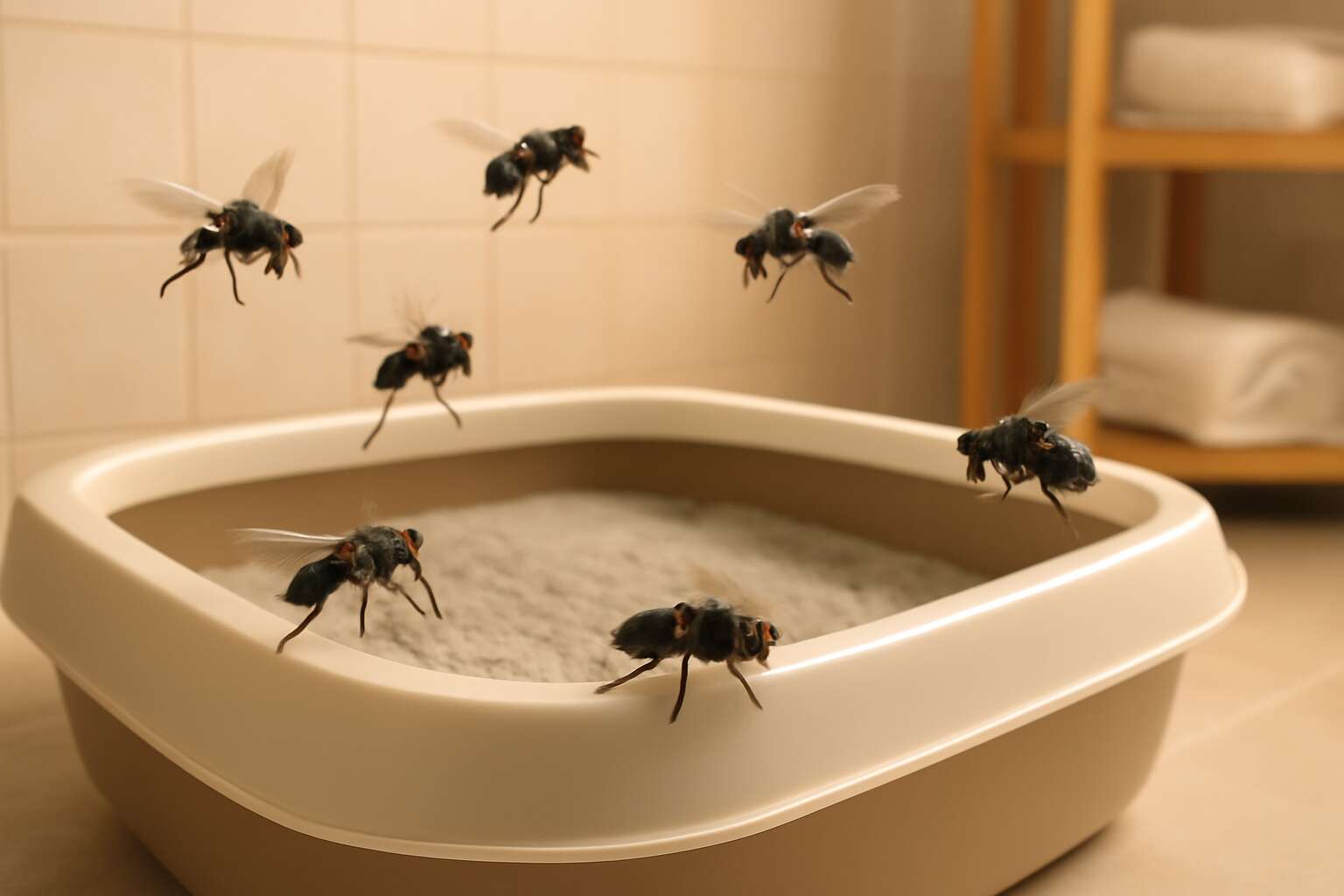
Understanding Flies Near Litter Boxes
Why Flies Are Attracted to Litter Boxes
Flies near litter box are more than just an annoyance; they are a reflection of intricate biological instincts that draw them irresistibly to certain environments. These insects are primarily attracted to the organic waste and moisture that accumulates in and around litter boxes. The scent of waste acts as a powerful pheromone, signalling to flies that a rich source of nourishment is nearby. This attraction is not random but rooted in their evolutionary drive to seek out decaying matter, which offers sustenance and breeding grounds.
Understanding why flies are drawn to litter boxes reveals a fascinating interplay between scent, moisture, and environmental cues. Flies have a highly sensitive olfactory system that detects even faint odours, guiding them directly to their target. To visualise this, consider the following factors that make litter boxes so appealing:
- The presence of organic waste, which emits volatile compounds.
- Moisture, creating a favourable breeding environment.
- The scent of ammonia and other waste-related odours that act as natural attractants.
In essence, flies near litter box are responding to a complex chemical language, one that has evolved over millions of years to locate optimal habitats for survival. Recognising this helps us comprehend the persistent challenge of managing these unwelcome visitors and maintaining a cleaner, more hygienic space.
Common Types of Flies Found in Litter Areas
In the shadowy corners of our homes, where organic waste festers and moisture lingers, a silent invasion often begins — flies near litter box. These tiny intruders are not mere pests; they are messengers of their ancient, primal instincts, drawn to environments rich in decay and nourishment. Their presence signals a complex ecological dance, one that can escalate swiftly if left unchecked.
Among the most common types of flies found in litter areas are the familiar housefly (Musca domestica), which thrives on the scent of ammonia and decomposing organic matter. However, other species also find these environments irresistible, such as the lesser housefly and certain species of fruit flies, which are attracted to moist, fermenting waste. These flies are masters of their olfactory universe, guided by an intricate chemical language that calls them to their next breeding ground.
- Houseflies (Musca domestica) — the ubiquitous wanderers that thrive in warm, moist environments laden with waste.
- Fungus gnats — often found around damp litter, attracted by decaying organic matter and fungi.
- Fruit flies (Drosophila) — drawn to lingering moisture and fermenting waste, especially in less frequently cleaned areas.
Understanding the behavioural patterns of these common flies reveals why the presence of flies near litter box can be so persistent. Their keen olfactory senses and evolutionary drive make them natural explorers of any environment that offers sustenance and breeding opportunities. Recognising these species and their preferences is crucial for maintaining a hygienic space free from unwelcome visitors.
The Lifecycle of Flies and How It Relates to Litter
In the shadowed corners of our homes, where organic waste decays and moisture clings to the air, a sinister cycle unfolds—one driven by the relentless lifecycle of flies near litter box. These tiny predators are not simply nuisances; they are the living embodiment of nature’s dark rhythm, drawn irresistibly to environments rich in nourishment and decay. Their lifecycle, a macabre dance of metamorphosis, reveals why the presence of flies near litter box often becomes an unending nightmare.
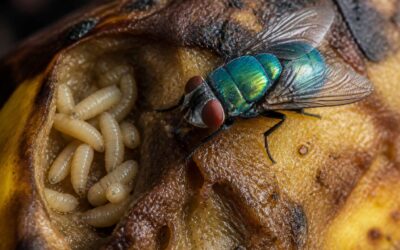
Fly eggs, diminutive and almost invisible, hatch swiftly into writhing larvae that feed voraciously on organic matter. Within a few days, these larvae pupate, emerging as adult flies ready to perpetuate the cycle. This rapid reproductive process means that even a small amount of waste can spawn a burgeoning swarm, making it essential to understand their development. Recognising that flies near litter box are not merely accidental visitors but participants in a biological cycle helps explain their persistent presence.
Understanding the lifecycle of these creatures underscores the importance of addressing the environment that sustains them. Organic waste, dampness, and warmth create the perfect breeding grounds, turning seemingly innocuous litter areas into gateways for infestation. To grasp the scale of their proliferation, consider that a single pair of flies can produce hundreds of offspring in just a week, each cycle further entrenching their dominion over these decomposing realms.
Identifying the Problem: Flies around Litter Boxes
Signs of Infestation
In the quiet corners of our homes, an unwelcome symphony often begins—tiny wings fluttering, a persistent buzz that signals a lurking problem. Flies near litter box can transform a benign space into a buzzing battleground, often unnoticed until their numbers swell into an unmistakable nuisance. Recognising the signs of infestation is crucial, for once these unwelcome guests settle, they become more than mere annoyances; they threaten hygiene and comfort.
The first indication of a burgeoning fly problem manifests in their relentless circling—an almost hypnotic dance around the litter box, especially when waste remains uncleaned or neglected. A sudden increase in fly sightings, combined with an unclean odour, often heralds their breeding grounds’ proximity. Keep an eye out for tiny, persistent insects that seem to appear out of nowhere, especially during warm, humid days. Their presence is not merely a nuisance but a warning—a sign that the environment has become fertile ground for these winged invaders.
To better understand the threat, consider these telltale signs of infestation:
- Constant buzzing around the litter area, even when unperturbed.
- Visible clusters of tiny flies hovering in tight groups.
- Unpleasant odours lingering despite regular cleaning routines.
By identifying these signs early, homeowners can nip the problem in the bud, preventing a full-blown invasion that can turn a peaceful space into a battleground of wings and filth.
Differentiating Flies from Other Insects
Flies near litter box can be deceptive in their appearance, often blending in with other small insects that thrive in similar environments. Differentiating these pests is crucial to addressing the root of the problem effectively. While flies tend to be swift and erratic in flight, other insects like fruit flies or fungus gnats may emerge more slowly and hover in predictable patterns. Recognising these behavioural cues helps homeowners identify the true culprits.
To truly understand what you’re dealing with, observe their behaviour and physical features. Flies near litter box are usually larger, with distinct wing movements and a quick, darting flight. Conversely, insects like fungus gnats are smaller, more delicate, and tend to cluster around damp, organic matter. Knowing these differences can make all the difference in controlling an infestation before it spirals out of control. Sometimes, a simple visual inspection of the insects’ size, flight pattern, and resting habits reveals whether you’re facing a common housefly or a less conspicuous pest.
Impact of Flies on Household Hygiene
In the shadowed corners of our homes, a silent invasion takes root—flies near litter box, their presence a subtle yet insidious warning sign. These tiny intruders, often overlooked, wield a quiet influence over household hygiene, transforming a simple nuisance into a potential health hazard. The unrelenting swarm not only disrupts peace but also carries unseen germs that threaten the sanctity of our living spaces.
Recognising the problem often begins with keen observation. Flies near litter box tend to hover with purpose, their darting flight acting as a dark ballet in the dim corners of a room. Their size, wingbeat, and erratic movement betray their identity, distinguishing them from other small insects. When the environment offers fertile ground—dampness, organic debris—their relentless presence grows, eroding the hygiene of your home and risking contamination.
Understanding the impact of these unwelcome guests becomes essential. Flies in the vicinity of litter boxes do more than just buzz aimlessly—they spread bacteria, pathogens, and disease vectors that can compromise health. This unseen threat underscores the importance of early detection, as their presence signals a deeper issue that, if left unchecked, could spiral into a more serious infestation.
Preventive Measures to Keep Flies Away from Litter Boxes
Proper Litter Box Maintenance
In the silent dance of life, a single overlooked detail can transform a peaceful space into a hub of unwelcome attention. Flies near litter box are often drawn by the intoxicating scent of waste, but prevention lies in the subtle art of proper maintenance. When a litter box is kept impeccably clean, it diminishes the allure that draws these persistent insects.
Proper litter box maintenance involves more than regular scooping; it’s about creating an environment that discourages flies from settling. Routine cleaning with disinfectants, replacing litter frequently, and ensuring good ventilation can dramatically reduce the chances of a fly infestation.
To bolster these efforts, consider implementing a few simple yet effective measures:
- Seal any cracks or openings around the litter box area that might serve as entry points for flies.
- Use airtight containers for storing waste, preventing odours from escaping and attracting flies.
- Spray natural deterrents, such as a mixture of vinegar and eucalyptus oil, to create an uninviting atmosphere for these pests.
When each detail is attended to with care, the presence of flies near litter box becomes a problem of the past, restoring serenity to your cherished space.
Choosing the Right Location
In the silent theatre of household hygiene, the choice of location for your litter box can be the defining act in the battle against flies near litter box. A strategic placement not only safeguards your sanctuary but also acts as a formidable barrier to these persistent pests. The key lies in selecting a spot that is well-ventilated, away from high-traffic zones, and free from potential entry points that flies could exploit. A dark corner behind a closed door might seem discreet, yet it can become a haven for flies if it lacks proper airflow or is prone to dampness.
To enhance your defence, consider the following measures:
- Position the litter box in a location with good air circulation to disperse odours that attract flies.
- Ensure the area is free from cracks or gaps that could serve as entry points for flies near litter box.
- Place the litter box away from food preparation and eating areas to prevent cross-contamination.
By choosing the right location and implementing these preventive strategies, the unwelcome presence of flies near litter box can be kept at bay, preserving the purity and serenity of your home. Remember, a well-placed litter box is a fortress in your ongoing quest to banish flies and maintain a hygienic environment.
Using Fly Barriers and Traps
In the silent war against flies near litter box, every barrier and trap becomes a crucial line of defence, a silent sentinel guarding your sanctuary. Flies, with their relentless swirl and insistent buzz, are drawn to the odours emanating from unkempt litter, transforming your home into an unwelcome battleground. To thwart this invasion, employing effective fly barriers and traps can turn the tide in your favour. These devices are not mere deterrents but strategic outposts designed to intercept the unwelcome guests before they breach your haven.
Consider the power of well-placed fly traps — sticky, odourless, yet irresistibly alluring to flies — lurking near the litter box’s perimeter. For enhanced efficacy, you might opt for a combination approach, such as:
- Using UV light traps that lure flies with their glow, trapping them in a secure chamber.
- Deploying natural attractants like apple cider vinegar in covered traps to lure flies away from the litter box.
- Installing physical fly barriers, such as mesh screens, over vents and potential entry points, preventing their ingress entirely.
By weaving these preventive measures into your household routine, the persistent nuisance of flies near litter box diminishes. The symphony of your home remains undisturbed, free from the disruptive chorus of buzzing insects. Every trap and barrier acts as a delicate yet unwavering guardian, ensuring your living space remains a realm of peace and hygienic purity. Flies may be persistent, but with strategic placement and vigilant prevention, they can be kept at bay, allowing your home’s serenity to flourish unhindered.
Humidty and Ventilation Tips
In the silent realm of your home, subtle forces can dramatically influence the unseen battle against flies near litter box. One of the most potent strategies lies in mastering humidity and ventilation. Flies are drawn to moist environments where organic matter festers, turning your carefully maintained space into a magnet for these unwelcome guests. By managing humidity levels with dehumidifiers or ensuring proper airflow, you create an inhospitable environment that discourages fly activity.
Effective ventilation is the keystone of prevention. Fresh air sweeping through the area dilutes odours and removes the scent trails that attract flies near litter box. To bolster your defence, consider installing exhaust fans or air purifiers in the vicinity. Additionally, understanding the importance of airflow, you might employ these measures:
- Regularly opening windows to encourage natural cross-ventilation, reducing humidity.
- Using vent covers or mesh screens to prevent flies from entering through vents or open windows.
Creating a less inviting environment for flies involves more than just cleaning; it demands a meticulous control of moisture and airflow. When these natural barriers are in place, the persistent threat of flies near litter box diminishes, allowing your sanctuary to stay serene and hygienic. Harnessing the power of ventilation and humidity control transforms your space into a fortress that even the most relentless flies find unappealing.
Effective Remedies for Flies Near Litter Boxes
Natural Solutions and Repellents
When flies near litter box become a persistent nuisance, natural remedies can offer an effective and eco-friendly solution. Instead of relying solely on chemical sprays, consider harnessing nature’s own repellents to keep these unwelcome visitors at bay. Essential oils such as citronella, eucalyptus, or tea tree oil are renowned for their ability to repel flies without posing a risk to pets or humans. A simple approach involves diluting a few drops in water and spraying around the litter area, creating an invisible barrier that deters flies from settling nearby.
Additionally, planting herbs like basil or mint around the litter box can serve as natural fly repellents, releasing aromas that flies find unpleasant. For a more targeted approach, using homemade fly traps—such as a jar with a sweet attractant like apple cider vinegar—can trap the flies before they become a larger problem. Regularly cleaning the litter box and maintaining good ventilation also significantly reduces the likelihood of flies near litter box, disrupting their breeding cycle and making the environment less appealing for them. These natural solutions not only address the immediate problem but also contribute to a healthier, more harmonious household atmosphere.
Chemical Fly Sprays and Their Usage
When chemical fly sprays become a necessary evil, knowing how to use them effectively is essential for maintaining a harmonious household. These potent solutions can swiftly reduce the nuisance of flies near litter box, but their proper application determines their success. Always follow the manufacturer’s instructions—typically, a few light sprays directed around the litter area can create a protective barrier that discourages flies from lingering. It’s advisable to apply sprays in well-ventilated spaces, avoiding direct contact with pets and ensuring that the area is dry before reintroducing your furry companions.
For those seeking a targeted approach, consider using aerosol or residual sprays designed specifically for indoor use. These products often contain ingredients that disrupt the flies’ sensory receptors, making the environment less inviting. Remember, though, that chemical solutions should complement good hygiene practices—such as regular cleaning of the litter box and maintaining proper airflow—to truly keep flies at bay. When used judiciously, chemical fly sprays can be a quick, effective remedy, restoring peace to your home without the overwhelming presence of flies near litter box.
Homemade Fly Traps
When the persistent nuisance of flies near litter box becomes overwhelming, many homeowners seek solutions that are both effective and non-intrusive. One time-honoured method involves crafting homemade fly traps, which harness the natural instincts of these insects. These traps not only reduce the immediate fly population but also serve as a reminder that simple, natural remedies can be surprisingly powerful.
To create a homemade fly trap, start by filling a small container with a sweet attractant—such as overripe fruit or a mixture of sugar and vinegar. Cover the opening with plastic wrap, securing it with a rubber band, and puncture small holes in the surface. Flies near litter box are irresistibly drawn to the scent, and once they enter, they find it difficult to escape. For a more targeted approach, some prefer using a mixture of wine or beer, which acts as an irresistible lure for flies near litter box, trapping them efficiently.
- Place the trap near the litter box but out of your pet’s reach.
- Replace the bait regularly to maintain its effectiveness.
- Dispose of the contents safely to prevent re-infestation.
While homemade fly traps are a natural and economical approach, they also serve as a gentle reminder of the importance of hygiene and cleanliness. Regularly cleaning the litter area and ensuring proper ventilation can significantly diminish the presence of flies near litter box, complementing the trap’s efforts and creating a less inviting environment for these unwelcome intruders.
Cleaning and Disinfection Strategies
Maintaining a hygienic litter area isn’t just about comfort; it’s a crucial step in reducing flies near litter box. Regular cleaning and disinfection are the most effective remedies to discourage these unwelcome insects from setting up shop. Flies are particularly drawn to the organic matter in litter, but a diligent approach to sanitation can make a significant difference. Removing soiled litter immediately and replacing it with fresh material curtails the breeding grounds that attract flies near litter box.
In addition to routine cleaning, employing targeted disinfection strategies can break the cycle of infestation. Using enzymatic cleaners or diluted bleach solutions effectively eliminate odours and eliminate larvae, which can otherwise multiply rapidly. For an extra layer of defence, consider applying natural disinfectants like vinegar or tea tree oil, which are both safe for pets and deter flies. These measures, combined with good ventilation, create an environment that’s less appealing to flies near litter box and less likely to sustain an ongoing problem.
Long-term Solutions to Prevent Future Fly Infestations
Regular Cleaning Routines
To truly banish the persistent problem of flies near litter box, long-term solutions must become part of your routine. Regular cleaning routines are the cornerstone of preventing future infestations. When litter boxes are left untouched for days, they become tempting breeding grounds for flies. By establishing a disciplined schedule—scrubbing and disinfecting at least once a week—you cut off their reproductive cycle before it begins.
In addition to routine cleaning, implementing environmental modifications can create an inhospitable habitat for flies. Consider the following steps:
- Seal any cracks or gaps around the litter box area to prevent flies from entering or establishing breeding sites.
- Ensure good ventilation to decrease humidity, which is highly attractive to flies near litter box environments.
- Maintain a clutter-free zone around the litter area, as debris and organic waste can serve as additional attractants.
By integrating these practices into your household management, you not only eliminate current fly populations but also establish a resilient barrier against future invasions, transforming your space into a fly-free sanctuary that’s as inviting as it is hygienic.
Litter Box Design Improvements
Innovative litter box design can significantly reduce the allure for flies near litter box areas. By choosing models with enclosed designs or odour-locking features, you create a physical barrier that hampers flies’ access and reduces odour emissions, which are major attractants. A well-designed litter box not only keeps the area cleaner but also disrupts the fly’s reproductive cycle, making it harder for them to thrive.
Consider incorporating features such as elevated entries to prevent flies from easily entering or using mesh screens to cover ventilation openings. These subtle modifications serve as a frontline defence against persistent fly invasions. Additionally, placing the litter box in a location with limited airflow can help contain odours and minimise the scent cues that draw flies near litter box zones.
- Install airtight lids or covers on the litter box to block access while maintaining ease of cleaning.
- Opt for self-cleaning litter boxes that minimise organic waste accumulation, reducing attractant sources.
- Position the litter box in a well-ventilated but enclosed spot, balancing odour control with airflow to discourage flies.
By rethinking litter box design and placement, households can create a formidable barrier against flies near litter box, transforming the environment into a less appealing habitat for these unwelcome pests. Such strategic enhancements are key to long-term prevention, ensuring your space remains hygienic and fly-free.
Monitoring and Maintenance Tips
Long-term prevention of flies near litter box hinges on diligent monitoring and consistent maintenance. Flies are persistent, attracted by even the faintest odour, so regular checks are essential to catch infestations early. An effective strategy involves scheduling routine inspections to identify any organic waste build-up or odour leaks that could serve as an invitation for flies. By keeping the environment clean and well-ventilated, you create a less hospitable habitat for these unwelcome visitors.
Implementing a structured approach, such as a weekly cleaning routine, can significantly diminish the chances of a future fly invasion. Consider establishing a systematic method for inspecting and maintaining the litter box and surrounding area. This might include a simple, numbered checklist to ensure every detail is addressed consistently. Such organisation not only fosters hygiene but also helps in tracking any recurring issues with flies near litter box zones, enabling timely intervention before an infestation takes hold.
In addition, employing natural deterrents like essential oils or introducing biological control agents can provide an ongoing barrier against flies. These solutions work silently in the background, maintaining a healthy balance while reducing attractants. Recognising that prevention is an ongoing process—rather than a one-time fix—ensures that the environment remains less inviting, ultimately safeguarding your space from future fly invasions.
When to Seek Professional Pest Control
Long-term solutions to prevent future fly infestations hinge on a strategic blend of environmental management and vigilance. Flies near litter box are often the result of overlooked residues or odour leaks that provide a persistent attractant. Addressing this requires more than routine cleaning; it demands a proactive and comprehensive approach.
When infestation signs become persistent despite diligent maintenance, it might be time to consider professional pest control. Expert intervention can target hidden breeding sites and employ specialised techniques not always accessible to homeowners. If you notice an increase in the number of flies near litter box, or if natural deterrents seem ineffective, seeking professional help is a wise decision. Professionals can identify underlying issues and implement tailored solutions, ensuring your space remains fly-free.
- Persistent fly presence despite regular cleaning
- Evidence of larvae or maggots near the litter area
- Recurring odour issues that cleaning hasn’t resolved
Ultimately, recognising when DIY measures have reached their limit and turning to pest control specialists is an investment in both hygiene and peace of mind. Flies near litter box aren’t just nuisances—they are signals that your environment needs a deeper intervention. Only through expert assessment can you truly break the cycle and establish a sanctuary free from these unwelcome visitors.
Additional Tips for Maintaining a Fly-Free Environment
Managing Pet Waste Effectively
Maintaining a hygienic environment around your pet’s litter box requires more than just regular cleaning; it demands strategic waste management. Flies near litter box are often attracted by the odours and organic matter, so controlling these factors is crucial. Proper disposal of pet waste, ideally in sealed bags, reduces the scent trail that draws in flies. Additionally, ensuring the litter box is well-ventilated minimizes humidity, which flies find particularly appealing.
To further deter flies near litter box, consider implementing natural barriers such as sticky fly strips or installing mesh screens over ventilation points. These small steps can significantly cut down on the presence of flies, creating a less inviting space for them. Remember, a clean, dry, and well-ventilated litter area isn’t just healthier for your pet — it also keeps pesky flies at bay!
Proper Waste Disposal Practices
In the delicate dance between cleanliness and chaos, proper waste disposal emerges as the unsung hero in the battle against flies near litter box. When pet waste isn’t discarded thoughtfully, it transforms into an irresistible magnet for these persistent insects. Sealing waste in sturdy, airtight bags not only contains odours but also denies flies the organic feast they crave. This simple act can dramatically reduce the scent trail that draws them closer.
To elevate your efforts, consider implementing a systematic waste disposal routine. Regularly emptying and sanitising the litter box, combined with vigilant maintenance, ensures that organic matter doesn’t accumulate to an odour-rich crescendo. For added efficacy, you might employ natural deterrents like lemon or eucalyptus oils—subtle yet potent in repelling flies near litter box.
- Consistent waste removal
- Sealed disposal bags
- Natural repellents
These measures, when woven into your daily routine, create an environment less inviting to flies, transforming your space into a sanctuary of serenity for your pet and peace of mind for you.
Home Environment Adjustments
Creating a truly fly-free environment demands attention to subtle but impactful home environment adjustments. Even the smallest change can dissuade these persistent intruders from making your space their sanctuary. One effective strategy involves controlling humidity and ensuring proper ventilation, which can significantly reduce the attractant factors for flies near litter box. Stale, damp air often acts as a beacon for them, so introducing a well-ventilated setup can disrupt their sensory cues.
Additionally, consider integrating natural deterrents into your routine. Plants like basil or mint are not only pleasant to the senses but also serve as natural repellents for flies. For those seeking a systematic approach, employing a combination of physical barriers and strategic placement can be invaluable. For instance, installing fly screens on windows or using mesh covers over the litter box can create an environment that is less hospitable for flies near litter box.
- Maintain consistent cleaning schedules to prevent organic build-up.
- Ensure the litter box is positioned in a well-ventilated, less humid area.
- Utilise natural repellents such as lemon or eucalyptus oils to deter flies effectively.
By weaving these adjustments into daily routines, you cultivate a less inviting habitat for flies near litter box, transforming your home into a sanctuary of cleanliness and calm. The subtle art of environmental modification often proves more effective than aggressive chemical interventions, allowing you to manage this unwelcome pest naturally and efficiently.


0 Comments