Understanding House Flies
What Are House Flies?
House flies are more than mere nuisances; they are living symbols of decay, driven by an insatiable instinct to perpetuate their existence through the filthiest of environments. These persistent insects have a remarkable ability to infiltrate our homes, turning what should be sanctuary into a breeding ground for disease. Their presence is often a stark reminder of the fragile boundary between cleanliness and neglect.
Understanding house flies involves recognising their intricate biology and behaviour patterns. They are attracted to organic waste, faeces, and decomposing matter—places where they lay their eggs and where their larvae thrive. This relentless pursuit of sustenance isn’t driven by malice but by a primal drive that exposes the darker underbelly of human environments.
- House flies can carry over 100 different pathogens, including bacteria and viruses.
- They are capable of contaminating food surfaces with just a brief landing.
- Their lifecycle from egg to adult can be completed in less than a week under ideal conditions.
In many ways, house flies serve as living barometers of hygiene, revealing truths we often prefer to ignore. Their relentless presence forces us to confront the unsettling reality of our own susceptibility to the microscopic world around us.
Physical Characteristics of House Flies
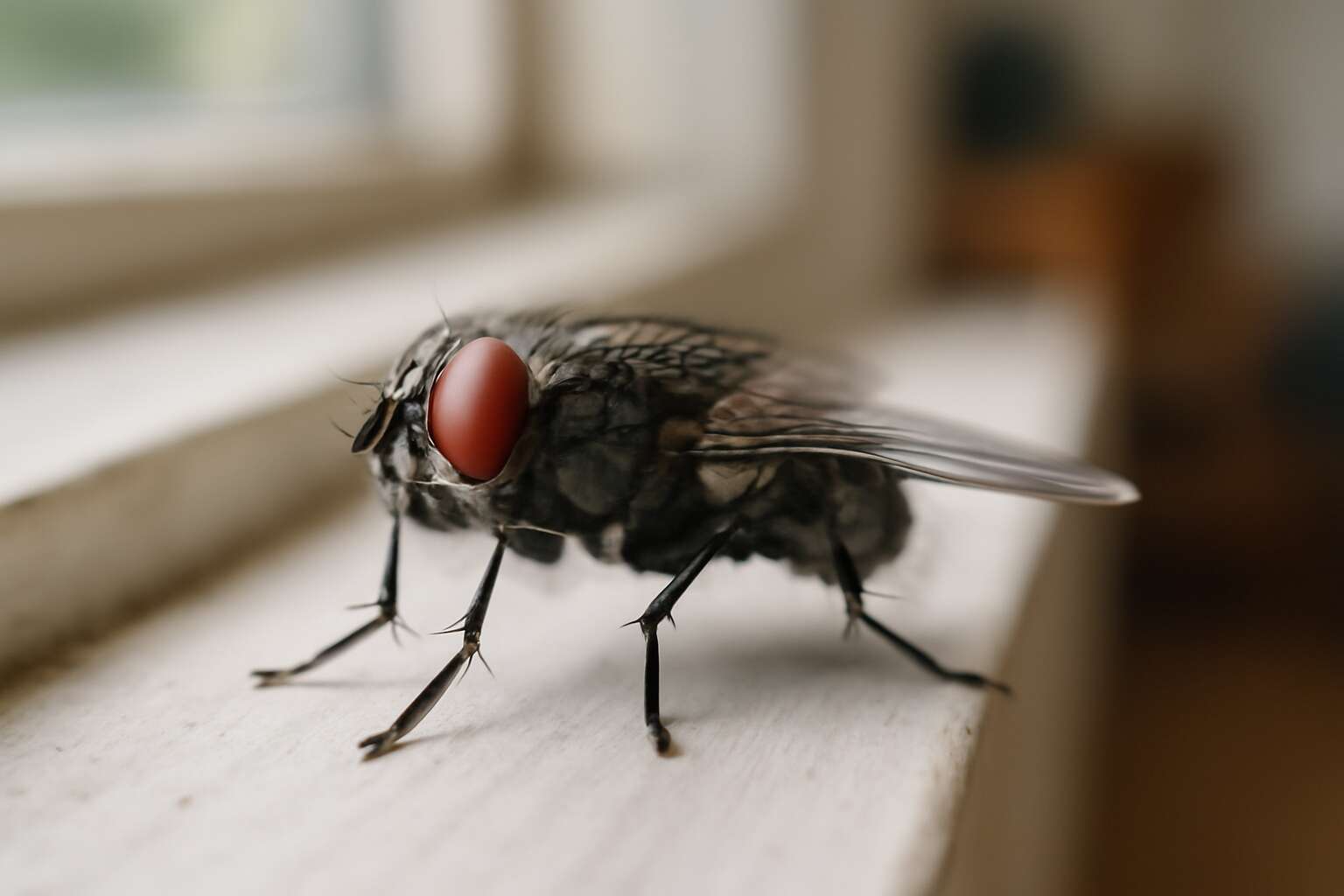
House flies are more than just pesky intruders; their physical characteristics are a marvel of adaptation. These insects are typically 6 to 7 millimetres long, with a greyish thorax adorned with four distinct dark stripes—a pattern that makes them instantly recognisable. Their compound eyes are a vivid red, capable of detecting movement with startling precision, making them formidable predators of our food and hygiene.
Their wings are transparent and fragile, yet they beat an astonishing 200 times per second, allowing house flies to dart with remarkable agility. Their legs are equipped with tiny hairs and sticky pads, enabling them to cling to surfaces—be it a kitchen counter or a pile of rubbish. This combination of features makes house flies uniquely suited to their role as vectors of disease.
A quick overview of their physical traits reveals why they are such effective infiltrators:
- Size: 6-7 mm in length
- Colour: Grey with black stripes on the thorax
- Eyes: Large, red compound eyes providing nearly 360-degree vision
- Wings: Transparent, beating at around 200 times per second
- Legs: Equipped with sticky pads and sensory hairs for surface detection
Understanding these physical characteristics helps explain how house flies effortlessly move through our environment, often unseen until their unwelcome presence becomes unavoidable. Their design isn’t just about survival—it’s about dominance in the microscopic and macroscopic worlds they inhabit.
Habitat and Breeding Sites
House flies are not merely accidental visitors; they are master travellers within the microscopic and macroscopic realms of our environment. Their favourite haunts are often hidden in plain sight—dark, damp, and warm corners that serve as bustling hubs of activity. These insects thrive in places rich with organic matter, where the cycle of decay and nourishment perpetually unfolds. It is here, in the shadows, that house flies find their ideal breeding grounds, enabling their rapid proliferation.
Their breeding sites are often linked to human activity, making homes and surroundings prime real estate for these unwelcome guests. Common breeding sites include:
- Uncovered rubbish bins filled with decomposing food
- Farms and manure piles teeming with organic waste
- Drains and moist, neglected areas where moisture persists
- Spilled liquids or leftover food on countertops
Understanding the habitat preferences of house flies reveals why they are so adept at infiltrating our spaces. Their ability to locate and exploit these breeding sites quickly turns a minor oversight into a thriving colony. It’s as if they possess an innate sense, guiding them to the very heart of decay and nourishment, where they lay their eggs and multiply with astonishing speed. This natural aptitude makes house flies formidable pests, continually seeking environments that support their life cycle’s relentless rhythm.
Life Cycle and Behavior of House Flies
Stages of Development
House flies, those relentless nuisances that seem to materialise from nowhere, possess a remarkable and swift life cycle that enables their prolific presence. Their stages of development unfold like a fleeting but relentless ballet—each phase critical to their survival and proliferation. From tiny eggs nestled in decaying organic matter to fully fledged adults, house flies demonstrate a fascinating metamorphosis that unfolds in mere days under optimal conditions.
The life cycle of house flies begins with a clutch of tiny, oval eggs, often laid in moist, warm environments rich in organic material. These eggs hatch into larvae—maggots—that wiggle and burrow through the decaying matter, feeding voraciously as they grow. Over several days, these maggots undergo a series of transformations, finally pupating into hardened, oval-shaped pupae. After a brief period, the adult fly emerges, ready to perpetuate this cycle with relentless vigour.
- Eggs: Laid in damp, organic-rich environments
- Larvae (maggots): Feed and grow within decaying matter
- Pupae: Encased in a protective shell, undergoing metamorphosis
- Adults: Fully developed flies ready to reproduce
Throughout their brief yet intense lifespan, house flies are driven by innate behaviour—continually seeking out breeding sites and food sources, often in close proximity to human habitation. Their stages of development are a testament to nature’s efficiency, making the house fly a master of survival, adaptability, and, unfortunately, of irritation in our daily lives.
Reproduction and Breeding Habits
House flies are relentless reproducers, with a reproductive cycle so rapid that a single female can lay up to 500 eggs in her short lifespan. Their breeding habits are a marvel of efficiency—laying eggs in damp, organic-rich environments like compost, garbage, or pet waste. These sites are the perfect nursery for their next generation, ensuring their survival and proliferation. The eggs hatch within a day or two, giving way to voracious maggots that feed on decaying matter with reckless abandon.
What makes house flies particularly fascinating—and frankly, a little horrifying—is their innate behaviour of seeking out breeding sites and food sources in close proximity to humans. This behaviour boosts their chances of survival but also escalates their role as unwelcome guests in our homes. Their relentless cycle of reproduction and survival hinges on their ability to adapt swiftly to available resources, making house flies one of the most successful pests around.
- They prefer warm, moist environments rich in organic material for breeding
- Females can lay hundreds of eggs during their brief lifespan
- The entire lifecycle from egg to adult can be completed within just a week under optimal conditions
Typical Flight Patterns and Activity Times
The life cycle of house flies is a fascinating yet unsettling dance of rapid transformation. Under optimal conditions, these resilient creatures can complete their entire metamorphosis—from egg to adult—in just a week. It’s a relentless cycle of survival that underscores their success as pests. House flies lay eggs in warm, moist environments teeming with organic matter, ensuring their offspring have immediate access to nourishment. The eggs hatch swiftly into voracious maggots, which feed on decaying material with insatiable hunger, further perpetuating their existence.
Their behaviour isn’t merely about reproduction; it’s a carefully orchestrated flight pattern driven by instinct and environmental cues. House flies tend to have typical flight patterns, often zipping between their breeding sites and food sources—a behaviour that keeps them close to human habitation. They are most active during the warmer months, especially in daylight hours, when their activity peaks. During summer, we often see them darting through open windows or buzzing around food, in a relentless pursuit of sustenance and new breeding sites.
In their ceaseless quest for survival, house flies display a remarkable ability to adapt swiftly to available resources, making them one of the most successful pests. Their flight activity is concentrated in the daytime, with peak activity often occurring in the late morning and early evening. This behaviour is not random but a calculated effort to find organic material and optimal breeding sites. Their persistent presence and relentless cycle of reproduction make house flies a formidable adversary in our quest for hygiene and comfort.
Health Risks Associated with House Flies
Diseases Transmitted by House Flies
In the shadowed corners of our dwellings, house flies lurk not merely as unwelcome pests but as silent harbingers of disease. These seemingly insignificant insects are capable of transmitting a sinister array of illnesses, turning their mundane presence into a potential health crisis. Their relentless quest for food often leads them to contaminated surfaces, where pathogens cling to their tiny, unwitting bodies.
The health risks associated with house flies are profound and often underestimated. Diseases such as cholera, dysentery, typhoid, and salmonella are frequently spread by these persistent vectors. Their habit of frequenting decaying matter, refuse, and sewage turns them into organic couriers of infection. When they land on food or utensils, they inadvertently deposit bacteria and viruses, creating a perilous pathway for illness. Recognising the deadly potential of house flies is crucial, for they are more than mere nuisances—they are conduits of disease that threaten our very well-being.
Understanding the diseases transmitted by house flies highlights the importance of rigorous hygiene and pest control measures. Their uncanny ability to infiltrate our homes and healthcare environments underscores the need for vigilance. As dark as their reputation is, it’s vital to remember that these insects are not just pests but carriers of some of the most insidious pathogens lurking in our environment.
Contamination and Food Safety
Behind their seemingly innocuous appearance, house flies pose a silent yet formidable threat to public health. Their propensity for frequenting contaminated environments means that every landing is an act of unwitting transmission. The bacteria and viruses they carry can contaminate our food, utensils, and surfaces, transforming everyday meals into potential sources of infection. It is alarming to consider that a single house fly can carry hundreds of pathogens, making them vectors of disease that demand our attention.
Contamination by house flies significantly jeopardises food safety, especially when hygiene standards are lax. Their tendency to land on decaying matter or sewage means that any food they contact can become a breeding ground for harmful microorganisms. This contamination can lead to illnesses such as food poisoning, dysentery, and typhoid. To mitigate these risks, understanding the importance of maintaining clean environments and controlling house fly populations is essential. The threat they pose is not merely nuisance but a formidable barrier to health and wellbeing.
In the pursuit of safeguarding health, awareness of how house flies contaminate food surfaces is vital. Their erratic flight patterns often bring them into close proximity to our meals, inadvertently depositing bacteria and viruses. Recognising these dangers underscores the importance of rigorous hygiene practices, especially in kitchens and food preparation areas. When hygiene falters, house flies seize the opportunity to spread disease, turning what might seem like minor lapses into significant health hazards.
Impacts on Human and Animal Health
House flies may seem trivial at a glance, but their potential to impact both human and animal health is staggering. These seemingly innocuous insects are often underestimated as mere nuisances, yet they serve as vectors for a host of dangerous pathogens. In fact, studies reveal that a single house fly can carry over 100 different bacteria, viruses, and parasites—an alarming testament to their role in disease transmission.
The health risks associated with house flies extend far beyond annoyance. They can unwittingly introduce harmful microorganisms into our living spaces, leading to illnesses such as food poisoning, dysentery, and hepatitis. For animals, especially livestock and pets, the presence of house flies can exacerbate infections or spread zoonotic diseases—those transmissible between animals and humans. Their erratic flight patterns often bring them into contact with waste, sewage, and decaying matter, making them prolific carriers of disease.
Understanding the impact of house flies on health underscores the importance of vigilant pest control and hygiene measures. Their ability to carry and transmit pathogens makes them more than just a household pest—they are a silent threat to wellbeing that demands our attention.
Prevention and Control Strategies
Sanitation and Hygiene Practices
House flies are more than just nuisances; they are unwelcome vectors of disease, silently infiltrating our lives with a persistence that can feel almost insidious. Their presence signals a deeper issue—an environment where sanitation and hygiene practices are neglected. To combat their relentless invasion, it’s crucial to adopt robust prevention and control strategies grounded in cleanliness. After all, a clean space is the first line of defence against these unwelcome intruders.
Implementing effective sanitation practices involves more than just surface cleaning. It requires a comprehensive approach—removing breeding sites and eliminating attractants. Regularly disposing of organic waste and ensuring that food remains covered can significantly reduce house flies’ interest in your environment. Keep drains clean and fix leaks promptly, as stagnant water and moist conditions often serve as breeding grounds for house flies.
For those seeking a systematic approach, consider this simple, yet powerful, step-by-step process:
- Maintain impeccable hygiene standards.
- Eliminate standing water and moist areas.
- Seal entry points such as windows and doors.
- Use physical barriers like fly screens and traps.
In the ongoing battle against house flies, persistent sanitation and hygiene practices form the core of effective control. Recognising their behavioural patterns and breeding habits allows us to create an environment that is less inviting to these persistent pests. Every effort to improve cleanliness is a step towards reclaiming your space from the silent threat they pose.
Physical Barriers and Exclusion Methods
House flies are notorious for their quick invasions and persistent presence. One of the most effective ways to reduce their numbers is through physical barriers and exclusion methods. These serve as the first line of defence, preventing house flies from entering your space altogether.
Sealing entry points is essential. Use high-quality fly screens on windows and doors, and ensure they fit snugly to block even the tiniest gap. Fixing cracks and crevices in walls or around vents can make a significant difference. Additionally, installing door sweeps can stop house flies from slipping inside when doors are opened.
Physical traps are also a popular method for control. Sticky fly strips, UV light traps, and baited traps can catch house flies effectively. These measures not only reduce their numbers but also help monitor ongoing infestations. Remember, combining exclusion techniques with sanitation practices creates a formidable barrier against house flies.
Implementing these exclusion methods is straightforward and cost-effective. By prioritising physical barriers, you can significantly diminish the likelihood of house flies establishing themselves in your environment. Every sealed entry point and trap installed is a step closer to a fly-free zone!
Chemical and Natural Pest Control Options
Controlling house flies requires more than just physical barriers; integrating chemical and natural pest control options can significantly enhance your efforts. Chemical insecticides, when used responsibly, offer rapid results, especially during severe infestations. However, it’s crucial to select products labelled specifically for house flies and follow manufacturer instructions carefully to ensure safety for your family and pets.
Natural remedies also play a vital role in maintaining a healthy environment. Essential oils like citronella, eucalyptus, and peppermint act as natural repellents, making your space less inviting for house flies. Placing these oils around entry points can deter these persistent pests without the use of harsh chemicals.
For a more targeted approach, consider using baited traps or flypapers, which attract and trap house flies effectively. These traps can be placed near breeding sites or high-traffic areas, helping to break the reproductive cycle naturally. The combination of chemical treatments and natural deterrents creates a balanced, sustainable method to keep house flies at bay. Remember, regular sanitation and timely interventions are key to long-term control.
DIY Fly Traps and Repellents
House flies are more than just a nuisance; they’re carriers of disease and can quickly multiply if not managed properly. DIY fly traps and natural repellents offer an effective and eco-friendly way to keep these pests at bay. Creating simple traps using sugar water, vinegar, or fruit scraps can lure house flies and trap them before they become a bigger problem. For added effectiveness, consider setting up flypapers or baited traps in high-traffic areas or near breeding sites.
Natural deterrents like citronella, eucalyptus, and peppermint oils are excellent choices for repelling house flies without harsh chemicals. Applying these around entry points or windows can make your space less inviting for these persistent pests. To maximise results, regularly replace traps and reapply natural repellents, maintaining a clean environment that discourages house fly reproduction. This balanced approach helps prevent infestations and promotes long-term control.
Identifying a House Fly Infestation
Signs of an Infestation
House flies can be more than just a nuisance; they serve as silent heralds of an underlying problem. Spotting a house fly infestation early can save you a world of trouble and protect your home’s hygiene. Often, the first sign is the sudden appearance of numerous flies hovering around food sources, trash bins, or damp areas. These persistent visitors tend to gather where organic material is abundant, signalling that breeding sites might be nearby.
Another telltale sign of a house fly infestation is the presence of tiny eggs or larvae in decaying matter or moist environments. If you notice an increase in fly activity during the warmer months, it’s worth investigating potential breeding grounds. Sometimes, a cluster of flies congregating in a specific corner or on a window sill can be the first clue that your home has a lurking house fly problem.
- Persistent fly sightings indoors or near waste areas
- Unpleasant odours emanating from hidden spots
- Clusters of eggs or larvae in damp, organic materials
Recognising these signs promptly can make all the difference in managing a house fly invasion before it spirals out of control.
When to Seek Professional Pest Control
Spotting the subtle yet persistent signs of a house fly infestation is crucial in preventing a full-blown invasion. These insects are more than mere nuisances; they are indicators of underlying hygiene issues that demand immediate attention. Recognising the telltale signs, such as an increase in fly activity around food, waste, or damp organic matter, can be the first step towards effective control. Often, a sudden swarm of house flies congregating near trash bins or in kitchen corners hints at nearby breeding sites—hidden yet thriving beneath the surface.
When infestation signs become apparent, it’s essential to evaluate the severity. If you notice persistent fly sightings indoors, accompanied by unpleasant odours or clusters of eggs in damp areas, it’s time to consider professional pest control. A specialised approach ensures eradication at the source, preventing the problem from escalating into a pervasive health hazard. Identifying the right moment to seek expert assistance can save both your time and peace of mind—because when house flies invade, swift intervention is paramount.
Tips for Keeping Your Home Fly-Free
Routine Cleaning and Maintenance
Maintaining a house that is unappealing to house flies requires more than just occasional cleaning; it demands a disciplined routine of hygiene and upkeep. Flies are attracted to the smallest morsels of food and damp environments, which can turn a neat home into a breeding ground. Regularly clearing away debris, wiping down surfaces, and ensuring rubbish bins are sealed can make a significant difference.
A consistent cleaning schedule prevents the accumulation of organic matter that house flies thrive on.
- Empty rubbish bins frequently
- Clean kitchen counters thoroughly
- Check for and eliminate standing water
These small but vital actions help disrupt the cycle of attraction that house flies depend upon. By integrating routine maintenance into your household management, you create an environment inhospitable to these persistent pests, reducing their presence and preventing outbreaks.
Proper Waste Management
In the silent ballet of household hygiene, proper waste management emerges as an unwavering sentinel against the relentless invasion of house flies. These unwelcome guests are drawn irresistibly to the scent of decaying matter, fermenting organic waste, and unsealed rubbish bins—each a tantalising lure in their tiny, voracious world. To keep your sanctuary pristine, it’s vital to implement a regimen that starves these pests of their breeding grounds.
Sealing rubbish bins tightly, regularly cleaning kitchen surfaces, and disposing of waste with punctual precision serve as the first line of defence. Consider adopting a systematic approach:
- Empty bins at least once a day
- Use bin liners that are thick and durable
- Clean around the bin area frequently
These practices create a barrier that house flies find difficult to breach, disrupting their cycle of attraction and reproduction.
By weaving vigilant waste management into daily routines, you forge a formidable barrier—transforming your home into a sanctuary that house flies find too inhospitable to invade. Every effort, no matter how small, echoes in the battle against these persistent pests, turning your household into a fortress of cleanliness and peace of mind.
Sealing Entry Points
House flies are the uninvited guests that seem to thrive on the tiniest lapses in cleanliness. One of the most effective ways to banish them from your home is by sealing entry points. Think of your doors, windows, and vents as the frontline defenders—each one needs to be properly sealed to prevent these persistent pests from slipping inside. Small gaps and cracks are like welcome mats for house flies, inviting them to set up camp in your living space.
To keep your home truly fly-free, inspect and repair any potential entry points regularly. Installing weather stripping around doors and window frames can make a significant difference, creating a formidable barrier against house flies. Additionally, consider fitting fine mesh screens on all vents and open windows, turning your house into a fortress of hygiene. Remember, even the tiniest gap could be a portal for these insects, so vigilance is vital.
- Check door and window seals for cracks and tears.
- Fit screens on all vents and open windows.
- Seal gaps around utility lines, pipes, and electrical outlets.
When you prioritise sealing entry points, you not only keep house flies at bay but also reinforce your home’s defence against other airborne nuisances. It’s a simple yet effective step that transforms your living space into an inhospitable environment for these pesky visitors—making fly invasions a thing of the past!
Important Facts About House Flies
Interesting Behavioral Traits
House flies are more than just a common nuisance; they are fascinating creatures with intriguing behavioural traits that reveal their resilience and adaptability. Despite their seemingly simple existence, these insects possess a remarkable ability to navigate complex environments with astonishing precision. Their quick reflexes and unpredictable flight patterns make them elusive targets, often leaving us marveling at their agility.
One of the most captivating aspects of house flies is their feeding behaviour. They are opportunistic feeders, capable of consuming a diverse array of organic materials. Their tendency to land on unsavoury surfaces, including decaying matter and refuse, underscores their role as vectors of disease. Interestingly, their reproductive cycle is optimised for rapid population growth, with a single female laying hundreds of eggs at a time, especially in warm, moist environments.
In fact, house flies demonstrate a fascinating behavioural trait: they are attracted to light, yet their flight is often erratic, a behaviour that confounds attempts at pest control. This unpredictable movement is driven by their survival instinct, allowing them to evade predators and human efforts alike. Recognising these behavioural nuances can be crucial in understanding how to manage and mitigate house fly infestations effectively.
Common Myths and Facts
House flies, those relentless aerial acrobats, often seem like mere nuisances, yet beneath their seemingly mundane façade lies a world of intriguing facts. They are among the most widespread insects on the planet, capable of inhabiting a staggering variety of environments—urban, rural, and everything in between. Their ability to adapt swiftly to changing conditions is a testament to their resilience and evolutionary prowess. Many believe these insects are solely bothersome pests, but in truth, they are complex creatures driven by survival instincts that often defy common understanding.
Contrary to popular myth, house flies do not always swarm in the daylight or stay confined to filth. In fact, they are attracted to light, but their flight patterns are often unpredictable—an evasive dance that complicates eradication efforts. Recognising these behavioural quirks reveals the depth of their instinctual cunning. Here are some important facts about house flies that dispel misconceptions:
- They are not just attracted to garbage but also to decaying organic matter, which provides the perfect breeding ground for their rapid proliferation.
- House flies have a short lifespan, yet within this fleeting window, a single female can lay up to 500 eggs, ensuring their relentless presence persists.
- Despite their small size, house flies are capable of transmitting over 100 different pathogens, making them significant vectors of disease.
Many misconceptions surround house flies—some believe they only breed in dirty environments, but they are equally adept at exploiting clean, warm areas. Their erratic flight and attraction to light often lead to false assumptions about their behaviour, yet understanding these traits is crucial for effective management. As elusive as they seem, house flies are a testament to nature’s ingenuity—a resilient species that continues its relentless cycle, often unnoticed, yet always present.


0 Comments