Understanding Flies Near Drains
Types of Flies Commonly Found Near Drains – Learn about the main species attracted to drains, such as drain flies, fruit flies, and phorid flies.
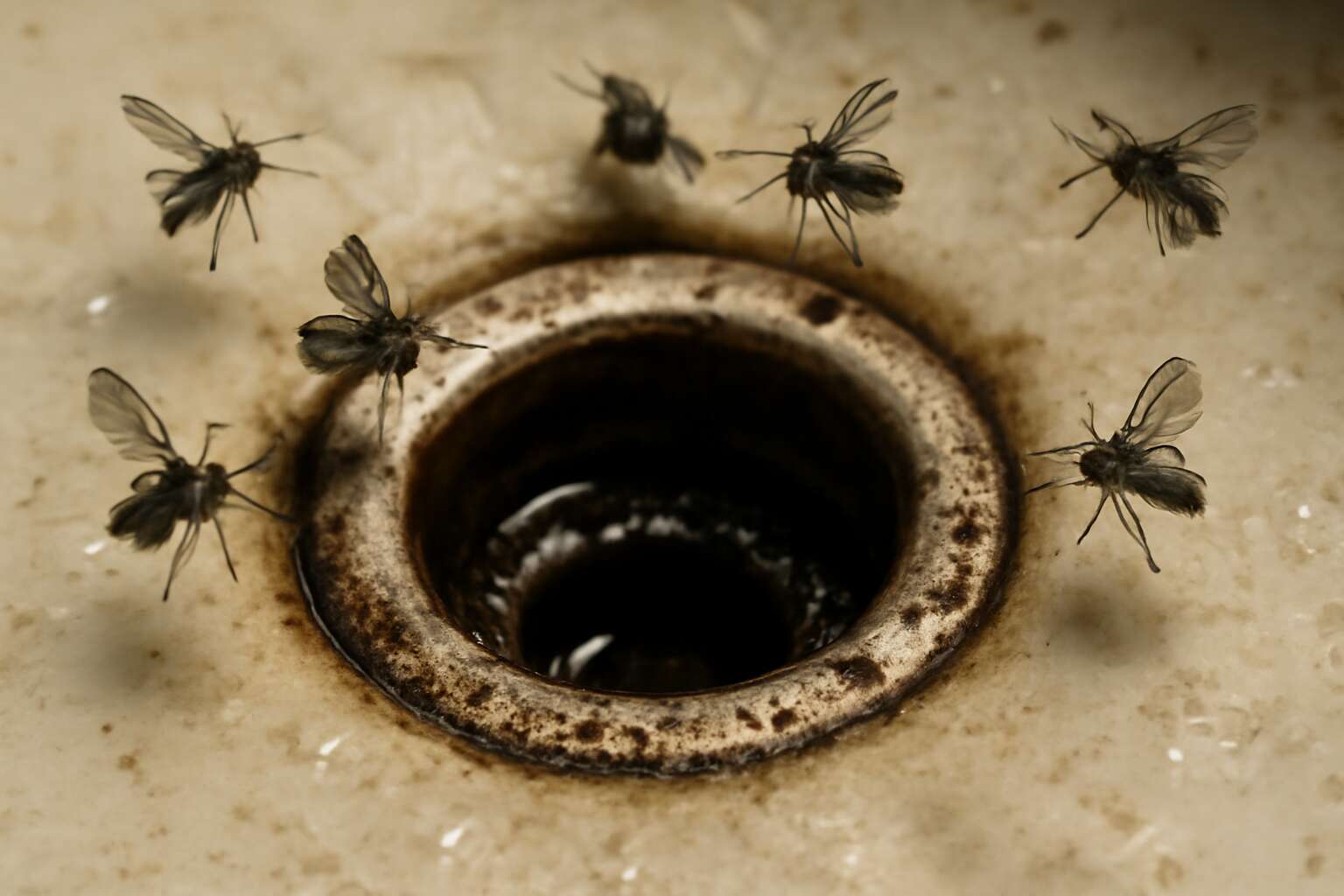
Flies near drain are more than a nuisance—they can signal underlying hygiene issues. In South Africa, these persistent pests are often mistaken for harmless insects, but they can carry bacteria and pathogens. Understanding the main species attracted to drains helps in effective control. The three most common culprits are drain flies, fruit flies, and phorid flies.
Drain flies, also known as moth flies, thrive in moist, organic matter within plumbing systems. Fruit flies are drawn to fermenting organic material like rotting fruit or sugary residues often found in trash or overripe produce. Phorid flies tend to inhabit decaying plant material and organic waste, lurking near drains and sewer systems. Recognizing these species is crucial because each type requires a different approach to eliminate.
- Drain flies are tiny, fuzzy, and often seen resting on bathroom walls near sinks and drains.
- Fruit flies are slightly larger, with distinctive red eyes, and appear around kitchen counters and compost bins.
- Phorid flies are quick-moving, often found near drains, garbage disposals, or decaying organic matter.
Why Flies Are Attracted to Drains – Explore the environmental factors and organic matter that draw flies to drain areas.
Flies near drain are more than just an annoyance—they are a mirror reflecting the hidden complexities of our environment. In South Africa, these persistent pests thrive in conditions rich with organic matter, making drain areas a prime attraction. The damp, warm, and often neglected spaces beneath sinks and sewer systems create the perfect breeding ground for these insects. Their presence signals that organic residues are accumulating, providing ample food and breeding sites for flies near drain.
Understanding why flies are attracted to drain environments sheds light on the importance of hygiene and maintenance. Organic matter such as soap scum, hair, food residues, and sewer waste serve as irresistible food sources. These substances release fermenting odors that draw flies in search of sustenance. The combination of moisture and organic debris creates a breeding haven for various species, including drain flies, fruit flies, and phorid flies.
Recognizing these environmental factors is essential. A few key elements that attract flies near drain include:
- Accumulating organic residues
- Stagnant, moist conditions
- Fermenting food and waste odors
When these conditions persist, they transform ordinary drain areas into hotspots for fly activity. This natural draw highlights the importance of regular cleaning and proper waste disposal, helping to break the cycle of attraction and prevent the proliferation of flies near drain.
Signs of Flies Infestation Near Drains – Identify visual cues and other indicators that highlight a fly problem in your drainage system.
There’s a silent invasion creeping in the shadows beneath our sinks, a telltale sign that flies near drain have claimed dominion over neglected spaces. These tiny, unwelcome guests often leave behind subtle but unmistakable clues—faint buzzing, a persistent fluttering, or even tiny carcasses caught in the corners of your plumbing. Such visual cues are often the first whispers of a burgeoning infestation, alerting vigilant homeowners to deeper issues lurking within the drain system.
In many instances, the presence of flies near drain is accompanied by a distinctive, fermenting odor—a siren’s call that beckons these insects with promises of organic bounty. Spotting these signs early can prevent the situation from spiraling further into chaos. Look for clusters of tiny flies hovering near the drain opening or swarming around damp, neglected areas. These nuisances are often accompanied by sticky residues or slimy buildup, which serve as fertile ground for their eggs to hatch and multiply.
Remember, the dance of these flies is more than mere annoyance; it’s a vivid indicator that organic matter, such as soap scum, food debris, or sewer waste, has accumulated, creating an environment ripe for their proliferation. When you observe a persistent, buzzing presence near your drain, it’s a clear signal that the cycle of attraction is underway—an urgent call to address the underlying cause before it spirals into an unmanageable infestation.
Health Risks Associated with Flies Near Drains
Potential Disease Transmission – Understand how flies can carry and spread bacteria, viruses, and other pathogens.
Flies near drain are more than just a nuisance; they pose significant health risks that can’t be ignored. These tiny insects are notorious carriers of bacteria, viruses, and other pathogens that thrive in the damp, organic environments within drainage systems. When flies land on food, surfaces, or even open wounds, they inadvertently transfer these harmful microorganisms, creating a direct route for disease transmission.
Research indicates that flies can carry over 100 different pathogens, including Salmonella, E. coli, and cholera, which can lead to severe illnesses. Their propensity to frequent drains—hotbeds of bacteria—means they are especially adept at spreading infections. The presence of flies near drain isn’t merely an annoyance but a potential health hazard that warrants vigilance. Their seemingly innocuous fluttering masks a dangerous ability to disseminate disease, especially when sanitation is compromised. Recognising the threat posed by these persistent pests helps underscore the importance of maintaining clean drainage systems and reducing their attraction to organic matter in South African households and businesses alike.
Impact on Household Hygiene – Discuss the implications of fly infestations on cleanliness and sanitation.
Flies near drain aren’t just a minor annoyance—they threaten the very foundation of household hygiene. These persistent pests thrive in the organic matter that accumulates within drainage systems, turning your home into a breeding ground for bacteria and viruses. When flies congregate around drains, they inadvertently introduce contaminants into your living space, increasing the risk of infection and illness.
The presence of flies near drain can undermine sanitation efforts, making cleaning routines less effective and fostering an environment where harmful microorganisms flourish. Their constant fluttering around food preparation areas or open wounds heightens the danger, as they can transfer pathogens directly onto surfaces or onto your skin. This invisible threat can compromise the health of everyone in the household, especially in homes where sanitation is already challenged.
In South African households, where water and waste management can vary significantly, the unchecked proliferation of flies near drain underscores the importance of vigilant hygiene practices. Ignoring these tiny invaders can lead to an escalation of health risks, as their attraction to organic debris perpetuates a cycle of contamination. Understanding the impact of flies near drain on household cleanliness reveals why swift, comprehensive measures are crucial for maintaining a safe and sanitary environment.
Effective Methods to Eliminate Flies Near Drains
Cleaning and Maintenance Tips – Detail best practices for regular drain cleaning and upkeep.
In the shadowed corners of every household lurks a silent menace—those persistent flies near drain, heralds of decay and unseen filth. Regular drain cleaning is not just a chore; it is a ritual of defiance against these creeping specters. Neglect allows organic matter to ferment within the pipes, transforming mundane drains into breeding grounds for flies near drain, where they thrive in the dark, humid embrace of neglected grime.
To combat this nocturnal invasion, embrace best practices for maintenance that banish the unseen menace. Start with a thorough inspection of your drainage system—look for stubborn residues and organic build-up that attract flies near drain. Using a potent drain cleaner or a mixture of boiling water and vinegar can dissolve the organic matter, depriving these insects of their sanctuary. For persistent infestations, consider employing enzymatic cleaners that break down organic matter at a molecular level, disrupting the lifecycle of flies near drain.
Establish a routine that includes flushing your drains weekly with hot water and a biological enzyme solution—this simple act can significantly reduce the organic matter that fuels fly populations. Remember, a well-maintained drain is a fortress that keeps the dark, buzzing threat at bay, ensuring your sanctuary remains a place of cleanliness rather than a breeding ground for flies near drain.
Natural Remedies for Flies Control – Share eco-friendly solutions like vinegar traps, essential oils, and boiling water.
In the quiet corners of our homes, an uninvited dance begins—tiny shadows flickering in the dim light, drawn irresistibly to the dark allure of neglected drains. Flies near drain are more than mere nuisances; they are heralds of organic decay, whispering secrets of unseen filth festering beneath our sinks. Yet, amidst this creeping menace, nature offers a symphony of eco-friendly remedies that can turn the tide.
Vinegar traps, simple yet potent, harness the sour aroma that these pesky insects find irresistible. Fill a small bowl with apple cider vinegar, add a few drops of dish soap, and watch as the flies near drain are lured into a sudsy abyss, unable to escape. Essential oils—peppermint, eucalyptus, or tea tree—are not only fragrant but act as natural repellents. Dilute a few drops in water and spray around the drain area, creating an aromatic barrier that discourages their return.
Boiling water, poured directly into the drain, serves as a fiery assault against organic build-up—dislodging debris and disrupting the breeding sanctuary for flies near drain. For those persistent infestations, consider a natural enzymatic solution, a molecular force that breaks down organic matter, leaving no breeding ground for these insidious insects. This eco-conscious approach not only curtails the fly population but also safeguards your household’s health and hygiene.
Commercial Products for Drain Flies – Review effective commercial fly repellents and trap products.
When it comes to battling flies near drain, sometimes the best offense is a good defense—yet, for those who prefer a quick fix, commercial products can be a game changer. These ready-made solutions are designed specifically to target drain flies, offering a more immediate and often more effective approach than DIY remedies. From sticky traps to powerful repellents, the market brims with options tailored to keep your space hygienic and fly-free.
Many commercial fly repellents utilize active ingredients that disrupt the insects’ sensory receptors, discouraging their return. Sticky traps, for example, are a popular choice—they lure flies near drain with bait and trap them effortlessly. For a more comprehensive attack, consider enzymatic drain cleaners. These products not only eliminate organic build-up but also remove the breeding grounds that attract flies near drain, effectively breaking the cycle of infestation.
Here are some standout products worth considering:
- Electric fly zappers that lure and electrocute flies on contact
- Chemical-based sprays formulated to target drain flies specifically
- UV light traps that attract flies with their luminous glow, trapping them inside
When selecting commercial products for drain fly control, it’s vital to choose formulations that are safe for household use and environmentally friendly—especially if you’re in South Africa, where eco-conscious solutions are becoming increasingly important. Combining these with diligent drain maintenance can significantly reduce flies near drain, turning your home back into a sanctuary of cleanliness.
Preventive Measures to Keep Flies Away from Drains
Routine Drain Maintenance – Outline schedules for regular cleaning to prevent fly breeding grounds.
Flies near drain can turn into a persistent nuisance, but establishing a routine drain maintenance schedule can drastically reduce their presence. Regular cleaning not only disrupts the breeding cycle of drain flies but also keeps your household hygienic and pest-free. By dedicating time weekly or bi-weekly to clear out organic buildup, you create an uninviting environment for these unwelcome visitors.
Implementing a systematic approach is essential. Use a combination of hot water and enzymatic cleaners to break down organic matter that accumulates in pipes and drains. This prevents the formation of ideal breeding grounds for flies near drain. For added efficacy, consider the following steps:
- Pour boiling water down the drain weekly to eradicate larvae and organic debris.
- Apply enzyme-based cleaners that digest organic matter, disrupting the flies’ lifecycle.
- Inspect and remove any visible standing water or debris that could serve as breeding sites.
By maintaining a consistent cleaning routine, homeowners can significantly diminish the likelihood of fly infestations near drain areas. Remember, prevention is always more effective than dealing with an established swarm of flies near drain. Routine maintenance acts as the first line of defense, ensuring your drain system remains a sterile environment and your home stays fly-free.
Proper Waste Disposal – Highlight the importance of disposing of organic waste properly.
Proper waste disposal is the bedrock of a fly-free household, especially when it comes to keeping flies near drain at bay. Organic waste, if not discarded correctly, becomes a magnet for these unwelcome visitors, providing ample breeding grounds. Ensuring waste is sealed tightly and disposed of promptly minimizes the organic buildup that attracts drain flies. This simple yet vital step can drastically reduce the chances of fly infestations taking root in your drainage system.
In addition to responsible waste management, regular cleaning plays a crucial role. Consider implementing an organized routine, such as:
- Emptying trash bins frequently to prevent organic debris from accumulating.
- Rinsing out food scraps from containers before disposal.
- Using biodegradable bags designed to contain organic waste securely.
This proactive approach not only curtails the presence of flies near drain but also promotes a hygienic environment that your family can enjoy. Remember, a clean home starts with vigilant waste disposal—it’s the first line of defense against persistent fly problems.
Fixing Plumbing Issues – Emphasize the role of repairing leaks and cracks in preventing fly access.
In many South African households, the sight of flies near drain can turn a simple moment into a frustrating ordeal. These unwelcome visitors aren’t just a nuisance; they are often a sign of underlying plumbing issues that need immediate attention. Repairing leaks and cracks in drains is a crucial step in preventing fly access and ensuring a hygienic environment.
Leaking pipes and tiny fissures provide easy entry points for flies near drain, especially when organic matter accumulates within these crevices. Addressing these vulnerabilities with prompt repairs not only keeps flies away but also stops the breeding cycle in its tracks. Consider inspecting your drainage system regularly to identify and mend any cracks or leaks before they become a persistent problem.
For added protection, implementing a routine maintenance schedule can make all the difference. Once a month, check for signs of damage or slow drainage, and ensure your plumbing is in top condition. This proactive approach creates an environment that’s inhospitable to flies near drain, safeguarding your home’s hygiene and peace of mind.
Additionally, sealing off potential entry points and maintaining a dry, clean environment reduces the chances of flies establishing themselves around your drainage system. Remember, a well-maintained drain isn’t just about preventing odors; it’s a vital barrier against the persistent nuisance of flies near drain!
When to Seek Professional Help
Identifying Severe Infestations – Signs that indicate the problem requires professional pest control.
When the persistent presence of flies near drain becomes more than a mere nuisance, it signals an underlying problem that demands professional intervention. While a few drain flies or fruit flies might seem manageable, an unchecked infestation can rapidly morph into a public health concern, especially in households with vulnerable members. Recognizing the signs of a severe infestation is crucial before the problem spirals out of control, contaminating food surfaces or spreading bacteria.
Indicators such as an overwhelming swarm of flies, foul odors emanating from your drainage system, or visible larvae thriving within the pipes suggest that DIY solutions may no longer suffice. In these moments, enlisting the expertise of pest control specialists becomes imperative. They possess the diagnostic acumen to identify breeding hotspots and deploy targeted treatments that eradicate the problem at its source. Remember, neglecting these signs can inadvertently transform a minor annoyance into a pervasive health hazard, making professional pest control the prudent choice when flies near drain persist despite basic cleaning efforts.
Choosing Pest Control Services – Guidelines for selecting reliable and eco-friendly pest removal experts.
When to Seek Professional Help Choosing Pest Control Services
Flies near drain can quickly become a persistent problem that demands expert intervention. If DIY methods no longer keep these unwelcome guests at bay, it’s time to call in pest control specialists. Relying on experienced professionals ensures the root cause is addressed, preventing a minor nuisance from turning into a full-blown health hazard.
Choosing the right pest control service in South Africa involves more than just finding a company with good reviews. Look for providers who prioritize eco-friendly solutions, especially when dealing with sensitive households or environments. An effective pest control service will use targeted treatments that are safe yet potent against drain flies, fruit flies, and other species attracted to drains.
Here are some guidelines to help you select a reliable pest control expert:
- Verify their licensing and accreditation to ensure compliance with local regulations.
- Ask about their eco-conscious pest removal techniques to minimize environmental impact.
- Check references or reviews highlighting their success in eradicating flies near drain issues.
Persistent flies near drain are more than an annoyance—they pose health risks. Partnering with a trusted pest control company guarantees the problem is resolved efficiently, safeguarding your household’s hygiene and peace of mind.


0 Comments