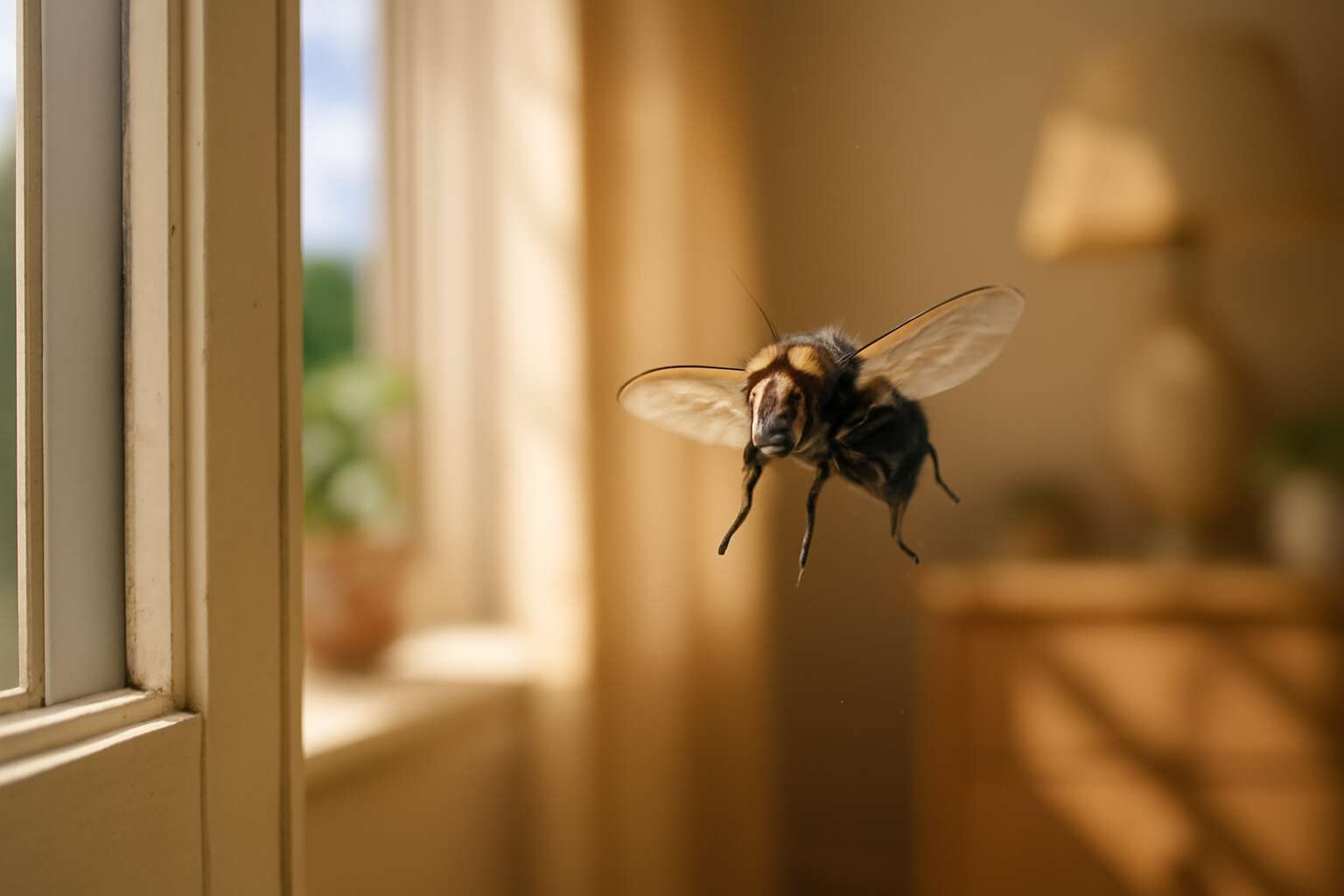
Common Causes of Flies Entering Your Home
Open Doors and Windows – How open doors and windows invite flies inside
Open doors and windows are often the simplest entry points for flies getting into house. When these openings remain unprotected, they serve as welcome mats for these unwelcome guests. Flies are incredibly adept at squeezing through tiny gaps, making their way inside even when you think everything is sealed.
A common cause is the natural movement of people and pets, which inadvertently creates temporary openings. Additionally, screens that are torn or poorly fitted offer little resistance to intruders. During warmer months, outdoor lighting attracts flies, leading them to seek shelter indoors through open windows and doors.
To understand the full extent of how flies get into house, it’s helpful to realise the importance of physical barriers. For instance, a simple list clarifies the typical points of entry:
- Unscreened or damaged window and door screens
- Gaps around door frames or window sills
- Open doors left unattended for extended periods
- Cracks in walls or foundations near entry points
Awareness of these common causes underscores how vital it is to keep doors and windows properly sealed to prevent flies getting into house.
Garbage and Compost – The role of waste in attracting flies
In the quiet corners of our homes, where warmth and comfort intertwine, an invisible magnet often pulls flies getting into house — the irresistible allure of waste. Flies, those tiny marauders of the air, have an uncanny ability to detect the scent of rotting matter from kilometres away. It’s no wonder that garbage and compost bins become veritable sirens, luring these unwelcome guests inside. When waste is left uncovered or spills occur, it creates a fragrant beacon that flies simply cannot resist.
Once attracted, these pests don’t rely solely on scent. Flies are remarkably dexterous, capable of squeezing through minuscule gaps around bin lids or door seals. An open compost heap or a neglected rubbish bag becomes an open invitation, turning your domestic sanctuary into a temporary haven for flies. To understand the full extent of how flies get into house, it’s essential to recognise the role of waste and how it acts as a catalyst for their intrusion.
- Uncovered trash cans that emit a constant, pungent aroma.
- Decaying organic matter in compost heaps left exposed to the elements.
<li-Spills or leaks that spread food residue across surfaces, attracting flies.
It’s this perfect storm of scent, accessible entry points, and favourable conditions that transforms mundane waste management into a battleground against flies getting into house. By understanding these intricacies, homeowners can better comprehend the delicate dance between cleanliness and pest intrusion, ensuring they remain vigilant against these tiny invaders with a penchant for uncleanliness.
Standing Water and Moisture – Why stagnant water draws flies
Stagnant water and persistent moisture are silent sirens in the nocturnal dance of flies getting into house. These unwelcome intruders are irresistibly drawn to the quiet pools of stillness that gather unnoticed—an abandoned plant saucer, a dripping tap, or the forgotten corner of a basement where dampness lingers. Flies thrive in such environments, their tiny bodies thriving on the damp decay that often goes unseen.
In the shadows, stagnant water acts as a magnet, whispering promises of organic riches. It’s no exaggeration to say that even a small, neglected puddle can become an entry point. Flies are cunning; they detect the faintest odour of moisture from afar, navigating through the labyrinth of a home’s interior to reach their coveted source.
Consider these common causes that invite flies into your sanctuary:
- Leaking pipes beneath sinks or behind appliances
- Clogged or poorly ventilated drainage systems
- Overgrown or waterlogged garden areas close to the house
Each of these creates a favourable environment—an inviting oasis for flies—fuelled by the persistent allure of moisture. Once the environment is right, the tiny invaders find it impossible to resist the call, slipping silently inside and turning your home into a haven of decay.
Food Left Out – Impact of uncovered food on fly intrusion
In the silent theatre of daily life, the most insidious entry point for flies getting into house are the subtle lapses in food storage. An uncovered dish, a forgotten slice of bread, or even a bowl of ripe fruit left temptingly uncovered can turn your domestic sanctuary into an irresistible lure for these persistent invaders. Flies are drawn not just by the scent of organic matter but by the promise of nourishment, often perceiving even the slightest hint of aroma as an open invitation.
When food remains exposed, it’s as if a silent beacon is flashing—calling flies with an almost hypnotic allure. This vulnerability in food hygiene can transform an otherwise well-maintained home into a haven for flies. The intrusion can occur swiftly, especially during warmer months when their activity peaks. To understand the gravity of this issue, consider how neglected crumbs or uncovered leftovers can act as a magnet, facilitating the unwelcome journey of flies getting into house.
In a typical household, the main culprits often include:
- Uncovered leftovers that sit for hours or days
<li,Ripe fruit and vegetables left out on countertops
<li Food debris and crumbs lurking in hidden corners or under appliances
Such oversights create a fertile environment for flies, turning a moment of neglect into a persistent infestation. The allure of accessible food is irresistible, prompting these tiny trespassers to explore every crack and crevice, eager to find their next meal and inadvertently making their way inside your home with ease. Flies getting into house isn’t merely a matter of chance—it’s often the result of overlooked lapses in food security and hygiene.
Pet Waste and Litter – How pet-related messes attract flies
Pet waste and litter are often overlooked as prime entry points for flies getting into house, yet they serve as potent magnets for these unwelcome visitors. An unattended cat’s litter box or dog’s waste left in the garden releases a potent aroma that draws flies from afar, transforming your outdoor space into a fly haven. Flies are instinctively attracted to organic waste, perceiving it as a readily available source of nourishment.
The real issue arises when these pests find their way inside—often through small gaps or open doors—seeking the very same organic material that lured them outdoors. Proper disposal of pet waste and maintaining a clean litter area are crucial to preventing flies from being enticed indoors. Remember, even the tiniest hint of pet waste can act as an irresistible beacon, turning your home into a bustling hub for flies getting into house.
Identifying Different Types of Flies in Your Home
House Flies – Traits and behaviors of common house flies
Few nuisances are as persistent as the uninvited guests known as flies. While they may seem interchangeable at first glance, understanding the different types of flies getting into house can make all the difference in managing their unwelcome presence.
The common house fly, *Musca domestica*, is perhaps the most notorious. Its traits include rapid reproduction and a penchant for congregating around filth, making it a quintessential symbol of household discomfort. These flies are often identified by their greyish thorax with four dark longitudinal stripes and their propensity to dart erratically through rooms.
Beyond the humble house fly, several other species may infiltrate your sanctuary. Fruit flies, for example, are attracted to ripening produce and fermenting liquids, while cluster flies tend to seek refuge during colder months inside wall voids and attics.
Recognising these different types helps in understanding how flies getting into house can be a persistent challenge. Each species exhibits unique behaviours, such as fruit flies’ preference for organic matter or cluster flies’ tendency to cluster in large numbers, which influence how they infiltrate and thrive within domestic spaces.
Fruit Flies – How to spot and identify fruit flies
Few household irritations rival the relentless invasion of fruit flies—those miniature marauders that seem to appear out of nowhere, feasting on your ripening fruit or fermenting beverages. Recognising these uninvited guests is half the battle won in understanding how flies getting into house becomes an inevitable nuisance. Fruit flies, or *Drosophila melanogaster* if you’re feeling scientific, are tiny, about 3-4 mm, with bright red eyes and a tan or amber body that makes them almost adorable—until you realise they’re a pest. Their attraction to organic matter is unmatched; they’re drawn to rotting fruit, spilled juice, and even damp cloths.
To identify a fruit fly intrusion, look for their characteristic behaviour: darting erratically around overripe produce or fermenting liquids. You might notice their presence near compost bins or on kitchen surfaces where organic waste is left uncovered. An effective way to pinpoint their source is to check for small, fuzzy clusters around the aforementioned attractants. This behaviour, coupled with their tiny size, makes them distinguishable from larger flies and helps in understanding how flies getting into house often starts with overlooked organic debris.
In the grand dance of household pests, fruit flies are the subtle but persistent performers. Recognising their unique traits not only helps in identifying how flies getting into house occurs but also reveals their preference for organic matter—an essential detail in managing these tiny invaders effectively.
Drain Flies – Characteristics of drain flies and their entry points
In the shadowed corners of your dwelling, a new menace lurks—drain flies, those spectral visitors that seem to materialise from the abyss itself. Unlike their brethren, these tiny spectres possess a fragile, fuzzy appearance, with dark, moth-like wings that flutter with a ghostly grace. Their entry points are often as insidious as their presence; cracked pipes, unsealed drains, or neglected sink traps serve as gateways into your sanctuary. Once inside, they breed in the damp, organic residues lurking beneath your bathroom or kitchen fixtures, turning your home into a sinister breeding ground. Recognising drain flies involves observing their erratic, jerky flight patterns and their fondness for moist environments. If you notice small, blackish clusters near your drains or a sudden infestation of tiny flies swirling in the humid air, it’s a sign that flies getting into house through these hidden portals has begun to unfold. Their silent invasion is as much a matter of moisture and decay as it is a testament to the unseen vulnerabilities within your home’s infrastructure.
Phorid Flies – Understanding lesser-known fly species
While the common housefly might steal the spotlight, lurking in the shadows are lesser-known culprits like phorid flies—those sneaky, often overlooked species that can turn your home into a battleground. Phorid flies, sometimes called hump-backed flies, are not your average intruders; they possess a distinctive arched thorax and tend to scuttle rather than flutter. Unlike their more glamorous cousins, these persistent pests thrive unnoticed in decaying organic matter, especially around damp basements or compost bins.
Understanding the different types of flies getting into house is key to effective pest management. Phorid flies, in particular, are drawn to decayed plant material and moist environments, making them a subtle but relentless nuisance. They can infiltrate through tiny cracks or unsealed drains—those microscopic gateways that often go unnoticed. Recognising their presence involves observing their erratic running patterns and preference for dark, humid corners. It’s a small detail, but spotting these flies can be the first step in curbing their clandestine invasion.
Effective Strategies to Prevent Flies From Entering
Sealing Entry Points – Using screens and weather stripping to block flies
In the silent ballet of household intrusion, flies getting into house often find their way through the most overlooked entry points, turning a peaceful sanctuary into a buzzing nuisance. It is estimated that over 80% of these unwelcome guests enter through small gaps and cracks that escape our notice, making sealing entry points a vital line of defence. The key lies in understanding their relentless pursuit of warmth, moisture, and food sources—small vulnerabilities that invite them inside.
Effective strategies to prevent flies from penetrating indoor sanctuaries hinge on meticulous sealing techniques. Installing high-quality screens on windows and doors acts as an invisible barrier, allowing fresh air in while thwarting winged invaders. Weather stripping, when applied to the edges of doors and windows, creates a seamless seal that prevents even the tiniest fly from squeezing through. These measures—though simple—serve as formidable shields against the relentless march of flies getting into house, preserving the serenity of your living space. Combining these physical barriers with vigilant household hygiene transforms your home into an impenetrable fortress, deterring these silent invaders before they even arrive.
Proper Food Storage – Keeping food sealed and stored securely
When your home becomes a haven for flies getting into house, it often feels like an intrusion of the unseen — a persistent, unwelcome presence that chips away at serenity. A fundamental yet overlooked battleground lies in proper food storage. Flies are relentless in their pursuit of sustenance, driven by primal instincts that make unsealed food an irresistible invitation. Ensuring food is sealed and stored securely is more than a hygienic measure; it is a moral stance against the chaos these insects seek to impose.
Leaving food exposed is an open call for flies to infiltrate your sanctuary. Small vulnerabilities—such as uncovered plates or open packets—can turn your kitchen into a landing zone. To combat this, consider implementing airtight containers or specialised food storage solutions that deny these winged invaders access to nourishment. In doing so, you cut off the very sustenance that fuels their relentless march into your home.
For added protection, a simple yet effective approach involves prioritising food storage in a systematic manner:
- Always reseal food containers immediately after use.
- Store perishables in the fridge or freezer where flies cannot reach.
- Regularly inspect pantry items for signs of contamination or pest activity.
By elevating the discipline of food storage, you not only safeguard your household from flies getting into house but also uphold a silent moral duty—resisting the invasion of disorder and chaos that these unwelcome guests symbolise. It’s a small act with profound implications, a testament to how human intention and awareness can preserve the sanctity of home amidst the persistent threat of nature’s unwelcome visitors.
Managing Waste – Regular trash disposal and compost maintenance
The relentless march of flies getting into house can transform a tranquil sanctuary into a buzzing battleground. These tiny invaders are irresistibly drawn to the odour of waste and decaying matter, turning discarded rubbish and compost into magnets that attract flies with unerring precision. It’s a scene straight from a mythic tale—where chaos lurks in the shadows, waiting to strike at the heart of domestic peace.
Managing waste effectively is crucial in this ongoing war. Regularly disposing of garbage and maintaining compost with meticulous care not only curtails the allure of flies but also preserves the sanctity of your home. An ordered approach can be as simple as following these steps:
- Seal all rubbish tightly in durable bags, ensuring no scent escapes to tempt the winged intruders.
- Empty outdoor bins frequently, especially during warmer months when fly activity peaks.
- Designate specific compost bins with secure lids to prevent flies from gaining entry and laying eggs.
By keeping waste contained and properly maintained, you create an invisible barrier that deters flies getting into house. This act of vigilance is akin to weaving an enchanted shield around your home—an unyielding defence against the persistent invasion of these unwelcome guests.
Eliminating Standing Water – Fixing leaks and removing stagnant water sources
Few nuisances rival the persistent annoyance of flies getting into house, especially when they seem to appear out of nowhere, turning your serene abode into a miniature aviary. A significant contributor to this unwelcome invasion is standing water — the silent magnet for these winged intruders. Flies, particularly drain flies and fruit flies, are cunning in their quest for breeding grounds, often thriving in stagnant water sources that are easy to overlook.
Fixing leaks and eradicating stagnant water sources is a surprisingly effective strategy in the war against flies getting into house. Start by inspecting your plumbing for leaks, especially around sinks, bathtubs, and outdoor taps. These leaks not only waste water but also create the perfect moist environment for flies to thrive. Removing stagnant water from plant saucers, buckets, and rain barrels deprives these pests of their preferred breeding sites.
To further diminish their appeal, consider regularly clearing any debris or organic matter from areas prone to water accumulation. If you spot persistent puddles or water caught in unintentional places, address the issue promptly. Remember, even a small pool of water can become a breeding haven, inviting a host of unwelcome guests into your home. By prioritising the elimination of standing water, you effectively close the door on flies getting into house, making your sanctuary a less hospitable environment for these pesky invaders.
Maintaining Cleanliness – Regular cleaning routines to deter flies
Imagine swatting at a fly while trying to enjoy a quiet evening—annoying, isn’t it? The truth is, flies getting into house is a common nuisance that can turn your sanctuary into an insect’s playground. The good news? A spotless home isn’t just about aesthetics; it’s your best defence against these unwelcome visitors. Regular cleaning routines are vital in deterring flies, as they’re attracted to mess, organic debris, and residues that seem insignificant but act as irresistible magnets for flies getting into house.
By maintaining a meticulous cleaning schedule—wiping surfaces, scrubbing sinks, and clearing away food crumbs—you remove their favourite temptations. Don’t forget to pay special attention to kitchen counters, bins, and pet feeding areas, where organic matter often lurks unnoticed. An effective way to keep flies at bay is to focus on places where organic matter accumulates, as these spots are prime breeding grounds for flies. Remember, a clean home is a fly’s worst nightmare, and consistent upkeep can dramatically reduce the chances of flies getting into house.
Natural and DIY Methods to Repel Flies
Herbs and Plants – Using basil, mint, and other plants as natural repellents
Within the labyrinth of your humble abode, a subtle invasion often takes root—flies getting into house spaces, turning serenity into chaos. Nature itself offers a clandestine arsenal of herbal allies to repel these unwelcome guests. Imagine sprigs of fresh basil, their aromatic leaves acting as a fragrant barrier, or sprigs of mint, whose pungent aroma confounds even the most persistent fly. These herbs not only enchant your senses but serve as natural sentinels guarding your sanctuary. When strategically placed near entry points or over kitchen windows, they create an invisible barrier that makes flies think twice before venturing inside.
For those who prefer a more hands-on approach, growing and maintaining these plants is both satisfying and effective. Consider creating a simple DIY herb trap by placing cut herbs in shallow bowls of water—an inviting scent that distracts flies from entering. Alternatively, hanging bundles of herbs like thyme or lavender near doorways can further enhance your home’s defence—turning your living space into a fragrant fortress that discourages flies getting into house. These natural and DIY methods harness the power of plants to keep your environment both inviting and fly-free, blending the magic of nature with everyday living.
Homemade Traps – Recipe for effective DIY fly traps
When flies getting into house become an unwelcome feature of your daily routine, it’s time to take matters into your own hands—literally! Homemade fly traps are a delightful blend of ingenuity and natural pest control, offering a humane and eco-friendly solution. The beauty of DIY traps lies in their simplicity; with just a few common household ingredients, you can craft an effective barrier that tricks flies into their own downfall.
One classic recipe involves pouring a small amount of apple cider vinegar into a jar, then adding a few drops of dish soap. The vinegar attracts the flies, while the dish soap breaks the surface tension, trapping them in their own curiosity. Cover the jar with plastic wrap and poke tiny holes—an irresistible invitation for flies to enter, but a one-way ticket when they try to escape. For added flair, you might add a piece of ripe fruit or a sprig of mint to make the trap even more enticing.
Alternatively, creating a natural fly habitat by hanging bundles of herbs like lavender or thyme can act as a fragrant fortress against flies getting into house. Not only do these herbs repel pests, but they also fill your home with a pleasant aroma. These homemade traps and herbal deterrents serve as a clever, cost-effective way to keep your living space fly-free—proving that sometimes, the best solutions are the simplest.
Vinegar Solutions – How apple cider vinegar attracts and traps flies
In the silent theatre of our homes, an uninvited cast sometimes makes its entrance—flies getting into house with unwelcome persistence. Their presence is more than mere annoyance; it’s an urgent call to arms in the war for domestic serenity. Amidst the chaos of open doors and exposed food, a natural hero emerges: the humble apple cider vinegar solution. Its allure to flies is almost magnetic, luring them into a trap crafted from everyday items, yet imbued with the power to rid your sanctuary of these unwelcome intruders.
The secret lies in the vinegar’s intoxicating aroma—an irresistible beacon for flies, especially when combined with a few drops of dish soap. This chemical potion disrupts the insect’s natural instincts, causing them to become ensnared in their own curiosity. The vinegar’s allure is so potent that it turns an ordinary jar into a miniature battleground—where flies are lured in and unable to escape. To amplify its charm, a sprinkle of ripe fruit or a sprig of mint can transform a simple trap into a veritable magnet for flies getting into house, making it an elegant, eco-friendly solution that works in harmony with nature.
By leveraging the natural instincts of flies to seek out fermenting and sweet scents, vinegar solutions serve as a humane method to control their proliferation. This approach is a testament to the power of simple ingredients—showing that sometimes, the most effective method to keep your home fly-free is rooted in the natural world itself. After all, when flies get into house, it’s often the allure of food or waste that draws them in; harnessing that attraction with vinegar solutions turns their own curiosity into their downfall.
Essential Oils – Utilizing oils like eucalyptus and citronella
Natural repellents harness the potent power of essential oils, offering an eco-friendly way to deter flies getting into house without resorting to chemical sprays. Oils like eucalyptus, citronella, and lemongrass emit scents that are unpleasant to these persistent insects, effectively creating a barrier around your home’s perimeter. Their aroma is not only invigorating but also acts as a subtle warning to flies, signalling an unwelcome environment.
For those seeking a more targeted approach, mixing a few drops of these oils with water and spraying around doorways and windows can significantly reduce the likelihood of flies getting into house. Additionally, placing diffusers infused with citronella or eucalyptus oil in common areas provides continuous protection. Not only do these natural methods smell pleasant, but they also serve as a humane, chemical-free solution.
- Use cotton balls soaked in essential oils near entry points.
- Create homemade sprays combining essential oils with a splash of vinegar for added efficacy.
- Plant herbs like basil and mint around your home’s exterior to act as natural fly repellents.
Commercial Products and Solutions for Fly Control
Fly Swatters and Electric Rackets – Manual methods for immediate relief
When flies getting into house become a persistent nuisance, relying solely on natural deterrents may not suffice. Commercial products designed specifically for fly control offer an effective, immediate solution. Among these, fly swatters and electric rackets stand out as manual methods that provide instant relief from an unwelcome swarm. The tactile satisfaction of swatting a fly can be surprisingly therapeutic, especially during those tense summer evenings.
Electric fly rackets are a modern marvel—lightweight, rechargeable, and capable of zapping multiple insects in seconds. They serve as a swift response to flies getting into house, especially when the infestation seems to escalate rapidly. For broader coverage, commercial fly traps—both adhesive and electric variants—are invaluable tools, trapping flies and preventing them from causing further trouble. These solutions combine simplicity with efficiency, giving homeowners a reliable line of defence against the ongoing invasion of flies.
Fly Zappers and Traps – Electric and light-based options
In the relentless dance between human comfort and the unyielding persistence of nature, flies getting into house remain a vexing enigma. As the warm months beckon, these unwelcome visitors infiltrate with uncanny ease, transforming tranquil corners into buzzing battlegrounds. To combat this intrusion, commercial fly control solutions such as fly zappers and traps have evolved into indispensable allies. These devices harness light-based attraction, exploiting flies’ innate response to illumination and heat, drawing them inexorably towards their demise.
Electric fly zappers, boasting ultraviolet light and high-voltage grids, serve as efficient sentinels in the ongoing war against fly invasions. Their sleek design allows for broad coverage, quickly reducing the number of flies getting into house and preventing escalation. For a more passive approach, adhesive and electric traps lure flies with enticing scents—like apple cider vinegar—then imprison them in a sticky trap or electrocute them upon contact. Employing a combination of these tools can transform your home from a battleground into a sanctuary, with each solution playing a vital role in the overarching strategy of fly management.
Insect Sprays – Guidelines for safe and effective spraying
When flies getting into house becomes an uninvited daily guest, it’s clear that traditional deterrents alone won’t cut the mustard. Commercial solutions for fly control, such as insect sprays, offer a formidable line of defence—if used wisely. But safety and efficacy should go hand in hand. Proper guidelines for spraying ensure that these potent products do their job without turning your home into a chemical battleground.
Always read and follow the manufacturer’s instructions carefully—this isn’t the time for DIY experiments with half-measures. Spray in well-ventilated areas, and avoid applying near food preparation zones or on surfaces that come into contact with children and pets. For maximum impact, target breeding sites like trash bins, drains, and damp corners. When used correctly, insect sprays can significantly reduce the likelihood of flies getting into house, turning that buzzing nuisance into a distant memory.
To enhance results, consider combining chemical control with physical barriers such as sealing cracks or installing fine mesh screens. This multi-layered approach can prevent future incursions and help keep your living space fly-free. Remember: the goal isn’t just to kill the immediate swarm but to establish a comprehensive strategy to thwart those persistent flies from getting into house in the first place. Now, isn’t that a fly’s worst nightmare?
When to Seek Professional Pest Control
Persistent Infestation – Signs that require expert intervention
When flies getting into house becomes an incessant nuisance, recognising the signs that warrant professional pest control can be the difference between temporary relief and a full-blown infestation. Persistent swarms, particularly around windows and doorways, often indicate that the problem extends beyond simple entry points. If you notice an overwhelming number of flies that refuse to be deterred by homemade traps or natural repellents, it’s time to seek expert intervention.
Expert pest control is essential when you observe recurring fly activity despite diligent cleaning and sealing efforts. Flies getting into house can sometimes signal underlying issues such as hidden breeding sites or structural vulnerabilities. Additionally, if you spot larvae or maggots in drains, compost bins, or damp corners, professional removal is crucial. These signs suggest the infestation has become embedded, and DIY methods are unlikely to resolve the problem effectively. Addressing these issues promptly not only restores comfort but also safeguards health, especially when flies carry bacteria and pathogens that threaten household hygiene.
Health Concerns – Understanding risks associated with flies and disease
When the tiny invaders—flies getting into house—become a relentless, uninvited chorus, the stakes extend far beyond mere annoyance. These seemingly innocuous pests can carry a host of health risks that threaten your household’s wellbeing. Flies are notorious for their role as vectors of disease, capable of transmitting bacteria, viruses, and parasites with alarming ease. Their insidious presence often signals more than simple entry points; it hints at hidden breeding grounds that lurk beneath the surface, waiting to proliferate.
Recognising when to seek professional pest control hinges on understanding these latent dangers. Persistent fly activity, especially when it refuses to abate despite diligent cleaning, is a red flag. The real peril lies in the unseen: larvae developing in drains, damp corners, or neglected compost bins. These are not just nuisances—they are potential reservoirs of contamination. When flies continue to infiltrate your space, despite natural repellents or homemade traps, it’s time to consider expert intervention to safeguard your health and restore tranquillity.
Choosing a Pest Control Service – Tips for selecting reliable professionals
When flies getting into house become a persistent invasion, recognising the threshold for professional pest control becomes paramount. These unwelcome intruders are not merely a nuisance but potential harbingers of health risks, especially when natural remedies fail to stem their relentless influx. If you find yourself repeatedly battling swarms despite diligent cleaning, it’s a sign that a deeper, more systemic intervention is needed.
Choosing a reliable pest control service involves discerning expertise and proven efficacy. Look for professionals with a strong reputation, validated by local reviews and certifications. An ideal pest control company will conduct a thorough inspection, identifying hidden breeding grounds—such as drains, damp corners, or neglected compost bins—that often serve as magnets for flies getting into house. Such meticulous assessments are crucial to eradicate the root cause, rather than just the symptoms.
When seeking pest control services, consider asking the following:
- Are they trained in integrated pest management strategies?
- Do they use environmentally responsible products?
- Can they provide a detailed plan targeting the specific fly species invading your home?
Entrusting your home to competent professionals ensures that flies getting into house are effectively controlled, preventing future incursions and safeguarding your household’s health and tranquillity.


0 Comments