Understanding House Flies and Their Behavior
What Attracts House Flies Indoors – Identifying common attractants such as food, garbage, and organic waste
House flies are more than just a nuisance; they’re often carriers of bacteria and pathogens, making their presence indoors a health concern. Understanding their behaviour is key to learning how to get rid of house flies indoors effectively. These insects are highly attracted to specific indoor attractants, which often go unnoticed. They thrive where organic waste, food scraps, and damp conditions exist. Flies are particularly drawn to the scent of rotting or fermenting matter, which acts as a magnet.
To combat this, it’s crucial to identify and eliminate common attractants around the home. Some of the most typical sources include uncovered food, overflowing bins, and organic waste that’s left exposed. Flies can sense these smells from a distance, guiding them straight into your living space. Recognising these attractants is the first step in controlling their invasion, especially since knowing what draws them indoors helps in preventing future infestations.
House Fly Life Cycle – Understanding the breeding process and lifecycle to target effectively
House flies are more than just a pest; they are a persistent, almost relentless presence with a sinister lifecycle that makes them difficult to eradicate. These insects are notorious for their rapid breeding process, which allows a new generation to emerge in as little as seven days. Understanding how to get rid of house flies indoors begins with grasping their lifecycle — from tiny eggs laid in damp, organic matter to voracious larvae that develop into adult flies ready to invade your space.
Once eggs hatch, larvae — commonly called maggots — feed voraciously on decaying material, further attracting adult flies. The entire cycle can be completed in a matter of days, meaning a small infestation can explode into an overwhelming invasion in no time. Flies are especially drawn to breeding sites such as uncovered rubbish, compost bins, or damp areas rich with organic waste. Recognising these breeding hotspots helps in understanding how to get rid of house flies indoors more effectively, targeting the source before it spirals out of control.
Signs of Infestation – How to recognize a house fly problem early
House flies are more than just a nuisance—they’re tiny, winged vectors of chaos, capable of turning your pristine sanctuary into a buzzing battleground in record time. Recognising the signs of an infestation early can make all the difference in learning how to get rid of house flies indoors before they establish a permanent residence. These uninvited guests are often quite sneaky, hiding in plain sight but leaving telltale signs of their presence.
One of the most obvious indicators is an increase in the number of flies zipping around, especially near food sources or damp areas. You might notice them settling on surfaces, or the faint smell of decay wafting through your space. Flies are particularly adept at congregating where organic matter, such as uncovered rubbish or compost, provides an easy buffet.
- Persistent buzzing near trash cans
- Frequent landing on food surfaces
- Visible swarms in dim, moist corners
Being alert to these behavioural signs can save you from a full-blown invasion. After all, understanding how to get rid of house flies indoors begins with recognising when they’ve decided to make themselves at home. Spotting these tiny, winged troublemakers early on means you’re already a step ahead in the war against their relentless proliferation.
Preventative Measures to Keep House Flies Out
Proper Waste Management – Sealing trash cans, regular disposal, and cleaning
In the silent war against unwelcome intruders, proper waste management stands as an unassailable fortress. House flies, those seemingly insignificant pests, are often the harbingers of more insidious health threats. Learning how to get rid of house flies indoors begins with a strategic approach to waste, a battleground where cleanliness can tip the scales in our favour. Sealing trash cans tightly creates an impenetrable barrier, denying flies access to their favoured breeding grounds. Regular disposal of organic refuse ensures that no lingering odour or exposed waste becomes an irresistible lure. A meticulous routine of cleaning not only eradicates potential attractants but also strips away the scent trails that flies follow with relentless precision.
To elevate your pest control prowess, consider implementing an ordered system for waste management:
- Seal all trash cans with secure lids.
- Dispose of organic waste daily—do not let it accumulate.
- Maintain a rigorous cleaning schedule for kitchen surfaces and bins.
Such measures are fundamental in fostering an environment that discourages fly infestation, transforming your indoor space into a sanctuary of hygiene. When you understand how to get rid of house flies indoors, these preventative strategies become your first line of defence, turning the tide against these persistent pests.
Reducing Attractants – Eliminating standing water, cleaning food spills, & storing food properly
House flies are more than just a nuisance; they are potential carriers of harmful bacteria. Reducing their presence indoors hinges on limiting what attracts them in the first place. Eliminating standing water is crucial—these tiny pools are prime breeding sites for flies. Regularly empty and clean areas where water might collect, such as sinks, plant trays, or pet bowls, to break their life cycle.
Cleaning food spills immediately and keeping surfaces tidy removes tempting organic residue. When food is left out or spills are ignored, it creates an open invitation for flies. Proper food storage also plays a vital role. Use airtight containers and avoid leaving perishables exposed on counters. For added protection, consider implementing an ordered system for waste management:
- Store food in sealed containers
- Clean up spills promptly
- Eliminate standing water regularly
By addressing these attractants head-on, you can effectively prevent house flies from taking hold inside your home. Mastering how to get rid of house flies indoors involves these simple yet impactful preventative measures that keep these pests at bay, ensuring a hygienic environment for your family.
Maintaining Cleanliness – Regular cleaning routines to eliminate breeding sites
Maintaining a pristine environment is the first line of defence in understanding how to get rid of house flies indoors. Regular cleaning routines are essential—they sweep away the organic matter that attracts these persistent pests. A spotless kitchen, for instance, not only looks inviting but also disrupts the fly’s breeding cycle, leaving them with nowhere to lay their eggs.
In the pursuit of a fly-free home, integrating a systematic cleaning schedule can work wonders. Consider adopting an ordered system for waste management, which includes sealing trash cans tightly and ensuring waste is disposed of frequently. This simple act can significantly diminish the organic attractants that lure flies inside.
Additionally, paying close attention to overlooked areas such as drainages, under appliances, and behind furniture can uncover hidden breeding spots. Regularly wiping down these surfaces prevents the buildup of organic residue, making your home inhospitable to house flies. You might even find that a combination of vigilant cleanliness and a keen eye for potential breeding grounds transforms your space into a sanctuary—an environment where these unwelcome visitors struggle to thrive.
Effective Indoor House Fly Control Techniques
Physical Barriers – Screens on windows and doors, sealing cracks and gaps
House flies are more than just a nuisance; they can carry pathogens and compromise indoor health. One of the most effective ways to learn how to get rid of house flies indoors is by implementing physical barriers. These simple yet often overlooked measures can significantly reduce the influx of flies into your living space.
Installing screens on windows and doors creates a formidable obstacle that prevents flies from entering. Additionally, sealing cracks and gaps around window frames, door jambs, and utility entry points can drastically cut down on indoor infestations. Flies are small and agile, so even minor openings can serve as gateways.
- Using weatherstripping around doors
- Applying sealant to cracks in walls and floors
- Ensuring that window screens are intact and without tears
These physical barriers serve as the first line of defence, making it harder for flies to access your indoor environment. Combining these tactics with good hygiene practices creates a comprehensive approach to control, ensuring that your space remains fly-free and hygienic.
Use of Fly Traps – Types of traps suitable for indoor use, placement tips, and maintenance
When the relentless swarming begins and the air seems thick with the buzzing of house flies, it’s a signal that your indoor sanctuary needs more than just a gentle breeze to banish these unwelcome intruders. Effective indoor house fly control hinges on strategic measures that trap and eliminate these winged pests before they multiply. Among the most reliable methods is the use of fly traps, which act as silent sentinels, luring flies with enticing attractants and capturing them with unyielding efficiency.
For indoor settings, the key is selecting the right type of trap. Light traps, for instance, can be positioned near problem areas, drawing flies out of hiding with their ultraviolet glow. Sticky traps, coated with adhesive, are unobtrusive allies that can be placed near windows, doorways, or beneath sinks. When employing these traps, placement is paramount—position them away from human activity, yet close enough to intercept flies before they reach food or resting sites. Regular maintenance, such as cleaning or replacing sticky panels, ensures they remain effective in the ongoing battle to keep your home fly-free.
Electric Fly Zappers – How to choose and operate electric zappers safely indoors
In the shadowed corners of your home, where the light barely reaches, the relentless hum of house flies can turn sanctuary into torment. When conventional methods falter, electric fly zappers emerge as a formidable weapon in the silent war against these winged invaders. Selecting the right device is crucial—look for models with UV light that attract flies effectively, and ensure they are safe for indoor use.
Operating electric zappers is a dance of precision. Place them near problem areas—away from human traffic but close enough to intercept flies before they reach food or resting spots. Regularly cleaning the grid and replacing bulbs prolongs their efficacy, maintaining a constant vigil over your indoor domain. Remember, safety is paramount: keep zappers out of reach of children and avoid contact with the electrified grid.
- Choose models with protective covers to prevent accidental contact
- Ensure proper ventilation to avoid overheating
- Utilise multiple units in large or particularly infested areas
Mastering the art of how to get rid of house flies indoors involves more than just deployment; it’s about creating an environment where these pests find no refuge. With strategic placement and diligent maintenance, electric fly zappers serve not only as tools but as silent sentinels in your ongoing quest for pest-free peace.
Natural and DIY Remedies to Eliminate House Flies
Homemade Fly Traps – Using apple cider vinegar, sugar water, or fruit to attract flies
House flies are more than just a nuisance; they can carry harmful bacteria and spread disease. Knowing how to get rid of house flies indoors requires effective, natural solutions that don’t rely solely on chemicals. Homemade fly traps are an excellent way to reduce their numbers without exposing your family to toxins.
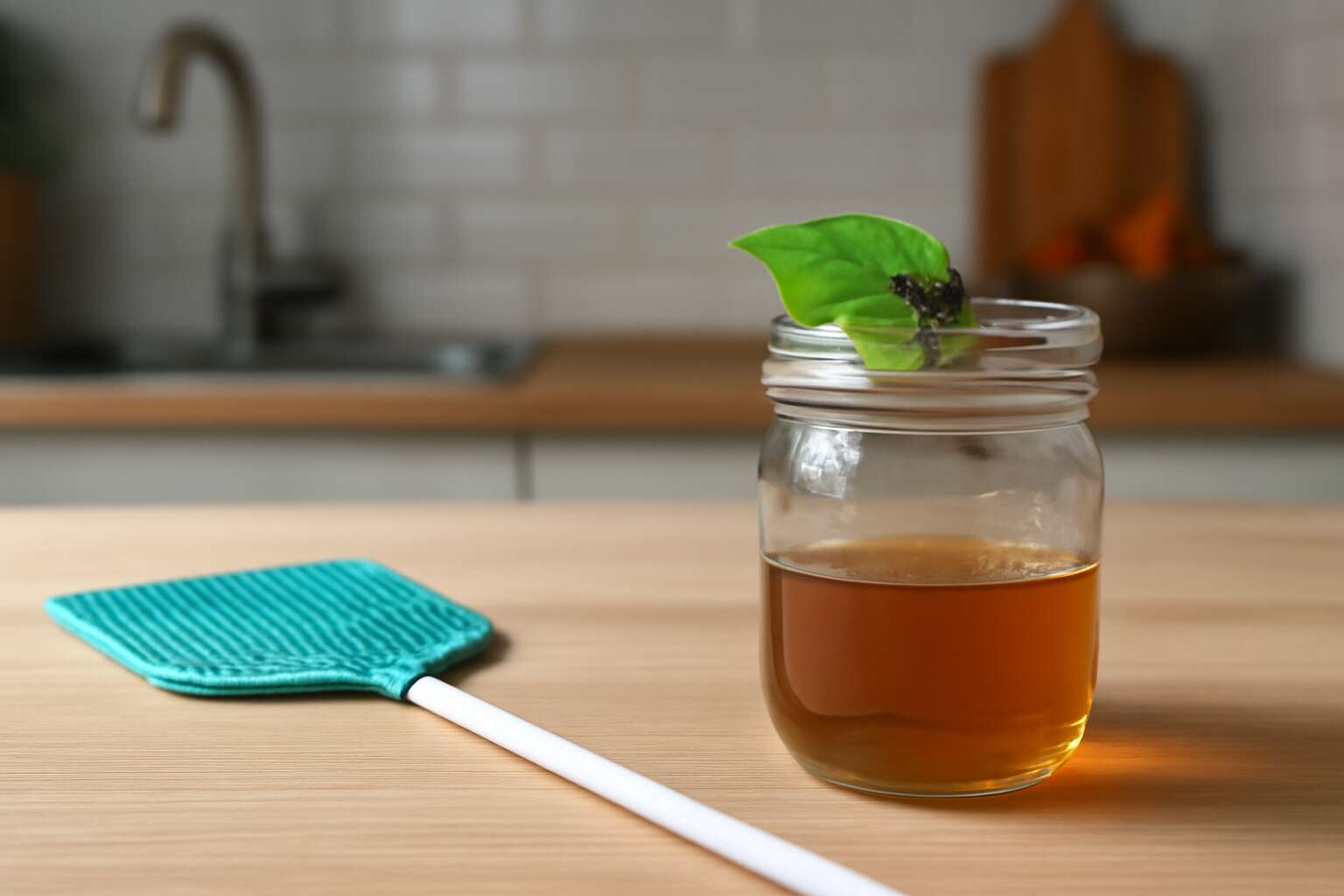
One simple method involves using apple cider vinegar. Flies are naturally attracted to the sweet, fermented scent. Pouring a small amount into a jar and adding a few drops of dish soap creates an irresistible trap. The soap breaks the surface tension, causing the flies to drown once they land. Similarly, sugar water or overripe fruit can serve as bait in DIY traps.
- Fill a bowl with apple cider vinegar
- Add a splash of dish soap
- Cover with plastic wrap and poke small holes
This setup allows the flies to enter but makes it difficult for them to escape. Placing these homemade traps near problem areas — such as trash bins or fruit bowls — enhances their effectiveness. Regularly refreshing the bait and cleaning the traps will keep your indoor environment fly-free naturally and efficiently.
Essential Oils – Repellent properties of citronella, eucalyptus, and lavender
Harnessing the potent aroma of essential oils can be a natural and enchanting way to learn how to get rid of house flies indoors. Citronella, eucalyptus, and lavender are renowned for their repellent properties, transforming your living space into a fragrant fortress against these unwelcome guests. Unlike chemical solutions, these oils offer a gentle yet effective barrier, warding off flies with their aromatic prowess.
Incorporating these oils into your routine can be as simple as diffusing a few drops in a diffuser or creating a spray to spritz near problem areas. For added efficacy, consider making a homemade repellent spray: combine 10 drops of citronella or eucalyptus oil with water in a spray bottle, shake well, and apply around windows, doors, and other entry points.
- Lavender oil’s soothing scent also deters flies while providing a calming aroma for your home.
- Mixing a few drops of eucalyptus with a carrier oil and applying it on curtains or window frames can act as a natural barrier.
By embracing these natural remedies, you not only protect your indoor environment from flies but also infuse your space with delightful scents that elevate everyday living. This approach offers a charming, toxin-free alternative to chemical repellents, making your quest for how to get rid of house flies indoors both effective and environmentally friendly.
Herbs and Plants – Indoor plants that repel flies, like basil and mint
Few things are more irritating than the persistent buzz of house flies invading your sanctuary. Interestingly, certain herbs and indoor plants can serve as natural barriers, making your home less inviting to these unwelcome guests. Basil and mint, with their aromatic leaves, not only add a refreshing scent but also work as effective fly repellents. Placing potted basil near kitchen windows or mint along entryways can deter flies from entering in the first place.
In addition to planting these herbs, consider creating a fragrant defence with easy-to-make DIY remedies. An herbal sachet filled with dried basil, mint, and lavender can be tucked into corners or hung near problem areas. These natural solutions are appealing because they combine beauty, scent, and function, helping you learn how to get rid of house flies indoors without resorting to chemicals.
- Position potted herbs on windowsills and near doorways to create a protective barrier.
- Use freshly picked herbs in homemade sprays, blending mint or basil leaves with water and a few drops of essential oil.
- Maintain a regular watering routine for your indoor plants to keep them healthy and vibrant, which in turn enhances their fly-repelling properties.
By integrating these fragrant plants and DIY remedies into your home, you can effectively diminish fly activity and enjoy a more serene, natural living environment. These methods are not only eco-friendly but also a delightful way to infuse your space with fresh, herbal aromas—making your quest for how to get rid of house flies indoors both charming and sustainable.
Chemical Solutions for House Fly Removal
Insecticidal Sprays – Choosing safe, effective, indoor-approved options
When it comes to exterminating those unwelcome winged guests, chemical solutions such as insecticidal sprays often top the list. But not all aerosols are created equal, especially when your aim is to understand how to get rid of house flies indoors safely and effectively. Opt for indoor-approved insecticidal sprays that are designed specifically for residential use—these are formulated to minimise health risks while targeting flies promptly.
Choosing the right product requires a discerning eye. Look for options that contain pyrethroids, which are known for their rapid knockdown effect on flies, yet are safe when used as directed. Remember, the key is moderation and precision—spray directly onto flying insects or into areas where flies congregate, but always read the label to ensure safe indoor application.
For those seeking a more systematic approach, consider incorporating an electric fly zapper. These devices offer a chemical-free alternative, attract flies with UV light, and dispatch them with an electrifying touch. When used judiciously, they can significantly reduce indoor fly populations without the need for harsh chemicals. Ultimately, the goal remains clear: to eradicate flies swiftly while maintaining a safe, chemical-conscious environment inside your home.
Insect Growth Regulators – Using products that interrupt fly breeding
In the eternal battle against the relentless swarm of house flies, chemical solutions such as insect growth regulators (IGRs) emerge as a sophisticated weapon. These products do not merely eliminate the current infestation but strike at the very root of fly proliferation. By disrupting the fly’s reproductive cycle, IGRs effectively prevent new generations from emerging, making them an invaluable tool in the quest on how to get rid of house flies indoors.
Unlike conventional insecticides, insect growth regulators act as silent sentinels, interfering with the development of larvae and pupae. They are particularly useful in environments where chemical safety is paramount, offering a targeted approach that safeguards human health while curbing the fly population. For optimal results, consider integrating IGRs into a broader pest management strategy, focusing on reducing attractants and maintaining impeccable sanitation.
Some innovative formulations incorporate active ingredients that inhibit the moulting process of immature flies, thereby halting their life cycle. These products are typically applied in areas prone to breeding, such as drains, trash areas, or compost sites. Remember, persistent application and a comprehensive approach are crucial for long-term success in controlling indoor fly populations and understanding how to get rid of house flies indoors with finesse and safety.
When to Seek Professional Pest Control
Persistent Infestations – Signs that require expert intervention
While a casual fly might be an unwelcome but manageable guest, persistent infestations demand a more urgent response. When flies refuse to be deterred despite diligent efforts, it’s a clear sign that professional pest control may be the only recourse. These stubborn invaders often indicate underlying issues—such as hidden breeding sites or substantial attractants—that require expert intervention.
Recognising when to seek professional pest control is crucial. Signs include a rapid increase in fly numbers, flies appearing in multiple rooms, or the inability to reduce populations despite rigorous cleaning and DIY traps. If you find yourself continually battling an influx of house flies indoors, it’s time to consult a pest control specialist. They can identify the root cause, whether it’s an inaccessible breeding site or a persistent attractant, and deploy targeted treatments that go beyond DIY methods.
In such cases, attempting to learn how to get rid of house flies indoors through amateur means may prove ineffective and frustrating. A pest control expert offers a comprehensive approach—detecting hidden breeding grounds, applying suitable insecticides, and advising on long-term preventative measures—that ensures your indoor space is truly fly-free. Persistent infestations are not just a nuisance but a sign that professional intervention is needed to restore your sanctuary from these unwelcome guests.
Choosing a Pest Control Service – What to look for in a reputable pest control provider
When the relentless swarm of house flies refuses to retreat despite your best DIY efforts, it’s time to consider professional pest control. Choosing a reputable pest control service can be the turning point in your battle against these unwelcome guests. But what should you look for in a provider to ensure they can effectively address your indoor fly problem?
A trustworthy pest control company will have a proven track record, transparent pricing, and utilise environmentally safe methods. Seek out specialists who offer a comprehensive inspection—identifying hidden breeding sites and evaluating attractants that might be invisible to the untrained eye. An expert team will also tailor their approach, ensuring long-term prevention rather than just temporary relief.
Look for a service that provides clear communication, detailed treatment plans, and guarantees their work. It’s essential to choose a pest control provider that understands the importance of safety and follows strict regulatory standards—especially when it comes to using insecticides indoors. After all, knowing how to get rid of house flies indoors isn’t just about quick fixes; it’s about restoring peace of mind in your living space.


0 Comments