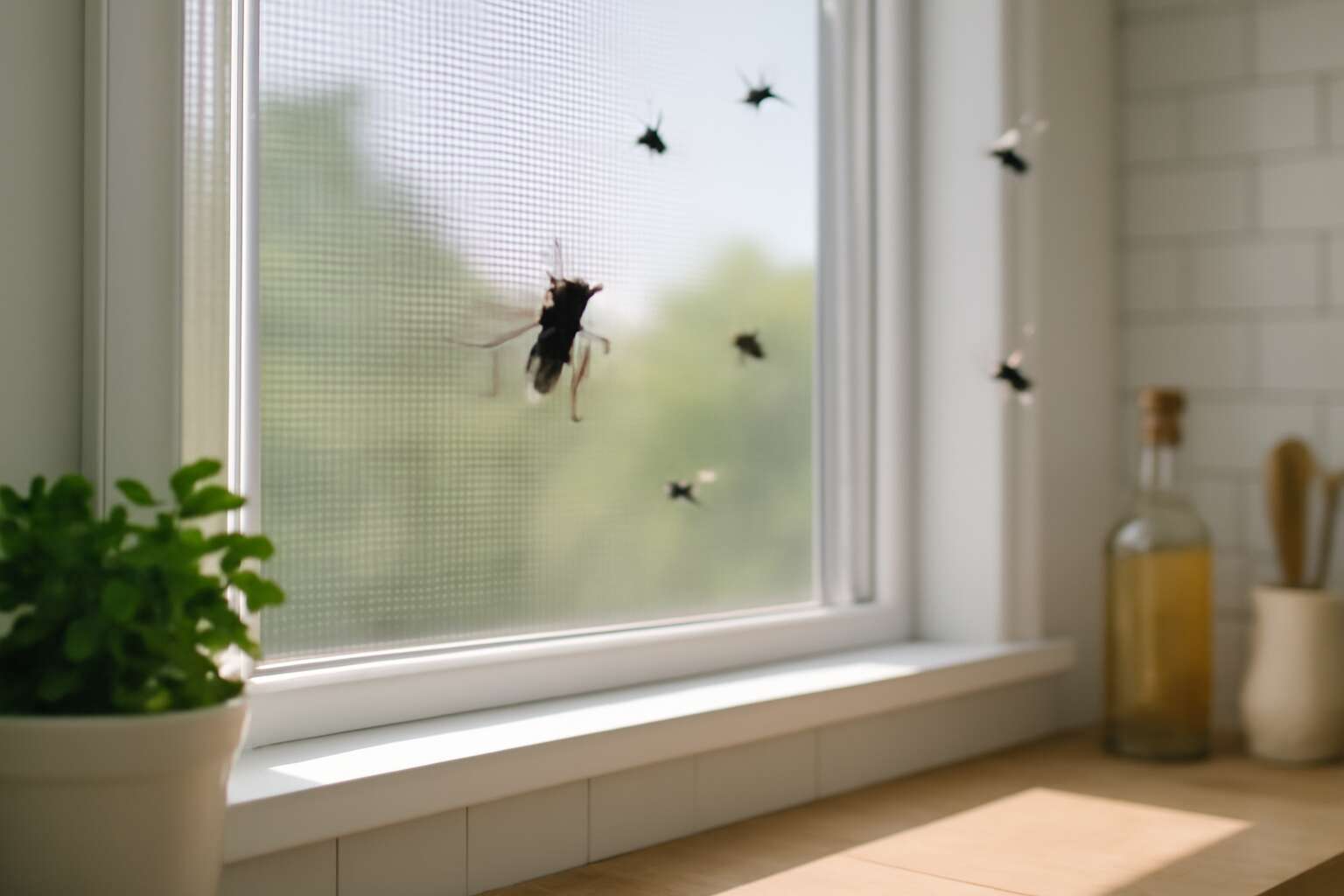
Understanding Flies and Their Habitats
Common Types of Flies Found at Home – Identify species like house flies, fruit flies, and drain flies
Flies are more than just a nuisance; they’re a persistent challenge that can turn a cosy home into a buzzing battleground. Did you know that certain species of flies thrive in the most unlikely corners of our homes? Understanding flies and their habitats is crucial for effective flies control at home. These insects are often drawn to specific environments, making targeted intervention a game changer.
Common types of flies found at home include house flies, fruit flies, and drain flies. Each species has distinctive habits and preferred habitats, which influence the best strategies for flies control at home. For instance, house flies are notorious for hovering around food and waste, while fruit flies are attracted to overripe fruit and sugary residues. Drain flies, often mistaken for tiny moths, breed in the damp, organic build-up inside drains and pipes. Recognising these species and their habitats makes it easier to implement precise and effective flies control at home, helping restore tranquillity and cleanliness.
Habitat Preferences and Breeding Sites – Typical areas where flies breed and thrive, e.g., garbage bins, drains, and decaying organic matter
Flies are masterful survivors, thriving in the secret corners of our homes where organic decay whispers its silent invitation. Their habitat preferences reveal a world of dampness, warmth, and hidden organic matter—places where their larvae find the perfect nursery. Understanding these breeding sites is essential for anyone committed to effective flies control at home. It’s not merely about swatting away insects but about disrupting their very sanctuary.
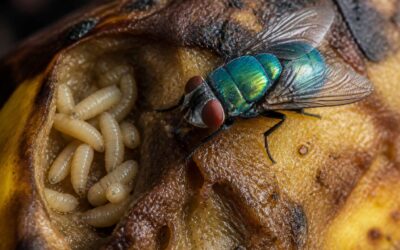
Typical breeding grounds include areas that are often overlooked but teeming with life-giving sustenance for flies. These include garbage bins overflowing with organic waste, clogged drains harbouring a microbial banquet, and decaying organic matter lurking behind appliances or in forgotten corners. Flies are drawn to these environments like magpies to shiny objects, laying eggs that hatch into the buzzing nuisances we dread.
Targeting these key habitats with keen attention transforms flies control at home from a futile struggle into a strategic endeavour. Recognising the subtle signs and understanding their preferred breeding sites empowers homeowners to banish these unwelcome guests more effectively. After all, curbing the cycle of infestation begins with knowing where flies thrive and how to keep their habitats under lock and key.
Preventive Measures for Flies Control
Maintain Cleanliness and Hygiene – Proper waste disposal, cleaning spills, and regular cleaning routines
In the quiet corners of our homes, tiny invaders often lurk, their presence unnoticed until suddenly, they become unavoidable guests. Flies control at home isn’t just about trapping or spraying; it’s about cultivating an environment that discourages their unwelcome visits from the outset. Maintaining impeccable cleanliness and hygiene acts as the invisible shield against these persistent pests.
Proper waste disposal is foundational to effective flies control at home. Ensure that rubbish bins are sealed tightly and emptied regularly, especially those holding organic waste which attracts flies like a magnet. Cleaning spills promptly and thoroughly removes enticing organic residues that serve as breeding grounds. Regular cleaning routines, focusing on kitchen surfaces, drains, and neglected corners, diminish the allure for flies to settle and reproduce.
To enhance these efforts, consider implementing a few strategic measures:
- Cover food containers securely to prevent attracting flies.
- Install mesh screens on windows and doors to block their entry points.
- Use natural deterrents like basil or lavender, which flies tend to avoid.
By weaving these practices into daily routines, you create an environment inhospitable to flies, making flies control at home not just a task but a seamless part of home upkeep’s enchanting rhythm.
Eliminate Breeding Grounds – Removing standing water, draining excess moisture, and cleaning drains
Flies are more than just a nuisance; they are a persistent threat to our health and comfort. One of the most effective ways to enhance flies control at home is by eliminating their breeding grounds. Standing water, even in small amounts, can become a magnet for these pests. A neglected plant saucer, a clogged gutter, or a forgotten bucket outside can all serve as perfect breeding sites for drain flies and fruit flies alike.
Drain flies, in particular, thrive in damp, organic-rich environments like clogged pipes and drains. Regularly cleaning and disinfecting these areas disrupts their lifecycle and reduces populations. For those seeking a straightforward approach, consider this:
- Remove any standing water around the home.
- Drain excess moisture from areas prone to dampness.
- Clean drains thoroughly using a mixture of baking soda and vinegar, followed by hot water.
By attentively draining excess moisture and keeping potential breeding sites tip-top, you create an inhospitable environment for flies. These simple yet vital steps are the backbone of effective flies control at home, transforming routine maintenance into a powerful defence against unwelcome invaders.
Limit Food Sources – Covering food, promptly disposing of organic waste, and managing compost bins
Every year, millions of flies invade homes worldwide, turning simple chores into battlegrounds. Their relentless presence is not just a nuisance but a potential health hazard, making effective flies control at home more crucial than ever. One often overlooked strategy involves limiting their food sources. Flies are highly attracted to organic waste and readily exploit any opportunity to feast on exposed food or decomposing matter.
To minimise their attraction, it’s essential to cover all food items securely. Using airtight containers prevents flies from sensing and accessing tempting morsels. Promptly disposing of organic waste, especially fruit and vegetable scraps, is equally vital. Flies can detect even tiny traces of fermenting material from considerable distances, so don’t let waste sit around for long. Managing compost bins properly—keeping them sealed and regularly emptied—further reduces the likelihood of attracting flies into your home.
- Seal all food containers tightly.
- Dispose of organic waste swiftly and hygienically.
- Maintain sealed and well-managed compost bins.
By diligently limiting these food sources, you cut off the sustenance that fuels fly populations. This simple yet powerful approach forms a cornerstone of effective flies control at home, transforming your space into a less inviting environment for these persistent pests. Remember, every small action counts when it comes to keeping your home free from unwanted visitors!
Effective DIY Flies Traps and Barriers
Homemade Traps – Using vinegar, wine, or sugar water in bottles and jars
Flies are more than a mere nuisance—they are carriers of unseen pathogens, lurking in the shadows of our domestic sanctuaries. Yet, amidst this silent threat, DIY flies traps and barriers emerge as potent allies in the fight for effective flies control at home. These homemade solutions harness simple ingredients like vinegar, wine, or sugar water—substances that attract flies with their alluring scent and trap them effortlessly.
Imagine a humble bottle with a mixture of apple cider vinegar and a few drops of dish soap; the flies are drawn in, only to be trapped and unable to escape. Alternatively, using a jar filled with wine or sweetened sugar water creates an irresistible lure. For added efficacy, creating a barrier with these traps alongside physical measures—such as netting over food or windows—can significantly curtail the influx of flies into your living space.
In the intricate dance of flies control at home, understanding their behavioural patterns is vital. Employing these DIY traps not only reduces their presence but also fosters a deeper awareness of the subtle forces that govern our environment—reminding us that sometimes, the simplest solutions are the most profound.
Physical Barriers – Installing screens on windows and doors to prevent entry
Effective flies control at home often hinges on simple yet strategic physical barriers. Installing window and door screens is one of the most straightforward methods to prevent flies from entering your living space. These barriers act as a frontline defence, creating a physical obstacle against unwelcome visitors without relying on chemical solutions.
By ensuring all entry points are sealed with fine mesh screens, you drastically reduce the chances of flies sneaking inside. It’s a cost-effective and environmentally friendly approach that complements other flies control at home strategies. For optimal results, check regularly for tears or gaps in the screens and repair them promptly.
In addition to screens, consider employing natural deterrents along thresholds or around vents. Combining physical barriers with homemade fly traps enhances the overall effectiveness of flies control at home. When flies are kept at bay, the entire household benefits from a cleaner, healthier environment—free from the nuisance and potential health risks these pests pose.
Repellents and Natural Deterrents – Utilizing essential oils like citronella, lemongrass, and eucalyptus
When it comes to flies control at home, DIY traps and natural repellents are the unsung heroes of pest management. Instead of relying solely on chemical sprays, harness the power of nature to keep those pesky intruders at bay. Homemade fly traps, such as jars filled with vinegar or sweet wine, lure flies with their irresistible scent, trapping them before they can spoil your peace. A simple yet effective method—just add a drop of dish soap to break the surface tension—ensures they can’t escape once caught.
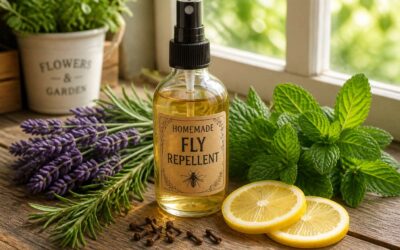
Natural deterrents, on the other hand, offer a fragrant shield that flies find thoroughly unappealing. Essential oils like citronella, lemongrass, and eucalyptus are renowned for their fly-repelling properties. Dab a few drops on cotton balls and place them along thresholds or in problem areas. These aromatic barriers act as a natural barrier, creating an environment that flies prefer to avoid.
- Citronella
- Lemongrass
- Eucalyptus
are all staples in the arsenal for effective flies control at home, transforming your living space into a fragrant fortress against unwelcome winged visitors.
But beware — these natural strategies work best when combined with good hygiene habits and proper waste management. When you master the art of employing DIY fly traps and natural repellents, you’re not just reducing the nuisance; you’re crafting a healthier, more harmonious home environment—free from the persistent buzz of uninvited guests.
Chemical Control Methods
Insecticides and Fly Sprays – Choosing safe and effective products
When it comes to flies control at home, selecting the right chemical control methods can make all the difference. Insecticides and fly sprays are often the frontline defence against these unwelcome guests, but choosing products that are both safe and effective is essential. Many commercial fly sprays contain pyrethroids, which act swiftly to incapacitate flies, yet their safety profile for family and pets must be carefully considered.
Opting for products with clear instructions and recognised safety standards ensures that your efforts do not inadvertently cause harm. Look for formulations suitable for indoor use, with minimal residual odour, to keep your living space pleasant. For those seeking a more targeted approach, insecticide aerosols designed for quick knockdown can be particularly effective. However, it’s wise to always ventilate the area thoroughly after application.
In addition, consider incorporating natural deterrents alongside chemical methods. Combining these strategies can amplify flies control at home, creating a safer, more harmonious environment. When selecting fly sprays, prioritise products that balance efficacy with safety, ensuring your home remains a sanctuary free from pests and chemicals alike.
Usage Tips and Precautions – Proper application and safety guidelines to protect household members
Effective flies control at home hinges not only on selecting potent insecticides but also on meticulous application and vigilant safety practices. When using chemical control methods, it’s vital to follow manufacturer instructions precisely—misapplication can diminish efficacy or pose health risks. Always wear protective gear, such as gloves and masks, to minimise exposure, especially when handling concentrated formulations.
To ensure household safety, it’s wise to establish a routine that includes thorough ventilation post-application. This step helps disperse any residual fumes and reduces the likelihood of inhalation hazards. For added precaution, opt for products with clear usage guidelines and recognised safety standards—these are designed to protect your family while effectively targeting flies.
- Apply insecticides during calm weather to prevent drift into unintended areas.
- Keep children and pets away from treated zones until the product has dried completely.
- Store chemicals in a secure, labelled cabinet, out of reach of curious little hands and paws.
Remember, combining chemical methods with natural deterrents can fortify your efforts in flies control at home—creating a safer, pest-free environment that respects both health and hygiene. Proper application, paired with vigilance, transforms pest control from a gamble into a strategic safeguard for your sanctuary.
Professional Flies Extermination Services
When to Hire Professionals – Signs indicating infestations are out of control
When the relentless swarm of flies begins to invade your sanctuary, it’s no longer a trivial nuisance — it’s a sign that the infestation has spiralled beyond simple deterrence. Recognising when professional flies extermination services are necessary can be the difference between a fleeting annoyance and a full-blown plague.
Signs that indicate infestations are out of control include an overwhelming presence of flies that seem to appear from nowhere, persistent buzzing that infiltrates your every moment, and a noticeable increase in breeding sites around your home. If these signs persist despite your best efforts at flies control at home, it’s time to summon the experts. Their specialised techniques and potent solutions can root out the source of the infestation and restore your home’s peace.
Remember, delay often exacerbates the problem, turning a manageable situation into an insidious invasion. When the flies refuse to be banished by homemade traps or physical barriers, professional intervention becomes not just advisable but essential.
Benefits of Professional Treatments – Guaranteed results and safety considerations
When flies take over your living space, it’s more than just a minor irritation—it’s a warning sign that your attempts at flies control at home might be falling short. Professional flies extermination services offer the precision and expertise needed to eradicate even the most stubborn infestations. Their treatments are designed to deliver guaranteed results, ensuring that these unwelcome guests are not just temporarily deterred but permanently eliminated.
Safety is paramount with professional fly removal. Experts use targeted methods that minimise risks to your household members and pets. This means effective removal without exposing your loved ones to harmful chemicals. Moreover, professional treatments often incorporate advanced techniques that reach hidden breeding sites inaccessible through typical DIY remedies. This comprehensive approach is what sets professional flies extermination apart from homemade traps and physical barriers.
In essence, investing in expert flies control at home isn’t just about banishing flies—it’s about restoring peace of mind. When the infestation’s scale surpasses your DIY efforts, calling in the professionals becomes an intelligent choice. Their specialised solutions guarantee the eradication of flies, ensuring your home remains a sanctuary, free from the persistent buzz of these unwelcome invaders.
Living in a Fly-Free Environment
Regular Maintenance Routine – Scheduled cleaning and inspection
Imagine a realm where your sanctuary remains impervious to the relentless invasion of pesky flies. Achieving a fly-free environment is no mere fantasy, but a testament to unwavering diligence and routine maintenance. Regular cleaning and inspection serve as the vigilant guardians of your domain, preventing the sinister resurgence of these unwelcome guests. A scheduled cleaning routine not only curtails breeding grounds but also weaves a protective barrier against future infestations.
In this enchanted quest for flies control at home, establishing a disciplined maintenance ritual becomes paramount. By systematically inspecting potential breeding sites—such as drains, bins, and decaying matter—you thwart the lifecycle of flies before it begins. Incorporating a simple yet effective
- daily waste disposal
- weekly drain cleaning
- monthly thorough sanitation
regimen transforms your household into an unassailable fortress against these winged nuisances. Such proactive measures elevate your home’s defence, ensuring that the magic of a fly-free environment endures.
Monitoring and Re-treatment – Using traps and preventive measures consistently
Living in a fly-free environment is not merely a matter of convenience but a testament to meticulous household stewardship. Flies are more than mere nuisances; they are vectors of disease, and their presence can compromise the sanctity of your living space. Consistently monitoring and re-treating your home with effective traps and preventive measures ensures an ongoing barrier against these persistent pests. The deployment of fly traps—whether sticky, UV light, or homemade solutions using vinegar or sugar water—serves as an early warning system, capturing unwelcome winged intruders before they multiply.
To maintain optimal flies control at home, regular inspection of potential breeding sites is vital. Areas like drains, compost bins, and decaying organic matter can become breeding hotspots if left unchecked. Employing a combination of physical barriers, such as fine mesh screens on windows and doors, alongside natural deterrents like citronella or eucalyptus oils, enhances your home’s defence. Incorporating these strategies into your routine transforms your residence into an almost impenetrable fortress, ensuring that the magic of a fly-free environment endures and that your household remains protected from the unwelcome resurgence of flies.

0 Comments