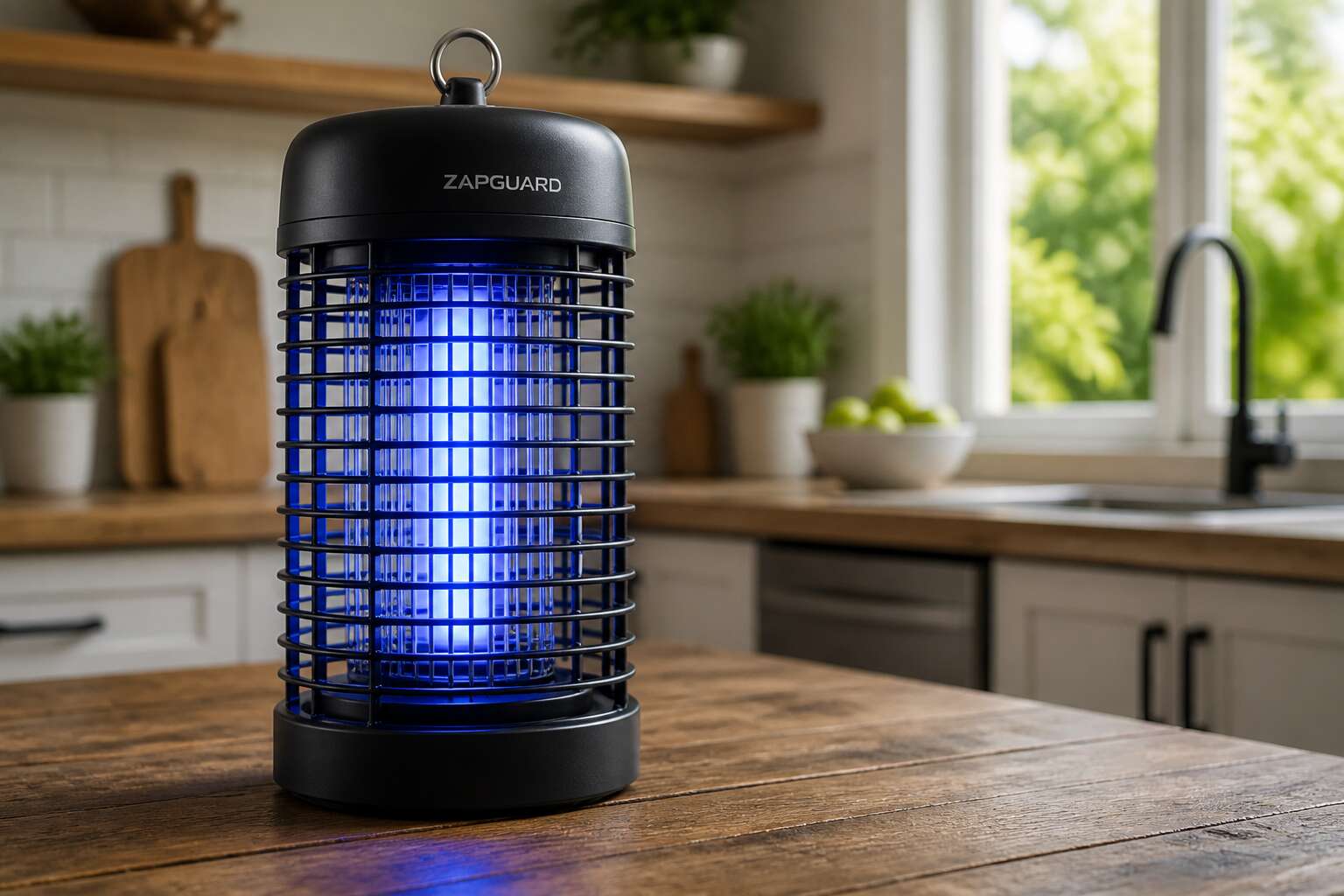
The Science Behind Electric Fly Zappers
Every summer, a single electric fly zapper can eliminate over 10,000 flying insects in one evening. That figure always surprises me. The science behind these devices is elegant: ultraviolet light lures flies and other pests toward a high-voltage grid. Once the insect makes contact, the circuit completes, delivering a lethal shock in milliseconds.
- Phototaxis is the instinctive movement toward light.
- The grid voltage ranges between 2,000 and 4,000 volts.
- The device uses no chemicals, so it’s safe for food prep areas.
What makes the flies killer electric device so effective is the wavelength of its UV light. It mimics natural sunlight, tricking the insect’s positive phototactic response. In South Africa’s humid climate, where blowflies breed rapidly in summer, these devices become essential. I have placed one on my own stoep, and it quietly does its job without any effort from me. The occasional crackle is a small reminder of its unseen work.
Different Designs of Electric Insect Terminators
Some households want a discreet sentinel that hums softly in the corner, while commercial kitchens demand a unit that can handle the relentless summer swarms. The design of your flies killer electric device dictates its effectiveness far more than the wattage. A sleek, tower-style model uses ultraviolet light to lure pests down into a tray, making cleanup a simple, daily task. Alternatively, a high-voltage grid model offers a more dramatic solution, producing a satisfying zap that signals the end of the line for any airborne intruder.
However, the placement strategy changes everything. For industrial spaces, you need a unit designed to be mounted high on the wall, away from food prep areas. These professional systems often use a glue board design to prevent debris from contaminating the environment.
Here is a quick look at the primary choices you will encounter:
- Standard UV bulb units, which cover a small radius and are best for bedrooms.
- Powerful electric grid wands, which are manual approaches best for patios.
- Industrial glue board machines, designed for continuous, silent operation.
Each style offers a distinct trade-off between visibility and power. Even the color of the housing matters, as darker units tend to blend into the industrial fixtures of a Cape Town warehouse. Ultimately, the physical layout of your space dictates the design you need. You wouldn’t use a handheld swatter when you require a permanent, defensive perimeter. Think of the device as furniture, not just a tool. The right flies killer electric unit should disappear into its environment while working tirelessly to keep it pristine.
Critical Buying Considerations for Electronic Fly Swatters
There is a particular satisfaction in watching a fly fold mid-air, silenced by a single zap. But choosing the right flies killer electric device demands more than impulse. The voltage matters. A weak grid merely annoys the insect, while a robust one delivers a definitive crack. You want that snap.
Consider the safety quotient as well. A dual-layer mesh prevents accidental shocks, especially if you are swatting near curious fingers. The handle grip is another quiet hero. A sweaty palm should not compromise your aim, and frankly, most cheap models fail this test.
- Battery life versus charge time: no one wants a dead racket mid-summer.
- Grid size: a larger surface catches more erratic flight paths.
- Build weight: too heavy, and your wrist tires; too light, and it feels flimsy.
I personally test the trigger response before anything else. A sluggish switch ruins the entire experience. Remember, a flies killer electric is only as good as its reach. In a South African summer, those buzzing invaders are relentless, so make your choice count.
Safety Protocols and Ongoing Upkeep
Installing a flies killer electric unit is only half the battle. The other half is keeping it functional and safe, especially during South African summers when insect activity peaks.
Safety starts with placement. Keep the unit away from combustible materials and out of reach of children. Regular upkeep means switching off the power before cleaning the grid. A soft brush works best. Never use water, as moisture can damage internal wiring.
Consider these maintenance checks:
- Inspect the UV tubes every six months for dimming or failure.
- Clear the catch tray weekly to prevent buildup.
- Verify the protective mesh remains intact.
A neglected flies killer electric device becomes a hazard. A well maintained unit operates quietly and efficiently, giving you peace of mind.
Electric Traps Versus Conventional Fly Management Systems
Every summer, the hum of flies in a Durban kitchen becomes a soundtrack of frustration. Conventional fly management systems, like sticky strips and aerosol sprays, have held the stage for decades. They work, but they demand constant vigilance. A single forgotten corner can undo a week of effort.
Electric traps change the equation entirely. A flies killer electric unit attracts pests with UV light, then dispatches them on a charged grid. It operates silently, around the clock, without filling the room with chemicals. Some models handle up to 80 square metres.
Here is what separates the two approaches:
1. Maintenance frequency (daily for sprays, weekly for electric grids).
2. Running cost over a season (sprays add up fast).
3. Environmental footprint (electric leaves no residue).
4. Consistency in high-breeze areas like patios.
None of this means conventional methods are obsolete. But South African homes, especially those near markets or farms, often find the electric route more forgiving.
Optimal Placement to Maximize Catch Rates
Most people mount their flies killer electric device on the nearest wall and call it done. That is a mistake. The unit’s range, the room’s airflow, and the location of food sources all determine whether you catch the swarm or merely annoy it.
I have seen kitchens where the device sits behind a curtain. I have seen verandas where it hangs directly in afternoon sun. Both fail! Flies follow convection currents and human activity, not static corners.
Consider these placement principles:
- Keep the unit at least 1.5 metres from competing light sources.
- Position it near entry points, not deep inside the room.
- Allow clear air circulation around the device itself.
Placement matters more than wattage. A flies killer electric unit in the wrong spot will disappoint you every time.



0 Comments