Flowering in Venus Flytraps: Purpose, Pollination, and Cultivation
The biological purpose of flowering in Venus flytraps
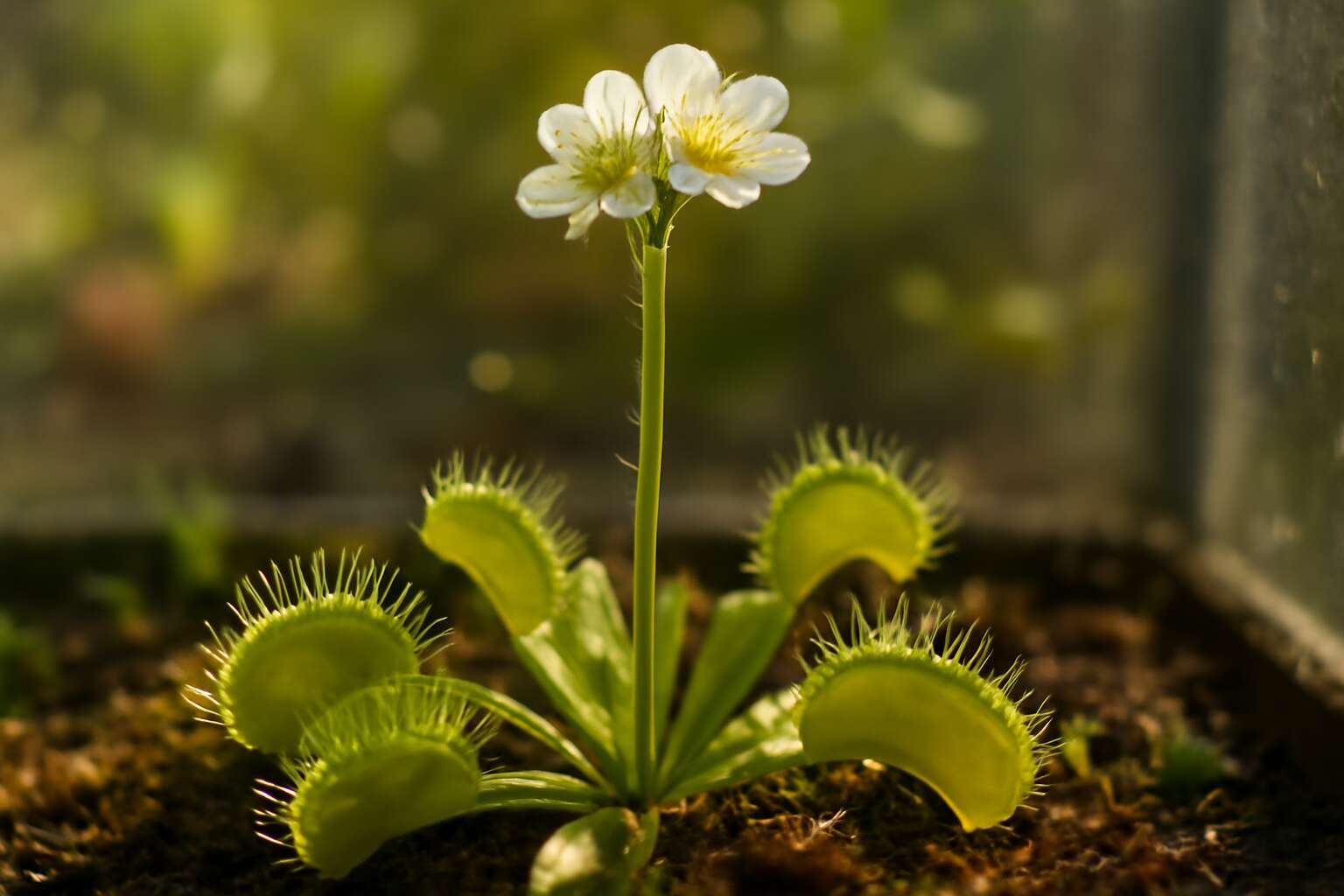
On South African balconies and sunlit conservatories, Venus flytraps greet the day with an unexpected flourish: a tall, elegant flowering stalk! In cultivation, roughly one in five mature plants will lift its head to bloom in a season, elevating the plant’s silhouette from curiosity to sculpture.
This is the heart of why do venus fly traps have flowers: flowering signals reproduction. By producing seeds, the plant secures genetic diversity and continuity, a quiet testament to resilience when prey capture shifts with seasons and drought.
- Bees, hoverflies, and native flies are common pollinators
- Flowers rise on a tall spike to stay clear of the snapping traps
- Seed production follows successful pollination, ensuring new plants
Keep flowering plants in generous light and steady humidity, and let the stalk complete its graceful arc before guiding the next season’s growth.
How Venus flytraps attract pollinators and manage prey
On South African balconies bathed in glare, the Venus flytrap unfurls a flowering overture. The question why do venus fly traps have flowers is more than trivia; it is a statement that life seeds itself while hunger tightens its grip.
Spikes rise above the traps, lifting blossoms where pollinators glance and linger. Bees, hoverflies, and native flies test nectar while the leaves guard the prey—an elegant balance of appetite and renewal.
Cultivation in South Africa rewards generous light and steady humidity, guiding the stalk through its arc. Let bloom complete its curve before redirecting energy to the next season, and you’ll invite a more resilient, enduring display.
Flower structure and lifecycle: bud to seed
On sunny South African balconies, a Venus flytrap rises beyond its traps with a flowering stalk. why do venus fly traps have flowers? This bloom is more than decoration; it marks a balance between appetite and life!
Flower structure is simple: a tall stalk bearing a slender, five-petalled bloom that sways above the traps. From bud to full bloom, then petals fade and a seed capsule forms, ready to carry the plant’s line into the next season.
- Bud formation
- Full bloom
- Pollination by insects
- Seed capsule ripening
In many settings, the stalk reaches its arc with seasonal warmth. Pollination relies on bees and flies—a tiny dance of life! The traps rest below, waiting for their cue.
Environmental triggers and seasonal timing for flowering
On sunlit balconies along South Africa’s coast, a Venus flytrap lifts a flowering stalk above its traps. So, why do venus fly traps have flowers? The bloom is a quiet oath to the next season, a sign that life continues beyond the hunt.
Its purpose is seed birth and genetic renewal. Bees and flies sample the five-petaled bloom, while the traps below quietly wait their cue. After pollination, petals wither and a seed capsule ripens, carrying the plant’s lineage forward.
Cultivation triggers and timing hinge on light, warmth, and moisture.
- Rising photoperiod and daytime warmth
- Moderate moisture and well-draining substrate
- A gentle warm-up after a cooler spell
In SA gardens, this often unfolds from late spring to early summer.
Care, propagation, and practical tips to support flowering
On SA balconies, a Venus flytrap lifts a flowering stalk in the sun—a quiet oath to renewal. why do venus fly traps have flowers? The bloom signals seed birth and genetic renewal rather than an idle ornament.
Pollinators sample the five petals while the traps wait their cue; after pollination, petals fade and a seed capsule matures, carrying the lineage forward.
Cultivation care hinges on light, warmth, and moisture. Rising photoperiod and daytime warmth, moderate moisture and well-draining substrate, a gentle warm-up after a cooler spell—these are the broad conditions that nurture flowering in SA gardens.
- Bright, indirect sun during the growing season
- Even, moderate moisture with good drainage
- Protection from sudden cold snaps
Common questions about Venus flytrap flowers and breeding
On SA balconies, a Venus flytrap lifts a flowering stalk toward the sun, a quiet oath to renewal. The bloom isn’t idle ornament; it births seeds and renews the plant’s lineage, a living bet on tomorrow. Each blossom glows with promise amid peat and warm air.
Pollinators sample the petals as the blooms keep their distance from the traps, preserving the hunt for prey. This begs the question why do venus fly traps have flowers. After pollination, petals fade and a seed capsule forms, carrying the lineage forward.
- Pollinators visit without triggering the traps
- Flowering aligns with warm SA days
- Seed capsules mature in moist, well-drained soil
Cultivation for flowering is shaped by light, warmth, and moisture, described in the plant’s own terms. In SA, blooms often align with bright, indirect sun during the growing season, a medium, well-draining substrate, and protection from sudden cold snaps.


0 Comments