Understanding the biology of flies and meat contamination
Fly life cycle and egg laying
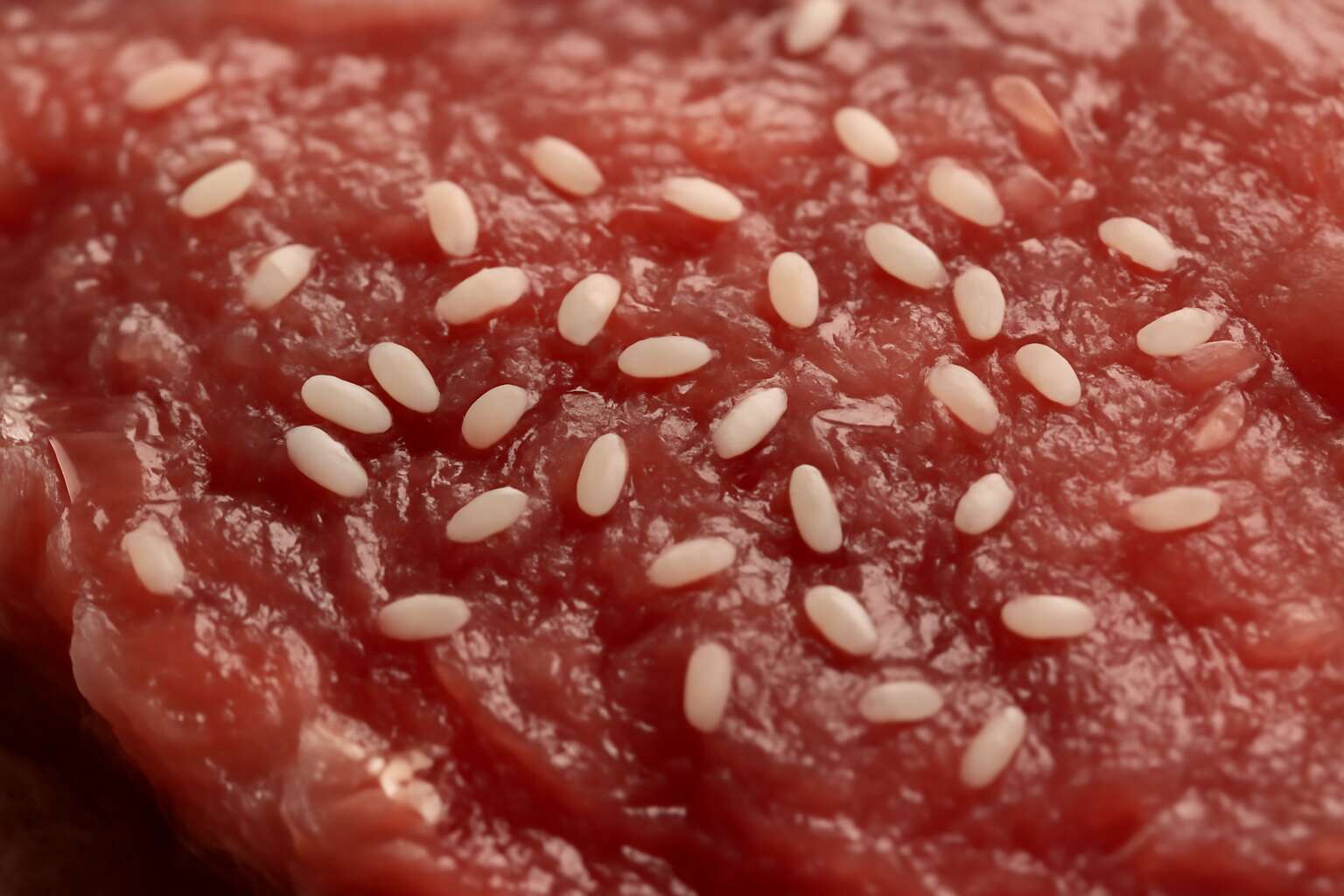
In the quiet hours of a South African kitchen, a single female fly can lay up to 500 eggs in one batch, turning the scene from mundane to macabre. The unsettling image of flies eggs on meat crawls across the cutting board, a reminder that contamination begins long before you notice it. Shadows linger where decay and appetite meet.
Understanding the biology helps illuminate how quickly this drama unfolds.
- Egg-laying: females deposit eggs on meat surfaces; eggs hatch fast when warmth is right.
- Larval stage: maggots feed and grow, secreting enzymes that hasten spoilage.
- Adult stage: mature flies continue the cycle, seeking new hosts to contaminate.
In the South African context, this cycle underscores why meat safety relies on vigilance and awareness.
Egg viability and hatching conditions
South Africa’s warm kitchens cradle a quiet, relentless statistic: a single batch of eggs can spawn hundreds of offspring in hours. That phrase—flies eggs on meat—haunts the cutting board, a brutal reminder that contamination begins long before you notice.
Understanding egg viability and hatching conditions reveals the tempo of this unseen drama. Eggs on meat survive in fragile microclimates where warmth and moisture sustain life and desiccation erodes it.
- Warmth and humidity support development
- Desiccation and dry surfaces suppress viability
- Direct exposure to air currents and light can slow progression
These nuances matter to professionals who map spoilage dynamics and read the quiet signs of contamination without sensationalism.
How meat attracts flies and influences egg deposition
In a sun-warmed South African kitchen, a single scent can spark a hidden clock—flies eggs on meat. In my years of kitchen audits, I’ve watched that clock tick relentlessly, translating warmth and opportunity into a fast-growing problem.
Meat emits a volatile bouquet—ammonia, short-chain amines, and fatty acids—that acts as a beacon for flies. When conditions offer warmth and moisture, eggs are deposited on meat surfaces with quiet precision, and hatching readiness follows faster than most people anticipate.
Several cues shape deposition patterns:
- Odor cues from protein breakdown and fermentation
- Surface moisture and ambient temperature
- Availability and openness of the meat surface
- Proximity to light and airflow
Environmental factors that affect contamination risk
Sun-warmed kitchens across South Africa hide a tiny clock that never stops: flies eggs on meat—an eerie refrain that surfaces when warmth lingers on protein-rich surfaces. In the quiet hours, that clock translates daylight into a burgeoning, unseen chapter of contamination.
Understanding the biology reveals how these invaders exploit chemical whispers and moist microclimates. Flies are drawn by volatile aromas from protein breakdown, while porous surfaces and gentle drafts create welcome harbours where eggs can cling and hatch with surprising speed.
- Microclimates where warmth meets moisture
- Proteolytic aromas guiding eggs
- Moisture pockets and ambient warmth
- Surface openness to air and light
These forces sketch the geography of risk, where biology and environment mingle in a swift, almost magical transformation.
Health risks and food safety implications
Common illnesses associated with fly contamination
In warm climates like South Africa, a single fly can contaminate meat in minutes. The phrase ‘flies eggs on meat’ captures a stark reality: contamination can begin the moment a fly touches meat, especially in bustling kitchens and markets. In a tiny fly’s world, invisible guests hitch a ride, turning ordinary fare into a cautionary tale of exposure.
Health risks from fly contamination extend beyond a sour taste. Flies carry pathogens on their bodies and in their guts, enabling rapid transfer to meat surfaces. This elevates the risk of foodborne illness, especially in settings where meat lingers in warm, open environments.
- Salmonellosis
- Campylobacteriosis
- Listeriosis
For South Africa’s kitchens and outlets, the implications span consumer trust, regulatory scrutiny, and the broader costs of compromised safety. Understanding these risks helps frame why vigilance matters in every step of meat handling and serving.
Allergic reactions and toxin exposure from larvae
“One careless touch can topple a feast,” notes a veteran butcher. In bustling South African kitchens, flies eggs on meat can begin contamination the moment a wing brushes the surface. The danger isn’t merely a sour note; it’s a swift, unseen procession of pathogens that hitchhike on surfaces and linger in warm rooms.
- Allergic reactions to larval proteins can affect kitchen staff and diners.
- Toxin exposure from larval metabolites in warm meat can provoke symptoms even after cooking begins.
- Secondary bacterial contamination associated with maggot activity elevates illness risk on the plate.
Sanctuaries of safety in South Africa’s food service hinge on awareness that such risks matter beyond taste—trust, regulation, and the cost of safety breach all rise when contamination shadows the counter.
Risk groups and severity considerations
In South Africa’s busy kitchens, a whisper of wings can become a health alert. flies eggs on meat are not just a nuisance; they trigger a risk cascade from surface to service. Allergic reactions to incidental larval proteins can strike staff and diners, while toxin metabolites and surface pathogens linger in warm rooms long after the grill cools. It’s real, tangible risk that can topple a service in minutes.
- Vulnerable diners (elderly, pregnant, immunocompromised)
- Frontline kitchen staff handling meat daily
- Small eateries and street vendors with limited facilities
- Large caterers and institutions under regulatory scrutiny
Severity hinges on temperature control and host status; outcomes span mild GI upset to serious illness and costly recalls. The reminder echoes: flies eggs on meat can escalate risk if temperature control slips. Health safety implications linger in audits, insurance, and brand trust.
Prevention strategies for homes and businesses
Sanitation and waste management practices
In South Africa’s warm kitchens and bustling eateries, a single lapse can ripple through a season. A telling farmer’s gaze at dusk reminds us that flies eggs on meat can become a hidden burden in minutes, turning meals into worries. “Cleanliness feeds the family, not the flies,” is a motto whispered in small towns and city corners alike.
Prevention strategies for homes and businesses rely on steady stewardship: sanitation and waste management practices that reduce attractants, keep spaces clear, and limit breeding sites. When order returns to rooms and storage, the risk of contamination eases, and everyday life resumes its rightful rhythm.
Within prevention, consider these broad anchors:
- Sanitation standards guiding routine cleaning and maintenance
- Contained waste management and prompt, proper disposal
- Staff training and ongoing facility oversight
These measures foster safe, dignified spaces for households and enterprises across the country.
Physical barriers and exclusion methods
In busy South African kitchens, a single crack can invite trouble. “flies eggs on meat” should never be treated as inevitable—it’s a signal to act. Prevention through physical barriers and exclusion methods helps homes and small businesses stay clean and reduce contamination risk. When doors and windows aren’t sealed and spaces aren’t kept tight, opportunities multiply and meals can suffer.
- Mesh screens on doors and windows to deter entry
- Automatic door closers and weather-stripping to seal gaps
- Secure, lidded waste containers and dedicated fly-proof bins
- Tight-fitting lids on storage containers and meat displays
When these barriers hold, the risk declines and everyday routines resume.
Fly control methods including traps and repellents
A single fly in a bustling kitchen can spark a chain reaction that disrupts service and taints perception. Spotting flies eggs on meat is not an omen; it’s a signal to intervene. Prevention strategies for homes and small businesses hinge on intelligent fly control methods that curb access and reduce attractants. Traps and repellents sit alongside solid sanitation routines, offering a humane, effective shield. The aim is steady, unobtrusive control—keep worktops pristine, doors closed, and the flow of meals uninterrupted.
Consider these non-intrusive options to maintain order in high-traffic spaces:
- Traps and baits as components of integrated pest management
- Repellents approved for use in food-adjacent spaces
- Waste containment that reduces attractants
- Airflow design to reduce lingering activity
Cleaning and sanitation schedules to prevent infestation
In bustling South African kitchens, a single lapse can spark a pest symphony. Audits show sanitation gaps drive up to 60% of service interruptions, turning a routine dinner rush into a haunting chorus. Spotting flies eggs on meat is a stark signal to intervene—fast, deliberate action is the difference between order and disruption.
Prevention rests on disciplined cleaning and sanitation schedules that curb access and remove attractants. When waste is contained and airflow moves, the environment becomes inhospitable to opportunistic invaders, keeping high-traffic spaces calm and productive.
- Integrated sanitation discipline
- Waste containment reducing attractants
- Airflow design to reduce lingering activity
In practice, this approach feels like a quiet ritual—steady, unobtrusive, and effective—preserving the integrity of meat handling and service during peak hours.
Monitoring and inspection routines
In bustling kitchens and busy homes across South Africa, a single lapse can turn routine service into a pest chorus. The quiet culprit to watch: flies eggs on meat, lingering at the margins where waste and warmth invite trouble.
- Regular visual checks for signs of activity and unexpected residues
- Consistent waste containment and sealed disposal areas
- Periodic audits and staff awareness to flag anomalies
Monitoring and inspection routines translate vigilance into peace of mind.
That quiet discipline guards meat handling, preserving quality and confidence in service.
Pest management partnerships and professional services
In bustling South African kitchens, up to 60% of pest complaints begin with unseen activity, a whisper of flies eggs on meat lurking where warmth and waste mingle.
Prevention rests on pest management partnerships and professional services that translate local conditions into rigorous, non-disruptive protection. These collaborations deliver diagnostics, tailored surveillance, and compliance-driven planning, keeping operations steady and customers confident.
- Surveillance and diagnostics
- Integrated pest management planning
- Staff training and audits
The right alliance makes vigilance a quiet, enduring assurance.
Handling, storage, and disposal best practices
Immediate steps if contamination is suspected
Meat handling isn’t just about freshness; it’s about control. Handling, storage, and disposal best practices are the quiet, practical guardrails that keep kitchens safe and compliant. When you think about flies eggs on meat, the plan becomes straightforward and doable in any SA operation.
Handle suspect portions with care: quarantine in a sealed container, separate from other foods, and label clearly. Store at 0–4°C and keep raw meat away from ready-to-eat items. Disposal follows local regulations, with prompt cleaning after transfer.
- Quarantine suspect product in a sealed, labeled container
- Document batch and date for traceability
Immediate steps if contamination is suspected: isolate the batch, halt handling, notify QA, and arrange disposal according to SA guidelines. Then sanitize the area before resuming operations to prevent recontamination.
- Isolate the batch
- Stop handling and seal the area
- Notify QA and supervisor
Safe storage temperatures and meat handling tips
Handling meat isn’t merely a test of freshness; it’s a discipline of respect. The issue—the flies eggs on meat—reminds us that accuracy in storage and care in handling shape outcomes as surely as temperature does. Keeping the cold chain steady at 0–4°C dramatizes the difference between routine safety and compromised product, especially in South Africa’s bustling kitchens where demand never sleeps. Gentle, deliberate practices keep staff vigilant and products lawful for sale.
We can anchor risk with simple, non-invasive principles:
- cold chain integrity maintained through consistent cooling
- clear labeling and traceability to support recalls
- awareness of cross-contact to protect ready-to-eat items
These choices become quiet sentinels for safety and compliance in SA operations.
Food safety dating, reduction of waste, and rotation
South Africa’s bustling kitchens juggle heat and haste; yet up to 25% of perishable losses are traced to storage lapses when the cold chain frays. Handling meat becomes a disciplined art, a quiet spell of restraint that keeps shelves bright and fates favorable.
Food safety dating anchors decisions, guiding when to move, rotate, and dispose. By labeling dates and tracing origins, waste slides away like dust; rotation keeps older stock in front, newer in back, and disposal rituals find homes where spoilage won’t linger.
Still, the unseen border between etiquette and accident is delicate: flies eggs on meat hover at the edge of the cutting board, reminding us that every margin matters, every container sealed, every label legible. In this rhythm, care becomes a language of trust.
Disposal of contaminated products and sanitation after disposal
In South Africa, kitchens hum with summer heat and careful hands; yet up to 25% of perishable loss comes from storage lapses. Handling, storage, and disposal are not chores but a quiet pact with safety that keeps meat bright and trustworthy!
Disposal of contaminated products and sanitation after disposal demand discipline: bagged, sealed, and out of reach, then cleaned with a proper sanitizer. Knowing flies eggs on meat can hatch quickly, we lean on boundaries and traceable waste streams.
- Contaminated items are kept in sealed bags, away from contact surfaces
- They remain separate from clean meat until waste collection
- Surfaces and tools receive sanitizing treatments after disposal



0 Comments