Oviposition basics for food safety and hygiene
Key indicators of fly activity around food sources
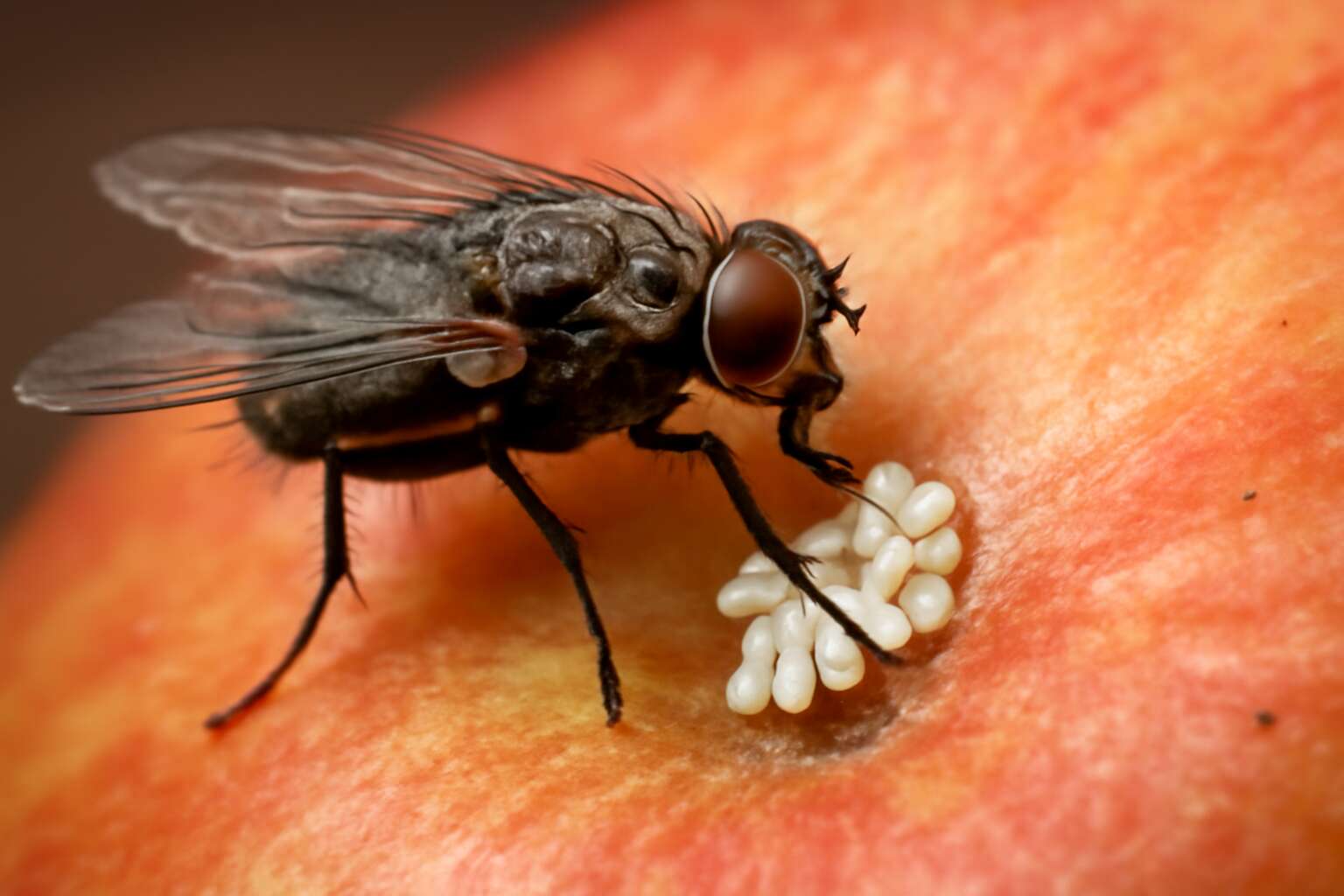
A single female fly can lay up to 500 eggs in her short life—turning a momentary lapse around food into a looming problem! I’ve seen how flies lay eggs on food, and it reveals why hygiene matters in South Africa’s kitchens. Oviposition happens fast, with tiny eggs that thrive on warmth and moisture.
Oviposition basics show contamination can begin before you spot maggots. Flies pick moist, nutrient-rich surfaces—rotting fruit, damp cloths, exposed leftovers—and deposit eggs in places invisible to the eye.
Key indicators of fly activity around food sources include persistent movement near surfaces, subtle specks on produce, and a sour aroma lingering near prep zones.
- Persistent movement near surfaces
- Small white specks on produce or packaging
- Frequent fluttering around bins or drains
These signals anchor our understanding of the process, offering a snapshot of risk in everyday meals.
Why flies lay eggs on decaying and exposed food
In kitchens where meals are forged into memories, a single egg can spark a chain of concern—a hidden prologue to a larger risk. This is how flies lay eggs on food. Tiny, pearl-white clusters settle in the margins of damp fruit and quiet corners, waiting for warmth to awaken their world.
These eggs are microscopic, often laid in groups on moist, nutrient-rich surfaces. In warm, humid conditions they hatch swiftly, launching a new phase of contamination that can slip past notice until the next stage reveals itself.
Oviposition basics reveal an architectural side of food safety: the eggs’ affinity for moisture, their swift development, and the invisible spark that moves from surface to plate.
- Tiny, invisible eggs
- Favor warm, humid microenvironments
- Rapid hatch times when conditions prevail
Understanding this subtle biography helps South Africa’s kitchens appreciate the balance between cleanliness and the unseen theatre around food.
Egg development: from egg to larva on food surfaces
In South Africa’s kitchens, a single fly can lay up to 500 eggs in its brief life, turning a quiet night into a theater of risk. This is a look at oviposition basics for food safety.
Eggs are microscopic, pearl-white specks clinging to damp fruit margins and other moist surfaces. In warm, humid corners they hatch swiftly, birthing larvae that feed on sugars and proteins.
- Tiny, invisible eggs
- Favor warm, humid microenvironments
- Rapid hatch times when conditions prevail
Egg development: from egg to larva on food surfaces happens quickly when warmth lingers. Understanding how flies lay eggs on food helps explain the quiet lifecycle unfolding on a countertop.
In South African kitchens, the balance between cleanliness and the unseen theatre around food becomes a daily lesson.
Common food types favored by ovipositing flies
In South Africa’s kitchens, a single fly can cue a theater of risk—up to 500 eggs in a fleeting life. Understanding how flies lay eggs on food unravels a quiet lifecycle that thrives on warmth and moisture. This is the lens of how flies lay eggs on food.
- ripe fruit and damp margins on shelves and fruit bowls
- soft cheeses and dairy leftovers tucked beside containers
- cooked meats, seafood, and grain dishes that linger on surfaces
These microenvironments—soft textures, lingering sugars, and humidity in corners—beckon a brief, swift metamorphosis from egg to larva, turning kitchens into stages for life and vulnerability!
Species and behavior: identifying fly groups that affect food
Species profiles: houseflies, fruit flies, blowflies, and gnats
South African kitchens feel the warmth of season; a single female fruit fly can lay hundreds of eggs, turning ripe fruit into life incubators. Understanding how flies lay eggs on food helps explain why surfaces become breeding grounds when overlooked.
Here are the main groups most likely to influence food.
- Houseflies: sturdy, quick breeders drawn to leftovers and waste.
- Fruit flies: tiny, flocking to fermenting fruit and sugary residues.
- Blowflies: metallic-hued, targeting carrion; they lay eggs on scraps near food prep.
- Gnats: slender and nimble, thriving in damp organic matter near sinks.
These profiles reveal why kitchens in SA swing between quiet and crowded with activity; this is the essence of how flies lay eggs on food, shaping kitchen ecology.
Behavioral cues that trigger oviposition on food
In South African kitchens, the tiniest visitors can rewrite a day’s rhythm. The phrase how flies lay eggs on food becomes a practical lens into a countertop ecology, where ripening fruit can turn into a quick incubator.
Behavioral cues that trigger oviposition depend on species, environment, and opportunity. Consider these signals that drive a fly to choose a food source:
- Fermenting fruit aromas and sugary residues
- Warmth and moisture around exposed surfaces
- Uncovered meals or damp cloths near prep zones
- Nearby drains and organic matter that stay moist
Houseflies, fruit flies, blowflies, and gnats bring distinct appetites to the kitchen. Houseflies are sturdy, quick breeders drawn to leftovers; fruit flies flock to fermenting fruit; blowflies probe scraps near prep areas; gnats skim damp zones. Observing these tendencies explains when and where food sources become battlegrounds in SA homes!
Lifecycle timing: how long eggs hatch on food
In South Africa’s kitchens, a single female fly can lay up to 500 eggs in her brief life, rewriting a day with a flutter of possibility and peril. That quiet arithmetic of life turns fruit and exposed meals into a shadowed cradle where beginnings quietly begin.
Species and behavior: identifying fly groups that affect food. From sturdy houseflies to gnats, each carries a distinct appetite. This natural drama asks: how flies lay eggs on food.
- Houseflies: sturdy scavengers drawn to leftovers and damp surfaces
- Fruit flies: tiny gourmets chasing fermenting fruit and sugary residues
Lifecycle timing reveals that eggs hatch into larvae within roughly 12 to 24 hours in warm kitchens; cooler days stretch that window to 24 to 48 hours, as heat and moisture guide life’s clock along the countertop.
Egg-laying patterns on different food types (fruit, meat, dairy, grains)
In South Africa’s kitchens, a stray sweetness can birth a quiet chorus of wings. A single female fly can lay up to 500 eggs, revealing the hidden economy of appetite. Distinct groups circle meals with different desires, turning ordinary countertops into brief stages for tiny dramas.
Species and behavior: identifying fly groups that affect food.
- Fruit-oriented types gravitate to fermenting fruit, juice spills, and sugary residues.
- Protein scavengers linger on meat, damp surfaces, and exposed organs.
- Grain- and starch-loving visitors seek stored cereals and crumbs.
- Dairy-associated forms linger on milk, curdled products, and dairy dressings.
Egg-laying patterns on different food types unfold with warmth and humidity, guiding where eggs cluster on rims, lids, and exposed surfaces. A fragile lifeline kicks off on contact, shimmering briefly on the edge of our meals.
Environment and food types that attract flies
Environmental factors influencing egg-laying: temperature, humidity, light
South Africa’s sun can be merciless, but it also cues a quiet, creeping rush around pantry edges. In the right heat, how flies lay eggs on food becomes less a mystery and more a signal—an invisible spark that turns ordinary scraps into a hatchery. When scent, warmth, and light align, eggs take their first breath.
- Temperature spikes and warmth
- Humidity and damp surfaces
- Light cycles and visibility
Beyond temperature, certain foods invite eggs; overripe fruit, exposed meat, dairy left out, and scattered grains become magnets for tiny watchers. The stage is set by heat, moisture, and light, so the line between kitchen and hatchery blurs, and danger lurks in plain sight.
Food types and textures that attract flies: fruit, meat, dairy, grains
Across South Africa’s sunlit kitchens, a single creature can spark a mini drama—hundreds of eggs in days, turning a speck of fruit into a hatchery. This is how flies lay eggs on food.
Environment plays conductor: warm rooms, scented sugars, and damp corners where surfaces glisten. When warmth and scent mingle, a hungry microcosm moves with patient precision, guiding tiny oviposition toward soft, inviting targets.
- Fruit: ripe, mushy, or overripe varieties with exposed sugars
- Meat: open cuts or exposed flesh that release savory aromas
- Dairy: milk, yogurt, or cheese left unrefrigerated
- Grains: spilled cereal, damp crumbs, or floury textures
Textures that invite attention are those that hold moisture or sweetness, creating a cradle for eggs to hatch into a hidden swarm beneath the kitchen’s gaze.
Seasonal patterns of fly oviposition around kitchens and markets
A single female housefly can lay up to 500 eggs in her short life, turning a speck of fruit into a hatchery in hours! Environment acts as the conductor: warm rooms, scented sugars, damp corners where surfaces glisten. When warmth and scent mingle, a patient microcosm moves with precision, guiding tiny oviposition toward soft, inviting targets. Understanding how flies lay eggs on food helps explain why sunlit South African kitchens become hot spots for hatcheries in minutes.
Seasonal patterns of fly oviposition around kitchens and markets mirror the country’s rhythms. Here are key moments to watch in South Africa:
- Late spring and early summer, when fruit ripens and spills sweetness into waste bins and crates.
- Warm, humid afternoons in kitchens and storerooms that extend activity and keep surfaces damp.
- Harvest-time market flows and post-harvest handling that create transient hot spots around stalls and bags.
Cleanliness and containment strategies to minimize egg deposition
Across South Africa’s kitchens and markets, an unseen conductor wields warmth and aroma to coax life from a speck of sugar. Understanding how flies lay eggs on food reveals why tiny targets become hatcheries within hours, turning clean counters into stages where fragile beginnings unfold!
Environment matters more than we admit. Warmth, lingering sweetness, damp corners, and exposed waste cultivate micro-habitats that invite minute ovipositors to perform their delicate work, often beneath the glare of sunlit surfaces.
- Sweet residues on fruit and spilled liquids that linger after peak trading hours
- Damp sinks, crusted drains, and glistening corners where moisture collects
- Open crates or bags and unsealed containers that invite crawling visitors
Cleanliness and containment form a quiet defense, altering the theatre where flies choose to lay eggs on food. Sealed storage, tidy waste management, and regular surface cleansing act as guardians, reducing the likelihood of inviting targets.
Common mistakes that attract flies to food
Across South Africa’s kitchens and markets, temperatures and aromas act as invisible magnets. A single spill or sugar flicker can trigger a flurry of activity as tiny wings respond.
Environment matters more than we admit. Warmth, lingering sweetness, and damp corners cultivate micro-habitats that invite minute ovipositors to perform their delicate work beneath surfaces.
- Leaving sticky fruit residues exposed after peak trading hours
- Letting damp sinks, crusted drains, or moisture pockets linger
- Keeping open bags or unsealed containers near food
Understanding how flies lay eggs on food clarifies why overlooked spots become hatcheries in hours. The pattern links environment to reproduction with a suspenseful rhythm that hides in plain sight.
Prevention and handling of fly eggs on food
Immediate actions after noticing eggs on food
Few kitchen moments are as unsettling as spotting pale specks on a plate. In warm South African kitchens, a single overlooked egg can spark a fresh generation in less than a day. Understanding how flies lay eggs on food helps teams act fast—before eggs hatch and spread. Immediate action should be calm, systematic, and focused on preserving hygiene and consumer confidence.
- Containment strategies
- Cleaning and sanitation
- Storage and waste controls
Vigilance and consistent hygiene prevent eggs from becoming a bigger problem later.
Storage and disposal practices to prevent re-infestation
Prevention hinges on tight storage and prompt disposal. A single lapse can turn a quiet South African kitchen into a breeding ground within hours.
Understanding how flies lay eggs on food informs every choice—from container design to disposal cycles. Keep surfaces clean, seal gaps, and ensure waste is handled before aromas invite trouble.
- Sealed, opaque containers limit exposure of perishables and leftovers.
- Prompt refrigeration or freezing and keeping raw away from cooked foods reduce opportunities for oviposition.
- Daily bin sanitation with lids and liners reduces odors that attract flies.
When storage and disposal are tight, the risk of re-infestation drops and kitchen hygiene stays intact.
Sanitation and pest control methods that curb oviposition
In kitchens where temperature and aroma tango with fruit stands, a single fly can lay up to 500 eggs in a short life—and the consequence is rapid! Understanding how flies lay eggs on food informs design choices, from containers to disposal cycles, and even the cadence of routines that prove decisive.
Prevention hinges on a calm, calculated approach that reduces attractants and disrupts oviposition. Sanitation and pest control methods curb oviposition by tightening containment, controlling moisture, and minimizing open food cues. The elements below illustrate the broad framework:
- Sanitation discipline and hygiene routines
- Containment through robust design and selective barriers
- Pest management strategies tailored to local conditions
Across South Africa’s bustling spaces, environmental factors—temperature shifts, humidity, and light—shape when and where eggs are deposited. This pattern—how flies lay eggs on food—shapes choices and aligns storage, waste handling, and monitoring to sustain a kitchen that resists re-infestation and preserves food integrity.
Safe removal and disposal of contaminated items
As in many South African kitchens, a single fly can lay up to 500 eggs in a short life. Understanding how flies lay eggs on food informs the choices that shape storage, handling, and routine monitoring—keeping ready-to-eat items safer and waste less inviting.
Safe removal and disposal of contaminated items—whether fruit, packaging, or spoiled product—prevents lingering attractants and slows re-infestation, aligning with local cleanliness practices and pest response plans across the country.
To reflect prevention in daily life, these principles help without fuss:
- Hygienic design and routine cleaning
- Containment through sensible waste management
- Monitoring and timely response to activity
These ideas keep environments steady and predictable, even when flies are active.


0 Comments