Understanding drain flies and their lifecycle
What drain flies are and how they differ from other pests
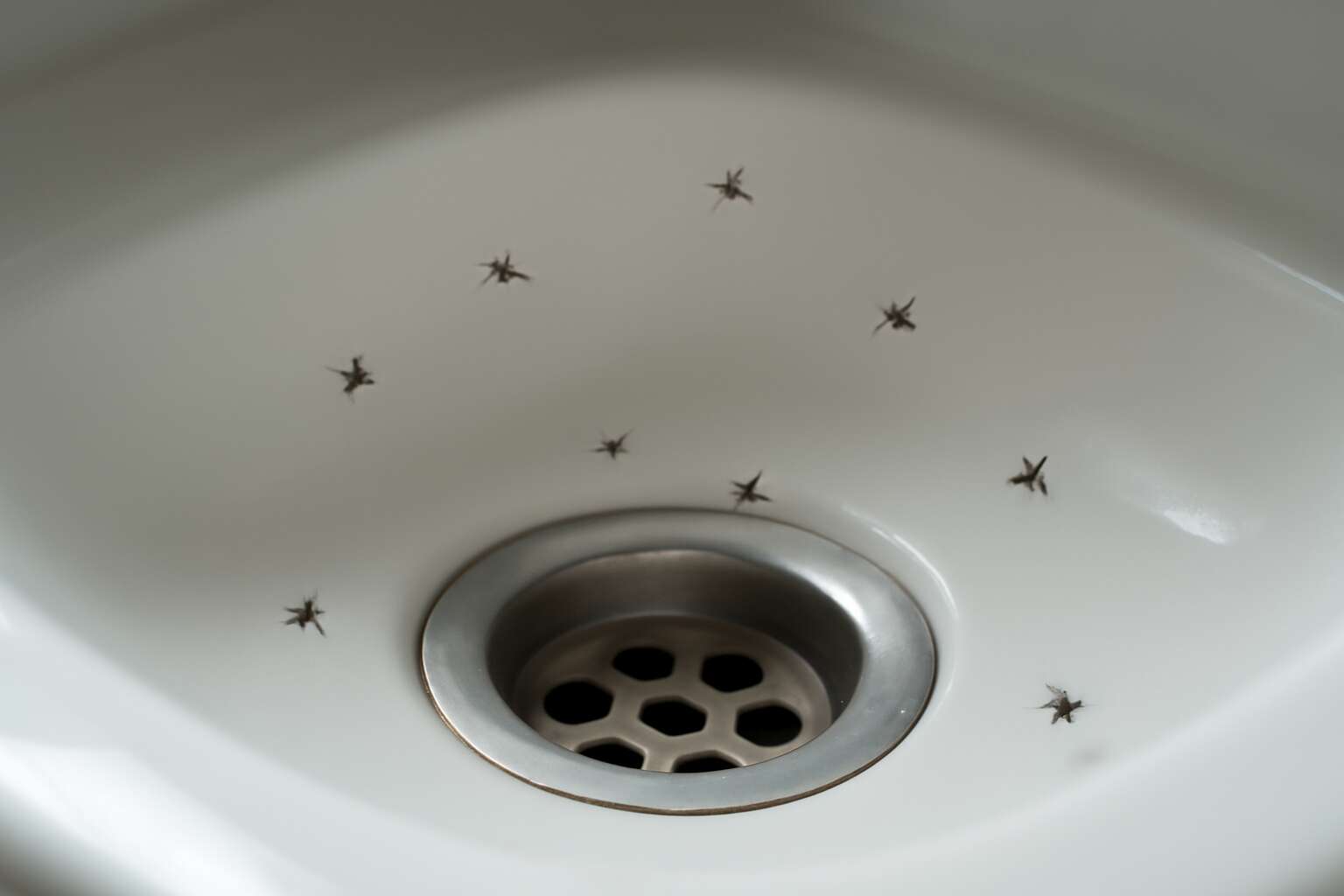
In SA kitchens and bathrooms, drain flies surface at the most inconvenient moments! A single female can lay up to 100 eggs, and in warmth and humidity the hatch can occur in days rather than weeks. Understanding how to get rid of drain flies begins with their lifecycle, a quiet chronicle of biofilm, water, and the unseen traffic of sewer-adjacent life. These tiny moth-like insects hover near drains, drawn to the damp warmth that linger after a rinse.
Drains, pipes, and the films that coat them host the adults and their larvae. They’re small—about 1.5 to 5 mm—with fuzzy wings that rest in a delicate, scalloped silhouette. To differentiate them from other pests, note that their larvae feed on organic film in drains rather than decaying food, and the adults cling to damp walls in kitchens and bathrooms across South Africa.
- Appearance: tiny, fuzzy, moth-like with scalloped wings
- Habitat: damp drains and pipes; warm, humid spaces
- Lifecycle cue: rapid egg-to-adult development in favorable conditions
Because they breed in films of organic matter, drain flies differ in tempo and push from common houseflies, pantry pests, or sewer gnats. They reveal themselves with a sudden flutter of wings and a willingness to linger where moisture and muck meet light. The lifecycle, then, is a story of persistence and habitat—one that invites closer observation rather than quick expedients.
Typical habitats and breeding sites in residential settings
Understanding drain flies starts with a lifecycle that moves quietly through biofilm, water, and the unseen traffic of sewer-adjacent life. These tiny, moth-like insects appear where warmth and moisture linger—bathrooms and kitchens across SA. Eggs hatch into larvae that feed on organic film in drains, then pupate and become adults that hover on damp walls and pipes. In warm conditions, the egg-to-adult timeline can compress to days. If you’re wondering how to get rid of drain flies, this lifecycle provides the first big clue.
Typical habitats and breeding sites in residential settings cluster around moisture and organic films.
- Damp drains and pipe joints
- P-traps with standing water under sinks
- Shower stalls, bathtubs, and damp walls
- Garbage areas and organic debris in disposals
- Sewer-adjacent spaces and laundry rooms
Life cycle overview and timing
In the quiet corners of South Africa homes, a winged clock ticks in the pipes. A female drain fly can lay up to 200 eggs, and in warm conditions the egg-to-adult timeline tightens to days!
- Eggs hatch within 24–48 hours.
- Larvae feed on organic film in drains for about 5–14 days.
- Pupae develop in sheltered cocoons for 3–10 days.
- Adults emerge to hover along damp walls and pipes for 1–2 weeks.
This timing explains why readers search how to get rid of drain flies; understanding their lifecycle and timing reveals the rhythm behind the nuisance and the language of solutions.
Common signs of an infestation
In the quiet hours of a South African kitchen, a winged clock ticks in the pipes. A female drain fly can lay up to 200 eggs, and in warm conditions the egg-to-adult timeline tightens to days. If you’re wondering how to get rid of drain flies, understanding this lifecycle explains the sudden, buzzing activity that drifts from drains and damp corners.
Common signs of an infestation are subtle at first but hard to ignore once they gather.
- Frequent, fleeting swarms around sinks and showers
- Tiny, moth-like flies seen near damp areas
- A thin film or sediment inside drains
- Musty, sewer-like odor in the room
- Visible larvae or pupae in gunk around pipes
Spotting these signals early makes the mystery easier to solve and keeps readers focused on credible, evidence-based information.
Sanitation strategies to prevent drain fly breeding
Regular drain cleaning routines to remove organic buildup
In South Africa, a pest-control snapshot shows seven out of ten drain fly problems begin with hidden organic buildup in pipes. Sanitation, then, is a frontline shield against a winged nuisance.
Sanitation strategies cast a wider net than sprays. They remove the lifeblood of the pests: moisture, debris, and access. Fix leaks, keep surfaces dry, seal drain openings, and dispose of kitchen waste promptly. This is part of how to get rid of drain flies through prevention.
- Regular monitoring and maintenance of plumbing to prevent moisture buildup
- Containment measures such as screens and tight seals on drainage gaps
- Proactive waste management to minimize organic food sources
- Periodic professional inspections to uncover hidden breeding sites
When the environment stays dry, uncluttered, and well-ventilated, the magic of a pest-free kitchen feels within reach.
Moisture control and humidity management in kitchens and bathrooms
Sanitation strategies cast a wider net than sprays, starving the lifeblood of drain flies: moisture, debris, and access. In South African kitchens and bathrooms, hidden pockets behind sinks and pipes can pulse with life when dampness lingers.
A few practical measures include:
- Access points around pipes constrained by passive barriers.
- Moisture management emphasized by dry surfaces and well-ventilated spaces.
- Passive drainage defenses such as screens and seals integrated into fixtures.
Moisture control and humidity management in these spaces rely on ventilation and discipline. Run exhaust fans during cooking and showers, keep surfaces dry, and invite air to circulate after water use to maintain an even, breathable atmosphere.
Together, these sanitation strategies illuminate how to get rid of drain flies by denying breeding grounds in the home.
Proper waste disposal and trash can maintenance
In the quiet hum of a modern kitchen, a statistic haunts the shadows: up to 60% of drain fly troubles begin where damp waste and concealed grime mingle. If you’re wondering how to get rid of drain flies, begin with sanitation that starves the brood: proper waste disposal and robust trash can maintenance!
- Empty bins regularly and rinse them to remove sticky residues.
- Seal bags tightly in durable liners to prevent attraction.
- Keep can lids closed and store bins away from sinks where moisture lingers.
- Wash and disinfect containers weekly, paying attention to corners that harbour grime.
South African households often squeeze bins into tight spaces behind cupboards; a disciplined waste routine—prompt disposal, clean liners, and an airless seal—shuts the door on breeding.
Ventilation improvements and airflow considerations
A startling statistic haunts the quiet kitchen: up to 60% of drain fly troubles begin where damp waste and concealed grime mingle. If you’re wondering how to get rid of drain flies, start with sanitation that starves the brood. In South Africa, snug spaces behind cupboards trap moisture and invite breeding.
Ventilation improvements and deliberate airflow become co-conspirators. Elevating room exchange, upgrading exhausts, and giving stale air an avenue reduce lingering humidity and odours that entice adults to linger in hidden nooks.
Ultimately, spaces that breathe deter the silent invasion — a philosophy as much as a tactic. When the atmosphere keeps pace with sanitation, airflow becomes an ally that sustains balance.
DIY treatment methods for drain fly control
Identify and fix plumbing issues contributing to breeding
Hidden moisture speaks loudly in the dim corridors of urban kitchens and bathrooms across South Africa. In compact homes, a damp corner can harbor a thriving micro‑colony in days. Understanding how to get rid of drain flies starts with spotting breeding grounds and acknowledging plumbing flaws that nurture them.
Key factors to audit include:
- Moisture presence and organic buildup in drains and traps.
- Leaks or standing water in sinks, baths, and laundry areas.
- Vent connection and sewer line integrity to prevent backflow.
In South Africa, addressing these issues blends practical maintenance with professional assessment, ensuring that moisture does not invite a persistent, unseen nuisance behind the fixtures.
Flushing drains with hot water and safe cleaners
For those in South African homes contending with a tiny nocturnal swarm, how to get rid of drain flies starts with flushing drains with hot water to scald organic buildup and disrupt the first life stages.
Complement heat with safe cleaners that won’t harm plumbing or the home environment:
- Flush drains with very hot or boiling water to loosen gunk and flush larvae from traps.
- Follow with a safe cleaner such as a mild dish soap or enzyme-based product to break down residual organic matter.
- Rinse again with clear hot water and repeat weekly while monitoring moisture and odors.
Beyond the flush, a steady routine keeps drains calm and inhospitable to new invaders in South Africa’s homes.
Enzyme-based drain cleaners and when to use them
South Africa’s silent drain theatres host a miniature empire: a single female drain fly can lay up to 200 eggs, and a chorus can rise in a single night. When considering how to get rid of drain flies, enzyme-based cleaners offer a patient, biofilm-digesting approach that avoids harsh solvents. They target the organic films that shelter larvae, thinning the cradle of rebirth and easing the path to quiet drains.
- Enzymes break down fats, proteins and starches in biofilm, eroding the hidden nursery that nourishes larvae.
- Used as part of steady maintenance, they slow reinfestation by continually reducing organic buildup.
- Avoid chlorine, caustic cleaners or high heat, which can deactivate enzymes and blunt their effect.
Placed within a broader sanitation routine, enzyme cleaners bring a measured, patient cadence to drain care in South African homes—less drama, more lasting calm.
Setting up non-toxic traps and monitoring devices
Night drifters that emerge from the drain carry a quiet menace—yet you can observe them without alarm. In South Africa, non-toxic traps and monitoring devices offer a humane, low-odour way to measure activity before stepping into harsher methods. For those wondering how to get rid of drain flies, the first step is patience: map hotspots, read patterns, and choose traps that won’t disrupt daily life.
- Sticky drain traps placed near suspected entry points to capture adults at rest.
- Attractant traps using a shallow dish of apple cider vinegar with a drop of dish soap to lure and trap flies, without chemicals.
- Monitoring cards or simple tally sheets to log daily activity and identify persistent hotspots.
These tools offer a quiet, data-driven view of infestation, guiding when to escalate or adjust sanitation routines while keeping the home serene and fly-free.
Safety tips and when to avoid harsh chemicals
In the glow of a kitchen lamp, tiny wings sketch constellations above the drain—a quiet, patient drama. If you’re wondering how to get rid of drain flies, begin with a measured, compassionate approach that respects your home’s rhythm.
DIY treatment methods shine when treated as gentle rituals. Prioritize cleanliness and moisture control: keep drains clear of organic matter, seal leaks, and invite air to circulate. Small, steady actions accumulate into a steadfast defence.
Safety tips and when to avoid harsh chemicals: favour non-toxic options and good ventilation, never mix cleaners, and steer clear of strong solvents in kitchens or near septic systems. If activity persists, consult a professional for a considered, lasting solution.
When to call professionals
Determining if the infestation is severe or persistent
In many South African homes, a stubborn swarm signals moisture or hidden issues. If you’re wondering how to get rid of drain flies, the question becomes: is the problem contained or persistent?
If the infestation has moved beyond a single drain or keeps returning, it’s time to seek professional help. Consider these indicators:
- Spread across multiple drains or rooms
- Reappears after prior cleaning
- Persistent dampness or odd odors
- Health concerns or a noticeable swarm during peak hours
A professional assessment clarifies whether the issue is severe or persistent and provides a tailored plan aligned with local conditions and building layouts.
How to choose a licensed pest control expert
A chorus of tiny wings turning your kitchen into a drum circle? Not exactly a party you invited. In South Africa, persistent drain-fly swarms often signal moisture issues that DIY efforts won’t fully tame.
When you’re wondering how to get rid of drain flies, it’s increasingly smart to bring in a professional. If a DIY rinse-and-flush routine only buys a day or two before the swarm returns, a licensed pest control expert can diagnose hidden moisture, plumbing quirks, and building quirks—delivering a plan tailored to your home, minus the drama.
How to choose a licensed pest control expert should be practical, not pompous. Here are quick criteria to check:
- Proper registration and licensing with local authorities
- Experience handling drain-fly issues in South African homes
- Clear, written estimates and transparent pricing
- Commitment to safety, IPM principles, and warranty on follow-up visits
Expected results, turnaround times, and pricing considerations
In South Africa, a sudden drain-fly swarm can turn a quiet kitchen into a drum circle overnight. If you’re asking how to get rid of drain flies, a licensed pest control expert can find hidden moisture and plumbing quirks that DIY methods often miss, delivering a plan tailored to your home—and your sanity.
When to call a pro: if the swarm returns after a DIY flush, if you notice persistent moisture, or you can’t locate a breeding site. Expected results include a thorough inspection, targeted treatment, and a written plan with a safety-first approach. Turnaround times vary, but most clients see improvements within days, with follow-up visits to seal gaps and prevent reoccurrence. Pricing considerations typically include:
- Diagnostic fee and initial assessment
- Planned treatment and materials
- Follow-up monitoring visits
- Warranty on results or ongoing work
Long-term prevention and maintenance for drain flies
Establishing a regular inspection routine
In South Africa’s climate, the quiet aftermath of a scrub can reveal a truth: how to get rid of drain flies becomes a matter of shaping the environment they love. A single breeding cycle can unfold in hidden corners, so long-term prevention relies on a moisture-aware routine that sits in your home’s rhythm.
- Maintain dry, well-ventilated spaces to reduce moisture pockets
- Uphold sanitation standards to remove attractants and slime buildup
- Monitor potential damp reservoirs and address leaks promptly to prevent breeding habitats
With prevention woven into daily life, the fluttering threat recedes, leaving rooms that feel fresher and more hospitable.
Maintaining plumbing and septic system health
In our homes, a single female drain fly can lay up to 100 eggs, and the quiet hum of a South African evening can cloak a hidden breeding cycle. When people ask how to get rid of drain flies, the answer often points to long-term prevention—a discipline that keeps plumbing healthy and moisture at bay. It’s practical, not glamorous.
In practice, long-term prevention hinges on plumbing and septic-system health. We prioritise leak detection, maintain vent integrity, and ensure septic conditions are balanced to deter breeding habitats. With this approach, the fluttering threat recedes, leaving rooms that feel steadier and more hospitable.
Consider these long-term principles:
- Moisture monitoring and leak awareness
- Proactive septic health checks
- Ventilation and airflow optimisation
Maintaining consistency is the best defence against infestations that thrive in neglect.
Ongoing moisture control and cleanliness practices
Long-term prevention hinges on ongoing moisture control and cleanliness. We aim to keep damp corners dry, pipelines intact, and organic buildup under control, because drain flies linger where moisture roams. In this approach, subtle conditions are monitored rather than subjected to drastic measures, and the fluttering nuisance retreats to the background.
Routine observation becomes the norm: keep an eye on moisture signals, respect vent paths, and sustain septic balance so breeding sites never form. mastering how to get rid of drain flies isn’t about one-off fixes; it’s a steady, patient programme that yields a more comfortable indoor climate.
Using preventive products and routine monitoring
Long-term prevention for drain flies hinges on more than quick fixes; it demands a patient, measured approach that respects the building’s natural airflow and moisture cycles. When exploring how to get rid of drain flies, the emphasis shifts to preventive products and routine monitoring rather than dramatic interventions. Subtle, steady actions help sustain a healthier indoor microclimate year after year.
These are the core elements of maintenance that keep breeding sites at bay without disruption:
- Categories of preventive products that curb organic buildup
- Non-toxic monitoring devices that signal moisture shifts
- Professional assessments scheduled to track plumbing health
Routine checks focus on subtle signs rather than loud alarms—keep an eye on filtration, trap efficacy, and scent cues, and align with seasonal changes. A steady cadence reduces risk, supporting a durable solution against infestation for South African homes and businesses alike.


0 Comments