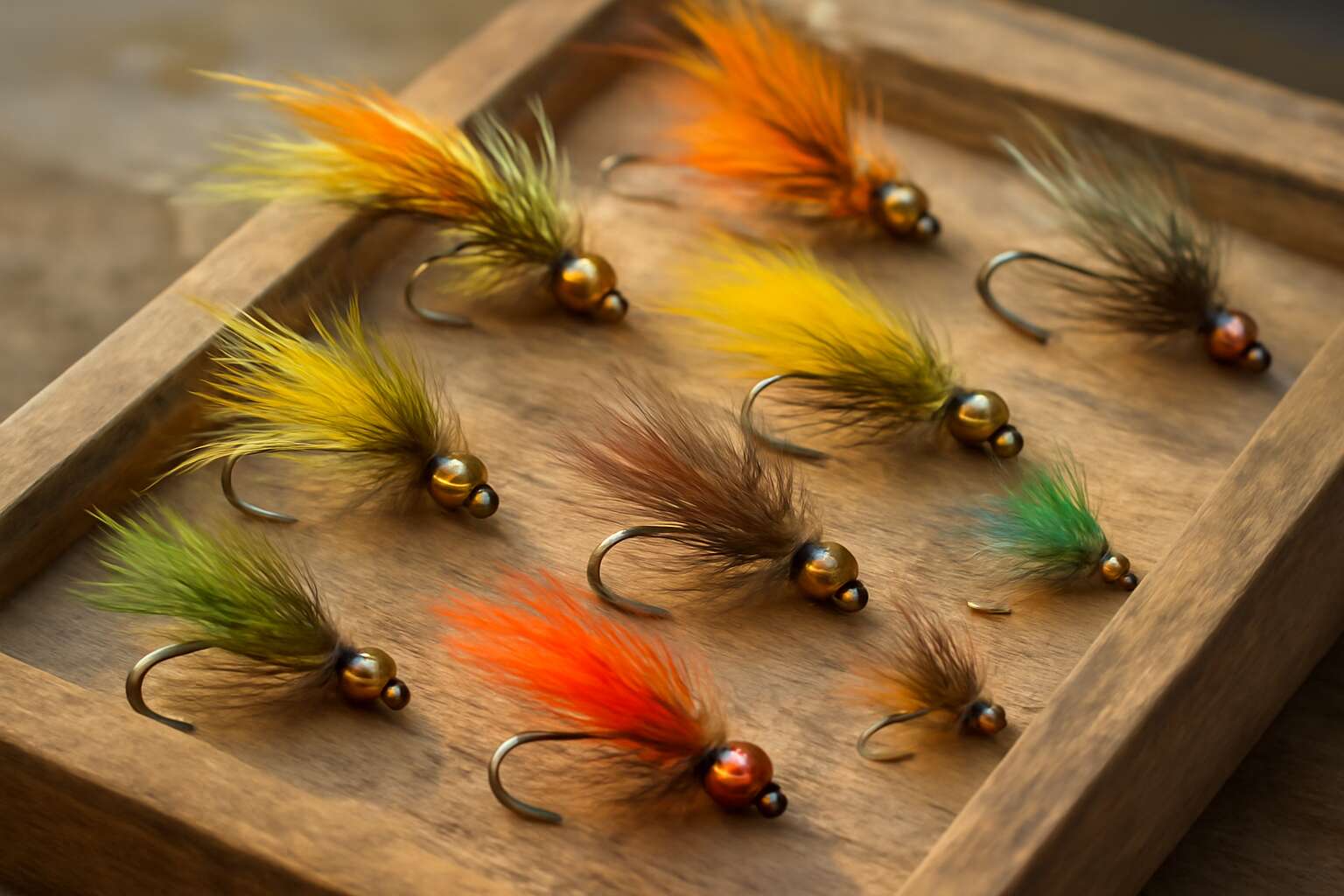
March Fly Patterns and Seasonal Tactics
Top March Fly Patterns
March redraws the river’s tempo, and the angler learns to listen. In South Africa’s highland streams, the guide’s insight holds: the water warms a touch and the takes follow. March marks a hinge in the season—and the selection of flies to use in march reflects that shift.
Consider these top march fly patterns that pair with seasonal tactics—a practical triad that reads the current with a steady hand.
- Bead-head Hare’s Ear Nymph for early-season nymphing
- Parachute Adams popping through the shallows during hatch windows
- Olive Caddis Emerger to match emergers in warmer pockets
Beyond the flies themselves, cadence and leader length are tuned to the current: shorter leaders in glassy mornings, longer drifts as the wind picks up. Let the drift tell the river’s story, and the bite will feel less like luck and more like listening.
Water Conditions and Insect Activity in March
March in the highland streams marks a hinge where the river’s tempo nudges trout into curiosity. A seasoned guide whispers a compact truth: the river breathes in March, inviting anglers to listen as they cast.
As water warms, pockets awaken and insect activity intensifies—mayflies flicker, caddis emerge, and hatch windows glitter in the shallow bends. Cadence follows the river: glassy mornings deserve shorter leaders, windier afternoons demand longer drifts. flies to use in march become a study of tempo rather than trick.
South Africa’s streams reward patience with tactile takes and quiet drama, where the current itself teaches the lesson more vividly than any guidebook could. The season’s hinge invites listening, not loud bravado.
Gear and Tackle for March Fly Fishing
March in the South African highlands is a quiet drumbeat beneath the trout’s curiosity. The river breathes, inviting the angler to listen as line meets water. The hinge season asks one thing: flies to use in march should mirror tempo rather than tactic. Surface patterns and subtle emergers slip into the current with grace—mayflies flicker, caddis emerge, and morning light lends patience to the cast. The tale here favours listening over loud bravado.
Gear and tackle evolve with the season’s cadence. I lean on a versatile 9-foot rod in a 4-6 weight, a line that lands softly yet reaches the far bank when wind stirs. A layered leader with a selection of tippets from 4X to 6X stays ready for delicate refusals and sudden takes. Floating lines with light sink-tips unlock subsurface whispers when the water obliges. The kit is a quiet chorus, and the right pieces let the patterns carry the message.
- Compact leaders for glassy mornings
- Longer tippets for windy afternoons
- Floating and sink-tip line options
Local Resources and DIY March Flies
In the South African highlands, dawn’s mist clings to the river like a hush before thunder. A statistic haunts the water: seven of ten mornings cradle a hatch, nudging trout toward the surface as if secrets were rising. flies to use in march become a language of tempo, not bravado.
Patterns should ride that tempo: delicate dries and emergers that drift with the current’s breath. Mayflies flicker, caddis begin their quiet dance, and morning light lends patience to the cast. Choose patterns that balance float and sink, listening for the river’s feedback rather than shouting for attention.
Local resources and DIY March Flies offer a quiet toolkit for this hinge season.
- South African fly shops hosting tying evenings and demonstrations
- Local clubs and guide services offering pattern libraries and mentorship
- DIY approach: tying simple emergers with CDC, flash, and barbless hooks to match subtle wakes



0 Comments