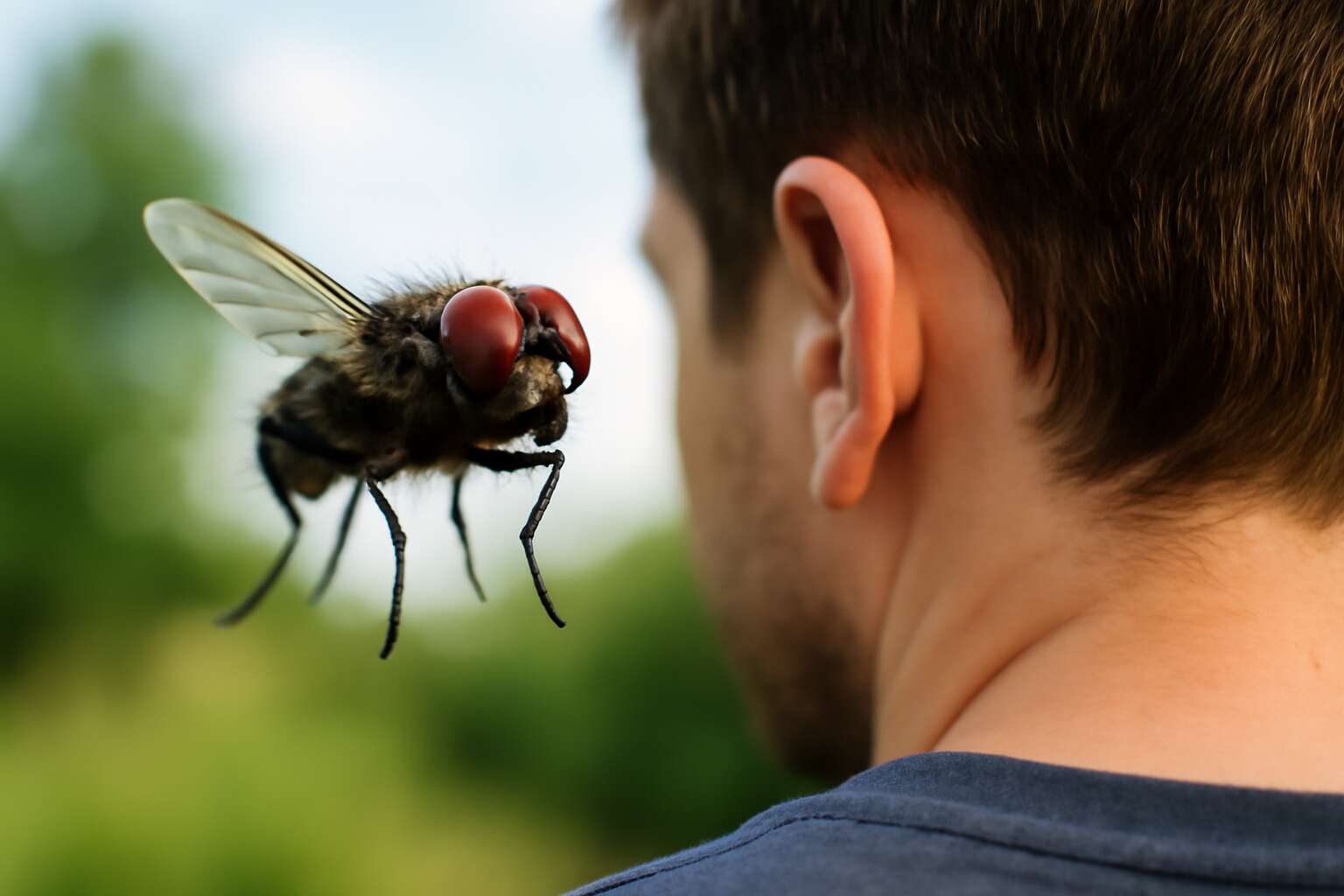
Understanding Flies and Their Behavior
What Attracts Flies to Humans – Common scents, body heat, sweat, and movement that attract flies
There’s something almost unnerving about the way flies seem to be attracted to certain individuals, especially when they follow you relentlessly. Scientific studies reveal that flies are drawn to specific scents and stimuli that humans unknowingly emit, making it vital to understand their behavior. These insects are not just mindless pests; they are sensitive to particular cues that signal food or breeding grounds, but sometimes, they’re simply responding to your body’s natural signals.
When flies follow you, it’s often because of a combination of factors like body heat, sweat, and distinctive scents. Sweat contains organic compounds that mimic rotting organic matter—an irresistible lure for flies. Additionally, the warmth radiating from your body acts as a beacon that guides them through the air. Movement also catches their attention, making you a moving target for these unwelcome followers.
- Body heat
- Sweat and body odor
- Movement and shadows
- Scents from perfumes or lotions
Understanding these triggers can help demystify why flies follow you and provide insight into how they choose their targets in the bustling environment of South Africa’s outdoor spaces. It’s as if they’re drawn to something elusive—an invisible signal that only they can decipher. Recognizing these signs allows you to better anticipate their presence and, perhaps, even outsmart these persistent insects.
Types of Flies That Follow Humans – Overview of species like houseflies, cluster flies, and fruit flies
In the intricate dance of nature’s relentless cycle, certain species of flies seem almost possessed by an uncanny intuition—an almost poetic obsession—when flies follow you. This phenomenon, often dismissed as mere nuisance, is rooted in the complex behavior of various fly species that have evolved to detect subtle cues emitted by humans. Understanding the behavior of these insects reveals a fascinating web of survival instincts and environmental signals that guide their relentless pursuit.
The most common culprits that follow humans are houseflies, cluster flies, and fruit flies, each with their own unique predilections. Houseflies, for example, are notorious for their ability to detect organic decay from considerable distances, often following individuals whose scent or body heat signals nearby food sources. Cluster flies tend to gravitate toward warmth—often seeking refuge in homes during cooler months—making them persistent followers in certain environments. Meanwhile, fruit flies, attracted by the scent of fermenting sugar and ripening fruit, can sometimes follow humans when personal hygiene or outdoor conditions inadvertently mimic their preferred breeding sites.
- Houseflies: The quintessential scavengers, they are drawn by organic waste and emit a keen sensitivity to moisture and decay signals.
- Cluster flies: Mysterious and slow-moving, they follow warmth and light, often clustering around individuals or structures with elevated temperatures.
- Fruit flies: Small but persistent, these insects follow the scent of ripe or rotting fruit, sometimes tracking human activity that involves sugary drinks or exposed produce.
Each species demonstrates a different facet of fly behavior, yet all are united in their uncanny ability to follow humans when flies follow you, driven by instinctual cues that seem almost psychic. Their pursuit isn’t random but a calculated response to environmental stimuli, revealing a complex interplay between insect sensory perception and human activity. The next time you notice a swarm trailing behind, remember—these little creatures are responding to a silent, invisible signal that only they seem to decipher with remarkable precision.
Fly Behavior and Sensory Perception – How flies perceive humans and their environment
Ever wondered why a swarm suddenly appears whenever you step outside? It’s almost as if flies have a secret radar tuned directly to you! The phenomenon of when flies follow you isn’t just happenstance; it’s rooted in their highly developed sensory perception. Flies, those tiny, relentless spectators of our daily lives, have an intricate way of perceiving their environment—more sophisticated than most give them credit for. They don’t just stumble upon us by chance; they actively seek out signals that tell them where the organic goodies are hiding.
Flies rely on a complex sensory system to track potential food sources, mates, or warmth. Their keen olfactory receptors detect minute scents—such as sweat, body odor, or even traces of fermenting fruit—that humans might barely notice. In fact, when flies follow you, it’s often because they’ve picked up on specific cues that indicate a nearby feast or a cozy spot to rest. Their compound eyes are also masters of motion detection, allowing them to track movement and temperature variations, which is why they often seem to be “following” with unsettling persistence.
Understanding how flies perceive humans isn’t just a lesson in insect behavior; it’s a window into their survival tactics. They’re constantly scanning their environment for environmental signals, which explains why they can sometimes appear almost psychic in their ability to find what they’re after. Whether it’s the scent of sugary drinks or the warmth of a sunny wall, when flies follow you, it’s a calculated response to their sensory cues—nothing personal, just pure insect instinct. It’s this finely tuned perception that makes them such persistent followers in South Africa’s varied climate and bustling markets.
Common Reasons Why Flies Follow You
Body Odors and Sweat – The role of body smell and sweat in attracting flies
In the shadowy dance between man and insect, certain scents act as a siren call to the flies lurking in the darkness. When flies follow you, it is often a silent symphony of body odors and sweat that beckons them closer. Sweat, imbued with salts and organic compounds, becomes a beacon in the gloom, revealing your presence in a world where visibility is often limited to scent and sound.
The scent of body odor, especially when mingled with the natural oils on your skin, can amplify this attraction. Flies possess a highly developed olfactory system that allows them to detect even the faintest traces of decay or sweetness. Sometimes, these odors mimic the smell of rotting flesh or fermenting fruit—things that flies are instinctively drawn to.
It’s fascinating—and unsettling—to realize that certain behaviors and conditions can make you more susceptible to their interest. For instance, wearing dark clothing or engaging in physical activity that produces more sweat can increase the likelihood that when flies follow you, they’re guided by these olfactory signals. The more you sweat and the more pungent your body odor, the more they perceive you as a potential source of sustenance or breeding ground.
In essence, the mystery of when flies follow you hinges on a complex interplay of scent, sweat, and the insects’ sensory perception—a macabre allure that turns the mundane into the ominous.
Carbon Dioxide Emission – How CO2 from breathing draws flies
There’s a peculiar elegance in understanding why flies seem so unerringly drawn to us, especially when they follow you with relentless curiosity. A key player in this silent chase is carbon dioxide—yes, that invisible gas we exhale with every breath. Flies possess an extraordinary olfactory sensitivity to CO2, which acts as an unmistakable beacon signaling the presence of a warm-blooded host nearby. This isn’t mere coincidence; it’s evolution’s way of guiding these insects to their next meal or breeding site.
When you breathe, you emit a steady stream of carbon dioxide, and for flies, this is akin to a siren’s call. In fact, their ability to detect CO2 from a considerable distance makes it clear why they follow you so persistently. They interpret the rising concentration of this gas as a sign of life—something worth investigating further. The more vigorous the respiration — perhaps during physical activity or in hot, humid weather — the more noticeable your presence becomes in their insectile radar.
Moreover, certain behaviors can amplify this attraction. Wearing dark clothing, for instance, can trap more heat, increasing your body’s temperature and, consequently, your CO2 emissions. For flies, this creates a layered olfactory landscape that’s hard to ignore. In essence, when flies follow you, it’s often less about the scent of sweat or body odor and more about the invisible trail of carbon dioxide that marks your every breath.
Skin and Clothing Factors – Bright colors, scents, or residues that attract flies
It’s a curious spectacle—flies seem almost inexplicably drawn to certain individuals, a persistent shadow trailing their every move. The phenomenon of when flies follow you isn’t merely a matter of coincidence; it’s a complex interplay of sensory cues that insects have honed over millennia. These tiny creatures, with their remarkably sensitive olfactory receptors, interpret more than just scent—they perceive a multifaceted olfactory landscape that signals the presence of a warm-blooded host.
Factors such as skin and clothing can amplify this attraction. Bright colors, for instance, act as visual beacons—contrasting sharply with natural surroundings and catching a fly’s eye. Additionally, residues left by lotions, perfumes, or even sugary foods can serve as olfactory breadcrumbs, guiding them closer. When flies follow you, it’s often a combination of these subtle signals—an intricate dance of visual and chemical cues—that compels their relentless pursuit. As they navigate this sensory maze, the question of when flies follow you becomes a window into their extraordinary perception, revealing how they interpret our very presence in ways we rarely notice.
Environmental Conditions – Weather, humidity, and nearby food sources
In the intricate dance between humans and flies, environmental conditions often serve as the unwitting choreographers. Flies are remarkably sensitive to their surroundings, and certain weather patterns can turn us into the center of their attention. For instance, warm, humid days—common in South Africa’s subtropical zones—create an inviting atmosphere for these tiny pests, prompting them to follow you with relentless curiosity. Humidity boosts the scent dispersal of residues on your skin or clothing, making you an even more attractive target.
Moreover, nearby food sources play a pivotal role in when flies follow you. If you’ve recently enjoyed a sugary snack or left a trail of fruit peels behind, flies will be drawn to the aroma, and your presence becomes an extension of their search. The combination of weather, humidity, and accessible food sources forms a perfect storm, turning your every move into a potential magnet for flies eager to follow you around, sensing that somewhere in your vicinity lies a feast waiting to be discovered.
Situations When Flies Are Drawn to Humans
Outdoor Activities – Picnics, gardening, and outdoor events
Imagine strolling through a sun-dappled garden or enjoying a lively outdoor event, only to notice a curious swarm of flies trailing your every move. It turns out that when flies follow you, it’s often a symphony of scent, movement, and environmental cues guiding their tiny, perceptive brains. Flies are naturally drawn to certain human qualities—body odors, sweat, and even the heat radiating from your skin—that act like a magnet in the summer months of South Africa.
During picnics or gardening sessions, you might find yourself surrounded by these persistent insects. Their attraction isn’t random; it’s a complex dance of sensory perception where they zero in on specific signals emitted by humans. For example, bright clothing or fragrant residues on your skin can make you stand out as a tempting target. When flies follow you, it’s often a sign they’re responding to a combination of visual cues and olfactory signals that make you an irresistible source of nourishment or breeding opportunity.
Indoor Settings – Kitchens, trash bins, and areas with food remnants
It’s a peculiar phenomenon—standing in your kitchen or near the trash bin, only to notice a relentless swarm of flies following you. This isn’t mere coincidence; it’s a calculated response rooted in their sensory perception. Flies are highly attuned to the subtle signals we emit—residues of food, lingering scents from dirty dishes, or even the scent of decay that escapes from uncovered rubbish. When flies follow you indoors, they’re often responding to these environmental cues that mimic natural breeding sites or food sources.
Inside your home, especially in kitchens and areas with food remnants, the attraction intensifies. Flies are drawn to the smell of fermenting leftovers, sugary spills, or spilled drinks that create a veritable magnet for these insects. Their tiny antennae and sensory organs detect these odors from a distance, guiding them directly towards the source. Sometimes, the presence of bright or patterned clothing can also catch their attention, making you an inadvertent beacon in their search for nourishment. When flies follow you indoors, it’s a clear signal that conditions favor their survival, and your environment might need a quick tidy-up.
Seasonal Influences – Summer and warm seasons increasing fly activity
As the warm South African sun bathes the landscape in golden hues, an intriguing question often surfaces: when flies follow you, what does it truly signify? The summer months, with their sultry days and humid evenings, amplify fly activity exponentially. These insects are exquisitely attuned to environmental cues, making their presence around humans more than mere coincidence. The season’s warmth stirs up odors from decaying organic matter, ripe fruit, and lingering food remnants, creating a veritable siren call for flies.
During this time, their sensory perception becomes heightened, guiding them effortlessly toward sources of nourishment—and, regrettably, toward you. The combination of body heat, sweat, and even the subtle scents of perfumes or lotions can inadvertently become a beacon that triggers their instinct to follow. When you notice flies persistently trailing behind you in the heat of summer, it’s often a reflection of their intensified activity, driven by the perfect storm of environmental factors that make your presence a tempting target. In these warm months, the question of when flies follow you is less about coincidence and more about the season’s intricate dance of nature’s signals, compelling these insects into relentless pursuit.
Health and Hygiene Factors Influencing Fly Attraction
Hygiene Habits – Impact of personal hygiene on fly attraction
In the intricate dance between human presence and the natural world, the question of when flies follow you reveals more than mere curiosity—it’s a window into the subtle signals we emit. Personal hygiene habits wield a profound influence on this phenomenon. When flies follow you, it’s often a silent testament to the scents, residues, and bodily cues that make us irresistible to these winged observers.
Maintaining impeccable hygiene acts as an invisible barrier, reducing the allure that draws flies into our orbit. Regular bathing, thorough cleaning of skin, and proper disposal of waste diminish body odors and sweat that serve as signals to flies. In environments where cleanliness is neglected, the aroma of unwashed skin or lingering food residues can turn a casual stroll into a fly magnet. Interestingly, a few simple hygiene practices—like washing hands after meals or keeping clothes fresh—can drastically alter when flies follow you, transforming your proximity from a tempting target to an unnoticed presence.
Wound and Skin Conditions – Open wounds and skin infections attracting flies
In the natural world’s silent theater, flies are often the unwelcome spectators that seem inexplicably drawn to certain individuals. What triggers this phenomenon—when flies follow you—can be linked to underlying health and hygiene factors, especially related to wound and skin conditions. Open wounds or skin infections serve as vivid beacons for these insects, as they are naturally attracted to the moist, protein-rich environment that such conditions provide. Flies, particularly blowflies and flesh flies, possess highly developed sensory receptors that can detect the scent of blood, bodily fluids, or decaying tissue from considerable distances.
When skin is compromised by injury or infection, it creates an inviting scenario for flies seeking nourishment or breeding grounds. These insects may not only follow you but can also lay eggs on exposed wounds, risking further infection or complications. This behavior underscores the importance of prompt wound care and maintaining skin health, especially in regions where flies are prevalent. In some cases, the presence of flies following you may be a stark reminder of the need for vigilant hygiene practices and swift medical attention to prevent infestations or the spread of skin-related illnesses.
Understanding the link between skin health and fly attraction emphasizes why maintaining proper hygiene is essential. When flies follow you, it’s often a signal that underlying health issues or hygiene lapses might be present—factors that can turn a simple injury into a gateway for infestation. Keeping wounds clean, covered, and protected not only promotes healing but also acts as a natural barrier against these persistent, winged nuisances.
Food and Waste Management – Proper disposal and cleanliness reducing fly presence
In the intricate dance of the natural world, flies often serve as uninvited critics, their presence seemingly dictated by unseen yet profoundly influential cues. A startling statistic reveals that flies are capable of detecting and homing in on a scent from hundreds of meters away, a testament to their highly developed sensory perception. When flies follow you, it’s rarely a coincidence; it’s a symphony of environmental and physiological signals that beckon these persistent insects. The connection between hygiene practices and fly attraction is undeniable, especially when it comes to food, waste, and personal cleanliness.
Proper food and waste management form the bedrock of preventing flies from turning your surroundings into their breeding ground. Neglecting to cover rubbish bins or leaving food remnants exposed creates an irresistible invitation for flies. In environments where waste accumulates, the air becomes laden with enticing odorous cues that lure them with relentless precision. When flies follow you, it often signals underlying hygiene lapses that require immediate attention—an invisible alarm bell warning of potential health hazards.
Maintaining a clean environment isn’t merely about aesthetics; it’s a strategic defense against these winged nuisances. Regular disposal of organic waste, thorough cleaning of kitchen surfaces, and ensuring that food is stored in sealed containers can significantly diminish the chances of flies following you. This proactive approach not only controls immediate fly presence but also disrupts their lifecycle, preventing infestation and safeguarding health. After all, in regions like South Africa where outdoor living is woven into daily life, understanding when flies follow you can be the difference between annoyance and a serious health concern.
How to Prevent Flies From Following You
Personal Hygiene Tips – Maintaining cleanliness and avoiding strong odors
Ever wondered why those persistent flies seem to have a knack for following you around? In the warm South African climate, where summer days can turn into a flurry of buzzing activity, understanding when flies follow you can help you stay a step ahead. Flies are incredibly perceptive creatures, drawn to subtle cues like body odors and movement. Maintaining impeccable personal hygiene can significantly diminish their interest. Regularly showering, washing your hands, and changing into clean clothes remove residues that attract these pesky insects.
To further deter flies from following you, consider using natural repellents or opting for clothing in dull, muted colors. Bright or fragrant outfits can act as a beacon that draws flies closer. Additionally, avoiding strong-smelling foods or perfumes when outdoors can make a noticeable difference. Remember, flies are not just attracted by human scent—they’re also repelled by cleanliness and freshness. Staying vigilant about personal hygiene and being mindful of your environment can turn the tide against these unwelcome followers, making outdoor adventures more enjoyable and fly-free.
Clothing Choices – Colors and fabrics that are less attractive to flies
In the dance of outdoor life, understanding when flies follow you can be a game-changer. Their attraction isn’t random; it’s influenced by subtle cues like clothing choices and environmental factors. Choosing the right attire can make all the difference in keeping those unwelcome followers at bay. Flies are particularly sensitive to visual stimuli, and certain colors and fabrics can either attract or repel them.
Opt for dull, muted tones such as browns, grays, or olive greens. Bright or patterned clothing tends to act like a beacon, drawing their curious gaze. Additionally, natural fabrics like cotton or linen are less likely to hold onto residues or scents that attract flies. Conversely, synthetic materials with shiny surfaces can reflect sunlight and mimic the appearance of food or waste, increasing their interest.
To further minimize the chances of when flies follow you, consider incorporating a few simple style strategies:
- Wear loose-fitting, light-colored clothing that covers exposed skin.
- Choose clothing with minimal prints or patterns that could resemble food or waste.
- Apply natural repellents to your clothing and exposed skin for added protection.
Remember, the goal is to create a visual and olfactory environment that flies find unappealing. By understanding how clothing choices influence when flies follow you, you can enjoy outdoor activities with fewer buzzing interruptions, embracing the natural world on your terms.
Environmental Controls – Use of screens, insect repellents, and proper waste disposal
Flies are more perceptive than many realize. They can sense your presence from a distance, drawn by subtle cues like scent, body heat, or movement. If you’ve ever wondered when flies follow you, understanding environmental controls can make a significant difference. Proper use of screens, insect repellents, and waste management can create an environment less appealing to these unwelcome followers.
Installing fine mesh screens on windows and doors acts as a physical barrier, preventing flies from entering indoor spaces. Applying natural insect repellents to exposed skin and clothing further reduces attraction. These repellents disrupt the flies’ sensory perception, making you less detectable. Additionally, managing waste effectively—by covering trash bins and cleaning up food scraps—eliminates nearby food sources that attract flies.
For outdoor settings, consider using citronella candles or portable insect repellent sprays to deter flies from lingering. Proper waste disposal is crucial; it removes the smell and residues that often draw flies towards humans when they follow you. By controlling these environmental factors, you can significantly decrease the chances of when flies follow you and enjoy your outdoor activities in peace.
Natural Remedies and Repellents – Essential oils, citronella, and other natural deterrents
In the dance of nature’s smallest predators, flies are more perceptive than many realise, sensing your presence long before you notice their shadow. If you’ve ever wondered when flies follow you, the answer lies in the subtle signals you emit—body heat, scent, and movement—that beckon them like moths to a flickering flame. Yet, hope glimmers in the form of natural remedies and repellents that can turn the tide in your favor.
Essential oils such as citronella, eucalyptus, and lavender act as fragrant shields—an invisible barrier that confuses a fly’s delicate sensory perception. Dabbed onto your skin or diffused in the air, these oils create a scentscape unwelcome to fly’s instincts. Consider incorporating natural deterrents like neem oil or tea tree oil, which not only mask your scent but also disrupt the fly’s ability to detect food sources or body heat. For outdoor pursuits, burning citronella candles or using herbal sachets filled with basil or mint can keep persistent flies at bay.
Engaging in these natural defenses, you craft an environment where when flies follow you, it’s rarely for long. Their instinct to seek out food and warmth is thwarted by the aromatic ambush you set—a fragrant fortress that invites peace and serenity amidst the buzzing chaos. Embrace these gentle, eco-friendly tactics and reclaim your outdoor sanctuary from their unwelcome pursuit!
Myth Busting and Facts About Flies Following Humans
Common Myths – Debunking misconceptions about flies and human interaction
Contrary to popular belief, flies don’t follow humans due to some mystical or deliberate reason. Many folks assume it’s because of bad hygiene or uncleanliness, but the truth is far more fascinating. Flies are driven by instinct and sensory cues, not personal shortcomings. They are highly attracted to specific body odors, sweat, and the carbon dioxide we emit when we breathe—all natural signals indicating a potential food source or breeding site.
Myth: Flies are solely attracted to dirt and filth. In reality, they are equally drawn to certain scents and colors that resemble food or organic matter. For example, bright clothing or fragrant perfumes can inadvertently lure flies, making it seem like they are following you intentionally. Understanding these misconceptions helps demystify their behavior and clarifies when flies follow you, revealing more about their sensory perception than any human fault.
Debunking common misconceptions reveals that when flies follow you, it’s often because of environmental factors or specific stimuli, not personal hygiene. Recognizing this can change how we approach outdoor activities, reducing unnecessary concern about cleanliness. Instead, it highlights the importance of managing environmental conditions and understanding fly behavior to prevent unwelcome followings in both outdoor and indoor settings.
Scientific Facts – Data-backed insights into fly behavior and attraction
Many people are mystified when flies follow you, assuming it’s some sort of personal quirk or bad luck. However, scientific data reveals a more nuanced truth: flies are driven by sensory cues rooted in their instinctual behaviors. They don’t follow humans to judge hygiene or morality, but rather respond to specific signals that mimic their natural food sources.
Research indicates that when flies follow you, it’s often because of body odors, sweat, and the carbon dioxide we exhale—natural signals that suggest the presence of organic matter or potential breeding sites nearby. Flies possess highly sensitive olfactory receptors that can detect these cues from a considerable distance, guiding them directly to humans or animals emitting these signals.
- Body heat and movement can also attract flies, as they are attuned to temperature fluctuations and visual stimuli that resemble organic matter.
- Colors and scents in clothing or perfumes may unintentionally lure flies, making it seem as though they are following you intentionally.
Understanding these factors sheds light on why flies follow you in certain environments. It is a complex interplay of sensory perception, not a reflection of your personal hygiene. When flies follow you, it’s a testament to their remarkable ability to navigate their environment based on instinctual cues, not arbitrary personal shortcomings.



0 Comments