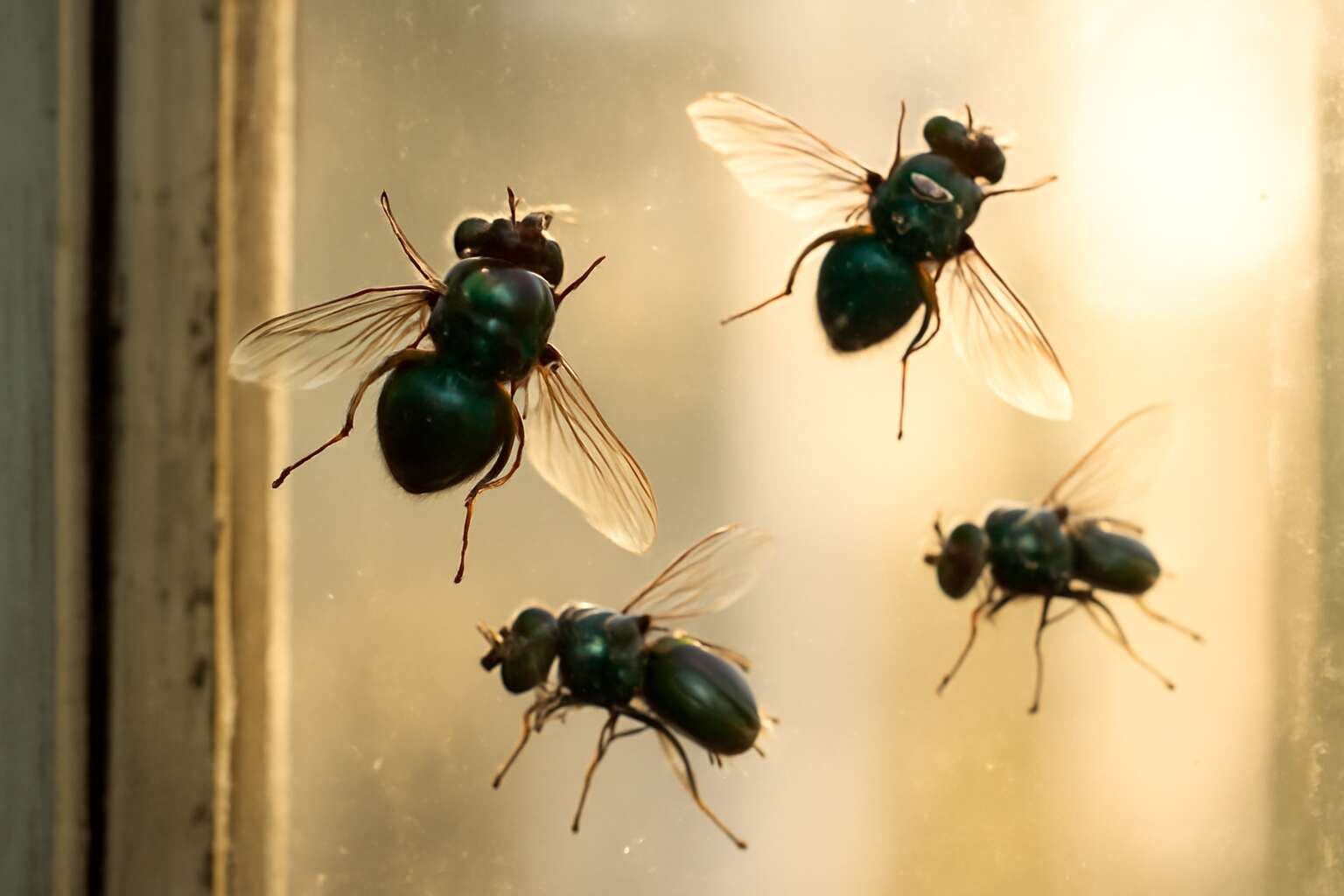
Understanding Flies Near Windows
Reasons Why Flies Are Attracted to Windows – Exploring the factors that draw flies to window areas
In the quiet moments of a South African afternoon, the gentle hum of flies near windows can be surprisingly persistent. These tiny creatures are often drawn by more than just the promise of light; they seek out the subtle signals of warmth, moisture, and even the scent trails left on glass. The allure of a sunlit window creates a microcosm of their ideal habitat—warm, bright, and full of tiny organic residues.
Many factors contribute to why flies are attracted to windows. Light is a primary magnet—flies are instinctively drawn to sources of illumination that mimic natural sunlight, guiding them indoors. Additionally, the presence of food particles, sugary residues, or even dampness near window sills can act as irresistible lures. For those living in South Africa, where climate conditions often foster humidity, this creates an even more inviting environment for flies near windows.
- Warmth from direct sunlight
- Organic residues and food debris on window frames
- Increased humidity and moisture levels
- Natural light cues mimicking outdoor conditions
Common Types of Flies Found Near Windows – Identifying species typically seen near windows
Flies near windows are more than just a pesky nuisance; they’re a fascinating glimpse into their world of instinctual attraction. In South Africa, where the climate creates a perfect storm of warmth and humidity, it’s common to see these tiny winged intruders fluttering insistently against glass panes. But what species are we typically dealing with? Understanding the common types of flies near windows can help demystify their persistent presence and perhaps even make their unwelcome visits a little less baffling.
The most notorious of these window-dwellers is the housefly (Musca domestica), a ubiquitous South African resident that seems to find every window a portal to its favorite organic buffet. Then there’s the fruit fly (Drosophila melanogaster), often seen darting near sunlit glass where the scent of overripe fruit lingers. Less common but equally persistent are the drain flies (<emPsychodidae)—those tiny, fuzzy creatures that hover near damp windowsills, especially after a humid South African summer downpour.
To better identify these species, consider this quick guide:
- Houseflies are larger, with distinctive red eyes and a relentless circling pattern.
- Fruit flies are smaller, with a tan or brown coloration and a quick, darting flight.
- Drain flies may resemble tiny moths and tend to cluster in damp, shaded spots on window frames.
Knowing which flies are near windows can turn an annoyance into a curious study of insect behavior—plus, it helps in devising smarter ways to keep them out of your living space. Flies near windows aren’t just random visitors; they’re guided by sights, smells, and the subtle signals of South Africa’s climate that make windows their favorite exploration points.
Behavior of Flies Around Windows – Insights into fly movement and activity patterns
Flies near windows dance a perplexing ballet—an intricate pattern of curiosity and instinct that captivates and confounds. Their movements are not random but driven by a primal urge to seek light, warmth, and escape. In the shimmering glare of South African sunlight, these tiny winged wanderers trace erratic arcs, compelled by an invisible magnetism that pulls them toward glass portals. Their activity peaks during the warmest hours, when the day’s energy pulses strongest, and windows become the stage for their relentless pursuit of freedom or sustenance.
Understanding the behavior of flies near windows offers a window into their mysterious world. They often circle in tight spirals or dart suddenly in unpredictable directions, as if caught in a hypnotic tug-of-war with their own instincts. Often, their focus is fixed on the reflective surface—mistaking it for an extension of their environment—while their restless fluttering hints at an innate desire to find an exit or uncover what lies beyond the glass barrier.
To truly grasp their activity patterns, observe that flies near windows tend to follow specific routines: they are most active during the warm, sun-drenched hours, and their movements can be categorized into a series of behaviors. These include:
- Persistent circling around the window frame, driven by an attraction to the light.
- Sudden, darting flights when they perceive movement or shadows outside.
- Occasional hovering in place, as if contemplating their next move or waiting for a change in the environment.
This rhythmic yet unpredictable dance reveals much about their survival instincts—an enduring quest for nourishment, escape, or simply a reflection of their restless souls. Flies near windows are more than mere nuisances; they are tiny chronicles of nature’s ceaseless pursuit of light and life in the South African landscape.
Preventing Flies From Gathering at Windows
Tips for Window Screen Maintenance – Ensuring screens are intact and effective
Flies near windows can turn a peaceful home into a constant battleground, especially during warm South African summers when these pesky insects seem to multiply exponentially. One of the most effective ways to combat this nuisance is by maintaining your window screens meticulously. A well-kept screen acts as a formidable barrier, preventing flies from sneaking inside and gathering around the glass. When screens are torn or damaged, they become inviting entry points for these unwelcome guests.
To keep flies near windows at bay, regularly inspect your screens for tears or holes. Clean them with a gentle brush and soapy water, removing dust and debris that might attract flies. If repairs are needed, replace damaged screens promptly—sometimes, a simple patch isn’t enough to deter persistent flies. For added protection, consider installing fine mesh screens that are designed specifically to keep out even the smallest insects. Ensuring your window screens are intact and efficient is a crucial step in creating an inhospitable environment for flies near windows, making your living space more comfortable and fly-free.
Sealing Gaps and Cracks – Blocking entry points around windows
In the dance of light and shadow, flies near windows seem drawn by an unspoken allure—a magnetic pull that turns our homes into fleeting sanctuaries of annoyance. Yet, the true battleground lies not just within our screens but at the very portals that grant us access to the outside world. Sealing gaps and cracks around windows is akin to fortifying a castle wall, blocking those insidious entry points that allow flies near windows to invade our peace. Tiny imperfections—cracks in the frame or unsealed edges—become unwelcome gateways for these persistent insects.
To thwart their relentless pursuit, meticulous inspection becomes vital. Examine every crevice and seam, sealing them with weatherproof caulking or specialized window sealant. For added security, consider installing weatherstripping—an invisible barrier that transforms your windows into impenetrable fortresses. Sometimes, the smallest breach can become a gateway for flies near windows, turning a tranquil space into a buzzing battleground. By diligently sealing these points, you significantly diminish the chances of flies infiltrating your sanctuary, making your home a less inviting arena for these persistent invaders.
Reducing Indoor Attractants – Managing odors, lights, and other attractants
Flies near windows are more than a mere nuisance; they are often a sign of underlying attractants that lure them into our living spaces. These persistent insects thrive on a delicate balance of odors, lights, and other environmental cues that turn our homes into magnets for flies near windows. Managing these attractants is crucial to reducing their presence and reclaiming peace within your sanctuary.
Odors from food, garbage, or even organic matter can act as potent signals for flies near windows, drawing them closer with every whiff. Cleverly controlling these smells—by secure sealing of trash bins and regular cleaning—dampens their allure. Simultaneously, lights play a pivotal role. Bright outdoor lighting combined with interior illumination creates a luminous pathway that guides flies towards the windows, where they often congregate. To minimize this attraction, consider using yellow-tinted bulbs or installing motion-activated lighting that discourages prolonged stays.
Furthermore, reducing the availability of attractants involves understanding their behavioral patterns. Flies tend to gather where they sense food sources or warmth, so maintaining a tidy environment is essential.
- Eliminate standing water
- Secure food storage
- Maintain clean surfaces
are simple yet effective steps to make your home less appealing to these unwelcome visitors. By addressing the roots of attraction, the persistent allure of flies near windows diminishes, turning your space back into a tranquil retreat rather than a buzzing battleground.
Effective Methods to Get Rid of Flies Near Windows
Natural Remedies to Repel Flies – Using herbs, essential oils, and homemade solutions
In the delicate ballet between indoor comfort and the relentless allure of the outdoors, flies near windows often steal the spotlight — or rather, the spotlight’s attention. These persistent visitors seem to thrive on the subtle scent of ripe fruit or the faint glow of evening lights, turning window sills into their personal stages. But fret not — nature offers us a charming arsenal of natural remedies to repel these unwelcome guests without resorting to chemical warfare.
Herbs like basil, mint, and lavender are not just fragrant accents to your home but also formidable foes against flies near windows. Their strong aroma confuses the insects, discouraging them from lingering. Essential oils derived from citronella, eucalyptus, and lemongrass can be diffused or diluted in water and sprayed around the window frame, creating an invisible barrier of olfactory disapproval. For those inclined to DIY solutions, a simple homemade mixture of vinegar, a few drops of essential oil, and a splash of dish soap in a spray bottle can serve as an effective fly-repelling potion.
Furthermore, consider placing natural deterrents such as cloves or bay leaves near your window sills. Flies are notoriously finicky about certain smells, and these aromatic elements can be surprisingly persuasive. Combining these methods with diligent window screen maintenance and sealing gaps ensures that the battle against flies near windows is both elegant and effective — a small step towards a fly-free sanctuary that’s as charming as it is pest-free.
Commercial Fly Catchers and Traps – Overview of available products and how to use them
In the relentless dance of light and shadow, flies near windows seem to be drawn by an almost hypnotic magnetism—a subtle interplay of scents, shadows, and the allure of the outside world. Commercial fly catchers and traps have become indispensable in this ongoing battle, transforming the once pedestrian task of pest control into a meticulously orchestrated endeavor. These devices, often underestimated, serve as silent sentinels, capturing flies with precision and efficiency that manual methods simply cannot match.
Modern fly traps come in many forms—electronic zappers, sticky strips, and baited solutions—each tailored to different environments and pest behaviors. To maximize their efficacy, placement is key: position traps near window sills or in areas where flies near windows tend to congregate, ensuring they are out of reach of children or pets. For instance, sticky traps can be affixed along the frame or on nearby surfaces, providing a passive yet persistent method of elimination. Electronic zappers, on the other hand, lure flies with UV light before dispatching them in a flash, turning annoyance into eradication with minimal fuss.
- Choose the right trap type based on your environment and severity of the infestation.
- Place the trap close to the source of attraction—near the window or in dark corners where flies tend to rest.
- Maintain and replace traps regularly to ensure continuous effectiveness and prevent secondary infestations.
By integrating these commercial fly catchers and traps into your overall pest management strategy, you create a formidable barrier against flies near windows, reclaiming the sanctity of your indoor space with sophistication and efficiency. Harnessing the power of well-designed traps, coupled with an understanding of fly behavior, transforms what once was a mundane nuisance into a manageable obstacle—one that, with the right tools, can be swiftly and effectively subdued.
DIY Fly Traps for Windows – Step-by-step guide to creating your own fly traps
When flies near windows become a persistent nuisance, creating DIY fly traps can be surprisingly effective and satisfying. These simple solutions leverage natural attractants to lure the insects away from your living space. With just a few household ingredients, you can craft traps that work tirelessly to keep your home fly-free.
Start by filling a small jar with apple cider vinegar—flies find the sweet, fermented scent irresistible. Add a few drops of dish soap to the vinegar; this breaks the surface tension, causing the flies to sink and drown once they land. Cover the jar with plastic wrap, securing it with a rubber band, and poke small holes in the top. Flies near windows are drawn to the scent, enter through the holes, and find themselves trapped inside.
For an even more natural approach, consider using herbs like basil or mint, which repel flies near windows while attracting them away from your indoor spaces. Setting up multiple traps around your home, especially near the problem areas like window sills, can significantly reduce the fly population. These homemade fly traps are not only cost-effective but also environmentally friendly, transforming your battle against flies into a manageable and even enjoyable task.
Long-Term Solutions for Flies Near Windows
Maintaining a Fly-Free Environment – Regular cleaning and preventive measures
In the quiet moments of dusk, the persistent hum of flies near windows can feel like an invasion of both space and serenity. Maintaining a fly-free environment requires more than just temporary fixes; it demands a strategic, long-term approach rooted in understanding their behavior and environmental triggers. Regular cleaning isn’t merely about aesthetics—it’s about removing the subtle attractants that draw flies near windows, such as organic debris, spilled liquids, or lingering odors. These small details create an environment that discourages their presence.
Furthermore, implementing preventive measures like sealing gaps and cracks around windows can dramatically reduce entry points for flies near windows, effectively cutting off their access. Complementing this with the use of natural repellents—such as basil, citronella, or essential oils—can create an invisible barrier that deters flies without harmful chemicals. For sustained success, consider integrating commercial fly catchers or DIY traps at strategic locations, transforming your space into a fortress against these unwelcome visitors. It’s not just about elimination but about fostering an environment that remains inhospitable to flies near windows, ensuring peace of mind in your sanctuary.
Landscaping and External Factors – Managing outdoor conditions to reduce fly attraction
In the shadowed corners of our homes and the silent spaces by our windows, an unsettling truth persists—flies near windows are more than mere nuisances; they are harbingers of environmental imbalance. Managing outdoor conditions becomes a crucial long-term solution in the battle against these persistent visitors. By controlling external factors, you can diminish the allure that draws flies near windows and keep your sanctuary untainted by their unwelcome presence.
Landscape and external factors play a pivotal role in fly attraction. Overgrown vegetation, stagnant water, and exposed organic waste act as magnets, beckoning flies to linger near entry points. To combat this, consider implementing strategic landscaping practices that reduce breeding grounds—regularly trimming bushes, removing decaying plant matter, and ensuring proper drainage can substantially lessen fly activity around your abode.
Additionally, external lighting choices influence fly behavior. Bright, warm lights attract these insects, especially during dusk and dawn. Switching to yellow or sodium vapor bulbs can significantly reduce their interest, creating an environment less hospitable to flies near windows. Remember, the outdoors is a playground for these pests, but with thoughtful planning, it can be transformed into a fortress of tranquility.
For those seeking a more structured approach, an ordered method might be beneficial:
- Eliminate standing water sources.
- Maintain a tidy landscape free of decaying organic matter.
- Adjust outdoor lighting to less attractive wavelengths.
- Seal gaps and cracks around external window frames.
Such measures, when woven into the fabric of your outdoor maintenance, serve to create an environment that discourages flies near windows, turning your home into an impregnable sanctuary against their relentless invasion.
Professional Pest Control Options – When to consider hiring a pest control expert
When flies near windows become a persistent annoyance, it’s often a sign that a more formidable strategy is needed. While DIY solutions can offer temporary relief, long-term control might require professional pest control options—especially when the swarms seem to have declared your home their permanent residence. Flies are notoriously resilient, and their attraction to light and organic matter can turn a peaceful evening into a buzzing chaos.
Professional pest control experts bring a comprehensive approach to the table. They identify underlying issues—such as breeding sites or hidden entry points—that may not be obvious to the untrained eye. Their arsenal often includes targeted insecticides, environmental modifications, and even biological controls that naturally curb fly populations. This holistic method ensures that flies near windows don’t just vanish temporarily but are kept at bay for good.
- Initial assessment to pinpoint sources of attraction.
- Application of environmentally safe insecticides where needed.
- Sealing gaps and cracks to eliminate entry points.
- Implementation of strategic outdoor treatments to reduce breeding grounds.
Opting for a professional pest control service can be a game-changer, especially during peak fly seasons when DIY efforts fall short. These experts bring not only their expertise but also peace of mind—knowing that your home is fortified against the relentless invasion of flies near windows. Sometimes, a splash of professional intervention is the only way to reclaim your space from the buzzing siege.
Additional Tips and Best Practices
Safe Use of Chemical Repellents – Guidelines for using chemicals responsibly
When it comes to managing flies near windows, responsible use of chemical repellents is crucial for both safety and effectiveness. These substances can be potent, so understanding how to deploy them properly ensures you don’t inadvertently create health hazards for your family or pets. Always follow the manufacturer’s instructions meticulously, paying close attention to ventilation and the recommended application areas.
To minimize risks, consider using targeted sprays rather than widespread fogging, which can lead to overexposure. Keep chemical repellents out of reach of children and store them in a secure location when not in use. A handy tip is to apply repellents during dusk when fly activity peaks, but avoid spraying near food preparation areas or open windows where residues could drift inside.
- Wear protective gear such as gloves and masks during application.
- Ensure good ventilation to disperse fumes quickly.
- Limit chemical use to specific problem areas to prevent unnecessary exposure.
By practicing these guidelines, you can effectively control flies near windows while maintaining a safe environment. Ever wondered why some repellents seem ineffective? Sometimes, improper application or overuse diminishes their power—so responsible handling is the key to success in fly management.
Innovative DIY Solutions – Creative approaches to preventing fly issues
When it comes to flies near windows, a bit of ingenuity can go a long way in keeping these pesky intruders at bay. Instead of relying solely on chemical repellents, why not explore some innovative DIY solutions? These creative approaches not only add a touch of flair to your pest management routine but also reduce the need for over-the-counter chemicals. For example, homemade fly traps using sugar, vinegar, and a splash of dish soap can lure flies away from your windows without the risk of chemical exposure.
Another effective tactic is planting natural repellents nearby, such as basil or lavender, which flies find unappealing. Additionally, installing window screens that are regularly maintained and free from tears can significantly diminish the chances of flies near windows gaining entry. Remember, sealing gaps and cracks around window frames acts as a fortress against intruders, preventing flies from sneaking inside. With some patience and a dash of creativity, you can craft a fly-free zone that’s both eco-friendly and easy on the budget!
Monitoring and Identifying Fly Infestations – Tools and techniques for detection
Detecting and monitoring flies near windows requires a keen eye and the right tools. Flies are often quick to hide or move out of sight, making it essential to employ effective detection methods. One simple yet powerful approach involves observing patterns of fly activity, especially during dawn and dusk when they tend to be most active. Using a flashlight to observe window frames and nearby areas can reveal fly presence, while sticky traps placed strategically can serve as both detection and control tools.
To identify an infestation early, consider installing fly monitors or traps around your windows. These devices can help you gauge the severity of the problem and determine if your current prevention measures are enough. For more precise detection, some homeowners use UV light traps that attract flies near windows, providing visual confirmation of their presence. Regularly inspecting these traps and noting any increase in fly activity can signal if additional measures are needed to keep flies near windows at bay.
In some cases, a simple visual check around window sills, screens, and nearby outdoor environments can reveal the source of the attraction. Keeping an eye on the frequency and location of fly sightings will help you craft a targeted response, ensuring your home remains a fly-free zone. Remember, early detection is key to effective control, and the right tools can make all the difference in identifying fly infestations before they become a bigger problem.



0 Comments