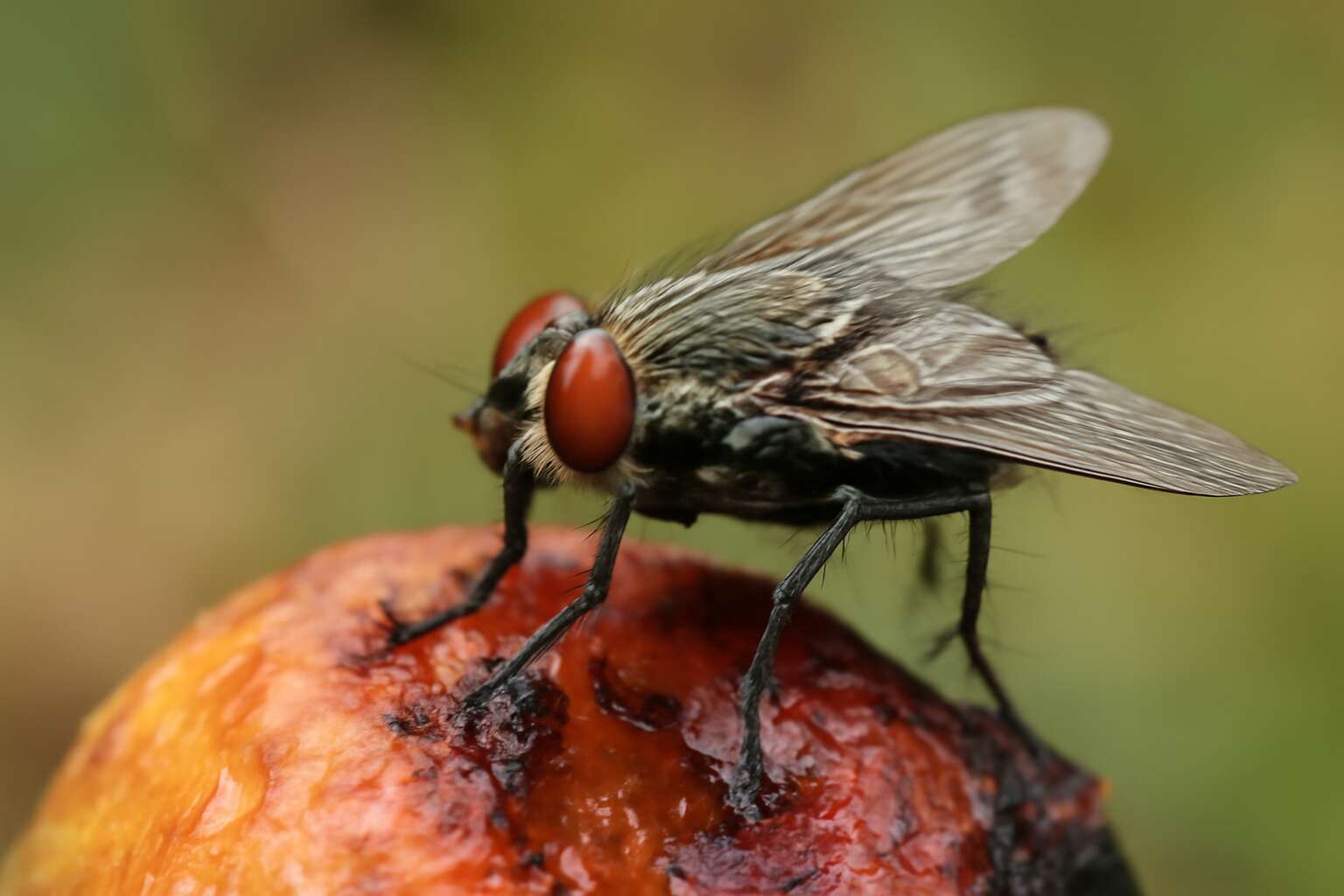
The Biological Role of Flies in Ecosystems
Understanding Flies as Decomposers – How flies contribute to breaking down organic matter
Amid the vast tapestry of life, flies quietly serve as nature’s unsung custodians, their existence intertwined with the delicate balance of ecosystems. A startling 80% of organic waste in South Africa is broken down by these tiny but mighty creatures, illustrating their vital role in maintaining environmental harmony. The question of why flies exist often sparks curiosity, yet their purpose extends beyond mere annoyance—these insects are essential deconstructors in the grand cycle of life.
Understanding why flies exist involves appreciating their function as decomposers. They accelerate the decomposition of organic matter, transforming decayed plant material, animal remains, and waste into nutrient-rich substances that nourish soil and foster new life. This natural process ensures ecosystems remain resilient, preventing the buildup of rotting matter that could otherwise disrupt ecological balance.
Flies, particularly in regions like South Africa, act as biological recyclers. Their larvae, or maggots, consume and break down organic material with remarkable efficiency. This decomposition process not only recycles vital nutrients but also supports a diverse web of life, from soil fungi to larger animals. In essence, the presence of flies is a testament to nature’s ingenuity, revealing why flies exist—to keep the earth fertile and alive!
Pollination and Flies – The importance of flies in pollinating certain plants
While flies are often dismissed as mere nuisances, their role in ecosystems reveals a fascinating layer of biological intricacy. Beyond decomposition, flies are vital pollinators, especially for certain plants that rely exclusively on these insects for reproductive success. In South Africa’s diverse habitats, species like the hoverfly are essential for pollinating native flora, ensuring the perpetuation of unique plant lineages.
Unlike bees, flies tend to thrive in environments where other pollinators may struggle, such as decaying matter or moist conditions. Their adaptability makes them indispensable for maintaining plant biodiversity. Interestingly, some plants have evolved specifically to attract flies, emitting odors that mimic rotting organic material—an invitation that these insects find irresistible. This mutualistic relationship underscores the importance of understanding why flies exist—they are not just decomposers but also crucial agents of pollination.
In fact, the significance of flies extends into agricultural contexts too. Crops like figs and certain orchids depend heavily on fly pollination, illustrating their diverse ecological contributions. Their presence ensures a resilient and thriving ecosystem, highlighting why flies exist as integral cogs in the complex machinery of nature’s balance.
Food Chain Contributions – Flys as a food source for birds, amphibians, and other animals
In the intricate web of life, flies play a crucial yet often overlooked role in sustaining ecological harmony. Beyond their reputation as nuisances, their contribution as a vital food source for a diverse array of animals underscores the question of why flies exist in the first place. Birds, amphibians, and even some small mammals rely heavily on these agile insects to fulfill their nutritional needs. In South Africa’s rich ecosystems, the presence of flies ensures a steady supply of nourishment, supporting the delicate balance of local food chains.
In fact, many predators have evolved specialized hunting strategies to capture flies, recognizing their abundance and nutritional value. For instance, the vibrant sunbirds and frogs are known to eagerly hunt flies, transforming the insects from mere pests into essential components of their survival. This dynamic highlights the importance of flies in fostering biodiversity and maintaining ecological resilience in diverse habitats. The question of why flies exist takes on new depth when we consider their indispensable role in feeding the natural world’s intricate machinery.
Nutrient Recycling – The role of flies in nutrient cycling and soil health
In the complex tapestry of life, understanding why flies exist reveals a profound truth about ecological interconnectedness. Flies are not mere pests but vital agents in nutrient recycling, an essential process that sustains soil health and agricultural productivity in South Africa’s diverse landscapes. Their role as decomposers accelerates the breakdown of organic matter, returning vital nutrients to the earth and supporting plant growth. This cycle ensures that nutrients do not become locked within decaying matter but instead circulate back into the ecosystem, fueling life’s continuous renewal.
Within this natural choreography, flies act as biological catalysts, transforming refuse into fertile soil. Their presence enhances the fertility of degraded lands and contributes to the resilience of ecosystems. The question of why flies exist takes on new meaning when we recognize their indispensable role in maintaining soil vitality — a silent yet powerful force in sustaining life’s delicate balance. Without them, the nutrient flow would falter, and the intricate web of life in South Africa’s ecosystems would weaken, revealing the profound importance of these often-overlooked insects.
Evolutionary Perspective on Flies
Origin and Evolution of Flies – The evolutionary history and adaptations of flies
Flies have been fluttering around Earth for an astonishing 200 million years—long before humans pondered their existence. From an evolutionary standpoint, their resilience and adaptability are nothing short of miraculous. These tiny survivors have undergone a series of remarkable transformations, honing their skills as opportunistic feeders and relentless breeders. Their origin story is intertwined with the rise of flowering plants and decaying organic matter, positioning flies as crucial players in ancient ecosystems.
Over the millennia, flies developed specialized features that make them the ultimate survivors. Their rapid reproductive cycle ensures they can bounce back from almost any environmental catastrophe—think of them as nature’s tiny, flying phoenixes. This evolutionary journey has equipped flies with keen senses, enabling them to locate food sources quickly and evade predators with impressive agility. It’s no wonder they continue to thrive in diverse habitats—from the bustling urban landscape of Johannesburg to the remote wilderness of the Drakensberg.
In fact, their adaptations have led to a fascinating list of roles in the natural world, including:
- Rapid reproductive rates that outpace many other insects
- Highly sensitive sensory organs for locating food and mates
- Specialized mouthparts for feeding on a variety of organic substances
Understanding why flies exist is really about appreciating their extraordinary evolutionary resilience and their unyielding presence across all corners of the globe—proof that even the smallest creatures can have a profound impact on Earth’s ecological tapestry.
Genetic Adaptations – How genetic traits have helped flies survive and diversify
In the grand tapestry of life, flies are among the most resilient and adaptable threads—woven into the very fabric of Earth’s ecological story. Their genetic adaptations are a testament to nature’s ingenuity, allowing them to thrive in environments that would challenge many other species. Through millions of years, flies have developed an astonishing array of traits that continue to serve them well in the relentless dance of survival.
One of the secrets behind why flies exist lies in their genetic flexibility. Their rapid reproduction, for instance, is driven by genes that promote accelerated development cycles—sometimes completing a generation in just a few days. This swift reproductive ability ensures they can quickly rebound from environmental setbacks and colonize new habitats with remarkable ease. Moreover, their sensory organs—fine-tuned through evolutionary fine craft—enable them to detect even the faintest scent of decaying matter or ripe fruit, making them master scavengers and pollinators.
Some of their genetic traits include specialized mouthparts, which have evolved to consume a variety of organic materials—from rotting plant matter to animal remains. This versatility is no accident; it is a crucial factor in why flies exist as pivotal players in nutrient recycling and organic decomposition. Their ability to adapt genetically to diverse habitats—from urban jungles to pristine wilderness—underscores their role as ecological chameleons, quietly shaping the health of ecosystems across the globe.
Role in Evolutionary Ecosystems – How flies have influenced evolutionary processes in other species
In the intricate web of life, flies are often overlooked, yet their influence on evolutionary processes is profound. Their presence has shaped the development of countless species, acting as silent architects of ecological balance. Flies serve as both catalysts and responders, driving natural selection in their environment and inspiring adaptations in other organisms. Their role isn’t just about decomposition; it’s about fostering a dynamic evolutionary dialogue that sustains the delicate harmony of ecosystems.
Throughout history, flies have been pivotal in shaping the evolutionary trajectory of many species. For example, their interactions with plants have led to specialized pollination strategies, and their role as prey has influenced the behavior and physical adaptations of predators. Interestingly, some parasites have evolved alongside flies, creating complex co-evolutionary relationships that demonstrate how interconnected life forms truly are.
- They influence genetic diversity in prey species through predation pressures.
- They promote the evolution of defensive adaptations, such as thick exoskeletons or chemical defenses.
- They encourage diversification among scavengers and decomposers, enriching ecosystems’ resilience.
Understanding why flies exist reveals their unseen yet undeniable influence on evolutionary ecosystems. Their presence sparks a cascade of adaptations, ensuring the continual reshaping of life on Earth—a testament to nature’s relentless drive for survival and innovation. In South Africa’s diverse landscape, this intricate dance of evolution underscores how vital flies are in maintaining the perpetual dynamism of our ecological tapestry.
Why Flies Are Considered Ecological Engineers
Decomposition Processes – Accelerating the breakdown of organic material
In the grand scheme of ecological marvels, flies often get a bad rap—yet, their existence is nothing short of miraculous when you consider why flies exist. These tiny acrobats are the unsung heroes of decomposition, acting as nature’s own cleanup crew. Without them, organic waste would pile up faster than a Johannesburg traffic jam, slowing down the vital process of nutrient recycling.
Flies are considered ecological engineers because of their unparalleled ability to accelerate the breakdown of organic material. They lay eggs in rotting fruit, dead animals, and other organic matter, transforming these once-stagnant piles into fertile soil. Their larvae, or maggots, consume decaying matter with relentless efficiency, turning what would be waste into something useful for the environment. This process not only prevents the spread of disease but also enriches the soil, supporting plant growth and maintaining ecological balance.
In essence, the question of why flies exist is intertwined with their critical role in maintaining healthy ecosystems. They are nature’s recyclers, ensuring that nutrients flow seamlessly through the food chain. So, the next time you see a fly buzzing around decomposing matter, remember—it’s just doing its part to keep our world spinning smoothly.
Microbial Interactions – Flies’ role in promoting microbial activity
In the intricate web of life, flies play a surprisingly vital role—one that often goes unnoticed. Their presence sparks a fascinating microbial interaction, fueling the vital activity of microorganisms that decompose organic matter. Flies act as natural catalysts, introducing microbes into decaying material, which accelerates microbial colonization and activity. This symbiotic relationship not only expedites decomposition but also enhances nutrient recycling, ensuring the soil remains fertile and robust.
By laying their eggs in organic waste, flies create a perfect environment for microbial communities to thrive. The larvae, or maggots, consume decaying material, releasing enzymes that break down complex organic compounds. This process fosters a thriving ecosystem where microbes flourish, transforming waste into nourishing soil. It’s a delicate dance of cooperation that underscores why flies exist—organisms that propel microbial activity and sustain ecological balance.
Understanding why flies exist reveals a profound truth: they are essential players in microbial interactions that drive ecological resilience. Their role as ecological engineers ensures the continuous renewal of nutrients, supporting plant life and maintaining the health of ecosystems. The next time you see a fly, remember—it’s not just a nuisance, but a vital part of the natural machinery that keeps our environment thriving!
Habitat Creation – How fly activity creates habitats for other organisms
In the grand tapestry of ecosystems, flies are often overlooked, yet their presence weaves a crucial thread—acting as ecological engineers that shape habitats in subtle but profound ways. Their activity creates microenvironments teeming with life, transforming decaying organic matter into thriving habitats for countless organisms. This process demonstrates why flies exist not merely as nuisances but as vital architects of ecological balance.
Flies contribute to habitat creation by facilitating the development of specialized niches. For example, their larvae, or maggots, burrow into decomposing waste, aerating the material and allowing oxygen to penetrate. This, in turn, fosters microbial and invertebrate colonization. The resulting microhabitats become bustling hubs of activity for other species, such as predatory insects or amphibians seeking refuge or food sources. In essence, the activity of flies lays the groundwork for a complex web of life, proving that their existence is intricately tied to habitat diversity and resilience.
Furthermore, the role of flies extends beyond mere decomposition. Their activity often leads to the formation of unique ecological niches, especially in neglected or disturbed environments. These niches act as breeding grounds for a variety of organisms, from tiny microorganisms to larger predators, effectively broadening the biological landscape. This natural process underscores why flies exist—because they are catalysts for habitat creation, fostering biodiversity and ecological stability in ways that often go unnoticed.
The Significance of Flies in Scientific Research
Model Organisms – Flies in genetic and biological studies
Within the intricate web of life, the question of why flies exist often sparks curiosity, yet their significance in scientific research remains profound. Flies, particularly the common fruit fly (*Drosophila melanogaster*), have become indispensable model organisms in genetic and biological studies. Their rapid life cycle and genetic simplicity allow scientists to unravel complex biological processes with astonishing clarity.
Why flies exist extends beyond mere curiosity—these resilient creatures hold the key to understanding heredity, development, and evolution. Researchers leverage their genetic traits to explore everything from gene expression to disease mechanisms, making flies a vital part of groundbreaking discoveries. Their genetic adaptability, for example, has provided insights into human health, aging, and even neurodegenerative diseases.
In the realm of scientific inquiry, the role of flies exemplifies how nature’s smallest beings can unlock vast knowledge. Their existence is woven into the fabric of modern biology, illuminating the evolutionary pathways and genetic adaptations that shape life on Earth. Truly, the story of why flies exist is also a story of scientific progress and the unending pursuit of understanding life itself.
Disease Transmission and Control – Understanding how flies spread diseases and how to mitigate it
The unsettling truth about why flies exist goes beyond their pesky presence. These tiny creatures are notorious for their role in disease transmission, making understanding their behavior crucial for public health. Flies, especially species like the common blowfly, act as vectors, carrying bacteria and pathogens from waste to food and humans. This ability to transfer disease underscores the importance of controlling fly populations in urban and rural environments.
But how do we mitigate their impact? Efforts include improved sanitation, insecticide use, and biological control methods. Recognizing why flies exist in the first place helps us develop targeted strategies to curb their spread and protect communities. Their adaptability allows them to thrive in various environments, but with knowledge and vigilance, we can reduce their role in disease transmission and maintain healthier ecosystems.
Environmental Indicators – Using fly populations to monitor ecosystem health
In the intricate web of life, flies occupy a surprisingly pivotal role. Their existence is far from mere nuisance; it is woven into the very fabric of ecological balance. The question of why flies exist often prompts us to look deeper—beyond their irritating swarms—to understand their ecological significance. Flies are natural recyclers, decomposers, and even environmental indicators, silently revealing the health of our ecosystems.
Far from being simple pests, flies serve as bioindicators, providing critical insights into environmental stability. Their populations fluctuate in response to changes in habitat quality, pollution levels, and climate shifts. This makes them invaluable tools for monitoring ecosystem health, especially in regions like South Africa, where environmental integrity is vital for agriculture, biodiversity, and human well-being.
Understanding why flies exist illuminates their role in nutrient recycling and microbial interactions. They accelerate decomposition, facilitating the return of organic matter to the soil—a process essential for sustainable agriculture and soil fertility. Recognizing their importance fosters a more nuanced perspective, encouraging us to see flies not just as nuisances but as vital components of ecological resilience.
Understanding the Presence of Flies in Human Environments
Why Flies Are Drawn to Human Spaces – Food, waste, and moisture attracts flies
Flies are often dismissed as mere nuisances, but their presence in human environments is rooted in a complex ecological purpose. Surprisingly, they play a vital role in maintaining the balance of natural systems, which is why flies exist. Their attraction to human spaces is no accident—food scraps, waste, and moisture form a perfect magnet for these tiny scavengers. Flies thrive on organic matter, which they help decompose by speeding up microbial activity and nutrient recycling. This process is essential for soil health and ecosystem vitality.
Understanding why flies exist involves recognizing their importance in ecological succession. They create habitat for other organisms and contribute to microbial interactions that sustain biodiversity. Their ability to locate food sources efficiently is thanks to remarkable genetic adaptations, enabling them to survive in diverse environments. In essence, flies are more than pests; they are integral to the intricate web of life that sustains natural and human-made ecosystems alike.
Impacts on Public Health – The role of flies in spreading diseases
In the intricate tapestry of life, flies often appear as unwelcome interruptions, yet their presence in human environments carries profound implications for public health. Studies indicate that flies can carry over 100 different pathogens, making their role in disease transmission a matter of serious concern. Their natural instinct to seek out organic waste transforms them into inadvertent vectors of disease, especially in settings where hygiene is compromised.
Understanding why flies exist is essential to grasping their impact on health. Flies are notorious for spreading illnesses such as salmonella, cholera, and dysentery. They land on contaminated surfaces, food, and waste, transferring bacteria and viruses with uncanny efficiency. This biological trait underscores why flies are more than mere nuisances—they are unwitting carriers that can jeopardize community health.
In densely populated areas, the presence of flies correlates with increased risks of outbreaks. To mitigate this, public health initiatives emphasize controlling fly populations and sanitation. Recognizing why flies exist helps us appreciate their role in ecosystems, but it also reminds us of the importance of vigilance in safeguarding human health from their potential to spread dangerous diseases.
Control and Prevention Strategies – Ways to reduce fly populations and prevent infestations
Understanding why flies exist in human environments is crucial for effective control and prevention. While they are often seen as mere pests, flies play a complex role in our ecosystems. Their presence is largely driven by the availability of organic waste, moisture, and food sources—elements that are abundant around homes and urban settings. This attraction makes them adept at infiltrating spaces where hygiene is compromised, posing significant public health risks.
To curb their numbers, integrated control strategies are essential. These include eliminating breeding sites, such as uncovered trash bins and stagnant water, and maintaining strict sanitation standards. Additionally, physical barriers like screens and fly strips can significantly reduce their entry into indoor spaces. For larger infestations, chemical repellents or targeted insecticide applications may be necessary. Implementing these measures reduces fly populations and minimizes their ability to transmit diseases, addressing the core question of why flies exist in the first place.
Public health initiatives also focus on community awareness. Educating residents about proper waste disposal and the importance of cleanliness can dramatically lower fly activity. After all, understanding why flies exist helps us appreciate their ecological functions, but it also underscores the importance of vigilance in preventing their proliferation in human habitats. The goal is not just to control flies but to break the cycle of their presence and safeguard health.


0 Comments