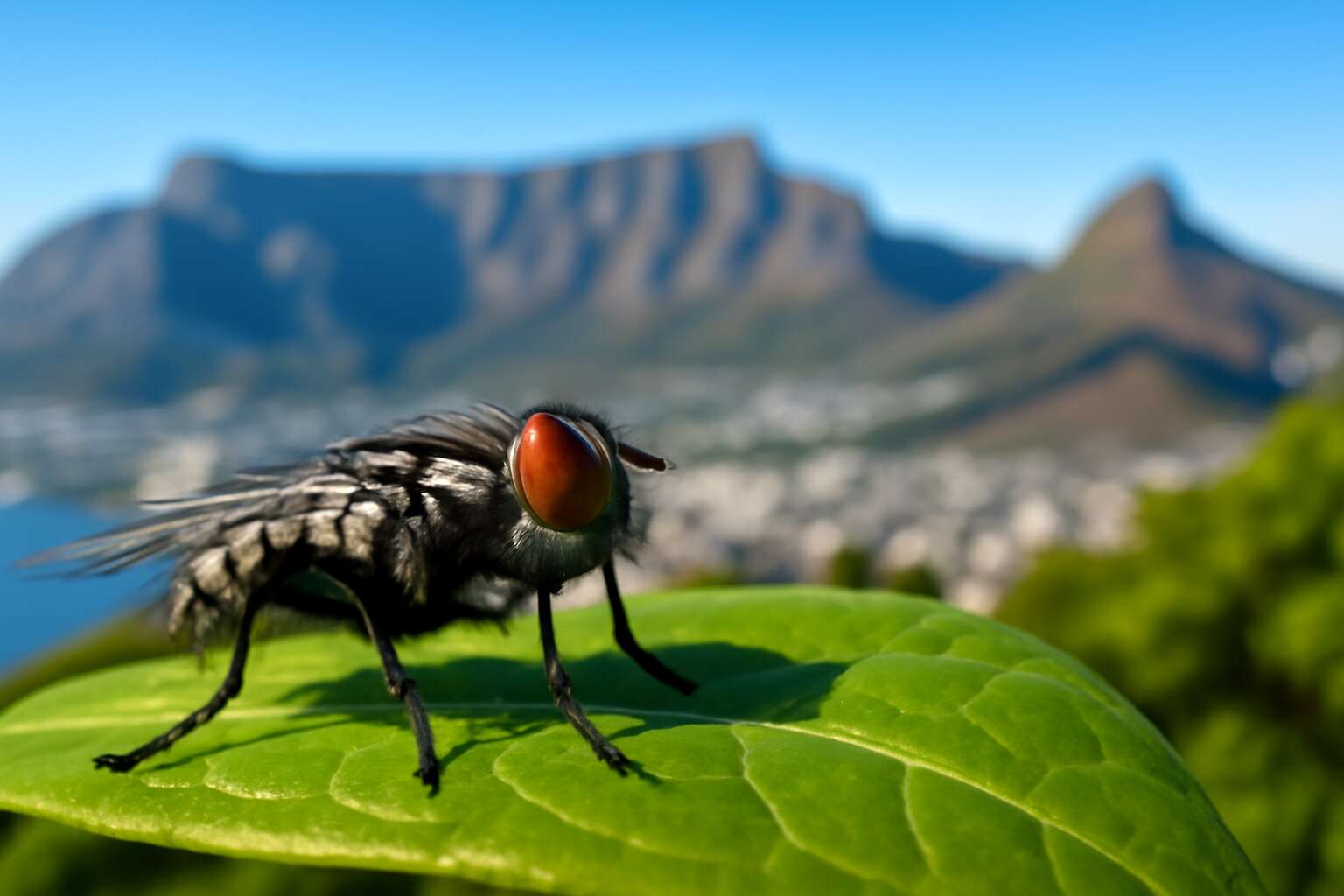
Understanding the Common Types of Flies in Cape Town
House Flies – Characteristics and Behavior
Cape Town’s bustling streets and sun-drenched beaches seem idyllic—until you’re greeted by the unwelcome company of flies in Cape Town. These tiny invaders are more than just a nuisance; they’re persistent little architects of chaos, often congregating where food, waste, and moisture collide. House flies, in particular, are notorious for their uncanny ability to turn any domestic scene into a fly-fest.
What makes house flies in Cape Town so fascinating (or infuriating, depending on your tolerance) is their behavior. They’re not picky eaters—rotting fruit, discarded food scraps, even pet waste all serve as gourmet dining options for these winged freeloaders. Their rapid reproductive cycle means a single fly can spawn hundreds of offspring in just a few weeks, transforming your tidy home into a fly sanctuary faster than you can say “extermination.”
Understanding the characteristics and behavior of house flies in Cape Town is key to keeping them at bay. These flies are attracted to warmth, light, and the scent of decomposing organic matter. Their presence is often a telltale sign of underlying hygiene issues, making it essential to tackle their habitat head-on. Keep an eye out for common breeding sites, which include drains, trash bins, and uncleaned surfaces. The more you know about their habits, the better your chances of evicting these unwelcome guests from your home or business.
Fruit Flies – Identification and Typical Habitats
Among the many winged nuisances fluttering through Cape Town’s vibrant streets and lush gardens, the diversity of flies in Cape Town reveals a fascinating tapestry of tiny creatures with distinct habits and habitats. Fruit flies, in particular, are a common yet intriguing presence, often mistaken for more sinister pests. These minuscule invaders are easily identified by their small size and distinctive red eyes, flitting effortlessly around overripe fruit or fermenting beverages.
Typically, fruit flies prefer warm, humid environments where organic matter has begun to decompose. Their favorite habitats include kitchen counters, compost heaps, and neglected trash bins—a testament to the importance of diligent sanitation. The attraction lies in their uncanny ability to detect fermenting sugars and yeasts from a distance, turning even the tiniest spill into a breeding ground. Understanding where these flies in Cape Town thrive helps in unraveling the complex web of urban and natural ecosystems they inhabit.
Stable Flies – Impact on Homes and Livestock
Among the shadows that dance in Cape Town’s twilight, a darker reality persists—underneath the city’s vibrant veneer, the impact of stable flies lurks, often underestimated yet profoundly felt. These relentless pests, with their piercing bites and insidious presence, threaten both homes and livestock, casting a pall over the peace of rural farms and urban dwellings alike.
Unlike their more benign cousins, stable flies (Stomoxys calcitrans) are notorious for their biting habits, feeding relentlessly on blood—be it from cattle, horses, or unwary humans. Their impact is far-reaching, causing distress and potential disease transmission. Livestock suffers in silence, their vitality sapped by these persistent invaders, while households grapple with the nuisance of biting, itchy skin.
Understanding the behavior of flies in Cape Town reveals a sinister pattern:
- They breed in decaying organic matter, often found in neglected compost heaps and farmyards.
- Temperature and humidity serve as their dark catalysts, igniting their proliferation during the warmer months.
- Infestation can escalate rapidly, transforming a minor annoyance into a persistent plague.
In the shadowed corners of the city and countryside, stable flies carve their silent dominion—an unyielding testament to the delicate balance between human habitation and the natural world’s darker elements. Recognizing the threat posed by these flies in Cape Town is essential to unravelling the web of pestilence that threatens both health and livelihood in this land of contrasts.
Metallic Flies – Overview and Notable Species
When exploring the diverse world of flies in Cape Town, one group often overlooked yet striking in appearance is the metallic flies. These insects are distinguished by their iridescent exteriors, shimmering with hues of green, blue, or bronze. Their vibrant coloration isn’t just for show; it’s a survival tactic that confuses predators and helps them blend into the reflective surfaces of the environment.
Notable species of metallic flies in Cape Town include the common Green Bottle Fly (Lucilia sericata) and the Blue Blow Fly (Calliphora vicina). These flies are frequently encountered around decaying organic matter, making them a familiar sight in urban waste areas and rural farms alike. Their presence hints at underlying issues related to sanitation and waste management, which can exacerbate the proliferation of flies in Cape Town.
Understanding the behavior of these notable species is crucial since they often serve as vectors for disease transmission and can become a significant nuisance during warmer months. Their ability to breed quickly in contaminated environments means that infestations can escalate rapidly, turning a simple annoyance into a persistent problem. Recognizing the unique traits of metallic flies helps in managing their impact, especially in a city where urban and rural landscapes intersect so seamlessly.
Mosquitoes – Public Health Concerns and Prevention
In the bustling tapestry of Cape Town’s vibrant ecosystem, the presence of various flies adds an invisible thread weaving through urban and rural landscapes alike. Beyond their unassuming appearance lies a complex world of species, each with its own story to tell. While some flies in Cape Town are mere nuisances, others pose significant public health concerns that demand our attention.
Mosquitoes, often underestimated in their silent menace, are among the most notorious carriers of disease. Their bites can transmit ailments such as malaria, dengue, and Zika virus—risks that are amplified during warmer months when their breeding grounds flourish. The key to curbing their impact lies in understanding their life cycle and breeding habits. For instance, mosquitoes lay their eggs in stagnant water, turning every puddle or uncovered container into a potential nursery.
- Eliminate standing water around homes and gardens.
- Use mosquito screens and repellents to create a barrier.
- Ensure proper waste disposal to prevent water accumulation.
In Cape Town, the diversity of flies in Cape Town, from biting mosquitoes to other nuisance species, underscores the importance of vigilant prevention. Recognizing their habitats and behaviors not only helps in managing their populations but also protects public health from the silent threats they carry. As the city’s landscapes intertwine, so too do the stories of these tiny, yet impactful, creatures—reminding us of the delicate balance between humans and the insect world they inhabit.
Factors Contributing to Fly Infestations in Cape Town
Climate and Weather Patterns – How Cape Town’s Climate Affects Flies
Cape Town’s unique climate serves as a veritable playground for flies in Cape Town, transforming the city into a hotspot for these unwelcome guests. With its Mediterranean weather—warm, dry summers and mild, wet winters—the conditions foster a perfect breeding ground for various fly species. The dry season, in particular, encourages flies to seek out moisture and organic waste, turning every park bench and outdoor café into potential fly zones.
The unpredictable weather patterns add a layer of complexity, with sudden thunderstorms providing temporary respite but often creating prime breeding sites in stagnant water pools. This cyclical dance of drought and deluge means flies in Cape Town thrive on the very fluctuations that define the region’s climate. For those keen on understanding the intricacies, the presence of organic debris and exposed refuse only amplifies the problem, turning urban and rural areas into fertile grounds for fly proliferation.
Urban and Rural Environments – Differences in Fly Populations
In the bustling urban sprawl and the tranquil rural pockets of Cape Town, the factors fueling flies in Cape Town are as diverse as the city’s landscapes themselves. While city life inadvertently creates a buffet of organic waste and exposed refuse, the countryside offers its own set of challenges—namely, livestock and manure, which serve as prime breeding grounds. It’s a veritable feast for these unwelcome guests, regardless of location.
Urban areas tend to have a higher concentration of flies in Cape Town due to overflowing trash bins, food scraps, and poorly managed waste disposal. Conversely, rural environments are more affected by agricultural practices, with farmyard detritus and animal waste providing ideal breeding sites. Interestingly, the differences in fly populations between these settings often mean that pest control strategies need to be tailored—what works in the city might be utterly useless in the veld.
- Urban zones: dominated by house flies and fruit flies, thriving on human-made waste and spoiled produce.
- Rural regions: more affected by stable flies and those attracted to livestock and manure.
Ultimately, the interplay of climate, human activity, and natural habitats creates a complex tapestry of fly proliferation across Cape Town. Understanding these nuances helps explain why the city is such a hotspot for flies in Cape Town, no matter where you look.
Waste Management and Sanitation – Role of Garbage Disposal in Attracting Flies
In the shadowed corners of Cape Town’s bustling streets and serene countryside, one sinister truth persists: waste management and sanitation play pivotal roles in fueling the relentless surge of flies in Cape Town. Every discarded banana peel, every overflowing bin becomes an invitation for these unwelcome creatures to thrive in the murky depths of decay. The grotesque allure of rotting refuse acts as a magnet, drawing flies into a dark ballet of infestation.
Where sanitation falters, the infestation deepens. Poorly managed garbage disposal—often overlooked in the frantic pace of urban life—creates ideal breeding grounds for house flies and fruit flies. These pests breed rapidly within the organic chaos, turning neglected waste into a breeding ground for future swarms. It’s a macabre cycle, where neglect in waste management feeds the proliferation of flies in Cape Town.
In rural enclaves, the scenario is equally grim—manure and farmyard detritus serve as fertile ground for stable flies and other species, magnifying the pest problem beyond city limits. The interplay of climate, human neglect, and natural decay crafts a perfect storm—one that sustains the dark dance of flies across Cape Town’s varied landscapes.
Water Sources – Stagnant Water and Breeding Grounds
Stagnant water acts as a silent magnet for flies in Cape Town, turning quiet pools and neglected drains into breeding sanctuaries. These tranquil yet treacherous water sources create the perfect environment for fly larvae to flourish, especially during the warmer months when activity spikes. Flies are quick to exploit these overlooked niches, multiplying rapidly and spreading throughout the region.
In fact, standing water isn’t just a nuisance—it’s a pivotal factor contributing to fly infestations in Cape Town. Whether it’s an abandoned tire, an overflowing gutter, or a neglected pond, each becomes an incubator for fly populations. The presence of stagnant water dramatically elevates the risk of infestation, turning urban and rural environments alike into hotspots for these unwelcome pests.
To understand the scope of the problem, consider these common breeding grounds:
- Uncleaned water containers
- Blocked drains
- Flooded areas after heavy rains
In Cape Town’s unique climate, where dry spells alternate with sudden downpours, these water bodies often remain stagnant for extended periods. This persistence intensifies the fly problem, as each breeding cycle accelerates. The more stagnant water sources there are, the more flies in Cape Town thrive—fueling a cycle that’s as relentless as it is disturbing.
Health Risks Associated with Flies in Cape Town
Disease Transmission – What’s at Risk
In Cape Town’s vibrant tapestry of life, flies in Cape Town pose more than just an annoyance—they are unwelcome vectors for serious health risks. These persistent insects, often dismissed as mere nuisances, carry with them the potential to transmit a host of diseases that threaten public well-being.
The danger lies in their innate ability to pick up pathogens from contaminated surfaces, waste, and decaying matter, then transfer them to food and surfaces humans come into contact with daily. This process of disease transmission can lead to illnesses such as salmonella, cholera, and dysentery. The presence of flies in Cape Town’s urban and rural settings underscores the importance of vigilant sanitation and waste management.
Understanding the risks associated with flies in Cape Town reveals a stark reality: these insects are more than a minor inconvenience—they are a critical factor in the spread of disease, demanding both awareness and proactive measures to safeguard health.
Food Contamination – Preventing Cross-Contamination
In the shadowed corners of Cape Town’s bustling markets and quiet alleyways, the presence of flies in Cape Town whispers a dark warning—an unseen threat hovering just beyond sight. These insects, often dismissed as mere nuisances, are silent vectors of contamination that can turn a simple meal into a perilous affair. Their insidious role in food contamination is a ghostly echo of decay and disease, lurking in the most unsuspected places.
When flies in Cape Town land on exposed food or unsealed containers, they carry with them a host of pathogens—salmonella, cholera, and dysentery—ready to infect those who partake. The transfer of these microorganisms often occurs through contact with contaminated surfaces or waste, making the battle against flies a crucial front in safeguarding public health. Their relentless search for sustenance makes every encounter a potential crossroad of infection.
Preventing cross-contamination is an ongoing struggle, demanding vigilance in sanitation and waste management. Keep food covered, ensure waste is securely contained, and eliminate stagnant water sources—each act a barrier against the persistent march of flies in Cape Town. As the shadows lengthen, so does the importance of understanding their role in the delicate balance of health and disease in this vibrant city.
Allergic Reactions – Sensitivity to Fly-Borne Allergens
While flies in Cape Town may seem like insignificant pests, their presence can pose serious health risks, especially for sensitive individuals. Allergic reactions to fly-borne allergens can manifest suddenly, causing symptoms that range from sneezing and itchy eyes to more severe respiratory issues. For many residents and visitors alike, these tiny intruders become unwelcome triggers that compromise comfort and well-being.
In some cases, repeated exposure to flies in Cape Town can lead to heightened sensitivities. The proteins found in their saliva and waste are often the culprits behind allergic responses. People with pre-existing respiratory conditions, such as asthma, are particularly vulnerable. The invisible threat of allergens carried by flies underscores the importance of vigilant sanitation and strict waste management practices.
Understanding the health risks associated with flies in Cape Town goes beyond mere nuisance control. It’s about safeguarding community health, especially in densely populated areas or places where food is prepared and served. The delicate balance between urban life and health hinges on the ability to minimize contact with these persistent insects and their allergens, ensuring a safer environment for all.
Effective Fly Control and Prevention Strategies
Sanitation Practices – Reducing Breeding Sites
In the shadowed corners of Cape Town’s vibrant landscape, an insidious threat lurks—flies in Cape Town, relentless in their pursuit of decay and filth. Their presence is more than mere nuisance; it’s a silent herald of contamination and disease. To combat these winged specters, effective fly control begins with rigorous sanitation practices. By meticulously reducing breeding sites, one can significantly diminish the scourge of flies that plague homes and businesses alike.
Sanitation acts as the first line of defense, stripping away the dark sanctuaries where these pests thrive. Removing organic waste, cleaning up spilled food, and sealing trash bins can turn the tide against their proliferation. An often-overlooked measure is the elimination of stagnant water—an alluring oasis for flies in Cape Town to breed. Implementing a systematic approach, such as:
- Regularly emptying and sanitizing garbage receptacles,
- Ensuring drains are clear and free-flowing,
- Covering compost heaps securely, and
- Fixing leaks that create water puddles,
can drastically reduce breeding grounds. In this dance of decay and cleanliness, every effort counts—turning the tide against flies that threaten the sanctity of our spaces, and restoring a measure of peace amid Cape Town’s ever-shifting climate. For those who understand the true cost of neglect, sanitation becomes not just a routine but a sacred act of preservation against the macabre swarm of flies in Cape Town.
Physical Barriers – Screens and Fly Nets
In the battle against flies in Cape Town, physical barriers stand as silent sentinels guarding your sanctuary. These simple yet potent defenses—screens and fly nets—form an unyielding barrier that keeps winged invaders at bay. When crafted with care, they transform open windows and doorways into secure gateways, allowing the breeze to dance through while preventing the unwelcome ingress of flies. Such measures are particularly vital in Cape Town’s warm, breezy climate, where open-air living is a cherished tradition.
Installing durable screens or fly nets is a proactive strategy that offers immediate relief. They are unobtrusive, blending seamlessly with your décor, yet their effectiveness in preventing flies in Cape Town from infiltrating living spaces cannot be overstated. For added peace of mind, consider the following:
- Ensuring all entry points are sealed with fine-mesh screening
- Regularly inspecting and repairing any tears or gaps in the nets
- Using magnetic or roll-up screens on frequently used doors
These physical barriers do more than just block flies; they preserve the sanctity of your environment, making it inhospitable to the relentless swarm. When combined with vigilant sanitation practices, screens and fly nets form an impenetrable fortress against the persistent challenge of flies in Cape Town, allowing you to enjoy your space in peace and serenity.
Chemical Interventions – Insecticides and Fly Sprays
In the battle against flies in Cape Town, chemical interventions serve as a formidable line of defense, wielding the power of insecticides and fly sprays to swiftly quell burgeoning swarms. These potent formulations, when used judiciously, can create an instant barrier that halts flies in their tracks, especially in areas prone to infestations. The key lies in selecting the right product tailored to the specific species and environment, ensuring maximum efficacy without compromising safety.
For enduring results, many professionals recommend a strategic approach that combines the use of residual insecticides and targeted fly sprays. Applying residual sprays around entry points, such as doorways and window frames, creates a chemical barrier that discourages flies from settling in. Meanwhile, handheld or aerosol fly sprays provide immediate relief when pesky flies are actively invading your space.
- Always follow manufacturer instructions for safe and effective application.
In regions like Cape Town, where the climate fosters rapid fly breeding, integrating chemical interventions with physical barriers and sanitation practices can dramatically reduce fly populations. This layered approach transforms your environment into a less hospitable zone for these persistent invaders, allowing you to enjoy your sanctuary free from their unwelcome presence.
Natural and Eco-Friendly Methods – Plant-Based Repellents and Traps
In the shadowed corners of Cape Town, where the sun’s relentless gaze scorches the earth, a silent menace lurks—flies in Cape Town. These unwelcome specters thrive amidst the city’s vibrant chaos and rural serenity alike, their presence a constant reminder of nature’s darker rhythms. Yet, amidst this perpetual dance of decay and renewal, natural and eco-friendly methods emerge as a beacon of hope—an elegant rebellion against their relentless invasion.
Plant-based repellents and traps weave a delicate web of resistance, harnessing the power of nature’s own defenses. Basil, lavender, and mint stand as sentinels at doorways, their fragrant aura whispering a warning to the winged invaders. Additionally, traps fashioned from fermenting fruits or vinegar attract flies in Cape Town with an irresistible charm, trapping them in silent captivity. These methods not only diminish the fly population but also preserve the sanctity of your space without the harshness of chemical warfare.
For those seeking a layered strategy, combining these gentle tactics with physical barriers—such as mesh screens and fly nets—creates an impenetrable fortress. The battle against flies in Cape Town is won not solely through brute force but through a symphony of natural resistance, turning your environment into a sanctuary untouched by the macabre dance of these pesky invaders. In a city where the climate fosters rapid breeding, embracing eco-friendly methods becomes a poetic act of resilience—an ode to harmony with nature’s intricate balance.
Professional Pest Control Services – When to Call the Experts
In Cape Town’s vibrant tapestry, where the mountain shadows dance with the sunlit coastlines, an unseen threat can quietly undermine tranquility—flies in Cape Town. These persistent creatures are more than mere nuisances; they are carriers of disease and harbingers of decay, thriving in both urban nooks and rural retreats. When their numbers swell, it’s time to consider effective fly control and prevention strategies that transcend mere annoyance.
While natural methods offer a harmonious approach, sometimes the scale of the infestation demands professional intervention. Expert pest control services in Cape Town employ sophisticated techniques that target the root of the problem—eliminating breeding grounds and disrupting the lifecycle of flies. These specialists use environmentally conscious insecticides and integrated pest management plans designed to respect the city’s ecological balance.
When should you call in the professionals? If fly populations persist despite your efforts, or if health risks escalate due to disease transmission, it’s time to seek expert assistance. A seasoned pest control team can assess your environment, identify hidden breeding sites, and deploy tailored solutions to restore harmony in your space. Remember, in the battle against flies in Cape Town, the combined wisdom of natural tactics and professional expertise creates a resilient fortress against these unwelcome invaders.
DIY Tips for Managing Flies at Home in Cape Town
Home Cleanliness – Routine Cleaning Habits
In the silent hours of the Cape Town evening, a whisper of annoyance often emerges—flies in Cape Town are more than mere nuisances; they are a reflection of our environment and habits. Maintaining a clean home isn’t just about aesthetics; it’s a crucial step in managing these persistent intruders. Routine cleaning habits can significantly diminish the allure that attracts flies, especially in a climate that fosters breeding grounds. By regularly wiping surfaces, disposing of organic waste properly, and ensuring that no food remnants are left exposed, homeowners create an environment less hospitable to these unwelcome guests.
One of the simplest yet most effective DIY tips is to establish a disciplined waste management routine. Ensure that garbage bins are sealed tightly and emptied frequently. Additionally, cleaning drains and ensuring no stagnant water collects around the property can drastically reduce fly populations. For those seeking an extra layer of defense, creating natural repellents using herbs like basil or mint can act as a subtle yet effective barrier against flies in Cape Town. When combined, these practices foster a healthier, fly-free home environment—an essential sanctuary amid the city’s vibrant but sometimes pest-prone landscape.
Proper Food Storage – Keeping Food Sealed and Safe
In Cape Town’s vibrant tapestry, the relentless presence of flies in Cape Town can tarnish the city’s natural charm and disrupt the serenity of your home. Proper food storage emerges as an elegant yet essential safeguard against these unwelcome intruders. When food remnants are left exposed or improperly sealed, they act as irresistible magnets for flies seeking sustenance amidst our warm, sun-kissed climate.
Securing your culinary delights is more than a matter of aesthetics; it’s a strategic move to maintain hygiene and peace of mind. Consider implementing a simple routine:
- Seal all food containers tightly
- Dispose of organic waste promptly
- Ensure compost bins are covered
by doing so, you deprive flies in Cape Town of their breeding grounds, curbing their numbers naturally. The use of airtight storage not only preserves freshness but also transforms your kitchen into a fortress against these persistent pests, allowing you to bask in the city’s beauty without the nuisance of flies overshadowing your sanctuary.
Waste Disposal – Best Practices for Trash Management
When it comes to managing flies in Cape Town, waste disposal is the unsung hero—or villain—in your battle against these persistent pests. A staggering fact: improperly managed trash can turn your home into a fly magnet faster than you can say “stink bomb.” The secret lies in adopting best practices for trash management that make your rubbish less appealing to these winged invaders.
First, always use sturdy, sealable bins—no flimsy plastic bags that surrender at the first gust of wind. Regularly empty and clean your bins to eliminate residual odors that attract flies in Cape Town. Consider positioning your trash cans away from living areas to keep the pests at bay and maintain a fly-free zone.
For extra peace of mind, implement a simple routine:
- Disposal of organic waste should be prompt and thorough.
- Ensure compost bins are covered tightly.
These small steps significantly reduce breeding grounds and help keep flies in Cape Town under control. Remember, a clean home isn’t just about aesthetics; it’s your best defense against the relentless swarm of flies that can invade your sanctuary, especially in Cape Town’s warm climate.
Use of Homemade Traps – Simple and Effective Solutions
When it comes to managing flies in Cape Town, ingenuity often outperforms chemical interventions. DIY traps stand as a testament to this truth—simple, cost-effective, and surprisingly effective. These homemade solutions harness the natural instincts of flies, turning their own behavior against them. You might be surprised at how quickly they can clear your space, creating a sanctuary free from the relentless buzz of these unwelcome guests.
One of the most straightforward methods involves using a jar filled with a mixture of apple cider vinegar and a few drops of dish soap. The vinegar attracts the flies, while the dish soap breaks the surface tension, trapping them inside. For added efficacy, you can cover the jar with plastic wrap and poke tiny holes—flies in Cape Town will find their way in but struggle to escape. This approach is not only eco-friendly but also remarkably effective in reducing the local fly population within your home environment.
Another clever DIY trap involves creating a sugar-water solution with a splash of wine or beer. Pour the mixture into a bowl and set it near problem areas. Flies in Cape Town are drawn to the fermenting aroma, and once they land, they often find themselves unable to break free. Placing these traps in strategic locations—near trash cans or fruit bowls—can significantly diminish breeding grounds, especially during Cape Town’s warm, inviting climate.
By employing these homemade traps, homeowners can turn their spaces into sanctuaries, keeping flies in Cape Town at bay without relying solely on commercial insecticides. With a dash of creativity and a pinch of patience, managing flies becomes less of a battle and more of a craft—one that restores peace and hygiene to your home environment.
When to Seek Professional Fly Control Services in Cape Town
Signs of Severe Infestation – Indicators for Professional Intervention
In the intricate dance between humans and their environment, the presence of flies in Cape Town often signals more than mere annoyance; it’s a whisper of underlying issues that demand attention. When these insects swarm in overwhelming numbers, their persistent presence can threaten both health and hygiene. Recognizing the signs of a severe infestation is crucial before it spirals out of control, transforming a minor nuisance into a serious health hazard.
Indicators for professional intervention include a sudden surge in fly activity, especially in areas with poor sanitation or stagnant water sources. If you notice an increase in the frequency of flies around your home or business, coupled with an unrelenting smell or visible breeding sites, it’s time to seek expert help. Ignoring these signs can lead to the proliferation of disease-carrying flies in Cape Town, making professional fly control services not just a choice, but a necessity. Remember, when dealing with flies in Cape Town, swift action can prevent a full-blown epidemic and safeguard your environment from further contamination.
Choosing the Right Pest Control Company – What to Look For
When the swarms of flies in Cape Town become relentless, it’s more than just a minor nuisance—it’s a red flag signaling the need for professional intervention. Recognizing the right moment to call in experts can make all the difference in preventing a full-blown infestation that threatens health and hygiene. If you notice an exponential increase in fly activity, especially around areas with poor sanitation or stagnant water, it’s time to act swiftly.
Choosing the right pest control company in Cape Town requires careful consideration. Look for a service provider with proven experience in managing flies in Cape Town, as local expertise is vital given the city’s unique climate and environmental factors. Transparency about treatment methods and the use of eco-friendly solutions can also be a deciding factor. Additionally, reputable companies should offer a comprehensive inspection to identify breeding sites and tailor their approach accordingly.
- Verify licensing and certification—ensure the pest control professionals are accredited and adhere to safety standards.
- Seek reviews or references from previous clients, especially those who faced similar fly issues in Cape Town.
- Inquire about integrated pest management strategies that combine chemical and natural methods, ensuring effective yet environmentally conscious control.
Ultimately, selecting a pest control company that understands the intricacies of flies in Cape Town will provide peace of mind and a cleaner, healthier environment. Remember, the right choice isn’t just about eradication—it’s about sustainable prevention and safeguarding your space from future invasions.


0 Comments