Understanding Flies Reproduction
Overview of Flies Lifecycle
Flies reproduction is a marvel of biological efficiency, a relentless cycle that underscores their resilience and adaptability. In South Africa’s diverse ecosystems, flies play a crucial role in both nature’s decomposition process and as vectors in disease transmission. Understanding their lifecycle reveals a complex dance of survival that often goes unnoticed but is undeniably fascinating.
At the heart of flies reproduction lies a rapid and prolific process. Female flies lay hundreds of tiny eggs, often in decaying organic matter or exposed flesh, ensuring their genetic legacy endures. These eggs hatch within a matter of hours into larvae, which voraciously feed and grow through several instars. The larvae then pupate, transforming into adult flies in as little as a few days under optimal conditions. This swift cycle allows flies to multiply exponentially, making their reproduction a critical factor in their resilience and persistence.
- The female deposits eggs in a suitable environment.
- Eggs hatch into larvae, which feed voraciously.
- Larvae pupate, emerging as adult flies ready to perpetuate the cycle.
Such an efficient reproduction process explains why flies are often considered pests, but it also underscores their vital ecological roles. Their lifecycle, from egg to adult, exemplifies nature’s relentless drive for survival and adaptation, reminding us how intricate and interconnected the web of life truly is.
Importance of Reproduction in Fly Population Dynamics
Understanding flies reproduction is essential for grasping how these resilient insects maintain their populations. Their rapid reproductive cycle fuels the exponential growth often observed in urban and rural environments across South Africa. This process ensures that flies remain ubiquitous, thriving in diverse ecological niches despite efforts to control them. Their reproductive efficiency highlights their role as both vital decomposers and unwelcome pests.
The importance of flies reproduction in shaping population dynamics cannot be overstated. It is driven by a straightforward yet astonishingly effective strategy: female flies lay hundreds of eggs in nutrient-rich environments, such as decaying organic matter. These eggs hatch swiftly into larvae, which voraciously feed and grow through several instars. Once mature, the larvae pupate and emerge as adult flies, ready to reproduce anew. This cycle can occur within just a few days under optimal conditions, allowing populations to burgeon rapidly.
Such prolific reproduction isn’t merely a biological marvel; it has profound implications for ecological balance and public health. Flies reproduction directly influences the number of flies present in an area, impacting everything from natural decomposition processes to the spread of disease. Their ability to reproduce so efficiently underscores why managing fly populations remains a persistent challenge—yet, it also reminds us of the intricate dance of survival that defines life itself.
Types of Flies and Reproductive Variations
Common House Flies
Among the many bizarre facets of flies reproduction, the sheer diversity of fly species and their reproductive quirks make you wonder if evolution had a mischievous sense of humor. In South Africa, the common house fly (Musca domestica) is a prime example of reproductive efficiency—laying up to 500 eggs in just a few batches. But not all flies follow this straightforward script. Some species have evolved remarkable reproductive variations that ensure their survival in even the most hostile environments.
For instance, certain flies exhibit different mating behaviors and reproductive strategies, such as:
- Oviposition in decaying organic matter, providing a nutrient-rich nursery for their larvae.
- Rapid life cycles that can complete in as little as a week, making their population explosion almost unstoppable.
- Some species engage in complex courtship rituals, turning the mundane act of reproduction into a spectacle worthy of a nature documentary.
Understanding these reproductive variations is key to managing fly populations effectively—especially in regions where their presence is as persistent as a stubborn houseguest. Flies reproduction isn’t just about laying eggs; it’s an intricate dance that ensures their survival across myriad environments, from the bustling urban areas of South Africa to the wild and remote corners of the continent.
Blow Flies and Their Reproductive Habits
Within the intricate realm of flies reproduction, few creatures exemplify adaptability as vividly as the blow flies. These resilient insects have evolved reproductive habits that turn decay into nurseries, transforming carrion into bustling hubs of larval life. Unlike their more straightforward cousins, blow flies demonstrate a remarkable ability to thrive in environments that would deter lesser species.
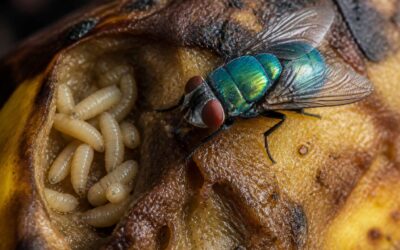
Blow flies lay their eggs directly on decomposing organic matter, ensuring their larvae immediate access to nourishment. Their rapid life cycle, often completing in less than a week, fuels explosive population growth that can outpace predators and environmental challenges. This swift reproductive strategy makes blow flies some of the most efficient reproducers in the insect kingdom.
Interestingly, some blow fly species engage in complex courtship rituals, turning what seems like a mundane act into a mesmerizing display of aerial acrobatics and visual signals. Such behaviors not only enhance reproductive success but also underscore the astonishing diversity within flies reproduction strategies. From South Africa’s vast savannahs to urban alleyways, these reproductive quirks ensure the survival and proliferation of blow flies across countless ecosystems.
Fruit Flies: Reproduction Patterns
In the shadowed corners of life’s decay, flies reproduction unfolds in a ballet of relentless renewal. Among these spectral insects, fruit flies stand out for their peculiar and rapid reproductive patterns, turning fleeting moments into prolific generations. Their ability to reproduce swiftly is a testament to nature’s dark ingenuity, allowing them to thrive even in the most hostile environments.
Unlike their more resilient cousins, fruit flies lay their eggs on fermenting fruit and organic matter, where larvae find immediate sustenance. Their reproductive cycle can be completed in as little as ten days, fueling astonishing population explosions. This rapidity ensures that their numbers can swell exponentially, often outpacing predators and environmental fluctuations.
- Eggs hatch within 24 hours
- Larvae feed voraciously on decaying matter
- Pupation lasts about 4 to 6 days before emerging as adult flies
Such reproductive versatility, combined with their uncanny ability to adapt to urban and rural landscapes alike, makes fruit flies a symbol of relentless reproduction. Their fleeting yet ferocious life cycle embodies the darker beauty of flies reproduction—an eternal cycle of decay, rebirth, and survival in the shadows of human existence.
Other Fly Species and Their Unique Reproductive Traits
Flies are among the most adaptable creatures on the planet, and their reproductive strategies reflect this resilience. While fruit flies are well-known for their rapid reproductive cycle, other fly species have evolved unique reproductive traits that suit their environments. These variations not only demonstrate the diversity within flies reproduction but also highlight how different species optimize their chances of survival.
For instance, blow flies, which often arrive swiftly at carrion, lay their eggs in decaying flesh. Their reproductive process is remarkably efficient—eggs hatch within hours, and larvae develop quickly, ensuring rapid population growth in a matter of days. Meanwhile, house flies prefer to lay their eggs on organic waste or manure, with each female capable of producing hundreds of eggs during her lifetime. Their reproductive versatility allows them to thrive in urban landscapes, turning human waste into a breeding ground.
Some species even exhibit unique reproductive traits that set them apart:
- Extended pupation periods in certain dipterans adapt to seasonal changes.
- Oviposition behavior varies significantly—some lay eggs singly, while others cluster their eggs for protection.
- Reproductive cycles can be influenced heavily by environmental factors such as temperature and humidity, ensuring that each species can exploit its niche effectively.
Understanding these reproductive variations offers a glimpse into the complex world of flies reproduction, revealing how each species has honed its reproductive tactics to survive and proliferate amid life’s inevitable decay and renewal.
The Reproductive Cycle of Flies
Egg Laying and Fertilization Process
The reproductive cycle of flies is a fascinating testament to nature’s relentless drive for survival. Each female fly, equipped with remarkable reproductive prowess, can lay hundreds of eggs in a matter of days, ensuring the continuation of their species amidst a world full of challenges. The process begins with fertilization, which occurs internally when a male copulates with a female, transferring sperm that will fertilize her eggs. This fertilization process is critical, as it determines the viability of future offspring and influences the reproductive success of the species.
Once fertilized, the female seeks out optimal sites for egg laying—often decaying organic matter, animal feces, or rotting fruit—where conditions are ideal for larval development. The eggs, which are tiny and delicate, hatch within a short span, typically 24 hours, depending on environmental factors such as temperature and humidity. This rapid cycle underscores the importance of flies reproduction in maintaining their pervasive presence. For those interested in the nuances of this reproductive journey, understanding the specific habitat preferences and reproductive traits of different fly species reveals a complex web of adaptation and resilience.
Development from Egg to Larva
The reproductive cycle of flies is a marvel of biological efficiency, a testament to nature’s relentless quest for survival. From the moment a female fly’s eggs hatch, an intricate journey begins—one that ensures the persistence of their species even in the harshest conditions. Flies reproduction is not merely about survival but about adaptation, resilience, and an uncanny ability to thrive where others falter.
Once fertilized, the eggs are laid in environments rich in organic decay—rotting fruit, feces, or decomposing matter—where they find the perfect cradle for their fragile beginnings. Within 24 hours, these tiny eggs hatch into larvae, also known as maggots, which are voracious feeders. Their development is swift, driven by environmental factors like temperature and humidity, which can accelerate or slow their growth. This rapid transition from egg to larva exemplifies the efficiency of flies reproduction, allowing populations to explode in a matter of days.
- The eggs hatch into larvae, which immediately begin feeding on their nutrient-rich surroundings.
- Larval stages involve multiple molts, during which they grow rapidly and prepare for pupation.
- After several days, larvae transform into pupae—a resting stage where metamorphosis occurs.
- From the pupal stage emerges a fully formed adult fly, ready to continue the cycle.
Understanding the nuances of flies reproduction reveals a complex web of survival strategies. Each stage in this cycle underscores how adaptability and reproductive speed are vital for maintaining their ubiquity across diverse environments. The relentless march of flies from egg to adult is a silent, yet profound testament to nature’s unyielding drive to persist against all odds.
Larval Stage and Growth
The larval stage of flies reproduction is nothing short of astonishing—think of it as nature’s rapid-fire growth spurt. Once the eggs hatch, tiny maggots emerge, and their main goal is to chow down on the organic matter surrounding them. These voracious feeders can double in size in just a day or two, thanks to their high-calorie diet of rotting fruit, animal waste, or decomposing matter. It’s a survival instinct that fuels the explosive population growth typical of flies.
During this stage, larval growth is marked by a series of molting events, where they shed their skins to accommodate rapid expansion. Their multiple molts are crucial—each one a stepping stone towards pupation. The entire larval phase, which can last anywhere from a few days to a week depending on environmental conditions, is a testament to the efficiency of flies reproduction. They’re essentially in overdrive, transforming from tiny maggots into pupae with remarkable speed.
- The larvae burrow into the substrate, creating a safe haven for their metamorphosis.
- Over several days, they undergo multiple molts, growing larger and preparing to pupate.
- Their growth is highly influenced by temperature and humidity, demonstrating the adaptability inherent in flies reproduction.
Once fully grown, the maggots proceed to pupation—an almost Zen-like pause before emerging as adult flies. This growth phase is not just about size but about survival, resilience, and the relentless drive to perpetuate the species. Flies reproduction, particularly during the larval stage, underscores their incredible capacity for rapid development, which keeps their populations thriving in even the harshest environments.
Pupal Stage and metamorphosis
The pupal stage of flies reproduction is a fascinating chapter in their life cycle, marking a period of profound transformation. Once the maggots reach their full size, they burrow into a protected environment—often within decomposing matter—where they enter pupation. This process is a remarkable display of metamorphosis, where the larval body undergoes a complete overhaul into an adult fly. During this stage, the insect’s body reorganizes internally, developing wings, legs, and the characteristic features of an adult fly. It’s as if nature presses a reset button, turning a simple maggot into a creature primed for survival and reproduction.
Metamorphosis in flies reproduction typically spans several days, influenced heavily by environmental factors like temperature and humidity. The pupal stage acts as a critical juncture—an almost meditative pause—before the emergence of a fully formed adult fly. Interestingly, some species can remain in pupation for weeks if conditions are unfavorable, showcasing their resilience and adaptability in the face of environmental challenges.
Upon completion of metamorphosis, the adult fly emerges, ready to participate once more in the reproductive cycle. The entire process underscores the efficiency and resilience of flies reproduction, highlighting their capacity for rapid population growth even under less-than-ideal circumstances.
Emergence of Adult Flies
When the pupal stage concludes, an astonishing transformation unfolds—the emergence of adult flies begins. This moment is nothing short of miraculous, as the fully developed fly pushes its way out of the pupal casing, ready to rejoin the bustling world of reproduction. Flies reproduction hinges on this critical juncture, where survival and proliferation are reignited in a flash of wings and movement.
Once free from the cocoon of metamorphosis, the adult fly is primed for action. Its wings unfurl with a delicate flutter, and the fly quickly becomes a part of the environment, seeking mates and opportunities to reproduce. The process of emergence is swift, often taking just a matter of minutes, yet it signals the start of a new reproductive cycle, ensuring the rapid expansion of fly populations.
Interestingly, the conditions during this stage can influence how quickly new generations are born. Warm, humid environments accelerate fly reproduction, leading to explosive population growth, while cooler or drier conditions may delay or hinder their emergence. This resilience and adaptability make flies one of nature’s most prolific reproducers, thriving in a surprisingly diverse array of habitats.
Factors Influencing Flies Reproduction
Temperature and Climate Effects
Flies reproduction is a fascinating interplay between biological instincts and environmental cues. Temperature and climate exert profound influence over their reproductive success, especially in regions like South Africa where seasonal variations are pronounced. Flies are ectothermic creatures, meaning their internal temperature depends heavily on external conditions. When temperatures are optimal—typically between 20°C to 30°C—flies reproduce at a rapid rate, ensuring their populations flourish. Conversely, extreme heat or cold can inhibit their reproductive cycle, delaying egg laying or even halting it altogether.
Climate factors such as humidity and rainfall further shape the reproductive patterns of flies. High humidity levels create a perfect environment for egg incubation and larval development, making damp, warm conditions ideal for flies reproduction. Conversely, dry and arid conditions tend to suppress their reproductive activities. Interestingly, fluctuations in climate can lead to shifts in fly population dynamics, sometimes resulting in sudden surges that pose challenges to health and sanitation efforts. Understanding these environmental influences is key to managing and predicting fly populations effectively, especially in regions where they impact human activity and health.
Availability of Food Sources
The availability of food sources plays a pivotal role in the intricate dance of flies reproduction, shaping their populations with almost primal precision. In South Africa, where diverse ecosystems flourish, the abundance or scarcity of nourishment determines the tempo of fly life cycles. Flies are voracious consumers, drawn irresistibly to organic matter that provides both sustenance and a fertile substrate for their offspring.
For many species, such as common house flies and blow flies, decaying organic material—like rotting fruit, animal carcasses, or garbage—is not just food but a reproductive catalyst. These flies lay their eggs directly on such nutrient-rich environments, ensuring that the emerging larva has immediate access to sustenance. The cycle repeats in a relentless pursuit of survival, driven by the availability of these vital resources.
- Decaying organic matter
- Rotting produce
- Animal waste
- Garbage or compost heaps
In regions where food sources are plentiful, fly reproduction accelerates exponentially, often resulting in rapid population surges that complicate sanitation efforts and pose health risks. Conversely, scarcity of nourishment acts as a natural brake, disrupting their reproductive rhythm and ultimately influencing the broader ecological balance. The interplay between food availability and flies reproduction underscores a delicate equilibrium—one that can tip swiftly in response to environmental changes, revealing the profound connection between sustenance and survival.
Breeding Site Conditions
In the shadowy world of flies, breeding site conditions are a critical determinant of their reproductive success. Flies are opportunistic breeders, thriving in environments where organic matter offers both nourishment and a safe haven for their eggs. The slightest change in these conditions can dramatically influence their reproductive cycle, leading to sudden surges or declines in populations.
Factors such as moisture levels, temperature, and the presence of decaying organic material create the perfect breeding habitat. Flies reproduction is particularly sensitive to these conditions, which must be just right for eggs to hatch and larvae to develop. Areas with stagnant water, rotting produce, or animal waste serve as magnets for reproductive activity, turning these sites into fly hotspots.
- Temperature fluctuations
- Availability of organic material
- Moisture content
- Sanitation practices
Understanding these breeding site conditions reveals why some environments become breeding grounds for flies while others remain relatively fly-free. The delicate balance of these factors underscores the importance of environmental hygiene in controlling flies reproduction and managing their populations effectively.
Predators and Parasites
In the shadowy realm of flies reproduction, a delicate dance unfolds, where nature’s predators and parasites serve as both guardians and disruptors of their prolific cycle. These unseen enforcers keep fly populations in check, their presence often tipping the scales between explosive growth and sudden decline. For instance, certain parasitic wasps lay their eggs inside fly larvae, orchestrating a silent orchestration that halts the emergence of new adults. Such natural predators are a crucial piece of the ecological puzzle, subtly influencing flies reproduction across diverse environments.
Interestingly, the presence of predators like spiders and predatory beetles acts as a natural barrier, curbing the unchecked spread of flies. These biological controls, often overlooked, are nature’s way of balancing the reproductive fervor of flies, especially in environments abundant with organic waste or decaying matter. Recognizing these interactions provides insight into how ecological dynamics shape fly populations, highlighting the significance of biological factors in managing flies reproduction effectively.
Human Impact and Urban Environments
Human impact exerts a profound influence on the delicate balance of flies reproduction, especially in urban environments where the line between nature and human activity blurs. Cities, with their abundance of organic waste and decaying matter, often create ideal breeding grounds that amplify fly populations. This rapid proliferation can be traced back to the proliferation of unmanaged waste, which provides abundant breeding sites for various fly species.
Urbanization introduces a complex web of factors that directly affect flies reproduction. Improper waste disposal, overcrowded living conditions, and lack of sanitation create a fertile environment for flies to thrive. Recognizing these influences underscores the critical need for effective waste management strategies. After all, the unchecked spread of flies is not merely a nuisance but a reflection of human stewardship—or neglect—over our shared environment.
Reproductive Strategies of Flies
Mating Habits and Courtship
Flies reproduction is a fascinating display of nature’s ingenuity, particularly when it comes to their mating habits and courtship rituals. In the wilds of South Africa, these tiny creatures perform elaborate dances and visual displays to attract mates, often utilizing their keen senses to detect pheromones and movement. The reproductive strategies of flies are tailored to maximize their chances of passing on their genes, with some species engaging in competitive behaviors that are as dramatic as they are efficient.
During courtship, male flies often exhibit specific behaviors designed to impress females, such as wing vibrations or intricate aerial displays. Once a female is convinced, fertilization occurs swiftly, with eggs laid in optimal environments that provide ample food and protection for the developing larvae. The reproductive success of flies hinges on their ability to adapt to environmental cues and swiftly complete their reproductive cycle, ensuring the persistence of their species across generations.
Oviposition Preferences
Flies reproduction is a marvel of nature’s efficiency, especially in environments like South Africa where conditions vary dramatically. Their reproductive strategies are finely tuned to optimize survival and proliferation. The choice of oviposition sites plays a crucial role; flies seek out locations rich in organic material, moisture, and warmth, ensuring their offspring have the best chance of thriving.
Different species exhibit distinct oviposition preferences that reflect their ecological niches. For instance, house flies often lay eggs in decaying food or waste, while blow flies prefer carrion or animal remains. This targeted approach enhances reproductive success and reduces competition among larvae.
Interestingly, some flies display specialized behaviors to improve fertilization rates. These include selecting optimal sites that offer protection from predators and environmental hazards. Such strategies directly influence the reproductive success of flies and their ability to sustain large populations in diverse habitats across South Africa.
Fecundity and Egg Production Rates
Flies are remarkably prolific, with some species capable of laying hundreds of eggs in a single reproductive cycle. Their fecundity is a testament to their evolutionary success, especially in environments like South Africa where conditions can shift rapidly. The high egg production rates are crucial for maintaining large populations despite predators and environmental challenges.
Many flies employ strategic reproductive tactics to maximize their chances of survival. For instance, house flies tend to lay eggs in decaying organic matter, which provides a nutrient-rich environment for larvae. Blow flies, on the other hand, prefer animal remains, ensuring their offspring have immediate access to food sources upon hatching. This targeted approach reduces competition and accelerates development.
Flies reproduction is also influenced by external factors such as temperature, humidity, and the availability of breeding sites. In favorable conditions, some species can produce multiple generations within a single season, amplifying their impact on local ecosystems. Understanding these reproductive strategies reveals just how adaptable flies are, especially in diverse habitats across South Africa.
Longevity and Mating Frequency
Flies are masters of reproductive endurance, often outpacing many other insects in both longevity and reproductive output. Some species can live up to several weeks, but their true reproductive prowess lies in their mating frequency. Frequent copulation ensures a steady influx of fertilized eggs, vital for maintaining their population surges in environments like South Africa’s ever-changing landscapes. The reproductive strategies of flies are finely tuned to maximize their chances of survival, even amidst predators and harsh conditions.
Many flies engage in strategic reproductive behaviors to extend their lifespan and enhance mating opportunities. For instance, the house fly exhibits a high mating frequency—sometimes multiple times a day—ensuring genetic diversity and rapid population growth. Blow flies also demonstrate remarkable longevity, often living long enough to produce multiple generations in a single season. Their reproductive success hinges on a combination of prolonged lifespan and frequent mating, making them resilient survivors in diverse habitats.
In the complex dance of flies reproduction, environmental cues such as temperature and humidity influence their reproductive timing. Flies often synchronize their mating seasons with optimal conditions to boost reproductive success. This adaptive behavior underscores their ability to thrive across South Africa’s varied climates. Their reproductive strategy is a vivid example of evolutionary finesse—balancing longevity with high mating frequency—allowing flies to persist and flourish despite numerous ecological challenges.
Controlling and Managing Fly Reproduction
Preventing Breeding Sites
Controlling and managing fly reproduction is a delicate dance, a silent battle waged in the shadows of everyday life. Flies are masters of rapid reproduction, turning even the smallest lapse in sanitation into a thriving breeding ground. To curb their relentless cycle, it’s essential to focus on preventing breeding sites—those hidden corners and overlooked containers where flies lay their eggs with ruthless efficiency.
By eliminating or regularly cleaning potential breeding sites, you disrupt the delicate rhythm of flies reproduction. Standing water, decaying organic matter, and uncovered refuse act as magnets, inviting flies to perpetuate their cycle. Implementing simple measures such as covering trash bins and removing rotting fruit can drastically reduce local fly populations.
A strategic approach involves understanding that flies reproduction hinges on environmental conditions. Here’s a quick overview of what to watch for:
- Identify and remove stagnant water sources.
- Ensure proper waste disposal with sealed containers.
- Maintain cleanliness in kitchens and outdoor spaces.
With vigilance, it becomes possible to diminish the proliferation of these persistent insects, turning their reproductive prowess into a thing of the past.
Use of Traps and Baits
Harnessing the power of traps and baits is an artful dance in controlling flies reproduction. These devices act as silent predators, luring flies with seductive scents and irresistible visuals. When strategically placed, they intercept the reproductive cycle at its most vulnerable stage—adult flies seeking mates or oviposition sites.
Effective traps often combine light, heat, or attractants like fermenting fruit or organic waste to lure flies away from critical areas. Baits, infused with potent attractants, further enhance this allure, ensuring flies are drawn into a deadly embrace. By reducing the number of adult flies, the cycle of flies reproduction is interrupted, preventing the next generation from emerging in a relentless tide.
- Place traps near known breeding sites or high-traffic zones.
- Use bait stations with a sweet or fermenting scent to maximize attraction.
- Regularly monitor and replace traps or baits for sustained effectiveness.
This strategic approach transforms the environment into a battlefield where the reproductive prowess of flies is quietly subdued, turning their prolific cycle into a fleeting phenomenon. The magic lies not just in the traps themselves, but in the precision and patience of their placement—an unseen battle won with each carefully chosen location.
Chemical and Biological Controls
Controlling flies reproduction isn’t just about swatting and hoping for the best—it’s a strategic battle that combines chemical and biological controls to tip the scales in your favor. Chemical methods, such as insecticides and growth regulators, can significantly reduce the number of adult flies and interrupt their reproductive cycle. Meanwhile, biological controls introduce natural predators or parasites that target fly larvae and pupae, effectively curbing future generations without the need for harsh chemicals.
For a more targeted approach, consider integrating biological agents like *Pteromalid wasps* or *Nematodes*, which are nature’s own fly reproductive suppressors. These allies are especially effective when applied to breeding sites or organic waste piles, where they can decimate larvae before they mature into adult flies. An ordered, systematic application of these controls can dramatically diminish the prolific cycle of flies reproduction, especially in urban environments prone to breeding hotspots.
In essence, managing fly populations becomes a game of patience and precision. Combining chemical treatments with biological controls forms a formidable alliance—one that keeps fly reproduction in check and prevents the relentless tide of future pests. Whether it’s through targeted baiting or introducing parasitic wasps, understanding and manipulating the reproductive habits of flies is crucial for long-term suppression.
Eco-friendly Management Practices
Controlling flies reproduction is essential for maintaining a healthier and more harmonious environment, especially in rural and urban settings across South Africa. Eco-friendly management practices not only protect the ecosystem but also ensure sustainable pest control. By focusing on natural methods, you can reduce the reliance on chemical treatments that often disrupt local biodiversity.
One effective approach involves leveraging biological controls, such as introducing parasitic wasps or nematodes, which naturally target fly larvae and pupae. These agents are highly specific and work quietly to suppress flies reproduction without harming other beneficial insects. Applying them to common breeding sites like compost heaps or organic waste piles can significantly diminish future fly populations.
Additionally, habitat modification plays a crucial role. Removing potential breeding sites—like stagnant water, decaying organic matter, or uncovered trash—creates an inhospitable environment for flies to reproduce. For those seeking targeted solutions, consider implementing:
- Proper waste management practices
- Covering food sources and organic waste
- Using natural deterrents like essential oils
By integrating these eco-friendly management practices, communities can effectively control flies reproduction, reducing pest numbers and fostering a safer, more sustainable living space for all. Emphasizing patience and precision, this holistic approach ensures long-term suppression of fly populations without compromising the health of South Africa’s vibrant ecosystems.
Interesting Facts About Flies Reproduction
Rapid Reproduction Rates
Flies reproduction is one of nature’s most astonishing feats, often occurring at a dizzying pace. In just a single day, a female housefly can lay up to 150 eggs, each one a tiny vessel of potential life. These eggs hatch swiftly—sometimes within just 24 hours—transforming into voracious larvae eager to grow and dominate their environment. This rapid reproductive cycle allows fly populations to explode within days, especially in warm, food-rich environments prevalent in South Africa’s bustling urban landscapes.
The secret behind their prolific nature lies in their remarkable fecundity. Flies reproduction is finely tuned to maximize survival, with some species capable of producing multiple generations in a single season. This astonishing reproductive efficiency is why flies are often seen swarming in places where organic matter accumulates, turning decay into a breeding ground. Their ability to reproduce so swiftly makes controlling their populations a constant challenge, emphasizing the importance of understanding their reproductive habits.
Fly Reproduction in Different Environments
Flies reproduction is a marvel of nature’s efficiency, driven by a relentless cycle that can turn a single pair into thousands in just weeks. Interestingly, the reproductive success of flies varies significantly across different environments, revealing a fascinating adaptability. In urban South Africa, where organic waste and decaying matter are abundant, fly populations thrive and multiply with astonishing rapidity. This environment creates the perfect breeding ground, allowing flies reproduction to occur almost unchecked.
In contrast, in cooler or less hospitable habitats, flies have evolved to modify their reproductive strategies. For instance, some species reduce their egg-laying frequency or extend their incubation periods, ensuring their survival amid harsher conditions. Their ability to adapt reproductive habits based on environmental factors underscores the resilience of flies. Whether in bustling city streets or remote rural areas, their reproductive prowess remains a key factor in their widespread presence and persistence in diverse South African landscapes.
Unusual Reproductive Behaviors
Flies reproduction is nothing short of astonishing. Some species can lay hundreds of eggs in a single day, fueling exponential population growth within a matter of weeks. What makes this even more fascinating is their ability to adapt their reproductive behaviors to various environments—urban, rural, or even extreme climates. In bustling South African cities, for example, the abundance of organic waste creates a perfect storm for rapid fly reproduction, making infestations almost inevitable.
Unusual reproductive behaviors among flies highlight their incredible resilience. Certain species have been observed to modify their egg-laying strategies based on environmental cues. Instead of frequent oviposition in harsh conditions, they sometimes extend incubation periods or reduce egg output to survive adverse circumstances. This adaptability plays a crucial role in maintaining their dominance across diverse South African landscapes.


0 Comments