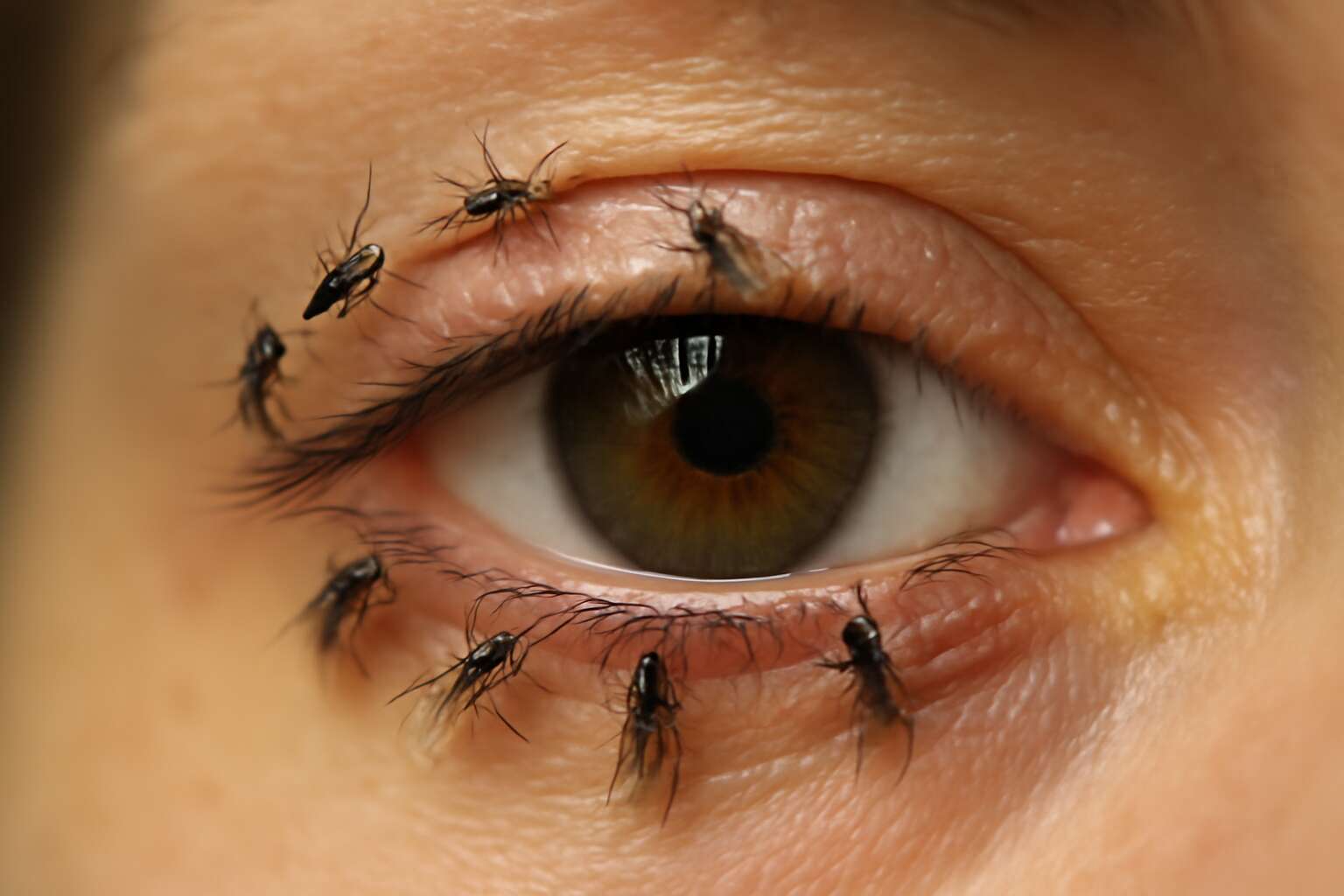
Understanding Flies on Eyes: Causes and Implications
What Are Flies on Eyes?
Flies on eyes may evoke a visceral reaction, yet they are far more than a mere social discomfort; they often signal underlying health concerns. In South Africa, where the climate fosters a burgeoning fly population, understanding the causes and implications of flies on eyes becomes essential. It’s a curious paradox that while flies are notorious for their resilience, their presence on eyes is typically a sign of vulnerability—be it due to poor hygiene, eye infections, or underlying medical conditions.
What exactly are flies on eyes? They are usually the result of flies being attracted to moisture, warmth, or organic debris around the eyelids. This behavior is not just an annoyance but can also introduce bacteria, leading to infections or more severe ocular issues. The presence of flies on eyes can sometimes indicate a compromised immune system or inadequate eye care. For those living in rural or underserved areas of South Africa, this issue is compounded by environmental factors and limited access to medical resources.
Addressing flies on eyes involves understanding their causes, which may include:
- Poor hygiene or unclean eyelids
- Eye infections or injuries that attract flies seeking organic material
- Environmental exposure, especially in dusty or rural settings
Recognizing these factors early can prevent more serious complications, emphasizing the importance of diligent eye care and awareness in regions prone to fly activity. After all, in a land where the natural world is both a blessing and a challenge, understanding the nuances of flies on eyes can make a significant difference in maintaining ocular health with grace and wit.
Common Causes of Flies on Eyes
Flies on eyes may seem like a minor nuisance, yet their presence often masks deeper health concerns that demand attention. In South Africa’s bustling rural landscapes and dusty towns, this phenomenon becomes more than mere irritation; it’s a mirror reflecting hygiene practices, immune health, and environmental conditions. The causes behind flies on eyes are varied, but they tend to converge around one core principle: attraction to moisture, warmth, and organic debris. When eyes become irritated or infected, flies are quick to capitalize, seeking out organic material that signals vulnerability.
Common causes of flies on eyes include poor eyelid hygiene, eye infections, or even minor injuries that produce a tempting organic trail for these resilient insects. In addition, environmental factors such as exposure to dusty rural settings or overcrowded urban areas can amplify the risk. Sometimes, the presence of flies on eyes is a sign of an immunocompromised state, where the body’s defenses are unable to ward off unwelcome visitors. It’s a stark reminder that ocular health is intertwined with overall well-being.
Understanding these causes is crucial because flies on eyes are not just an annoyance—they can introduce bacteria, leading to conditions like conjunctivitis or more serious infections. To grasp the gravity of the situation, consider that in some South African communities, environmental conditions and limited access to healthcare make this issue all the more pressing. Awareness of the common causes helps foster an appreciation for diligent eye care and the importance of maintaining hygiene, especially in environments where flies are a persistent presence.
Signs and Symptoms
Flies on eyes are more than a fleeting nuisance; they are a piercing cry from the body, signaling underlying vulnerabilities that demand attention. These persistent visitors often herald an imbalance—be it compromised immunity, poor hygiene, or environmental stressors—that leaves the eyes exposed to their unwelcome presence. In South Africa’s arid landscapes or bustling urban hubs, the phenomenon is amplified, turning a simple annoyance into a stark reminder of the delicate interplay between health and environment.
Understanding the signs and symptoms of flies on eyes is crucial, as their presence may conceal more serious conditions. Irritation, redness, and excessive tearing often accompany this phenomenon, but watch for symptoms that escalate—such as swelling, discharge, or persistent discomfort. These signals are the body’s way of whispering that the eyes have become vulnerable to infection or inflammation.
In some cases, flies on eyes are a sign of deeper health issues, such as conjunctivitis or corneal abrasions, which can be exacerbated by environmental factors like dust or overcrowding. Recognizing these signs early can make a profound difference in treatment outcomes, especially in areas where healthcare access is limited. Remember, the eyes are windows—not just to the soul but to overall health, and they demand vigilant care to keep unwelcome visitors at bay.
Potential Health Risks
Flies on eyes are more than just an unsettling sight—they can signal underlying health issues that demand attention. In South Africa’s diverse environments, from arid regions to urban centers, the causes of flies on eyes often extend beyond mere annoyance. They can be indicators of deeper vulnerabilities, such as compromised immunity or poor hygiene, that leave the eyes exposed to pests and infection.
Understanding the causes and implications of flies on eyes is crucial for early detection and prevention. Environmental factors like dust, heat, and overcrowding can contribute significantly to this phenomenon. For example, in areas with limited access to healthcare, even minor irritations caused by flies on eyes might escalate into serious conditions if left untreated.
Potential health risks linked to flies on eyes include conjunctivitis, corneal abrasions, and bacterial infections. These risks are heightened in environments where sanitation is compromised or where individuals are exposed to frequent dust and contaminants. Recognizing the potential dangers and understanding the root causes can help mitigate these health implications before they worsen.
Medical Conditions Associated with Flies on Eyes
Ocular Flies (Musca Domestica)
In the delicate dance between nature and human vulnerability, the presence of flies on eyes—particularly ocular flies like Musca domestica—can sometimes herald more than mere annoyance. These persistent intruders are often associated with underlying medical conditions that require careful attention. The irritation they cause might seem trivial at first, but in reality, they can be a sign of deeper health issues that threaten eye health and vision.
One such condition is **ocular myiasis**, a rare parasitic infestation where fly larvae invade ocular tissues. Though uncommon, it underscores the importance of prompt medical intervention. Additionally, flies on eyes can exacerbate or indicate infections such as conjunctivitis, especially when hygiene is compromised. Chronic exposure or repeated infestations might also suggest systemic problems like poor sanitation or immune deficiencies, which can make the eyes more susceptible to infestations and complications.
Understanding these associations helps in recognizing the gravity behind the seemingly simple sight of flies on eyes. It’s not just about discomfort, but about safeguarding vision and overall ocular health. Sometimes, the presence of flies signals that more serious health conditions are at play—conditions that demand attention before they escalate into irreversible damage.
Conjunctivitis and Other Eye Infections
Flies on eyes might seem trivial, but they can be harbingers of more serious medical conditions. Conjunctivitis, commonly known as pink eye, is one such pesky infection that often accompanies or is aggravated by fly contact. When flies land on eyes, they can transfer bacteria and other pathogens, increasing the risk of conjunctivitis and other eye infections. These infections are not just uncomfortable; they can threaten vision if left untreated.
In some cases, persistent exposure to flies on eyes could signal underlying systemic issues like immune deficiencies or poor sanitation. For example, recurrent eye infections might be a red flag for more severe conditions, including ocular myiasis—a rare parasitic infestation where fly larvae invade ocular tissues. Recognizing these signs early is crucial, especially in regions like South Africa where hygiene challenges can amplify risks.
To keep things interesting, here’s a quick overview of common eye infections associated with flies on eyes:
- Conjunctivitis
- Bacterial keratitis
- Ocular myiasis
Entomophobia and Psychological Impact
Beyond the obvious discomfort, persistent flies on eyes can sometimes herald more sinister medical conditions that demand attention. The psychological toll of dealing with these unwelcome visitors is often underestimated; many sufferers develop entomophobia—the irrational fear of insects—which can spiral into anxiety and sleep disturbances. The mind’s obsession with avoiding flies on eyes may lead to social withdrawal and a diminished quality of life, especially in regions where hygiene challenges make fly encounters unavoidable.
But the impact isn’t only psychological. Repeated exposure to flies on eyes can sometimes be linked to underlying systemic issues such as immune deficiencies or poor sanitation, which create a perfect storm for infection. In extreme cases, this exposure could even lead to ocular myiasis—an unsettling parasitic invasion where fly larvae invade ocular tissues, turning a simple annoyance into a medical emergency. Recognition of these signs early can make all the difference, particularly in parts of South Africa where fly populations flourish and healthcare access can be inconsistent.
In some instances, the presence of flies on eyes isn’t just a matter of hygiene, but a complex web of health and mental health concerns. The psychological impact can be as invasive as the flies themselves, leading to a cycle of anxiety and heightened sensitivity to insect encounters. For those affected, understanding the potential severity of fly-related eye issues—ranging from minor infections to parasitic infestations—is crucial for early intervention and peace of mind.
Underlying Eye Conditions
Underlying eye conditions can significantly influence the occurrence of flies on eyes. When the eye’s surface is compromised by chronic issues like dry eye syndrome or blepharitis, it becomes more vulnerable to irritation and infection, attracting flies seeking moisture or organic debris. These conditions often create an environment where flies on eyes are more likely to settle, exacerbating discomfort and raising the risk of further complications.
Additionally, systemic health issues such as diabetes or autoimmune disorders can impair immune response, making the eye more susceptible to infestations or infections caused by flies. In some cases, these underlying conditions weaken the ocular surface, providing an entry point for bacteria or parasitic larvae, which can turn a simple annoyance into a serious medical concern.
Recognising the link between underlying eye conditions and flies on eyes is crucial. Symptoms like persistent irritation, abnormal discharge, or unusual growths should prompt a thorough eye examination. It’s vital for affected individuals to understand that flies on eyes often signal deeper health issues, demanding prompt attention to prevent long-term damage. In regions like South Africa, where sanitation challenges persist, awareness of these underlying links can be lifesaving, especially when parasitic invasions like ocular myiasis come into play.
Diagnosing the Problem: When Flies on Eyes Are a Concern
When to See a Doctor
In the silent theater of our daily lives, flies on eyes can evoke a peculiar and unsettling spectacle. While many brush off this nuisance as mere irritation, the truth lurks beneath the surface—sometimes signaling a deeper concern. If these elusive visitors persist, especially when accompanied by pain, blurred vision, or sensitivity to light, it’s time to heed the call for professional diagnosis. The line between harmless annoyance and a more serious eye condition can be razor-thin, and recognizing when to see a doctor is crucial.
Persistent presence of flies on eyes, especially when they seem to gather or increase in frequency, warrants urgent medical attention. Factors such as sudden vision loss or unusual discharge might indicate underlying issues that require prompt intervention. In some cases, the problem may stem from infections or even more complex ocular conditions that, if left untreated, could jeopardize sight. Remember, your eyes are windows—fragile and precious—demanding careful scrutiny when flies on eyes become a recurring concern.
- Sudden vision impairment
- Severe eye pain or discomfort
- Unusual eye discharge or redness
Eye Examination Procedures
When flies on eyes become a persistent concern, diagnosis requires more than a cursory glance. An eye examination is a meticulous process—designed to uncover the subtle yet telling signs that reveal the true nature of the problem. This isn’t merely about identifying visible irritation but about peeling back layers of potential underlying issues. Ophthalmologists employ a variety of procedures to diagnose the root cause, ensuring no detail slips through the cracks.
Typically, a comprehensive eye exam involves visual acuity tests, slit-lamp examinations, and sometimes, specialized imaging. These tools help assess the health of the cornea, retina, and internal structures that might be affected by the presence of flies on eyes. In some cases, diagnostic dyes like fluorescein are used to detect corneal abrasions or infections that could be attracting these elusive visitors. Recognizing the significance of each symptom—whether it’s a sudden increase in flies on eyes or accompanying discomfort—is vital to a precise diagnosis.
- Visual acuity assessment to determine clarity of sight.
- Slit-lamp examination to scrutinize the eye’s surface and internal structures.
- Intraocular pressure measurement to rule out glaucoma or other pressure-related issues.
Understanding the nuances of these procedures underscores how complex and delicate the process of diagnosing flies on eyes can be. Each step is an invitation to peer deeper into the intricacies of our vision—a reminder that sometimes, what seems like a minor nuisance is a window into a more profound health concern. Recognizing when to invoke these diagnostic measures can make all the difference in safeguarding one’s sight and well-being.
Differential Diagnosis
When flies on eyes become an ongoing concern, differentiating the root cause isn’t always straightforward. It’s a puzzle that requires careful consideration, as several conditions can mimic the appearance or sensation of flies buzzing around the eyes. A thorough diagnostic process is essential to pinpoint the true culprit.
Ophthalmologists often employ a combination of clinical assessments to distinguish between benign irritations and more serious underlying issues. For example, they may evaluate the eye’s surface for signs of dryness or infection, which can attract flies or create the illusion of movement. In some cases, a detailed slit-lamp examination reveals subtle abnormalities that aren’t visible to the naked eye. Recognizing the nuances of each symptom—such as the nature of discomfort or the pattern of flies on eyes—guides the clinician toward an accurate diagnosis.
To streamline the process, professionals might use a few key diagnostic steps, including:
- Assessing visual acuity to rule out vision impairment related to eye health
- Applying diagnostic dyes like fluorescein to detect corneal abrasions or infections
- Measuring intraocular pressure to exclude glaucoma or other pressure-related issues
Understanding these diagnostic procedures illuminates how complex and layered the process of identifying the cause of flies on eyes truly is. Each step peels back another layer, revealing the hidden factors that may be fueling this unsettling phenomenon. Recognizing when to pursue such diagnostic measures can be the difference between ongoing discomfort and complete resolution, safeguarding both vision and overall eye health.
Effective Treatments for Flies on Eyes
Topical Medications and Eye Drops
When flies on eyes become an unwelcome guest, swift and effective treatment is essential to prevent discomfort and potential complications. Topical medications and eye drops are often the first line of defense, offering targeted relief and fighting off the irritation caused by those pesky flies. These medicated drops work by reducing inflammation, clearing bacterial or viral infections, and soothing the delicate tissues of the eye. It’s like giving your eyes a much-needed spa day—minus the cucumbers!
Choosing the right eye drops depends on the specific cause behind the flies on eyes. For instance, antibiotic eye drops can combat bacterial infections, while anti-inflammatory drops help reduce swelling and redness. In some cases, your eye specialist might prescribe medicated ointments for more stubborn issues. Remember, proper application and adherence to the prescribed course are crucial to ensure complete eradication of the problem and to keep those flies on eyes at bay. After all, no one wants a repeat performance of this unwanted visit!
Medical Procedures
When flies on eyes become an unsettling reality, medical intervention can transform a distressing situation into a manageable one. For persistent cases, advanced treatments like laser therapy or surgical procedures are sometimes necessary to remove underlying issues that attract these unwelcome guests. These procedures target the root cause—be it a tear in the retina or other ocular conditions—removing the environment that entices flies on eyes to linger. The precision of modern ophthalmic techniques ensures minimal discomfort and swift recovery, making it possible to restore clarity and peace of mind.
In more severe cases, specialized procedures such as vitrectomy may be employed. This surgical intervention involves removing the vitreous gel inside the eye, which can harbor debris or infections that attract flies on eyes. Such treatments are typically reserved for complex cases but can be lifesaving, preventing further deterioration and safeguarding vision. The goal is to eliminate the underlying problem, ensuring that flies on eyes are no longer an unwelcome fixture in your daily life.
Home Remedies and Precautions
When flies on eyes become an unwelcome presence, finding effective treatments can feel like navigating a mysterious labyrinth. Home remedies, while tempting, should be approached with caution to avoid exacerbating the problem. Some individuals swear by gentle rinses with sterile saline or warm compresses, which can soothe irritation and help dislodge tiny debris that may attract flies on eyes. However, these remedies are often only temporary solutions, and persistent issues demand professional attention.
Precautions are essential to prevent flies on eyes from turning into a recurring nightmare. Maintaining impeccable eye hygiene, avoiding exposure to dusty or contaminated environments, and protecting your eyes with sunglasses can all serve as shields against unwelcome visitors. For those prone to frequent occurrences, using protective eyewear during outdoor activities becomes a simple yet potent safeguard. Remember, if flies on eyes persist or worsen, seeking medical intervention remains the most reliable path to clarity and relief.
When Surgical Intervention Is Needed
When flies on eyes refuse to retreat with home remedies, surgical intervention often becomes the only viable path toward relief. In severe cases, an ophthalmologist may recommend procedures such as laser surgery or minor eyelid surgeries to remove underlying issues or obstructions that attract these unwelcome visitors. These interventions can restore clarity and comfort, especially when persistent debris or eyelid abnormalities are at play.
Understanding that surgery is a last resort, it’s important to trust the expertise of a qualified eye specialist. They can accurately diagnose the root cause and determine whether a procedure is necessary to eliminate the problem. For many, this step marks the turning point from frustration to freedom, ensuring flies on eyes no longer cast their shadow over daily life. Proper post-operative care and follow-up are crucial to secure a successful outcome, bringing much-needed peace of mind and visual clarity for those affected.
Preventive Measures and Eye Care Tips
Maintaining Eye Hygiene
Prevention is always better than cure, especially when it comes to flies on eyes. Simple yet effective eye care tips can significantly reduce the risk of encountering this uncomfortable situation. Maintaining eye hygiene is a crucial step; irregular cleaning can lead to the buildup of debris that attracts flies on eyes, creating a perfect environment for infestation. Regularly washing your face and eyelids with clean water removes dust, sweat, and other irritants that might draw flies or cause eye infections.
In addition, protecting your eyes from exposure to open environments where flies are prevalent can make a difference. Wearing sunglasses or protective eyewear during outdoor activities acts as a barrier, preventing flies from landing on your eyes. Ensuring your living space is tidy and free of food scraps also reduces fly populations nearby. Here are some preventive measures to consider:
- Keep your surroundings clean to discourage flies on eyes and other pests.
- Avoid touching or rubbing your eyes unnecessarily, which can transfer bacteria or attract flies.
- Use insect screens on windows and doors to keep flies out of indoor spaces.
Good eye hygiene practices and environmental awareness are key to safeguarding your eyes from the nuisance and health risks posed by flies on eyes. Regular eye check-ups can catch any early signs of irritation or infection, ensuring your eye health remains uncompromised in South Africa’s diverse climate.
Protective Eyewear
In the intricate dance of daily existence, the presence of flies on eyes is an unwelcome but common intrusion, particularly in regions where open-air environments teem with these persistent pests. The key to safeguarding your ocular health lies in meticulous preventive measures that go beyond mere superstition—embracing a realm of conscious, deliberate eye care. Protecting your eyes from flies on eyes requires more than just a fleeting glance; it demands a strategic approach rooted in environmental awareness and personal hygiene.
Wearing protective eyewear, such as sunglasses or specialized protective glasses during outdoor activities, acts as an invisible barrier, discouraging flies from landing on your eyelids and conjunctiva. This simple yet effective tactic minimizes direct contact and potential irritation. Additionally, maintaining a tidy living environment—free from food scraps and waste—significantly reduces fly populations in your vicinity, lessening the likelihood of these pests being attracted to your eyes.
Consider integrating these preventive strategies into your daily routine:
- Keep your surroundings impeccably clean to reduce the presence of flies on eyes and other pests.
- Avoid touching or rubbing your eyes unnecessarily, as this can transfer bacteria and invite flies.
- Secure insect screens on windows and doors to create a barrier that keeps flies outside, where they belong.
In the realm of eye care, consistent use of protective eyewear during outdoor ventures becomes a silent sentinel, guarding against the nuisance and health risks associated with flies on eyes. Such measures, coupled with an awareness of your environment, form the cornerstone of proactive eye health in South Africa’s diverse climate. When combined with good hygiene practices, these precautions serve as a formidable defense against the persistent irritation caused by flies on eyes, ensuring clearer, healthier vision for all.
Managing Environmental Factors
In the shadowy realm of ocular wellness, the relentless menace of flies on eyes lurks as an insidious adversary. These tiny invaders, drawn by the flickering light of human presence, threaten the sanctity of our vision with their unwelcome visits. To guard against this creeping peril, managing environmental factors becomes paramount—an act of silent resistance against nature’s persistent pests.
Preventive measures rooted in environmental mastery can turn the tide. Ensuring a meticulous, hygienic space diminishes the allure of flies on eyes, as food scraps and waste serve as their dark invitations. Securing insect screens on windows and doors creates an invisible fortress, denying entry to these winged infiltrators. Wearing protective eyewear—be it sunglasses or specialized glasses—during outdoor excursions acts as an unyielding barrier, discouraging flies from settling on the delicate surface of your eyelids.
In regions where open-air life is unavoidable, consider integrating these strategies:
- Maintain a consistently clean environment to repel flies and other pests.
- Avoid unnecessary touching or rubbing of the eyes, which can attract flies or introduce bacteria.
- Use protective eyewear during outdoor activities to create a protective barrier against flies on eyes.
Each small act of vigilance weaves a layer of defense, transforming the battle against flies on eyes into a ritual of conscious protection. In the dance between human and pest, mastery over one’s environment becomes the most potent shield, preserving the clarity and health of sight in South Africa’s diverse and often unforgiving landscape.
Lifestyle and Dietary Recommendations
When it comes to safeguarding ocular health, a holistic approach extends beyond medical treatments to encompass lifestyle and dietary choices. Flies on eyes are often attracted to certain environmental and nutritional factors, making prevention a multifaceted endeavor. Incorporating specific habits can significantly reduce the risk of these unwelcome visitors settling on your eyelids.
First, maintaining a balanced diet rich in antioxidants, vitamins A, C, and E, fortifies eye tissues against irritation and infection. These nutrients bolster the immune response, making your eyes less vulnerable to pests and related complications. Additionally, staying well-hydrated ensures that your eyes remain moist and less appealing to flies, which are drawn to damp surfaces.
In terms of lifestyle, cultivating good eye hygiene is paramount. Regularly cleaning your eyelids with gentle, preservative-free solutions helps remove debris that might attract flies. Avoiding touching or rubbing your eyes unnecessarily can also prevent accidental transfer of bacteria or attracting flies to the delicate eye area.
To create an effective shield against flies on eyes, consider these strategies:
- Incorporate foods high in vitamins A and C into your daily meals.
- Stay consistently hydrated to maintain eye moisture.
- Wear protective eyewear during outdoor activities, especially in areas prone to fly activity.
Adopting these dietary and lifestyle adjustments not only enhances overall eye health but also acts as a natural barrier against flies on eyes. Vigilance in daily routines transforms simple habits into powerful defenses, strengthening resilience against the persistent challenges posed by pests in South Africa’s diverse environments.
Dealing with Anxiety and Phobias Related to Flies on Eyes
Understanding Phobias
In the shadowed corridors of the mind, fears often take on a life of their own—fears that can turn a simple sensation into a labyrinth of anxiety. When it comes to flies on eyes, the psychological toll can be profound, especially for those who harbor phobias that seem to sprout from the depths of myth and legend. Understanding phobias related to flies on eyes reveals more than mere dread; it uncovers a complex tapestry woven from past experiences, cultural symbolism, and innate survival instincts.
For many, the presence of flies on eyes triggers an instinctual alarm—a primal response rooted in the ancient fear of contamination or harm. This can lead to intense anxiety or even panic attacks, making everyday encounters with flies on eyes feel like navigating a perilous mythic realm. Recognizing these fears is the first step toward alleviating their grip; it’s essential to approach this anxiety with compassion and awareness.
In cases where the phobia intensifies, therapeutic techniques such as cognitive-behavioral therapy (CBT) can serve as a beacon through the fog of fear. For those affected, understanding that the fear of flies on eyes is a psychological barrier—rather than a literal threat—can gradually diminish its power. By exploring these fears with patience, sufferers unlock the possibility of reclaiming their peace of mind, even amidst the seemingly mundane presence of flies on eyes.
Stress-Relief Techniques
When flies on eyes become an unwelcome intruder, the surge of anxiety can feel like a sudden storm in the mind. Stress-relief techniques are essential tools in calming the turbulent seas of fear and restoring a sense of control. Deep breathing exercises, for instance, can help anchor the mind, reducing the immediate panic that such encounters often trigger. Visualisation methods, where you imagine a peaceful place or a calming light, can also serve as powerful anchors amidst the chaos.
Sometimes, distraction proves invaluable. Engaging in a simple activity—like counting the colours in your surroundings or focusing on a soothing sound—can divert attention away from the flies on eyes, easing the psychological burden. For those whose phobias cast a long shadow, structured relaxation methods, including progressive muscle relaxation or mindfulness meditation, can gradually diminish the intensity of their fears.
In more persistent cases, professional support might involve cognitive-behavioral therapy (CBT), which helps reframe negative thought patterns. Remember, the key is patience and compassion—these techniques are not instant cures but gentle pathways to reclaim peace of mind from the grip of fear. When flies on eyes invade your thoughts, these stress-relief strategies become your allies in navigating the labyrinth of anxiety with resilience and calmness.
When to Seek Professional Help
When the relentless presence of flies on eyes becomes more than a mere nuisance, the emotional toll can escalate into overwhelming anxiety or even phobias. For some, the sensation triggers an instinctive dread that refuses to be quelled, turning everyday moments into daunting challenges. Recognizing when this fear morphs into a persistent psychological barrier is crucial. If your worries about flies on eyes lead to avoidance behaviors, intense discomfort, or interfere with your daily life, it may be time to seek professional help.
Structural support from mental health professionals can be transformative. Cognitive-behavioral therapy (CBT), for example, is particularly effective in reframing negative thought patterns tied to flies on eyes, helping you regain control over your reactions. Additionally, a psychologist can guide you through exposure techniques that gradually diminish the power of these fears. If these anxieties are accompanied by physical symptoms such as panic attacks or extreme avoidance, consulting a healthcare provider becomes essential.
- Persistent avoidance of eye contact or social situations due to fear of flies on eyes.
- Inability to focus or carry out daily tasks because of intrusive thoughts about flies.
- Escalating anxiety or physical symptoms like rapid heartbeat when faced with the thought or sight of flies on eyes.
In such cases, professional intervention offers a path forward—one that nurtures resilience and diminishes the shadow of fear. Remember, seeking help is a sign of strength and an essential step towards reclaiming peace of mind from the grip of flies on eyes-related anxieties.
Myths and Facts About Flies on Eyes
Common Misconceptions
Many people believe that flies on eyes are harmless or just a minor annoyance. However, this is a common misconception. Flies on eyes can sometimes indicate underlying health issues or infections that need proper attention. While some think that just blinking or rubbing the eyes will clear the problem, this can actually worsen the situation or lead to further complications.
Another myth is that flies on eyes only occur in unclean environments. In reality, flies are attracted to various factors, including certain eye conditions or eye infections, which can occur regardless of hygiene. It’s essential to distinguish between fact and fiction when it comes to flies on eyes. For example, many believe that flies on eyes are always a sign of poor hygiene, but they can also be attracted to natural eye secretions or specific medical conditions.
Some assume that seeing flies on eyes means an emergency. While it’s true that persistent or severe cases warrant immediate medical attention, many situations can be managed with proper eye care and hygiene. Recognizing the facts from myths helps ensure timely and appropriate treatment, preventing unnecessary worry or delays. Remember, accurate knowledge is key to addressing flies on eyes effectively and safely.
Scientific Facts
Flies on eyes evoke a visceral reaction—something instinctively unsettling, yet shrouded in misconception. Scientific facts reveal that while flies on eyes might seem merely bothersome, they often signal underlying health issues rather than simple dirt or poor hygiene. In reality, these uninvited visitors are attracted not just to cleanliness but to natural eye secretions or specific eye infections. Misunderstanding this can lead to unnecessary panic or neglect of more serious conditions.
Many hold the myth that flies on eyes are always a sign of neglect or unclean environments. However, flies are drawn to factors such as ocular infections or eye conditions, which can occur regardless of hygiene levels. Recognizing the distinction between myth and fact is crucial for proper management. For example, persistent presence of flies on eyes might indicate an eye infection that needs medical attention, rather than just environmental dirt.
Furthermore, the misconception that seeing flies on eyes constitutes an emergency can be misleading. While severe or ongoing cases demand urgent care, most instances are manageable through appropriate eye hygiene and medical intervention. Understanding scientific facts about flies on eyes ensures timely treatment and reduces unnecessary anxiety. Ultimately, accurate knowledge empowers individuals to address ocular fly issues with confidence, safety, and clarity.



0 Comments