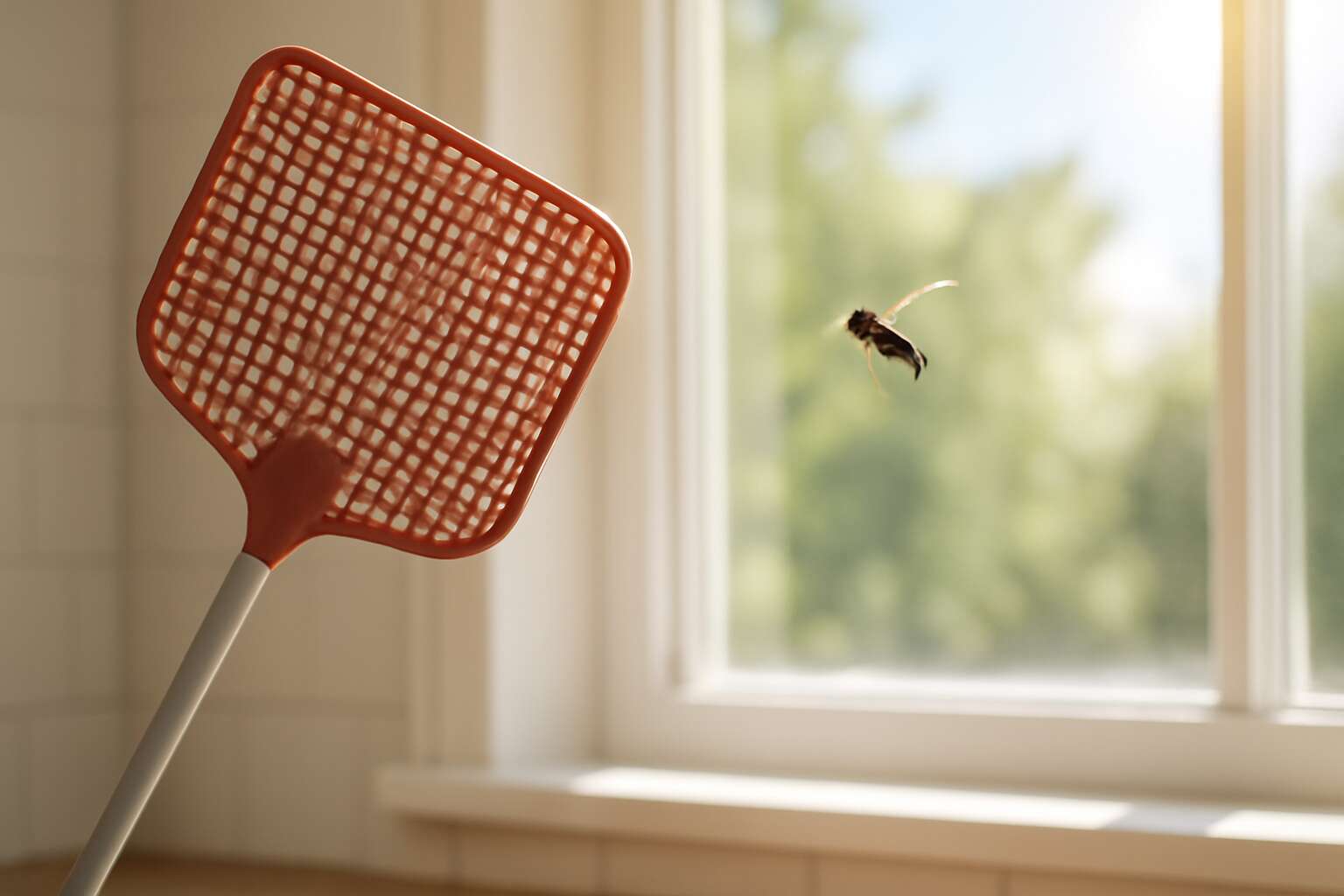
Understanding Flies and Their Behavior
Types of Flies Commonly Found in Homes
Flies, those unwelcome guests with wings that seem to defy the very laws of gravity, are more than mere nuisances—they are vectors of disease and chaos. Understanding flies and their behaviour is essential in the quest for getting rid of flies effectively. These insects are not random wanderers; they are strategic opportunists, drawn irresistibly to sources of food, moisture, and organic matter. Their rapid reproductive cycle means that a single fly can become a burgeoning swarm in a matter of days, making prompt and knowledgeable action crucial.
Among the common types of flies found in homes, the housefly (Musca domestica) reigns supreme, often lurking around kitchen counters and rubbish bins. Then there are fruit flies, those tiny pests with a penchant for fermenting fruit and wine, as well as cluster flies, which seek shelter indoors during colder months. Recognising these varieties allows homeowners to tailor their approach to getting rid of flies more precisely, ensuring no unwelcome guest remains unchallenged.
To truly grasp their behaviour, one must observe that flies are drawn to warmth and odours, especially those emanating from decaying organic matter. Their flight patterns are not haphazard but tend to follow specific routes in pursuit of their next meal. By understanding these behavioural intricacies, it becomes easier to implement effective strategies—be they physical barriers or natural repellents—that make your space less inviting and more fly-free.
Why Flies Are a Nuisance and Potential Health Risks
Flies are more than mere nuisances; they are elusive carriers of disease, weaving their way into the fabric of our daily lives with a quiet, relentless persistence. Their behaviour is a fascinating dance—driven by an innate craving for warmth, odours, and organic decay—making them both cunning and unpredictable. Understanding how flies operate within your home is the first step towards mastering the art of getting rid of flies. They are drawn to sources of food and moisture, often following specific flight paths that lead straight to the heart of the problem.
In fact, their reproductive cycle is a marvel of nature—one that can turn a single fly into a swarm in just a few days—underscoring the urgency of swift intervention. Recognising the behavioural patterns of flies can reveal their favourite hideouts and feeding grounds.
- Warm kitchen corners
- Decaying organic matter
- Refrigerator doors left ajar
Knowing where they lurk allows homeowners to implement targeted measures, making it easier to prevent their return and ensure a fly-free environment.
These insects are not just unwelcome guests; they pose significant health risks. Flies can transmit bacteria, parasites, and viruses as they crawl over surfaces and food, turning a simple annoyance into a potential health hazard. Their flight routes often trace a path from contaminated sources to areas of human activity, making it not just a matter of comfort but of safety to get rid of flies efficiently. Recognising the importance of understanding their behaviour is key to creating a space that remains inhospitable to these persistent pests.
Behavior Patterns and Habitats of Flies
Understanding the behaviour of flies is akin to deciphering an ancient, secret script written by nature itself. These miniature adventurers are driven by an unyielding quest for warmth, odours, and organic decay, navigating our spaces with an uncanny sense of purpose. Their flight patterns are seldom random; instead, they follow distinct routes that often lead them directly to their favourite habitats. Recognising these behaviour patterns is crucial in the art of getting rid of flies, transforming chaos into control.
Flies tend to congregate in specific habitats that provide ideal breeding grounds. Warm kitchen corners, decaying organic matter, and even refrigerator doors left ajar can become their sanctuaries. Their innate behaviour includes frequent visits to these locations, where they lay eggs and multiply with astonishing speed. To effectively intercept their journeys, it’s vital to understand their preferred environments. This knowledge allows homeowners to anticipate their movements and implement targeted strategies to keep these pests at bay.
- Warm, moist areas where organic materials are present.
- Decaying food residues that emit irresistible odours.
- Hidden corners or cluttered spaces that offer shelter.
By observing their habitual routes and favourite habitats, it becomes possible to create an environment too uninviting for flies, ensuring that their relentless dance ceases to intrude into daily life. Mastery over their behaviour not only aids in getting rid of flies but also in maintaining a pest-free household—peaceful, pristine, and protected from these elusive invaders.
Preventative Measures to Reduce Flies
Sanitary Practices to Minimize Attractants – Array
In the silent ballet of a bustling household, flies often dance in the shadows, drawn by invisible magnets of decay and neglect. Yet, the art of getting rid of flies begins long before they take wing—it’s rooted in the sanctity of impeccable sanitary practices. When sanitation falters, attractants flourish, turning your home into an irresistible haven for these unwelcome visitors.
Minimising these enticing cues involves a meticulous approach: sealing cracks, removing rotting organic matter, and ensuring waste bins are airtight and emptied regularly. It’s a realm where cleanliness becomes a shield, a barrier against their persistent invasion. For those seeking a sanctuary free from these nuisances, adopting preventative measures is paramount.
A strategic method involves understanding the behaviour patterns of flies and their habitats, enabling targeted interventions. For example, eliminating standing water and keeping surfaces dry deprives flies of breeding grounds, reducing their numbers naturally. By weaving these sanitary practices into daily routines, the future of your home becomes a fortress against the relentless assault of flies.
Physical Barriers to Keep Flies Out – Array
When it comes to getting rid of flies, the battle isn’t solely fought with fly swatters and citronella candles. Sometimes, the most effective strategy is to block their entry points entirely. Flies are masters of sneaking in through tiny gaps, so sealing those cracks and crevices is essential. A home that’s airtight is like a fortress — impenetrable to these unwelcome invaders.
Physical barriers such as fly screens on windows and doors are a classic defence, but there are cleverer tricks too. Consider using fine mesh or weather strips to seal potential entry points. For larger gaps, a quick application of caulk can turn your humble abode into a no-fly zone. For those who like to keep things organised, a simple
- installing door sweeps
- securing window screens
can make a significant difference in reducing the number of flies that make it inside.
Remember, the goal is to make your home less appealing, and that means denying flies the chance to enter in the first place. Treat your doors and windows as the frontline in your war against these pesky pests, and you’ll be well on your way to a more fly-free existence.
Effective DIY Solutions for Getting Rid of Flies
Homemade Fly Traps – Array
The battle to get rid of flies often feels like a never-ending saga, but sometimes, the simplest homemade solutions can be surprisingly effective. DIY fly traps harness the natural instincts of these pesky insects, luring them away from your living space without the need for harsh chemicals. Imagine crafting a trap that plays on their attraction to sweet scents or decaying organic matter—you’re essentially turning their own behaviour against them!
Homemade fly traps are easy to assemble with common household items. For example, a simple mixture of apple cider vinegar and dish soap in a jar can lure flies and trap them efficiently. The vinegar mimics the smell of fermenting fruit, a magnet for flies, while the soap breaks the surface tension, causing them to drown when they land.
- Fill a jar with apple cider vinegar
- Add a few drops of dish soap
- Cover the opening with paper, creating a funnel
This approach offers a natural, cost-effective method to get rid of flies and restore peace to your home environment. The key lies in understanding their behavioural patterns and exploiting them—an intriguing dance of nature and ingenuity.
Natural Repellents – Array
In the ongoing quest for harmony within our living spaces, understanding the subtle power of natural repellents can be transformative. While many resort to chemical solutions, a significant number of households are turning to effective DIY strategies that leverage nature’s own mechanisms. These natural repellents not only diminish the presence of flies but also align with eco-conscious living—an increasingly vital consideration in today’s world. Interestingly, many experts suggest that simple household ingredients can serve as potent tools in the battle to get rid of flies, reducing reliance on harsh chemicals and fostering healthier environments.
One of the most reliable natural repellents is essential oils. Oils such as citronella, eucalyptus, and lavender emit strong scents that flies find unappealing. These can be diluted with water and sprayed around entry points or on window sills, creating an invisible barrier that discourages flies from settling nearby. Additionally, planting herbs like basil and mint in your garden or kitchen not only adds freshness but also acts as a natural deterrent. Incorporating these plants into your regular gardening routine can significantly impact your ability to keep flies at bay.
For those seeking a more targeted approach, an effective homemade fly repellent can be crafted using vinegar and essential oils. Simply mix apple cider vinegar with a few drops of eucalyptus or citronella oil in a spray bottle. This concoction can be applied to curtains, doorways, and other potential entry points, creating an aromatic shield. Such natural repellents are versatile, inexpensive, and—most importantly—safer for your family and pets. When combined with strategic sanitation and physical barriers, natural repellents become powerful allies in the ongoing effort to get rid of flies, making your home a refuge of peace and cleanliness.
Cleaning and Maintenance Tips – Array
In the relentless pursuit of a fly-free sanctuary, the power of effective DIY solutions cannot be overstated. While commercial products promise quick relief, a thoughtful approach rooted in cleaning and maintenance can yield long-lasting results. Flies are notoriously attracted to overlooked residues and lingering odours, making sanitation an essential pillar in the fight to get rid of flies. Regularly wiping down surfaces, disposing of organic waste promptly, and ensuring bins are sealed tightly can significantly diminish their presence.
Moreover, incorporating natural cleaning agents like vinegar or lemon juice into your routine can act as subtle deterrents, disrupting the olfactory cues flies rely on. For those seeking a more methodical method, establishing a routine schedule—such as weekly deep cleans—can prevent the establishment of breeding sites. Remember, the battle to get rid of flies isn’t solely about repelling them; it’s about creating an environment that does not invite their unwanted company.
- Maintain impeccable hygiene standards, especially around food preparation areas.
- Eliminate standing water, which can serve as breeding grounds for flies.
- Regularly inspect and clean drains, as organic build-up attracts flies looking for moisture and nutrition.
By fostering a keen awareness of your environment and adopting disciplined cleaning practices, you significantly reduce the likelihood of a persistent fly invasion. The journey to a cleaner, more harmonious living space hinges on these small, consistent actions—each one a step closer to getting rid of flies for good.
Commercial Fly Control Products and Methods
Fly Zappers and Electric Traps
When it comes to getting rid of flies in a commercial setting, traditional methods often fall short. That’s where advanced fly zappers and electric traps come into play—powerful tools designed to eliminate these persistent pests swiftly and efficiently. These devices use ultraviolet light to attract flies, trapping or zapping them on contact, providing an immediate solution that keeps your space hygienic and pest-free. Unlike chemical deterrents, electric traps offer a non-toxic approach that is safe for both employees and customers.
For maximum effectiveness, consider the following types of commercial fly control products:
- High-intensity electric fly zappers that cover large areas
- Sticky trap units strategically placed around problem zones
- UV light traps equipped with attractants tailored to specific fly species
Implementing these methods can dramatically reduce fly populations, especially during peak seasons. Their silent operation ensures they work tirelessly in the background, providing a crucial line of defence against the nuisance and health hazards associated with flies. When combined with good sanitation practices, getting rid of flies becomes an achievable goal—without chemicals or complicated procedures.
Fly Sprays and Aerosols
When it comes to getting rid of flies in a commercial environment, traditional methods often struggle to keep these stubborn pests at bay. That’s where fly sprays and aerosols come into their own, offering a rapid and targeted solution. These products are formulated to deliver a quick knockdown, creating an immediate relief from the nuisance of flying insects. In busy settings, the convenience of aerosol sprays means a swift application that can be directed exactly where the fly problem persists.
For larger areas, consider using a combination of fly sprays alongside other commercial fly control products. An effective approach might include:
- Quick-acting aerosols for spot treatments during peak fly activity
- Residual sprays that create a protective barrier on surfaces
- Automatic spray dispensers that maintain a consistent level of pest control
While chemical solutions are often seen as a frontline defence, they should be complemented by good sanitation practices to prevent attracting new flies. The goal is to create an environment that’s inhospitable to flies while ensuring safety for staff and customers alike. Getting rid of flies isn’t just about immediate relief — it’s about maintaining a healthier, more comfortable space in the long run.
Insect Growth Regulators and Baits
In the ongoing battle against persistent pests, traditional methods often fall short, especially when dealing with large-scale infestations. Commercial fly control products like insect growth regulators (IGRs) and bait stations offer a strategic advantage in getting rid of flies effectively. These solutions target the pests at different stages of their lifecycle, disrupting reproduction and significantly reducing the population over time. IGRs, for example, interfere with the development of fly larvae, ensuring that future generations never reach maturity.
Fly baits, on the other hand, attract adult flies with appealing food sources laced with insecticides. This method provides a targeted approach, reducing fly activity swiftly. An effective fly control program often involves a combination of these tools, tailored to the specific environment and severity of the problem. Implementing a comprehensive strategy that integrates insect growth regulators and bait stations can transform the space into an inhospitable zone for flies, making long-term eradication more achievable.
Ultimately, getting rid of flies requires both immediate intervention and ongoing preventative measures. When combined with sanitation and physical barriers, these commercial products create a formidable defence against future invasions. It’s a holistic approach that not only tackles the present nuisance but also fortifies the environment against the recurring threat of flies, ensuring a healthier, cleaner space for all involved.
When to Call Professional Pest Control Services
Signs of a Severe Fly Infestation
When flies become an unrelenting presence in your home, it’s a signal that the infestation might be more serious than it appears. Recognising the signs of a severe fly infestation can save you time, effort, and potential health risks. If you notice an overwhelming number of flies hovering around your kitchen or waste areas, it’s time to consider professional pest control services.
Signs that demand expert intervention include persistent swarms despite regular cleaning, the presence of maggots, or a foul odour that lingers even after cleaning. Flies are notorious for breeding quickly, so if you see larvae or an increasing number of adult flies, it’s a clear indicator that the problem has escalated beyond simple deterrents.
In such cases, professional pest control services employ targeted strategies, such as specialised insecticides and eco-friendly treatments, to effectively eliminate the infestation. Ignoring these signs may lead to a more stubborn problem, making it harder to get rid of flies and safeguarding your home from further health hazards.
Benefits of Professional Intervention
When the spectacle of flies becomes unmanageable within your home, it’s a sign that professional pest control services are urgently needed. Recognising when to call in experts can mean the difference between a fleeting annoyance and a persistent health hazard. If you find yourself battling ongoing swarms despite diligent cleaning routines, or if maggots and foul odours refuse to dissipate, these are clear indicators that DIY methods are no longer sufficient.
Engaging professionals offers a strategic advantage. They have access to specialised insecticides, eco-friendly treatments, and proven techniques tailored to your specific infestation. This targeted approach not only ensures effective eradication but also diminishes the likelihood of recurrence.
In essence, professional intervention becomes an act of reclaiming peace of mind. It’s an investment in your home’s sanitation and your well-being—because getting rid of flies isn’t just about comfort, it’s about safeguarding your sanctuary from relentless, unseen threats.
Choosing the Right Pest Control Company
When the relentless swarm of flies turns your sanctuary into a chamber of dread, it’s a clarion call to summon the professionals. Recognising the moment to call professional pest control services can mean the difference between a fleeting nuisance and a haunting invasion that threatens your health and peace of mind. If your diligent efforts to get rid of flies prove futile, and the infestation persists despite your best efforts, it’s time to seek expert intervention.
Choosing the right pest control company is paramount in this dark dance against these persistent intruders. Seek out providers who specialise in getting rid of flies and have a reputation for discreet, effective treatment. A reputable pest control service will tailor its approach, employing eco-friendly insecticides and proven techniques that penetrate even the most stubborn infestations. Remember, not all pest control companies are equal—some wield the expertise to truly eradicate the unseen menace lurking in the shadows of your home.
- Assess their credentials and experience in dealing with fly infestations.
- Ensure they offer customised solutions that address the specific nature of your infestation.
- Look for reviews and testimonials that speak to their efficacy and professionalism.
In the realm of getting rid of flies, where every moment matters, entrusting your sanctuary to seasoned professionals can be an act of salvation—restoring calm and sanctity to your home’s dark corners once more.


0 Comments