Understanding the Relationship Between Flies and Honey
The Role of Flies in Nature and Ecosystems
In the intricate dance of nature, flies and honey often find themselves intertwined in unexpected ways. Flies, typically seen as nuisances, play a vital role in the delicate balance of ecosystems, especially in regions like South Africa where biodiversity thrives. Their presence around honey is no coincidence; it highlights their importance in the natural world, from pollination to decomposition.
While flies are notorious for their quick movements and relentless search for sustenance, their role extends far beyond mere annoyance. They act as essential recyclers, breaking down organic matter and contributing to soil fertility. This process supports countless plant species and maintains the health of local ecosystems. When it comes to flies and honey, the relationship is a reminder of nature’s complex interdependence—each creature, no matter how small, has a purpose with ripple effects reaching across the land.
The Role of Flies in Nature and Ecosystems
- Pollination: Certain species of flies help pollinate flowers, including those that produce honey, aiding in the propagation of vital plant life.
- Decomposition: Flies contribute to breaking down organic waste, ensuring nutrients are returned to the earth, enriching the soil for future crops and flora.
- Food Source: They form a crucial part of the food chain, supporting birds, amphibians, and other insect populations.
Understanding the relationship between flies and honey reveals a hidden narrative of ecological harmony—a story that underscores the significance of even the most unassuming creatures within our vibrant South African landscape.
How Flies Are Drawn to Honey
Flies and honey share a surprisingly intimate relationship, one that often goes unnoticed amidst their common reputation as pests. The allure of honey is undeniable—its sweet aroma and viscous texture act as a magnet for flies, especially in regions like South Africa where honeybees and wildflowers flourish. Flies are instinctively drawn to the sugars and organic compounds within honey, sensing it as a rich source of nourishment. This attraction isn’t random; it’s a finely tuned evolutionary trait that ensures their survival in diverse ecosystems.
Interestingly, certain species of flies, such as hoverflies and some fruit flies, are even capable of pollinating flowers that produce honey. Their role extends beyond mere scavengers—they actively contribute to the propagation of vital plant species. The relationship between flies and honey exemplifies nature’s complex web of interdependence, where even the smallest creatures play a pivotal part in maintaining ecological harmony.
Understanding the dynamics of flies and honey reveals a fascinating aspect of natural behavior. Flies and honey are a testament to nature’s subtle yet persistent push for survival, a reminder that even the most unassuming insect can influence the health of ecosystems in profound ways.
Impact of Flies on Honey Quality and Preservation
The subtle dance between flies and honey holds profound implications for both nature’s balance and honey preservation. Flies can significantly impact honey quality—tiny invaders that threaten to alter its purity and shelf life. Their presence often signals contamination, which can lead to fermentation, spoilage, and a decline in honey’s natural goodness. Recognizing this threat is crucial for beekeepers and honey enthusiasts alike.
In regions like South Africa, where honey’s cultural and ecological importance runs deep, understanding how flies and honey interact is vital. Flies are attracted to the sweet, viscous substance, but their intrusion can introduce bacteria and organic debris that compromise honey’s integrity. This impact isn’t just superficial; it can influence the honey’s flavor, aroma, and overall health benefits.
To safeguard honey’s quality, many employ innovative preservation techniques, such as airtight storage or natural repellents. These measures help prevent flies and honey from forming an unwelcome bond that could diminish honey’s natural richness. Whether in a rural hive or a bustling urban market, the battle between flies and honey continues—each vying for dominance in a delicate ecological balance.
The Significance of Honey in Various Cultures and Traditions
Historical Uses of Honey
Across the tapestry of human history, honey has held a revered place in cultures and traditions worldwide. Its golden sweetness is more than just a natural remedy; it’s a symbol of prosperity, purity, and divine connection. In ancient Egypt, honey was considered a gift from the gods—used in sacred rituals and embalming processes that bridged the mortal and divine realms. Similarly, in traditional Indian medicine, honey is regarded as a healing elixir, embodying purity and spiritual nourishment.
But what about the uninvited guests—flies and honey? Their relationship isn’t just a superficial nuisance; it’s a reflection of nature’s delicate balance. In many African cultures, honey’s significance is deeply intertwined with myths and stories, often emphasizing the importance of respecting nature’s cycles. Interestingly, the presence of flies around honey isn’t merely a pest problem; it’s a reminder of the natural world’s intricate web, where even the smallest creatures play a vital role.
In the end, honey’s cultural weight and its interactions with flies tell a story of harmony and caution—a dance of nature that has shaped traditions for centuries. From ancient rituals to contemporary practices, honey remains an enduring symbol, even as flies and honey continue their eternal interplay.
Honey as a Natural Sweetener
Honey’s role in various cultures isn’t just about its luscious sweetness; it’s a symbol of abundance, spirituality, and tradition. In South Africa, honey is often woven into rituals that honor nature’s bounty, embodying a divine connection that transcends mere consumption. Its significance stretches from ancient African myths to modern culinary delights, where honey is revered as a natural sweetener that elevates any dish.
Interestingly, the relationship between flies and honey isn’t just a pesky nuisance—it’s a reflection of nature’s intricate dance. Many cultures view the presence of flies around honey as a reminder of life’s fleeting moments and the importance of respecting natural cycles. For example, in traditional African storytelling, flies and honey symbolize the delicate balance of harmony and caution—reminding us that even the smallest creatures have a vital part to play in the ecosystem.
- Honey as a sacred gift from the gods
- Flies and honey as symbols of life’s transient beauty
- The cultural importance of respecting nature’s web
In the end, the story of flies and honey is a narrative of coexistence, caution, and reverence—an ongoing testament to how nature’s tiniest inhabitants influence human traditions and perceptions of purity and prosperity. Honey’s enduring appeal continues to be celebrated worldwide, even as flies remain ever-present witnesses to its natural allure.
Cultural Celebrations Featuring Honey
Across diverse cultures and ancient traditions, honey is celebrated not merely as a sweet delight but as a sacred emblem of divine blessing. In South Africa, honey’s significance extends beyond the culinary realm, embodying spiritual harmony and ancestral reverence. From elaborate rituals honoring nature’s bounty to festive offerings, honey’s role as a symbol of abundance remains woven into the fabric of cultural identity.
Within these traditions, flies and honey often intersect as potent symbols of life’s fleeting beauty and the delicate balance of natural cycles. In some indigenous stories, the presence of flies around honey serves as a reminder that even the smallest creatures influence the grand tapestry of life. Celebrations such as harvest festivals or rites of passage frequently feature honey as a divine gift, underscoring its importance in community rituals and spiritual observances.
During these cultural celebrations, honey is sometimes used in ceremonial offerings, invoking prosperity and good fortune. Its rich symbolism connects people to their ancestors, emphasizing a reverence for the web of life that sustains them. In this intricate dance of tradition and nature, flies and honey become enduring symbols of life’s transient yet profound beauty, reminding us that even the tiniest beings hold a vital place in the story of human existence.
Protecting Honey From Flies: Tips and Strategies
Proper Honey Storage Techniques
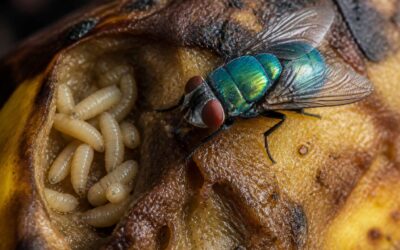
Honey’s allure is undeniable—its golden shimmer and rich aroma have captivated cultures across centuries. Yet, amid this sweetness lurks a persistent challenge: protecting honey from flies and honey contamination. Flies are naturally drawn to the sugary allure of honey, turning what should be a pristine jar into a breeding ground for unwelcome pests. The key to preserving honey’s purity lies in proper storage techniques that deter these persistent intruders.
One of the simplest yet most effective strategies is to ensure honey is stored in airtight containers. This creates a physical barrier that frustrates flies and keeps the honey fresh longer. Additionally, storing honey in a cool, dry place away from direct sunlight minimizes the attractiveness for flies and prevents spoilage. For those who take preservation seriously, using a honey pot with a tightly fitting lid or a honey dispenser with a secure seal can be invaluable. These small steps make a significant difference in safeguarding honey from flies and honey contamination, ensuring that every drop remains delicious and pure.
Hive Management and Pest Control
When it comes to safeguarding the pristine quality of honey, understanding how to protect honey from flies is paramount. Flies and honey have a natural affinity, but in the context of preservation, this relationship can be disastrous. Flies are notorious for contaminating honey, turning a sweet, natural product into a breeding ground for bacteria and unwelcome pests. Effective hive management and pest control are essential to keep these persistent intruders at bay.
One of the most reliable methods involves monitoring and maintaining a hygienic environment around your honey storage area. Regularly cleaning hive surroundings and employing physical barriers can significantly reduce fly access. For larger apiaries, consider implementing natural deterrents such as fly screens or fine mesh covers over stored honey jars. These simple but strategic measures create an impenetrable barrier, ensuring flies and honey remain separate.
- Use airtight containers with tight-fitting lids to prevent flies from reaching the honey.
- Store honey in cool, dry locations away from direct sunlight, which attracts flies.
- Maintain cleanliness in the hive and storage area to eliminate potential breeding sites for flies.
By integrating these hive management practices, beekeepers and honey enthusiasts can effectively control pest intrusion. Protecting honey from flies and honey contamination is not just about preserving purity; it’s about respecting the centuries-old art of honey harvest and ensuring every jar remains as nature intended—sweet, pure, and free from unwelcome guests.
Natural Repellents and Traps for Flies
Protecting honey from flies is a challenge many beekeepers face, especially in regions like South Africa where warm, humid conditions invite these unwelcome visitors. Flies and honey have a natural tendency to attract each other, but allowing them to meet can compromise the purity and safety of your honey harvest. Natural repellents and traps can serve as gentle yet effective guardians of your precious jars.
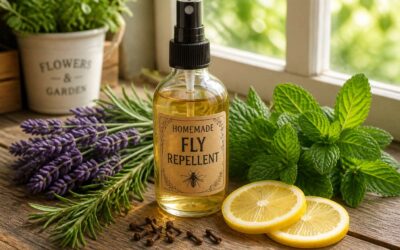
One of the most humane methods involves using natural deterrents such as citronella or eucalyptus oils around storage areas. These scents are disliked by flies and can help keep them at bay. Additionally, setting up simple traps—like sugar water bowls with a drop of dish soap—can lure flies away from honey, trapping them without chemicals. Regularly cleaning the hive surroundings and ensuring that storage containers are airtight and well-sealed are vital steps in preventing fly intrusion.
For larger apiaries, consider implementing physical barriers such as fine mesh covers or fly screens over storage containers—these act as impenetrable shields against flies and honey. An ordered approach—combining natural repellents, strategic traps, and secure storage—ensures that flies and honey remain separate, preserving the honey’s natural integrity and quality. This harmonious balance is essential for maintaining the traditional craftsmanship and purity that honey lovers cherish across South Africa’s rural landscapes.
Environmental and Health Considerations
Risks of Flies Contaminating Honey
In the quiet corners of South African farms, the delicate balance between nature’s sweetness and its nuisances often becomes a source of concern. Flies and honey, seemingly harmless, can pose significant environmental and health risks if not managed carefully. Flies are notorious for their ability to carry and spread bacteria, contaminating honey and other food sources with pathogens that can cause illness. This contamination is especially troubling when honey is stored outdoors or in less controlled environments, where flies have easy access.
Contamination from flies can compromise not only the purity of honey but also the health of those who consume it. In rural communities, where home-produced honey is common, the risk of bacterial transfer from flies to honey underscores the importance of strict hygiene practices. An overlooked aspect is the potential for disease transmission, including Salmonella and E. coli, which are often associated with flies and their contact with contaminated surfaces. Protecting honey from these unwelcome visitors involves thoughtful measures, such as secure storage and natural repellents, to prevent the unwelcome mingling of flies and honey. After all, the sweet reward of honey should remain pure and safe for everyone to enjoy.
Food Safety and Hygiene
Ensuring food safety when it comes to honey isn’t just about taste—it’s a matter of health and environmental integrity. Flies and honey, although seemingly innocuous, can become a covert threat to the purity of this natural treasure. Flies are vectors of bacteria, carrying pathogens like Salmonella and E. coli that can easily contaminate honey if proper hygiene measures are neglected. In rural South African farms, where outdoor storage is common, the risk amplifies significantly. Protecting honey from flies and honey requires vigilance and strategic measures that prioritize hygiene and environmental control.
Natural repellents and secure storage are vital in safeguarding honey’s purity. Implementing simple yet effective steps can drastically reduce contamination risks and preserve honey’s quality. For example, using tightly sealed containers and natural deterrents not only keeps flies and honey apart but also maintains the integrity of the sweet product. In this delicate balance between nature’s bounty and its nuisances, proactive measures serve as the frontline defense, ensuring that honey remains a safe, wholesome delight for all to enjoy.
Impact on Beekeeping and Honey Production
In the vibrant landscapes of South Africa, where beekeeping is woven into the fabric of rural life, the delicate balance between nature’s bounty and environmental health is constantly tested. Flies and honey might seem like simple coexistents, but their interaction can have profound implications on both the ecosystem and the livelihoods of local beekeepers. The presence of flies, especially in outdoor honey storage, introduces a layer of complexity that demands vigilant environmental management. These tiny vectors can carry bacteria and pathogens, threatening the integrity of honey and, ultimately, public health.
Environmental considerations are crucial in safeguarding honey production. Uncontrolled fly populations can escalate contamination risks, leading to economic losses and diminished trust in natural honey products. Beekeepers must adapt strategies that mitigate these risks while respecting the ecological balance. For instance, implementing natural barriers or choosing optimal storage locations can significantly reduce fly intrusion. The health of the entire beekeeping ecosystem hinges on understanding how flies and honey interact, emphasizing the importance of sustainable practices that protect both environmental integrity and human well-being.
Innovative Ways to Use Honey and Prevent Flies
Creative Honey Recipes
While flies and honey might seem like an odd pairing, inventive minds have discovered some surprisingly delicious ways to use honey that also help keep those pesky flies at bay. Imagine crafting a honey-based trap that doubles as a gourmet treat—sounds counterintuitive, but it’s a clever way to manage flies and enjoy honey’s natural sweetness. By turning honey into a fragrant, sticky lure, you can divert flies from your kitchen counters and into a designated trap, reducing contamination risks. This approach isn’t just practical; it’s a testament to honey’s versatility in pest management.
For those who love to experiment, creating creative honey recipes can be both a culinary adventure and a pest prevention tactic. Think infused honey with aromatic herbs or spices that deter flies while tantalizing taste buds. Incorporating natural repellents into honey recipes not only enhances flavor but also serves as a subtle barrier against flies and honey contamination. Whether drizzling honey over fresh fruit or blending it into a marinade, these innovative uses showcase how honey’s sticky charm can be part of a clever strategy to prevent flies and enjoy its sweetness safely.
Using Beeswax and Other Natural Barriers
In the delicate dance between nature’s sweetness and its nuisances, inventive solutions often emerge from the most unexpected places. Honey, revered for its natural allure, can serve as more than just a culinary delight—it can be a strategic tool in managing flies and honey contamination. By harnessing the stickiness and aroma of honey, we can craft natural barriers that deter flies while maintaining the integrity of this precious resource.
One innovative approach involves integrating beeswax, a natural barrier that repels flies and enhances the durability of homemade traps. Beeswax’s inherent properties create a subtle shield, discouraging flies from settling while allowing honey’s fragrant appeal to lure them in. Combining honey with natural repellents like citronella or eucalyptus oils in a beeswax coating forms a formidable defense against flies and honey contamination. This layered method not only minimizes the risk of pests but also preserves honey’s purity and flavor, turning pest management into an artful balance.
For those eager to experiment, an elegant solution is to craft honey-based barriers that serve dual purposes: pest deterrence and natural air freshening. Such barriers can be as simple as honey-infused sachets wrapped in beeswax or herbal infusions designed to mask the scent of honey from flies. These natural barriers act as silent guardians, creating a boundary that discourages flies and preserves honey’s pristine quality. The synergy of beeswax and honey exemplifies how natural materials can be woven into a subtle yet effective defense against flies and honey contamination, turning a common nuisance into an opportunity for ingenuity.
Smart Storage and Presentation Tips
In the vibrant tapestry of South African honey cultivation, safeguarding this golden nectar from unwelcome guests requires more than traditional measures. Innovative storage and presentation methods can turn the tide against persistent flies and honey contamination. Imagine using beautifully crafted glass jars with tight-sealing lids or incorporating natural barriers like beeswax wraps—these subtle yet effective strategies keep flies and honey apart, preserving freshness and purity.
For an extra layer of protection, consider the following approach:
- Place honey in opaque containers to obscure its tempting aroma, making it less attractive to flies.
- Wrap jars in herbal-infused sachets—lavender, mint, or eucalyptus—that naturally repel flies while adding a fragrant touch.
- Display honey in eco-friendly wooden or ceramic dispensers that prevent accidental spillage and discourage pests.
Proper presentation not only elevates the aesthetic appeal but also acts as a silent barrier—disarming flies and maintaining the honey’s pristine quality. When stored with care and creative flair, honey becomes more than just a sweet treat; it transforms into a protected treasure, immune to the nuisance of flies and honey contamination.
Common Myths and Facts About Flies and Honey
Myth: Honey Attracts Only Flies
Amidst the delicate dance of nature’s intricate tapestry, a common myth persists: that honey solely attracts flies. This notion, like a whisper in the wind, suggests that honey’s sweet allure draws only flies and no other creatures. Yet, the reality is far richer and more complex. Flies and honey are entwined in a symphony of ecological interactions, but honey’s appeal extends beyond this simple narrative.
Contrary to popular belief, flies and honey are not inseparable enemies. Flies are attracted to honey primarily because of its sugar content and aroma, but many other insects and even small mammals might find the sticky sweetness irresistible. Honey’s natural composition, with its complex sugars and subtle floral notes, can also beckon certain beetles and ants, which play their own roles in the ecosystem. Understanding these interactions dispels the myth that honey’s sweetness attracts only flies, revealing a nuanced web of life at play.
Fact: Proper Handling Minimizes Fly Infestation
Let’s debunk a sticky myth right off the bat: flies and honey are not sworn enemies destined for eternal conflict. In fact, this pairing has fascinated humans for centuries, spawning stories and misconceptions alike. The truth is, flies are just one of many creatures irresistibly drawn to honey’s sweet, viscous charm. But does that mean honey is a fly magnet? Not necessarily. Proper handling and storage of honey can significantly minimize fly infestation, turning what could be a pest problem into a minor inconvenience.
Many assume that the presence of flies and honey is an inevitable pairing—like peanut butter and jelly. However, the reality is far more nuanced. By maintaining clean, airtight containers and avoiding exposed honey, beekeepers and enthusiasts can keep these pesky visitors at bay. Implementing simple measures, such as using natural repellents or traps, helps keep the intriguing dance of flies and honey confined to nature’s grand stage, rather than your kitchen table.
- Properly sealed honey jars
- Cleanliness in storage areas
- Natural deterrents like citronella or eucalyptus
Understanding the behavior of flies and honey transforms what might seem like an inevitable pest scenario into a manageable situation. After all, managing flies and honey isn’t about fighting nature—it’s about outsmarting it with a dash of savvy. So next time you see a fly flitting around your honey jar, remember: with proper handling, you can keep that sticky sweetness pure and pest-free—because flies and honey don’t have to be an unavoidable duo.
Myth: All Flies Are Harmful to Honey
There exists a persistent myth that all flies are harmful to honey, but the reality is far more nuanced and, dare I say, less dramatic. While it’s true that certain species of flies can contaminate honey, not every fly is an unwelcome guest at the honey jar. The notion that flies and honey are enemies locked in eternal combat is an oversimplification that overlooks the intricate dance of nature.
In truth, many flies are merely opportunists, drawn to sweet scents but not necessarily intending to sabotage your precious honey. Some species, such as fruit flies, are more attracted to overripe fruit than to the pristine jars of honey stored in a cool, dark pantry. Proper handling—like sealing honey jars tightly and maintaining impeccable cleanliness—can significantly diminish the risk of contamination. Remember, not all flies are equal in their intentions, and with a dash of vigilance, you can enjoy your honey without unwelcome visitors.
- Not every fly visits honey with malicious intent.
- Proper storage and hygiene are your best allies in keeping flies away.
- Understanding fly behavior helps dispel the myth that flies and honey are destined for conflict.
So next time you see a fly fluttering near your honey pot, consider that it might be just a curious visitor rather than a harbinger of spoilage. With a bit of savvy, the myth of inevitable infestation can be laid to rest, allowing the sweet allure of honey to remain pure and pest-free.

0 Comments