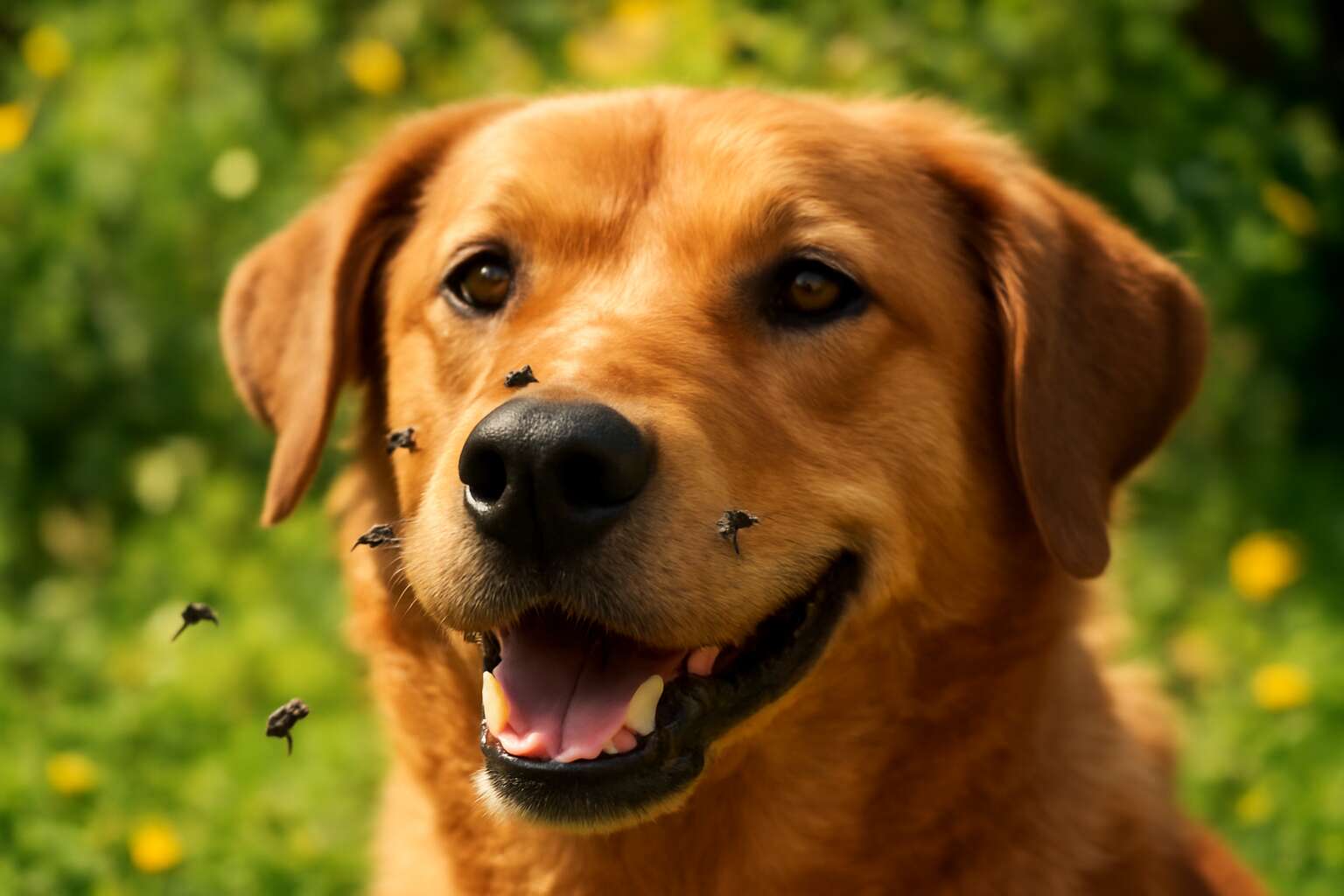
Understanding flies and dogs
Why flies interact with dogs
In South Africa’s sunlit yards, 6 in 10 dog households notice a spike in flies during the warm season. Understanding how these visitors interact with canine friends reveals a curious balance of scent and season. The phrase flies and dogs hints at a shared stage where scent and season choreograph encounters.
Flies are drawn to dogs by a recipe of heat, movement, and welcome scents. A wagging tail stirs the air, while skin oils and moisture offer a tempting snack for tiny wings.
- Comfort and warmth: Dogs lounge in sunlit patches that attract flies.
- Scent signals: Natural oils and moisture draw flies to potential meals.
- Movement and breeding cycles: Open spaces and grass invite hovering visitors.
From city balconies to sunlit savannas, this quiet drama plays out at human scale—a reminder that small wings can shape big moments in pet care and garden lore.
Types of flies commonly affecting dogs
Across South Africa’s sunlit yards, 6 in 10 dog households notice a spike in flies during the warm season. Understanding flies and dogs is more than trivia—it’s a wink at ecology and pet life on a small stage where scent, heat, and wind choreograph tiny dramas!
Common Pesky guests include:
- House flies (Musca domestica): drawn to warmth and quick movement, they linger around wagging tails and sunny patches.
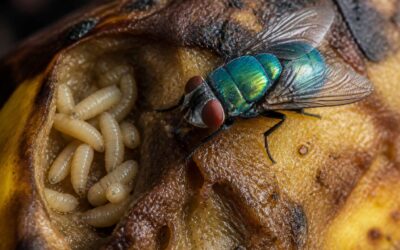
- Blowflies (Lucilia spp.): bold scavengers that hover near wounds or moist fur, turning summer afternoons into a buzzing promenade.
- Botflies (Cordylobia anthropophaga, tumbu fly): notorious for larvae that seek skin layers; their visits are memorable and a touch unsettling.
- Stable and horse flies (Stomoxys calcitrans, Tabanus spp.): hardy biters that prefer open areas and can turn a calm walk into a swatfest.
In this quiet theatre, the micro-drama serves as a reminder that even a sunny garden can host a buzzing cast with outsized influence.
Lifecycle of flies and how it affects exposure
South Africa’s sunlit yards crash into a small ecological drama each warm season, as the lifecycle of flies gains speed. The idea that flies and dogs share this fleeting stage is more ecology than trivia—a brisk choreography of scent, heat, and wind heightening exposure during play and grooming!
Understanding the lifecycle helps explain how exposure shifts. The four movements unfold as follows:
- Eggs are laid in moist corners and warm nooks; hatch quickly in heat.
- Larvae (maggots) feed on organic matter, sometimes near damp fur or wounds.
- Pupae rest in soil, waiting for sun and warmth to awaken anew.
- Adults emerge and circle back to warmth and scent, ready to begin again.
These stages bind microclimates to exposure, turning a quiet garden into a theatre where wings rehearse again and again.
Seasonal patterns of fly activity around dogs
South Africa’s sunlit yards ignite an ecological drama each warm season, and the air fills with a brisk chorus of wings. ‘Seasonal rhythms dictate where scent leads, and wings follow,’ observes a local ecologist, reminding us that flies and dogs inhabit the same microcosm of play and warmth. In South Africa, this duo shares a fleeting stage as the calendar warms.
Understanding these seasonal patterns means noticing when the yard becomes a theatre for tiny travelers. Early mornings and late afternoons, when heat lingers and breezes wander, often host the most movement. The rhythm is less a schedule and more a natural improvisation between sun, scent, and air. I watch it unfold in my own garden!
The choreography binds microclimates to exposure, turning quiet lawns into a stage where observation becomes a guide for understanding—without racing toward remedies or routines.
How to recognize fly-related problems in dogs
In South Africa’s sunlit yards, a brisk duet unfolds—the strange ballet of flies and dogs. A local ecologist puts it plainly: “Seasonal rhythms dictate where scent leads, and wings follow.” The result is a microdrama where warmth, wind, and whimsy mix in the air.
Watch for telltale cues that the yard’s tiny travelers are writing a chorus with your pup:
- Persistent tail swishing and head shaking near ears
- Excessive licking at lips, paws, or muzzle
- Squinting eyes, tearing, or rubbing the face along furniture
- Spotty or irritated skin around the muzzle, eyes, or neck
Understanding these micro-drama signals turns the yard into a diary, inviting observation over haste.
Health risks and symptoms caused by flies in dogs
Fly bite dermatitis in dogs
Fly bites in the SA heat are more than a nuisance; they rewrite a dog’s comfort with stinging punctuation. When flies and dogs meet, dermatitis can bloom as red patches, relentless itching, and restless nights. “Flies are not merely nuisances,” a SA veterinarian once said; “they puncture a dog’s peace.”
- Itching that morphs into scrapes and hot spots
- Red, swollen skin at bite sites
- Hair loss and crusty patches around wounds
- Discomfort that leads to restlessness or decreased activity
Beyond the surface, health risks creep in. Secondary infections and, in rare cases, maggot infestation can accompany untreated bites, turning a moment of irritation into something more haunting. The quiet suffering of a dog becomes a mirror for our shared responsibility.
Fly-transmitted diseases to dogs
In South Africa, the heat turns flies and dogs into a tense duet. Veterinary clinics report a roughly 40% uptick in fly-transmitted issues during peak season, a stark warning.
Health risks extend beyond surface irritation. Untreated bites invite secondary infections, and in rare cases maggot infestation can complicate a simple sting, turning a momentary itch into a siege.
Symptoms include persistent itching, red patches, hair loss, and swelling around bite sites, often accompanied by restlessness, sleep disruption, and reduced activity as discomfort gnaws at mood.
The quiet tragedy of flies and dogs reminds us that vigilance matters; what starts as irritation can unspool into a broader health saga if left unchecked.
Signs of discomfort and skin issues due to flies
Heat in South Africa can turn a simple fly bite into a health alert for our four-legged friends—flies and dogs live in a tense summer duet. Beyond mere irritation, bites can pave the way for secondary infections and, on rare occasions, maggot infestations that complicate a momentary itch.
Watch for these unmistakable signs of discomfort and skin issues caused by flies in dogs:
- Persistent itching that your canine companion can’t seem to scratch away
- Red patches or swollen bite sites
- Hair loss around affected areas
- Swelling and warm-to-touch skin
- Restlessness or sleep disruption as itching gnaws at mood
- Reduced activity or reluctance to move that wasn’t there before
In this quiet crisis, vigilance matters—what starts as a small sting can escalate if left unchecked across SA’s warm months for flies and dogs.
Eye and ear irritation from flies
Heat sharpens every encounter between flies and dogs, turning nuisance into a health hazard. Eye and ear irritation from flies is more than itchy annoyance—it’s a potential gateway to infection that can disrupt sleep and vitality. As a seasoned South African veterinarian often quips, “when the flies swarm, tiny irritations become big problems fast.” Flies landing near the eyes or in the ears inflame sensitive tissues, triggering redness, discharge, and a cycle of scratching that invites secondary problems.
- Redness, tearing, and irritation around the eye
- Ear scratching, head tilting, and visible discomfort
- Ear discharge, crusting, or foul odor
- Squinting or sensitivity to light
- Pawing at the face or rubbing against furniture
Recognising these symptoms is essential when flies and dogs share the same summer stage.
Behavioral changes linked to fly exposure in dogs
Heat thickens the air as flies and dogs share the same summer stage, turning a nuisance into a health risk with startling speed!
Flies can seed bacteria and irritate tender skin, nudging poor pups toward infections and sleepless nights.
Prevention and control for homes, yards, and dogs
Indoor fly control tips for dog households
In SA summers, fly activity spikes. Fly presence in homes often rises by 25% during peak warmth. Flies and dogs share spaces more than you’d expect, and prevention pays off.
Prevention centers on reducing attractants and strengthening barriers around living areas and yards. Waste management and standing water are focal points, while vegetation that shelters adults influences risk. Inside the home, clean pet spaces and intact screens contribute to a quieter indoor environment.
Indoor fly control for dog households relies on a layered approach—sanitation, barriers, and ongoing monitoring. A calm, moving-air environment helps ease irritation and protects both home and hound alike.
Outdoor yard management to reduce fly populations
South Africa’s summer truth is blunt: fly activity can surge by as much as 40% when heat stiffens the air. “Where waste and warmth meet, flies thrive,” a guiding thought for any garden where flies and dogs share space. That reality nudges the home-yard balance toward vigilance and calm, not panic.
Outdoor prevention hinges on reducing attractants and bolstering barriers around play zones for dogs. Consider these broad categories:
- Waste management and timely disposal of pet waste
- Eliminating standing water and damp, shady pockets
- Vegetation control to limit resting sites for adults
- Physical barriers and screened access to key outdoor areas
A layered approach works best: sanitation, barriers, and ongoing monitoring. A gentle breeze makes a tangible difference, helping keep skies clearer for both home and hound. In the end, preventing nuisance flies hinges on consistent, thoughtful yard management that respects the bond between flies and dogs.
Safe dog-friendly fly repellents and deterrents
A sizzling South African summer can turn the yard into a buzzing theatre for flies and dogs alike; heat can boost fly activity by as much as 40%. In that warm season, prevention feels less like a chore and more like a quiet ritual that keeps the air clear and friendly for wagging tails.
Safe, dog-friendly deterrents offer a humane path forward. This is not about battles but balance—gentle options that respect pets and the outdoors. A thoughtful mix of non-toxic choices, soothing scents, and thoughtful design can build a barrier between curious noses and the buzzing intruders.
- Pet-safe barrier concepts
- Non-toxic repellents and deterrent principles
- Ongoing observation and veterinary guidance
With this approach, flies and dogs continue to share space with a lightness of being—yards that breathe, play zones that remain calm, and a home that feels magical rather than besieged.
Grooming and hygiene practices to minimize fly attraction
In a South African summer, fly activity can surge by up to 40%, turning yards into a buzzing theatre for flies and dogs. Prevention then feels less like a chore and more like a quiet ritual that keeps air and paws at ease.
Prevention and control for homes, yards, and dogs starts with grooming and hygiene: clean sleeping areas, regular washing and brushing, and removing attractants from outdoor spaces. Even small adjustments can disrupt the delicate balance that draws flies in.
- Maintenance of pet bedding and resting zones to reduce scent attractants
- Managing yard waste and food sources so they stay out of reach
- Sealing entry points and tidy, well-drained outdoor spaces
By weaving these gentle habits into daily life, the yard breathes easier for every wagging tail.
Treatments and veterinary guidance
When to consult a veterinarian for fly-related issues
South Africa’s summers turn fly activity into a veritable theatre, with some days seeing up to a 70% uptick in encounters. That brisk air carries more than pollen—it irritates flies and dogs who’d rather enjoy a stroll than audition for swarm choreography. When discomfort shows, treatment and veterinary guidance become the steadying hand.
Treatments and veterinary guidance center on accurate diagnosis and targeted care. A veterinarian will evaluate for secondary infections, prescribe appropriate topical or systemic medications, and manage any eye or ear irritation. In stubborn cases, referral to a specialist or imaging may be necessary to rule out deeper issues and tailor a plan for recovery.
Consider these signals that a vet visit is prudent:
- Symptoms persisting beyond 2–3 days or worsening
- Visible wounds, swelling around eyes or ears, or discharge
- Lethargy, fever, or a noticeable drop in appetite
With professional guidance, a tailored veterinary plan harmonizes healing with the broader management of fly-related issues for flies and dogs alike.
Medications and topical treatments for fly dermatitis
In peak South Africa summers, fly encounters surge by as much as 70%, turning a simple stroll into an itchy theatre for flies and dogs. Treatments and veterinary guidance focus on accurate diagnosis and targeted care. A vet will check for secondary infections and tailor a plan for healing.
Medications and topical treatments commonly considered include:
- Topical antibiotics and antiseptics to combat secondary skin infections
- Antifungal shampoos or creams for yeast-related dermatitis
- Corticosteroid creams or sprays to reduce inflammation and itch
- Medicated wipes or ear-drops formulated for sensitive dogs and ears
For stubborn cases, systemic medications or specialist referral may be appropriate, and regular follow-up ensures the plan stays aligned with recovery for flies and dogs.
Fly prevention products for dogs (collars, sprays)
When fly activity spikes in South Africa’s summers, preventive care becomes essential for flies and dogs. Veterinary guidance supports using proven fly prevention products designed for dogs—think protective collars and fast-acting sprays that deter biting at the source.
Professional recommendations often include:
- Collars and tags that release deterrents
- Topical sprays with dog-friendly ingredients
- Wipes and ear drops designed for sensitive ears
Ongoing assessment by a veterinarian ensures the approach aligns with a dog’s evolving needs, especially during peak fly seasons.
Home remedies and what to avoid
Fly season in South Africa often catapults canine discomfort into full bloom. A veterinary snapshot shows fly-related dermatitis rising by as much as 40% during peak heat, reminding owners that timely treatment matters. When flies and dogs collide in summer, guided care keeps bites at bay.
Treatments must be vetted by a clinician. Veterinary guidance champions proven dog-specific products—deterrent collars and fast-acting sprays—paired with a watchful reassessment as seasons shift.
Home remedies can help between visits, but avoid DIY mixes, essential oils, or human medications that irritate skin and ears. If symptoms worsen, consult promptly for a targeted plan.
Expert insights, resources, and FAQs
Common FAQs about flies and dogs
Across South Africa’s sun-scorched summers, there is a quiet, merciless theater: flies and dogs circling in a dance of irritation. A recent veterinary survey found that more than half of dogs show signs of fly-related discomfort during peak months.
Expert insights from SA veterinarians remind us that understanding species behavior unlocks prevention. As one entomologist notes, “flies thrive where warmth and shelter meet,” guiding our gaze toward patient observation over quick remedies!
Resources for deeper study:
- South African Veterinary Association (SAVA)
- Pet Health SA and allied animal-welfare platforms
- University extension programs on entomology and animal health
- FAQ: How do experts assess fly exposure in dogs without sensationalizing symptoms?
- FAQ: Where can South African pet owners locate reliable, local information?
- FAQ: What prompts veterinary consultation regarding flies and dogs?
Expert tips from veterinarians
Across SA’s sun-scorched summers, flies and dogs collide in a quiet, relentless theatre of irritation. Expert vets remind us that patient observation beats quick fixes, and an entomologist notes, “flies thrive where warmth and shelter meet.” That insight helps caregivers read behavior and head off trouble before it starts!
Useful resources for deeper study include the South African Veterinary Association (SAVA), Pet Health SA and allied animal-welfare platforms, and university extension programs on entomology and animal health.
FAQ topics cover how experts assess fly exposure without sensationalizing symptoms, where to locate reliable, local information, and what prompts veterinary consultation.
- How do experts assess fly exposure in dogs without sensationalizing symptoms?
- Where can South African pet owners locate reliable, local information?
- What prompts veterinary consultation for fly-related issues in pets?
How climate affects fly activity and dog protection
South Africa’s summers are more than scorch—it’s a quiet theatre where flies and dogs share the stage. This piece explores how climate affects fly activity and dog protection, shaping when swarms arrive and how long they linger. Climate shapes warmth, shelter, and wind into a practical calendar for caregivers. For researchers, they are a living signal: warmer, drier spells often raise activity, while sudden storms can curb or scatter swarms. In this interwoven landscape, flies and dogs reveal a lot about local microclimates and animal welfare.
Expert vets remind us that patient observation beats sensational headlines, while an entomologist notes that warmth and shelter are magnets for flies. Useful resources for deeper study include the South African Veterinary Association (SAVA), Pet Health SA and allied platforms, and university extension programs on entomology and animal health.
- SAVA (South African Veterinary Association)
- Pet Health SA
- University extension programs on entomology and animal health
FAQs reflect how climate informs responses without alarm, framing questions caregivers actually ask about how climate affects fly activity and dog protection, where to locate reliable, local information, and what prompts veterinary consultation.
- How do experts assess fly exposure in dogs without sensationalizing symptoms?
- Where can South African pet owners locate reliable, local information?
- What prompts veterinary consultation for fly-related issues in pets?
Resources: books, blogs, and organizations
From sun-scorched townships to misty farmyards, flies and dogs share a hidden calendar of risk and relief. Expert vets weigh in on how seasons, shelter, and scent steer activity, while researchers watch microclimates translate into everyday welfare cues.
For deeper guidance, trusted resources anchor your care. In South Africa, professionals point to local organizations and academic programs as steady beacons amid rapid climate shifts!
- South African Veterinary Association (SAVA)
- Pet Health SA
- University extension programs on entomology and animal health


0 Comments