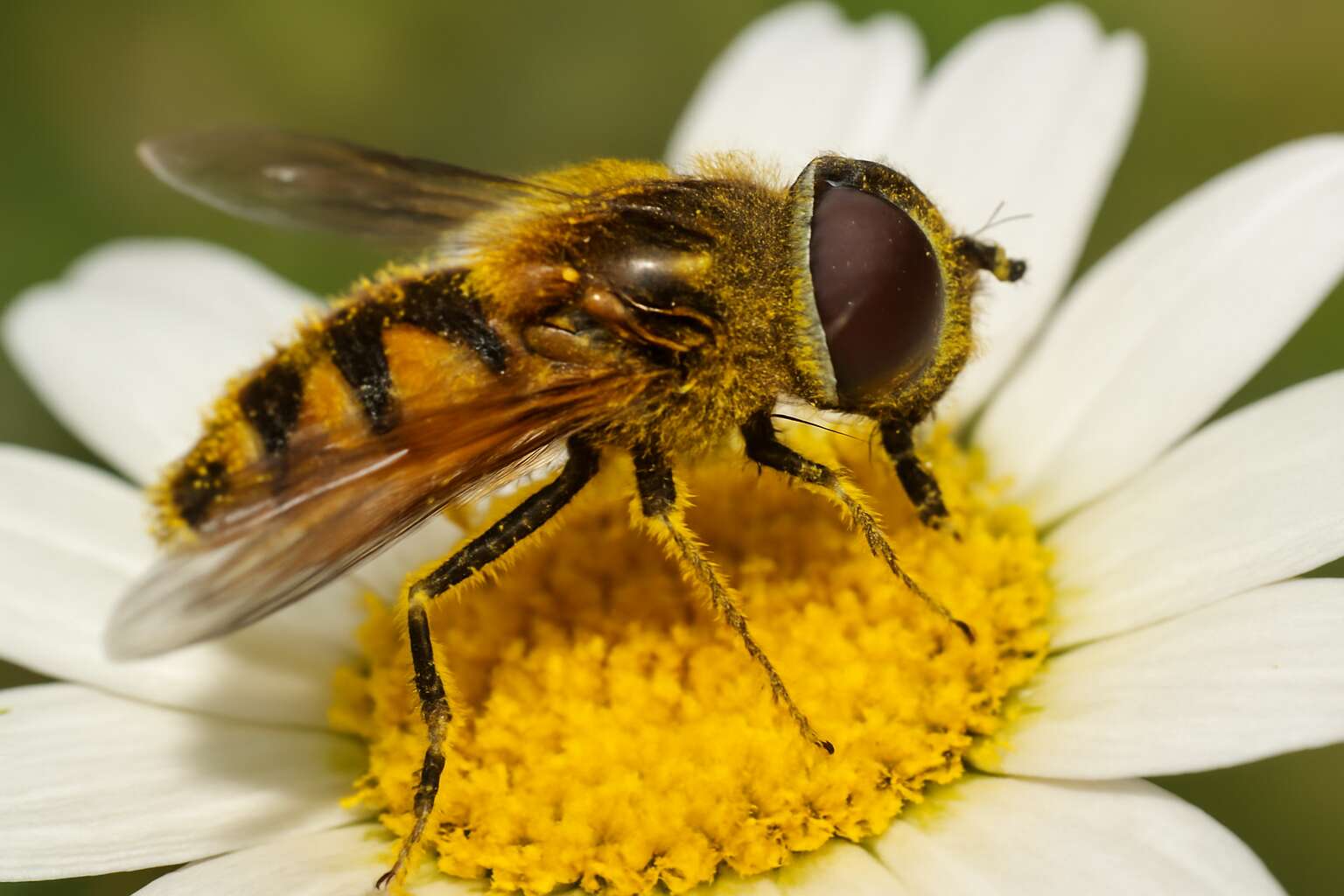
What is fly pollination and why it matters
Introduction to flies as pollinators
In South Africa’s sunlit tapestry, flies pollination is the quiet engine of life—”pollination wears many wings,” as one ecologist puts it. A single wingbeat can carry pollen from bloom to bloom, weaving abundance through fynbos, fruit orchards, and veld alike!
Flies show up where bees pause, visiting a broad array of blossoms—often in cooler moments when other pollinators drift away. Their steady, species-spanning visits bolster biodiversity and help farmers maintain crop yields across varied seasons.
- Rapid, frequent visits across many flower types
- Active in cooler mornings and overcast days
- Supports resilient systems in SA’s diverse habitats
Recognizing their role reframes our view of pollination, celebrating an unsung partner in the dance of life.
Key plant-pollinator interactions involving flies
In South Africa’s sunlit tapestry, flies pollination acts as a quiet catalyst for bloom. Studies show this process accounts for 10–20% of fruit set in several crops, revealing a hidden workforce. Diptera—pollinating flies—transfer pollen as they sip nectar, often when bees are quiet and conditions are cooler.
Flies visit a broad array of blossoms, boosting biodiversity across fynbos and orchard belts. Flowers with open nectaries and ferment-like scents lure these visitors, expanding cross-pollination opportunities where other pollinators lag.
- They shuttle pollen across multiple flower types in a single foraging trip
- They flourish in cooler hours when bees retreat
This partnership reshapes perspectives on pollination, highlighting flies pollination as a quiet pillar of South Africa’s ecosystems.
Differences between fly pollination and bee pollination
In South Africa’s dawn-lit fields, flies pollination quietly accounts for up to 10–20% of fruit set in key crops. It isn’t flashy; it’s the intimate pollen handoff as flies sip nectar, often when bees are scarce and mornings are cool. This subtle process matters, quietly boosting yields across open blooms.
Why it matters and how it differs from bee pollination reveal a different tempo of ecological work. Here are the key contrasts that matter for growers and ecologists:
- Timing: pollination by flies thrives in cooler, quieter hours; bees prefer warmth and brightness.
- Floral fit and pollen: flies visit a broad range of blossoms with accessible nectar, while bees favor structured flowers and more targeted pollen transfer.
Common misconceptions about flies in pollination
Flies pollination is not flashy, but it quietly underpins South Africa’s dawn-to-dusk orchards. On mornings when bees are slow and petals unfurl in cool air, this quiet service contributes to fruit set and quality in ways that are easy to overlook yet hard to ignore. It asks us to value quieter, less obvious labor!
From bloom to stigma, flies move with a patient, unhurried precision. They visit a broad range of blossoms, attracted by accessible nectar, and leave pollen behind as they feed. The result is a resilient pollination channel—less dramatic than bees, perhaps—but essential for crops that bloom under cool, quiet skies in South Africa. This is flies pollination in action.
Three common misconceptions linger around these overlooked partners:
- Flies pollination makes crops dirty or poor in quality.
- They only visit rotten or foul-smelling flowers.
- Bees do all the pollinating, so flies aren’t needed.
Fly pollinators across ecosystems
“Quiet workers, loud results,” a South African grower once told me. That quiet engine behind crops that bloom under cool skies from dawn to dusk is flies pollination—turning patient visits into dependable fruit set!
Flies move with patient, unhurried precision from bloom to stigma, visiting a broad range of blossoms and leaving pollen as they feed.
- They thrive when mornings are cool and bees slow.
- They broaden pollination across diverse flower families.
- They contribute resilience to variable weather and crop cycles.
In South Africa, this quiet pollination channel underpins dawn-to-dusk orchards and market staples, shaping fruit quality and yield in ways easy to overlook yet hard to ignore.
Types of flies that pollinate plants
Tachinidae and other families that contribute to pollination
A single fly can visit hundreds of flowers in a day, and that pace is the heartbeat of flies pollination in many landscapes. Tachinidae—the parasitoid flies—sip nectar during their travels and, as a side effect, carry pollen between blooms. Other fly families join in—none replace bees, yet they fill gaps when flowers are scarce. In South Africa’s diverse flora, these visitors help sustain fruiting in fields and gardens alike.
Key players include:
- Tachinidae
- Syrphidae (hoverflies)
- Bombyliidae (bee flies)
- Muscidae (houseflies)
- Calliphoridae (blowflies)
These visitors search a wide bloom palette—from proteas to herbs—driving resilient flies pollination across South Africa’s ecosystems. They usually arrive with patience and curiosity, turning ordinary garden moments into fruitful outcomes.
In practice, growers notice diverse crops flowering in tandem with these visitors, especially in sunny borders and native gardens. Their role keeps pollination active when other pollinators slow down.
Hoverflies (Syrphidae) as effective pollinators
Hoverflies, those delicate diplomats of the garden, drift through sunlit borders with a fragrance of summer on their wings. In South Africa’s protea-studded landscapes and aromatic herb corners, Syrphidae stand among the most effective pollinators. They sip nectar and, as a side effect, ferry pollen from bloom to bloom. I watch their patient, precise ballet unfold—an essential thread in flies pollination that brightens fields and gardens alike.
- Visit numerous flowers per outing, stitching together bloom mosaics
- Carry pollen on dense bodies, boosting cross-pollination across species
- Thrive in sunny borders and varied herb gardens, extending pollination windows
Beyond the buzz, hoverflies weave resilience into South Africa’s crops and ornamentals, quietly sustaining blooms when other pollinators sleep.
Moth flies and their surprising role
Small wings, big influence! In South Africa’s damp margins, moth flies quietly contribute to flies pollination. These pint-sized visitors flit through leaf litter and glasshouse corners, sipping nectar and touching flowers with delicate brushes of their legs.
- Thrives in moist habitats near drains, greenhouses, and fountains, visiting a range of flowers
- Dense, velvety bodies ensure pollen adhesion and cross-pollination across plant species
- Active in twilight and crepuscular hours, extending pollination windows when bees rest
In quiet corners of South African gardens, moth flies remind us that pollination is a distributed, resilient system—less glamorous, but essential for the tapestry of blooms that define our landscapes.
Drosophilidae and agricultural pollination
Across South Africa’s markets and fruit groves, Drosophilidae—the nimble fruit flies—quietly stage a role in flies pollination. Their tiny wings hum along the edge of blossoms, transforming nectar visits into pollen handoffs that support crop diversity and resilience in orchards and gardens.
- Small bodies access narrow floral coronas with ease
- Move between fruiting and flowering plants, aiding cross-pollination
- Dense, velvety bodies help pollen cling during contact
- Active in cooler mornings, extending pollination windows
In the broader narrative of pollinators, these unassuming players complement bees and hoverflies, weaving a distributed, resilient network that underpins South Africa’s vibrant harvests.
Pollination behavior in vine and fruit crops
In South Africa’s sun-warmed vines and fruit groves, a quieter chorus drives yields: flies pollination. I watch a patient blowfly skim petal edges, and I know its pollen transfer matters. These visitors drift from bloom to bloom, their visits shaping crops across orchards and vineyards.
Types that quietly orchestrate cross-pollination include:
- Calliphoridae (blowflies): metallic sheen, short flights between blossoms; pollen collects on legs and bristles, helping cross-pollination in damp, floral pockets.
- Muscidae (houseflies): sturdy visitors on ripe blooms; nectar stops leave pollen clinging to the thorax, aiding transfer between nearby vines and fruiting heads.
- Sciaridae (fungus gnats): in damp soil-adjacent flowers, sipping nectar as they move, enabling quiet pollen handoffs between vine clusters and fruitlets.
In practice, these unwaxed wings stitch life into the vine and fruit crops, a living testament to flies pollination across South Africa’s farms.
The science behind fly pollination
How flies visit flowers and collect pollen
In South Africa’s sun-drenched meadows, a surprising force powers blooms: flies pollination in action. A single study reveals that in certain microclimates, fly visits leave as much pollen as a careful bee forager. The science behind this is a dance of fragrance, microtextures, and timing. Flies are drawn to flowers by a bouquet of volatile cues, and their bodies become pollen ferries as they alight for nectar.
How do they visit flowers and collect pollen? The answer reads like a travelers’ map:
- Landing on a bloom and sampling nectar while hairs pick up pollen.
- Clinging to stamens; pollen grains stick to fine body hairs and later brush onto the next blossom.
- Riding from bloom to bloom, often navigating scent trails that guide efficient transfers.
This subtle mechanism complements bee pollination and is a crucial facet of flies pollination in South Africa’s veld and gardens.
Nectar rewards and fly attraction mechanisms
Across South Africa’s veld, a surprising courier system powers blooms: flies pollination. In some microclimates, a single fly visit moves as much pollen as a careful bee forager—proof that these small visitors can drive pollination.
Flowers lure flies with nectar rewards—rich in sugars, amino acids, and minerals—paired with volatile cues that waft along the breeze. Fragrance blends and subtle color hints guide the fly to the bloom, while large hair-like scales on the insect grab pollen and carry it to the next blossom.
- Nectar rewards entice longer foraging bouts and pollen pickup
- Olfactory cues and visual signals guide fly visits
- Direct pollen transfer happens as bodies brush stamens and pistils
Seasonal patterns and habitat requirements
Bright sun on South Africa’s veld reveals an improbable statistic: in some bloom networks, flies pollination accounts for a meaningful slice of pollen transfer, rivaling early forays by bees—remarkable! The science behind these tiny couriers blends chemistry and chance, shaping how flowers court visitors and how pollen glides along the breeze.
Seasonal patterns hinge on microclimate quirks—moisture pulses after rain, temperature ramps, and the fickle Cape wind. In fynbos and grassy savannas, fly activity peaks within precise bloom windows, aligning nectar surpluses with foraging bouts and ensuring pollen bridges between partners.
Habitat requirements unfold as a tapestry: warmth, floral diversity, and modest land-area mosaics that sustain sequential blooms. In the veld, these conditions expand the reach of flies pollination beyond the obvious bloom clusters.
- nectar-rich, open blooms that attract wider foraging swarms
- microclimates with gentle humidity and stable light
- dense floral patches that sustain repeated visits
Pollen transfer efficiency and limitations
The science of flies pollination hinges on a quiet chemistry: pollen grains cling to fly bodies by electrostatic forces, microhairs, and mucilaginous coatings. Pollen transfer efficiency depends on how long a fly stays on a flower, how many blossoms lie in reach, and the foraging rhythm that stitches flowers into a network. When bloom timing aligns with nectar surpluses, these tiny pollinators bridge partners even where bees dominate. Limitations remain: pollen viability fades with heat, and mismatches between visitation and stigma receptivity curb transfer.
Key determinants of the transfer dance include:
- Adhesion between pollen and fly surface
- Flower structure that optimizes contact
- Visitation timing vs. pollen viability
These cues frame both the reach and limits of flies pollination in SA’s diverse veld and fynbos.
Fly pollination in ecosystems and agriculture
Role in open fields and forest understories
In South Africa’s mosaic of veld and forest, flies pollination works as a quiet engine behind the blooms. It sustains countless native flowers when other pollinators are scarce, turning open landscapes into living pollination networks that hum with vitality!
In open fields and fruit groves, pollination by flies proves invaluable for crops like citrus and berries. They flit from blossom to blossom, drawing nectar and, often unknowingly, transferring pollen across varieties—a practical, low-key boost to harvests.
In forest understories and shaded glades, whispers of nectar lure flies to hidden blooms. Here, they help keep secret corridors of biodiversity alive, linking understory plants with the broader ecosystem and sustaining resilient food webs.
- Supports plant diversity across microhabitats
- Bridges pollination gaps in low-light conditions
- Complements bees for extended flowering windows
Impact on crop yields and fruit quality
In South Africa’s sun-burnished orchards, flies pollination operates as a patient artisan behind every bloom. When bees are few, these agile visitors lift yields and influence fruit quality by guiding pollen across varieties and blossoms, shaping fruit set and uniform ripening.
- Improved fruit set under cool, overcast mornings when pollinators are scarce
- More uniform coloration and sugar balance through steady pollen transfer
- Better resilience of yields in fragmented landscapes with diverse habitats
Across South Africa’s varied landscapes, the unseen work of pollinators stabilizes crop performance and fruit quality. This wing-beat contribution helps maintain consistent harvests even when weather shifts or pollinator communities fluctuate, weaving a link between wild biodiversity and farm productivity.
Interactions with other pollinators and pollination networks
In South Africa’s mosaic of veld, flies pollination quietly threads a link between distant blooms. Far from mere garnish, these visitors help stabilize pollination networks when bees retreat or weather shifts. They shuttle pollen across co-flowering species, linking floral traits to steady fruiting.
- Complementary timing with bees during cool mornings
- Cross-species pollen transfer broadening fruit set
- Edges, understories, and diverse habitats sustain visits
Across farms and forest understories, this winged workforce adds resilience to crops and ecosystems. The interplay between this pollinator cohort and other players builds a robust tapestry, ensuring networks endure fluctuations in weather and biodiversity while keeping harvests steady with quiet, persistent energy!
Supporting and encouraging fly pollination in gardens
Creating habitats and resources for flies
In South Africa’s sun-kissed gardens, pollinators work behind the scenes—often with a gentler footprint than we expect. flies pollination contributes quietly and consistently to fruit and seed production. The role of these unlikely workers reveals a patient, methodical approach to reproduction that philosophers envy.
To support these unsung partners, gardeners cultivate pockets of shelter and moisture, allowing a mosaic of microhabitats to form—shaded corners, leaf litter, and irregular ground cover that preserve fly populations.
The result is a garden that hums with an auxiliary chorus, a reminder that even in South Africa’s bustling ecosystems, small changes ripple outward.
Minimizing pesticide impact on pollinator flies
In South Africa’s gardens, a quiet statistic is at work: flies pollination can influence fruit set even when blooms seem abundant. “Pollination is a team sport,” a local horticulturist says, and the smallest flyers know their part.
Supporting these visitors means preserving the shelter, moisture, and microhabitats they rely on. Shaded corners, leaf litter, and a mosaic of ground cover create a backdrop where pollinating flies can drift from bloom to bloom with confidence.
Minimizing pesticide impact on pollinator flies keeps the garden resilient. A calm approach to pest management protects the flying workforce, ensuring steady pollination across the season and contributing to consistent fruit quality in open fields and home plots alike.
Plant choices that attract fly pollinators
“Pollination is a team sport,” a local horticulturist says, and in South Africa’s gardens, flies pollination quietly powers fruit set even when blooms look abundant. Plant choices can tip the balance in favor of these important visitors, offering open blooms and nectar-rich rewards that suit their flight patterns.
- Umbellifers and open-faced blooms such as dill, fennel, and coriander
- Dainty native daisies and creeping groundcovers that sustain nectar through warm days
- Smell-rich herbs like lavender, rosemary, and thyme that lure flies with scent
- Late-season nectar sources to keep the workforce active across the season
Supporting their stay means more than flowers alone—shaded corners, leaf litter, and a diverse ground cover create microhabitats where flies can rest, slip from bloom to bloom, and contribute to flies pollination with steadier pollen transfer. A garden mindful of shelter and moisture remains resilient and productive in open fields and home plots alike.
Monitoring and maintaining healthy pollination networks
Supporting and encouraging pollination in gardens means more than nectar—it’s about weaving habitat corridors that let visitors slip from bloom to bloom. In South Africa’s sun-warmed borders, a mosaic of open blooms, shaded corners, and leaf litter forms a living network where flies pollination acts as a quiet backbone, even when other pollinators fade. A thriving microcosm invites these tireless couriers to linger, forage, and ferry pollen along winding floral lanes.
Monitoring these networks is a gentle art: observe how blooms stagger through the season, how microclimates cradle resting places, and how moisture shimmers in shadier corners to help visitors stay awhile. When these threads connect—plants, pollinators, and pollen transfer—the garden feels resilient, its pollination web humming with steadier activity across open fields and home plots alike.

0 Comments