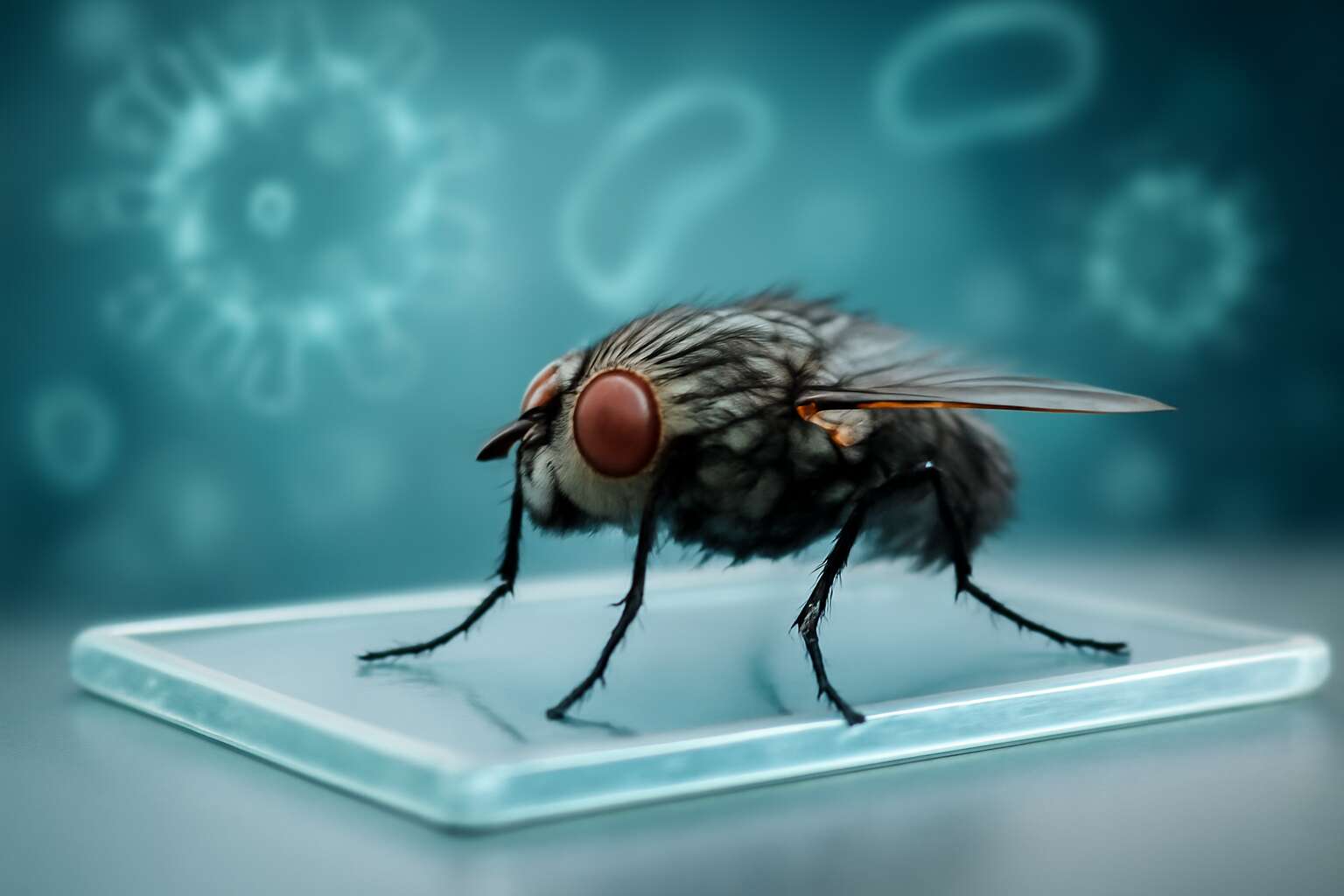
Understanding flies disease
Definition and scope of flies disease
In South Africa, fly activity spikes with the heat, and risk can rise by as much as 35% in warmer months, reshaping hygiene talk in markets and homes. It’s a reminder that our spaces share the stage with tireless visitors who crave detritus!
Understanding flies disease is to glimpse its definition and scope. The term ‘flies disease’ captures the risk, not a single pathogen. Flies act as mechanical vectors, ferrying bacteria, parasites, and viruses from waste to food, water, and surfaces, turning everyday exposure into potential illness across households, food service, and transport networks in South Africa.
To map its reach, consider the habitats, behaviors, and timings that amplify transmission. The following facets illuminate the scope for flies disease awareness:
- Vectors and carriers in urban and rural settings
- Exposure pathways across kitchens, markets, and transit points
- Public health and economic implications for communities
Historical context and global impact
History bears the ink of a patient, unwitting courier—the fly. Across centuries and continents, flies have left a stubborn stamp on public health and commerce, shaping sanitation, market hygiene, and food security in subtle, steady ways. The phrase flies disease signals risk’s reach, not a single culprit.
Historical context and global impact unfold like a map: trade routes carried pests as unintended passengers; urbanization crowded lives and stalls; and international health pioneers forged frameworks that turned surveillance into science. A concise timeline paints a few landmarks!
- Early sanitation reforms and the rise of clean markets.
- Expansion of global food networks and the need for better storage.
- Modern bio-surveillance and cross-border regulations guiding prevention.
Today, the narrative threads through kitchens, ports, and transit hubs, underscoring a shared responsibility that transcends borders and brands, a dynamic visible in South Africa’s bustling markets.
Why flies disease matters for health and agriculture
Across South Africa’s bustling markets, a single cluster of flies can touch dozens of stalls in minutes, turning clean surfaces into inadvertent carriers of flies disease. The image is stark and lyrical: a tiny visitor with outsized reach, shaping the rhythm of meals and the bustle of commerce alike.
Why it matters spans health and harvest. Flies ferry bacteria and parasites to food, surfaces, and wounds, threatening public safety and farm yields. For farmers, markets, and processing plants, contamination can destabilize livelihoods, disrupt supply chains, and complicate export in a market-savvy nation like ours.
Addressing this intertwined risk requires a shared language of sanitation, surveillance, and biosecurity. In South Africa’s ports, markets, and fields, the story of flies becomes a story of resilience—one that links human well-being with agricultural vitality and the integrity of our food system.
Common misconceptions about flies disease
Understanding flies disease begins when we view a market as an ecosystem where tiny vectors ride air currents and linger on surfaces. One cluster of flies can touch dozens of stalls in minutes, turning clean counters into unwitting carriers. We glimpse the fragility of daily routines, and the way small intrusions redraw the rhythm of commerce.
These visitors ferry bacteria and parasites to food, surfaces, and wounds, reshaping public safety and farm outcomes. Common misconceptions obscure the real risk; clarity arises from a shared language of sanitation, surveillance, and biosecurity that binds households, markets, and fields.
- Flies disease is a problem only in dirty spaces.
- If you can’t see flies, you are safe from transmission.
- All flies carry the same pathogens.
In South Africa, this balance guides markets, ports, and farms toward resilient futures.
Causes and transmission of flies disease
Biological agents associated with flies disease
A single fly can ferry hundreds of microbes from filth to food, turning a moment of supper into a quiet, creeping threat! The causes and transmission of flies disease unfold through contamination: when a fly lands on waste, then on uncovered dishes, it transfers bacteria and other pathogens. In South Africa’s busy kitchens and bustling markets, this intimate mischief happens all too often, slipping through sanitation gaps and quieting the health of communities.
- Salmonella and Campylobacter
- E. coli and related bacteria
- Norovirus and other enteric viruses
- Protozoa such as Giardia
- Helminth eggs and larvae
Biological agents linked to flies disease vary in form but share a brutal logic: a tiny insect becomes a vessel, a vector that translates waste into illness. By tracing these agents to their sources, we glimpse the dark traffic between feces, dirt, and meals—an alphabet of contagion that thrives wherever sanitation falters.
Transmission pathways and high-risk environments
Across South Africa’s busy kitchens, a single fly can ferry hundreds of microbes from filth to food—turning supper into a quiet, creeping threat. Causes and transmission hinge on contamination: a fly lands on waste, then on uncovered dishes, transferring bacteria and other pathogens. This is flies disease at work, a dark handshake between waste and meals!
Transmission pathways unfold in a few brutal channels:
- Direct transfer from waste to food
- Contamination of utensils and work surfaces
- Incidental contact with hands after handling waste
- Exposure of open foods in stalls and kitchens
In South Africa, high-risk environments span crowded markets, street-side kitchens, open-air food hubs, and facilities where sanitation gaps blur the line between waste and meals. These settings enable rapid, invisible spread through contact, transfer, and repeated exposure.
Role of fly species in disease spread
Causes of flies disease hinge on contact and timing: a fly with a tainted ledger lands on waste and then on ready-to-eat food, transferring microbes with unsettling precision. These tiny couriers carry a suite of pathogens, turning sanitation lapses into opportunities for illness. The phrase flies disease captures this blunt reality, a reminder that the boundary between waste and meals is porous and perilous.
- Musca domestica, the common housefly, often acts as a mechanical vector, brushing microbes from waste onto surfaces and plates.
- Calliphoridae blowflies breed in fecal and decomposing matter, elevating pathogen exposure in open markets and kitchens.
- Environmental warmth and high fly densities extend the window for transfer between meals, especially in crowded urban hubs.
In this dynamic, each species writes a different line in the story of disease dispersion, shaping where risk can rise and linger.
Seasonal and geographic patterns
Across South Africa, the causes and transmission of flies disease hinge on timing: a fly moves from waste to a plate, depositing microbes with unsettling precision. These tiny couriers act as mechanical vectors, brushing microbes onto surfaces and meals, especially where waste is unmanaged and food left uncovered. Warmth and humidity extend the window for transfer, turning routine lapses into outbreaks.
Seasonal and geographic patterns shape when risk is greatest! In South Africa, warm, humid months drive higher fly densities and longer activity windows. Urban hubs, street markets, and open kitchens become hotspots during these periods.
- Warm months concentrate fly activity, expanding contamination windows.
- Open markets and improperly covered waste heighten immediate contact risk.
Co-factors that increase susceptibility
Every warm day in South Africa writes a quiet statistic: a fly can ferry microbes from waste to a plate in moments—a facet of flies disease. These tiny couriers act as mechanical vectors, brushing microbes onto surfaces and meals when waste runs free and meals lie uncovered.
Causes and transmission hinge on the ordinary turned peril: sanitation slips, exposed food, and the fly’s swift, unwelcome routes from waste to dinnerware. Co-factors that increase susceptibility include compromised immunity, malnutrition, and crowded, unsanitary environments.
- Immune weaknesses due to age or illness
- Malnutrition or nutrient deficiencies
- Overcrowded housing and poor waste management
- Chronic wounds or skin infections
- Warmth and humidity extending fly activity windows
When warmth and humidity extend fly activity, the window of transfer widens and the risk of flies disease rises, especially in urban markets and open kitchens that mirror the South African climate.
Symptoms, diagnosis, and prognosis of flies disease
Key symptoms and clinical signs
Across South Africa, studies show that flies disease stalks the quiet hours of the farm, surging when temperatures climb. Symptoms surface in a quiet dusk: a feverish lull, a dull gaze, and a thinning coat that betrays hidden fever. Animals may show reduced appetite, weight loss, and subtle lameness as flies disease gnaws at vitality. The pattern can be elusive, drifting like smoke through a kraal and corrals.
- unexplained fever
- loss of appetite and lethargy
- weight loss and skin lesions near joints
Diagnosis rests on clinical history and targeted lab work: blood panels, serology, and PCR confirm the culprit behind the condition, while differential diagnosis rules out similar maladies.
Prognosis varies with timing and species; early recognition often signals a hopeful arc, whereas advanced cases carry a guarded forecast and potential losses in the herd as the night deepens.
Diagnostic approaches and tests
Across South Africa’s livestock farms, flies disease arrives with the hush of dusk. Studies suggest up to 15% of herds in warm months see feverish symptoms flare as night falls, a toll measured in vitality as animals lose appetite and weight. I’ve watched this pattern emerge in the quiet corners of the veld.
Diagnosis rests on clinical history and targeted lab work to confirm the culprit behind this condition. Diagnostic approaches and tests include:
- Blood panels
- Serology
- PCR
Prognosis varies with timing and species. Early recognition often yields a hopeful arc for the herd, while advanced cases carry a guarded forecast and may mean losses that shadow the season. In many flocks, the disease retreats when action begins early.
Disease progression and prognosis
In the hush of South Africa’s fading dusk, symptoms creep through the herd like a whispered warning. Flies disease stirs fever, drains appetite, and trims weight, sketching a quiet decline that begins with restless cattle and the soft shuffle of hooves at the fence. I’ve watched the pattern unfurl in cautious corners of the veld.
Diagnosis rests on the story animals tell and the lab confirmation that follows. Veterinary teams weave clinical history with targeted analysis to identify the culprit—relying on pattern recognition and decisive laboratory confirmation to distinguish this disease from other fevers that haunt the plains.
Prognosis varies with timing and species. Early recognition often yields a hopeful arc for the herd, while advanced cases carry a guarded forecast. In many flocks, the disease retreats when signs are noticed early; delays can cast a long shadow across the season, a reminder of why flies disease demands respect.
Differential diagnosis with similar conditions
In the hush of dusk, cattle drift through the veld with feverish unrest as flies disease whispers through the herd. Symptoms echo softly—fever, reduced appetite, weight loss, and a wary, shuffling gait that hints at trouble creeping in from the fence line. The pattern unfurls across cautious corners of the veld.
Diagnosis rests on history and lab confirmation. Vets blend clinical signs with targeted tests to separate this condition from other febrile culprits haunting the plains.
Prognosis depends on timing and species. Early recognition often yields a hopeful arc for the herd, while advanced cases cast a guarded forecast, with delayed detection leaving a long shadow over the season.
Differential diagnosis and similar conditions include:
- Theileriosis-like fevers (Theileria)
- Anaplasmosis
- Bovine viral fever-like syndromes
- Other febrile illnesses causing weight loss
Prevention, control, and treatment options for flies disease
Prevention strategies and sanitation practices
On South Africa’s warm, bustling farms, disease threats find welcoming conditions. ‘Disease travels on wings,’ a seasoned agronomist notes, and the image sticks: a tiny insect can ferry microbes from manure to market-ripe fruit. This invisible relay highlights flies disease.
Prevention rests on sanitation and steadfast structural barriers: prompt waste management, flyproof housing for livestock, and rapid removal of manure and organic matter before flies gather.
Key prevention and sanitation actions include the following:
- Integrated waste management to minimize breeding habitats
- Structural barriers and drainage designed to deter breeding
- Environmental hygiene and routine sanitation culture across facilities
Where outbreaks press on, treatment options rely on professional diagnosis and integrated care—vet oversight, biosecurity measures, and therapeutics guided by results.
Chemical and biological control methods
In South Africa’s warm farm belts, a single wing can rewrite a season. “Disease travels on wings,” a veteran agronomist notes, and flies disease circles from manure to market-ready fruit with eerie ease.
Prevention and control hinge on integrated protection—sanitation, monitoring, and professional oversight. When chemical and biological methods share the stage, they form a balanced arsenal.
- Chemical control methods targeting adults and larvae under supervision
- Biological control methods using natural enemies and safe agents
Treatment options hinge on prompt diagnosis, vet-guided therapy, lab results, and strict biosecurity that links medicine with management.
Public health and agricultural policy recommendations
Prevention and control are a patient art: sanitation that starves the mess, vigilant monitoring, and professional oversight that threads science into the field. In flies disease, a clean farm is a shield and a pledge!
Policy should couple health and agriculture in South Africa’s warm belts, strengthening sanitation, waste management, and rapid surveillance. The goal is steady protection—fewer outbreaks, safer fruit, and smarter regulation that keeps every link in the chain resilient against threats.
- Strengthen waste handling to reduce breeding sites.
- Expand regional diagnostic labs for quick results.
- Support farmer training on integrated protection.
- Streamline biosecurity protocols across transport and markets.
Treatment options hinge on prompt diagnosis, vet-guided therapy, and lab insights tied to local patterns, all under strict biosecurity that links medicine with management. When science and practice walk hand in hand, communities stay safer and more productive.



0 Comments