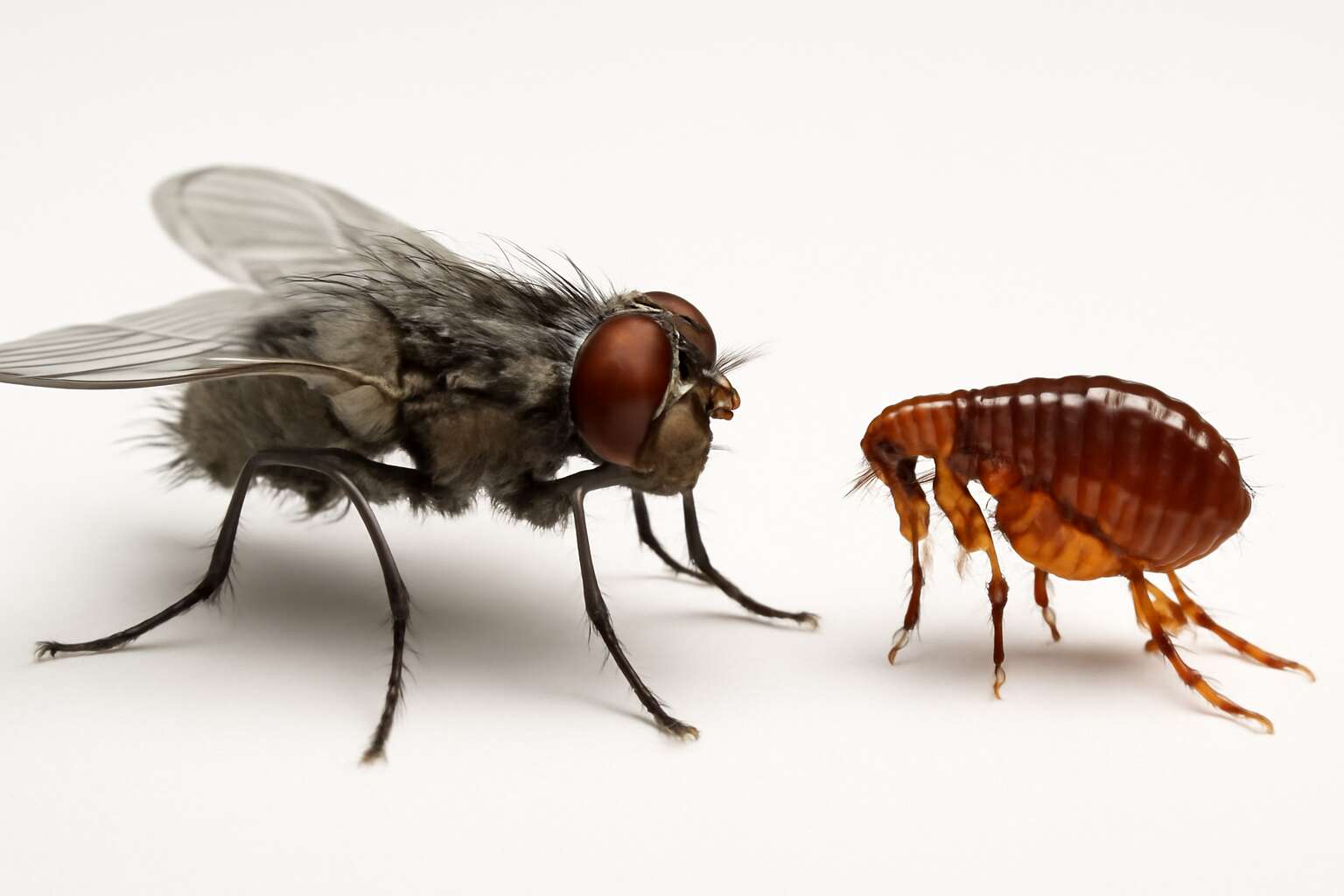
Understanding Flies and Fleas
Overview of Flies – Types of common flies and their characteristics
When it comes to pests that invade our homes and outdoor spaces, understanding flies and fleas is crucial. Flies, often dismissed as mere nuisances, are actually diverse insects with distinct characteristics. In South Africa, common types such as house flies, blow flies, and cluster flies are prevalent. These insects are attracted to food waste, decaying organic matter, and sometimes even human waste, making them a serious health concern.
Fleas, on the other hand, are tiny, wingless parasites that primarily target mammals and birds. Their small size—often less than 3mm—belies their ability to cause discomfort and transmit diseases. Fleas are notorious for their jumping ability, which allows them to move swiftly between hosts and hide in carpets, bedding, and upholstery. Understanding the differences between flies vs fleas helps in identifying the right pest control approach, especially in regions where both pests are common.
Overview of Fleas – Types of common fleas and their characteristics
Fleas are often underestimated, but their impact on health and comfort is undeniable. These tiny, wingless parasites are masters of stealth, hiding in carpets, bedding, and upholstery. In South Africa, common flea species like the cat flea (Ctenocephalides felis) and dog flea (Ctenocephalides canis) are prevalent. They’re known for their powerful jumping ability, allowing them to leap onto hosts with ease. Their small size—less than 3mm—makes them difficult to spot, yet their bites cause intense itching and discomfort.
Unlike flies, which are generally attracted to decaying matter and food waste, fleas are specifically adapted to parasitism. They feed on the blood of mammals and birds, transmitting diseases such as murine typhus and even tapeworms. When considering flies vs fleas, it’s essential to recognize their different behaviors and habitats. Fleas thrive in warm, humid environments and can quickly infest homes, especially where pets are present.
Physical Differences Between Flies and Fleas
Body Structure – Comparing the body shapes and sizes
When it comes to the physical differences between flies and fleas, body structure is where the two pests truly part ways—think of it as comparing a sleek jet to a tiny, agile acrobat. Flies are generally larger, with a body length ranging from 6 to 8 millimeters, sporting a robust, somewhat flattened shape that’s perfect for buzzing around your picnic. Fleas, on the other hand, are miniature marvels—around 1.5 to 3 millimeters long—designed for leapfrog antics rather than sustained flight.
Flies boast wings that are not only functional but often dazzling in their transparency, allowing them to glide effortlessly through the air. Fleas, however, are wingless and rely on their powerful hind legs for those impressive jumps—sometimes up to 200 times their body length! This body design makes fleas formidable jumpers, while flies excel at swift flight. The contrasting body shapes are a clear indicator of their distinct lifestyles and roles in the pest world.
- Flies tend to have a more rounded, less specialized body shape, optimized for flight and quick landings.
- Fleas are laterally compressed, enabling them to maneuver through fur and feathers with ease.
- The size difference is dramatic—flies are often seen in the hundreds of thousands, while fleas are more discreet and less noticeable without close inspection.
Legs and Mobility – How their legs influence movement and jumping
When examining the legs and mobility of flies vs fleas, the contrast becomes almost poetic in its starkness. Flies are equipped with six slender, jointed legs that enable swift, fluttering movements. Their legs are adapted for landing and running short distances, but they lack the extraordinary jumping prowess that defines fleas. Flies rely on their ability to hover and dart through the air—an elegant dance of flight that can be mesmerizing to observe.
Fleas, in stark contrast, possess six powerful, laterally compressed legs uniquely suited for explosive leaps. Their hind legs are a marvel of natural engineering, capable of propelling their tiny bodies up to 200 times their own length! This incredible jumping ability makes fleas adept at navigating through fur, feathers, and fabric with minimal effort.
- Exceptional jumping power
- Designed for stealth and quick escapes
In the battle of flies vs fleas, their legs tell a story of survival—one of flight and agility versus explosive propulsion. While flies glide with effortless grace, fleas harness their muscular legs to vanish in an instant, leaving behind only the faintest trace of their fleeting presence. It’s as if each pest has mastered a different form of movement, echoing their distinct roles in the intricate web of life.
Wings and Flight Capabilities – Differences in flight patterns and wing structures
When it comes to the intricate dance of flight, flies and fleas demonstrate astonishing differences in wing structure and capabilities. Flies, with their delicate, membranous wings, are masters of sustained flight. Their wings beat rapidly in a symmetrical pattern, allowing for smooth, hovering maneuvers that can last for hours. This enables them to dart swiftly from one spot to another, often with a mesmerizing flutter that’s almost hypnotic.
In contrast, fleas possess much smaller, tougher wings that are often folded tightly against their bodies, or sometimes absent altogether in certain species. Their limited wing development means they are incapable of sustained flight like flies. Instead, fleas rely heavily on their powerful hind legs for explosive leaps, making their movement appear almost instantaneous. This remarkable difference in wing design highlights their contrasting survival strategies.
- Flies excel at flight agility, hovering and darting through the air with ease.
- Fleas, on the other hand, are built for explosive jumps rather than prolonged flight.
In the ongoing battle of flies vs fleas, these wing and flight differences are fundamental. Flies engage in an elegant aerial ballet, while fleas master the art of sudden, powerful propulsion—each perfectly suited to their ecological niche. It’s a vivid reminder of how nature’s designs can be both beautiful and brutally effective.
Habitat and Behavior
Typical Environments – Where flies and fleas are commonly found
When it comes to habitats, flies and fleas occupy vastly different realms within South Africa’s diverse landscape. Flies are relentless scavengers, thriving in environments where organic waste accumulates. You’ll often find them swarming around open rubbish bins, livestock farms, and urban areas with poor sanitation. These conditions provide the perfect breeding grounds for their rapid life cycle. Fleas, however, are more insidious; they prefer the cozy warmth of animal hosts and their immediate surroundings. Fleas are commonly found in pet bedding, carpets, and shaded outdoor areas frequented by animals. Their ability to hide within the fibers of furniture and beneath soil layers makes them particularly elusive. Interestingly, fleas are also notorious for hitching a ride—lurking in the fur of stray animals or hiding in the cracks of outdoor structures, waiting for their next blood meal. This stark contrast in habitats underscores the importance of understanding their unique behaviors in the ongoing battle of flies vs fleas.
Feeding Habits – What and how they feed
In the ongoing battle of flies vs fleas, understanding their feeding habits is crucial. Flies are opportunistic scavengers, drawn to decaying organic matter, waste, and animal feces. They use their sponging mouthparts to lap up liquids, often contaminating food and surfaces in the process. Fleas, on the other hand, are specialized blood feeders. They latch onto their host—be it a dog, cat, or even a stray—and puncture the skin repeatedly to extract blood. Their feeding behavior is swift and targeted, allowing them to survive in the tight spaces of pet bedding or beneath outdoor structures.
What makes fleas particularly insidious is their ability to jump long distances, quickly moving from host to host or hiding in cracks and fibers. Flies tend to swarm and linger around waste, but fleas prefer the warmth and comfort of their hosts’ fur and skin. This difference in feeding habits underscores why flies vs fleas require distinct approaches for control and eradication—each exploiting unique vulnerabilities within their environments. Recognizing these behaviors helps in crafting effective strategies to manage these persistent pests in South Africa’s diverse landscapes.
Health Risks and Disease Transmission
Diseases Spread by Flies – Common illnesses transmitted by flies
When it comes to health risks, flies are the unsung villains of the insect world, notorious for spreading a staggering array of diseases. Unlike fleas, which primarily target hosts with their biting antics, flies are more like flying disease couriers, landing where they shouldn’t and leaving behind a trail of potential health hazards. In fact, flies vs fleas isn’t just a matter of nuisance—it’s a matter of public health.
Flies are known carriers of diseases such as cholera, dysentery, typhoid, and food poisoning. Their propensity to land on garbage, decaying matter, and even uncovered food makes them perfect vectors for spreading pathogens. Common illnesses transmitted by flies include salmonella and E. coli infections, which can turn a peaceful South African dinner into a gastrointestinal nightmare. Fleas, on the other hand, are more associated with transmitting bubonic plague and murine typhus, especially in flea-infested environments. But while fleas may be smaller, their bites can cause allergic reactions and transmit tapeworms, adding another layer to the flies vs fleas debate.
- Contamination of food and water sources
- Transmission of harmful bacteria and viruses
- Potential for triggering allergic reactions and dermatitis
Understanding the risks posed by flies vs fleas is crucial for maintaining a healthy environment, especially in regions where sanitation can be a challenge. Both insects may seem insignificant, but their ability to spread disease makes them formidable foes in the fight for health security.
Diseases Spread by Fleas – Common illnesses transmitted by fleas
In the ongoing debate of flies vs fleas, understanding the health risks posed by these insects is essential, especially in South Africa where sanitation challenges persist. Fleas are notorious for their ability to transmit serious diseases such as bubonic plague and murine typhus, both of which have historically caused devastating outbreaks. Their bites can also trigger allergic reactions and dermatitis, leading to discomfort and secondary infections. The transmission of harmful bacteria like salmonella and viruses such as typhoid can occur when fleas infest homes or animal populations, turning them into silent disease vectors.
What makes fleas particularly insidious is their capacity for rapid reproduction and their affinity for biting hosts—humans and animals alike. In environments where flea populations flourish, disease transmission can accelerate swiftly. To grasp the full scope of the fleas vs flies debate, it’s crucial to recognize that while fleas may be smaller, their role in spreading illnesses like tapeworms and bacterial infections makes them a formidable threat to public health. Their presence demands vigilant control, especially in regions where sanitation and hygiene are often compromised.
Controls and Prevention
Preventing Flies Infestation – Effective methods for fly control
In the silent war between pests and humans, controlling flies vs fleas demands an understanding sharper than a hawk’s eye. Flies, with their relentless swarms, threaten not only comfort but also health, spreading diseases with a mere touch of their spindly legs. Fleas, elusive and mighty jumpers, infiltrate the sanctuary of homes, burrowing into carpets and upholstery, their tiny bodies harboring risks of zoonotic diseases. Prevention becomes an art—an intricate dance of cleanliness and strategic measures.
Effective methods for fly control include maintaining impeccable sanitation, sealing entry points, and employing natural repellents that mimic the scents of predator animals. For fleas, regular vacuuming, washing pet bedding, and applying targeted insecticides break their lifecycle, preventing an infestation from taking hold. To truly master the battle, consider implementing a layered approach:
- Remove breeding grounds by eliminating standing water and decaying organic matter.
- Install fine mesh screens on doors and windows to act as formidable barriers.
- Use biological controls, like beneficial nematodes, to target larvae in the soil.
In the ongoing saga of flies vs fleas, prevention hinges on vigilance, persistence, and understanding—each pest’s Achilles’ heel lies just beneath the surface, awaiting discovery by those willing to look beyond the obvious. By weaving these layers of defense into daily routines, one can transform the battleground into a sanctuary of peace and health.
Preventing Fleas Infestation – Strategies to prevent flea infestations
In the ongoing saga of flies vs fleas, prevention remains the most potent weapon in safeguarding homes and health. Flea infestations, often insidious, can turn a peaceful sanctuary into a battleground of itchy discomfort and lurking disease. To thwart these tiny invaders, strategic measures must be woven into everyday routines, transforming vigilance into a fortress of defense.
One of the most effective strategies to prevent flea infestations involves rigorous sanitation. Regularly vacuuming carpets, upholstery, and pet bedding disrupts their lifecycle and removes eggs before they hatch. Additionally, applying targeted insecticides designed for flea control can nip the problem in the bud—yet, natural repellents that mimic the scents of predator animals, such as nematodes, can also serve as silent guardians against their proliferation.
In the war of flies vs fleas, sealing entry points is crucial. Installing fine mesh screens on doors and windows acts as an impenetrable barrier, thwarting these tiny pests at every turn. Eliminating standing water and decaying organic matter deprives fleas of breeding grounds, while biological controls, like beneficial nematodes, target larvae in the soil—cutting off their future generations before they emerge.
By embracing these layered defenses, homeowners can turn their homes into sanctuaries, where the relentless march of pests is halted before it begins. The secret to victory lies in understanding their weaknesses and weaving prevention into daily life—an artful dance of persistence and insight in the battle of flies vs fleas.
Impact on Humans and Pets
Effects of Flies – How flies affect daily life and health
Flies and fleas may seem like minor nuisances, but their impact on humans and pets is profound and often underestimated. Flies, especially houseflies, are notorious for contaminating food and surfaces, spreading bacteria that can cause serious illnesses. Their relentless buzzing and erratic flight patterns can turn a peaceful afternoon into a frustrating ordeal, especially when they invade kitchens or outdoor gatherings.
Meanwhile, fleas pose a different yet equally distressing threat. For pets, fleas can cause intense itching, skin infections, and even anemia in severe cases. For humans, flea bites are more than just a nuisance—they can lead to allergic reactions and transmit diseases like murine typhus. Understanding the dynamics of flies vs fleas helps homeowners realize the importance of early detection and control, preventing their small but significant impact from spiraling into health hazards.
Effects of Fleas – Flea bites and effects on pets and humans
The battle between flies vs fleas isn’t just a petty annoyance—it’s a biological clash with serious health implications for both humans and pets. Flea bites, often underestimated, can cause intense itching, skin infections, and even anemia in vulnerable animals. For humans, these tiny parasites may seem insignificant, but their bites can trigger allergic reactions and spread dangerous diseases like murine typhus. The persistent scratching and discomfort are more than skin deep—flea infestations threaten overall wellbeing.
In the ongoing saga of flies vs fleas, the impact on daily life becomes glaringly apparent. Flies, notorious for contaminating food and spreading bacteria, can turn mealtimes into health hazards. Fleas, on the other hand, target pets and their owners with relentless bites that lead to discomfort and potential infections. Recognizing the effects of fleas on pets and humans emphasizes the importance of early detection. Often, these tiny invaders hide in the most surprising places, making it crucial to understand their behavior and control methods to protect your loved ones from their unwelcome visitations.


0 Comments