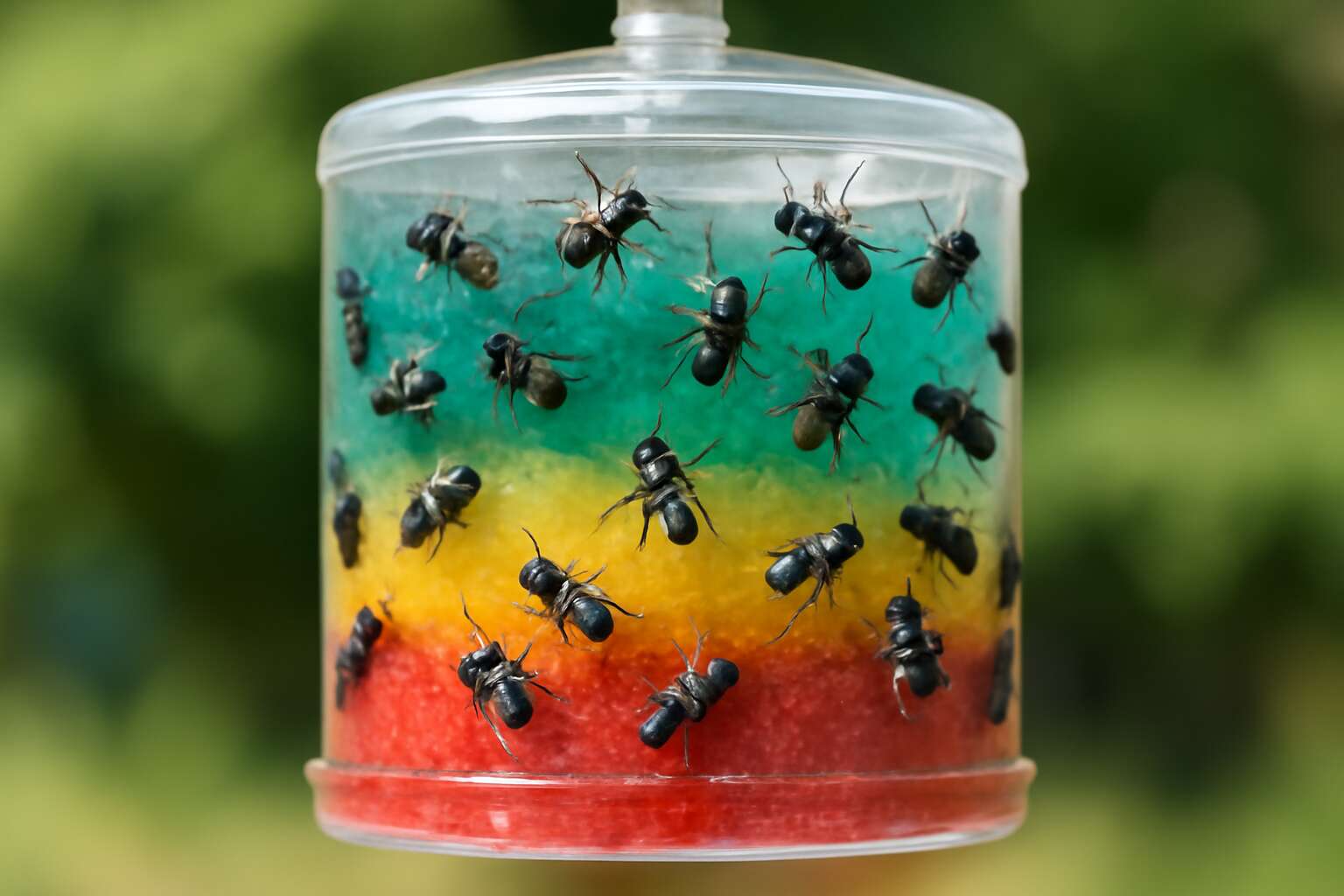
Understanding Fly Traps with Bait
Definition and Purpose – What are fly traps with bait and how do they work?
In the silent war against those relentless, buzzing intruders, fly traps with bait emerge as a subtle yet powerful weapon. These devices transcend mere annoyance, embodying a calculated blend of biology and ingenuity designed to intercept and neutralize flies before they breach the sanctity of our spaces. The core of their effectiveness lies in the bait — carefully selected attractants mimicking the scents that lure flies irresistibly. Whether it’s fermenting fruit, sugar solutions, or protein-based attractants, each bait type plays a pivotal role in enticing flies to their doom.
Understanding how fly traps with bait operate reveals a fascinating interplay of sensory triggers and trap mechanisms. Once a fly detects the bait’s alluring aroma, it ventures closer, unwittingly stepping into a trap or a sticky trap zone. The mechanism then seizes the opportunity, whether through a funnel design that guides the fly inward or a sticky surface that captures with unyielding precision. This targeted approach ensures that the nuisance is addressed without the indiscriminate use of chemicals, making fly traps with bait a preferred choice for eco-conscious households and commercial spaces alike.
For those seeking an effective solution, it’s essential to recognize the diversity of bait options available, each tailored to specific fly species and environmental conditions. From fruit flies attracted to decaying produce to larger flies drawn to protein-rich bait, the versatility of fly traps with bait underscores their significance in pest management. Their strategic deployment can dramatically reduce fly populations, restoring comfort and hygiene to any environment.
Types of Baits Used – Common baits used in fly traps and their effectiveness
Choosing the right bait is crucial for maximizing the effectiveness of fly traps with bait. Different fly species are attracted to specific scents, making the selection of bait a strategic step in pest control. In South Africa, common baits include fermenting fruit, sugar solutions, and protein-rich substances, each tailored to target different types of flies.
Fermenting fruit and decaying organic matter are especially appealing to fruit flies, which thrive in warm, moist environments. Sugar-based baits also attract these tiny pests, offering a sweet scent that draws them in from afar. For larger flies, such as blowflies, protein-based attractants like meat scraps or fish oils are more effective, mimicking their natural food sources.
Here’s a quick overview of popular bait options used in fly traps with bait:
- Fermenting fruit or vegetable scraps
- Sugar water or syrup solutions
- Protein-rich substances like meat or fish oils
Each bait type plays a pivotal role in pest management, ensuring targeted trapping while reducing the need for chemical sprays. The versatility of bait choices makes fly traps with bait a reliable, eco-friendly solution for both homes and commercial spaces across South Africa.
Benefits Over Other Fly Control Methods – Advantages of using baited traps
Fly traps with bait offer a targeted, eco-friendly alternative to chemical sprays, which often come with unintended health and environmental consequences. Unlike broad-spectrum insecticides, baited traps specifically attract and capture flies, reducing their populations without harming beneficial insects or pollinators. This selective approach makes fly traps with bait an effective solution for both residential and commercial settings across South Africa.
One of the key advantages of using baited fly traps is their ability to work continuously without constant human intervention. They function passively, drawing flies in with alluring scents and trapping them securely. Here’s a quick overview of why these traps stand out:
- High specificity: Different baits attract particular species, ensuring the trap targets the right pests.
- Eco-friendly: Reducing reliance on chemical pesticides benefits the environment and human health.
- Cost-effective: Once set up, fly traps with bait require minimal maintenance, saving money over time.
In South Africa, where fly-borne diseases remain a concern, employing baited fly traps can be a vital part of integrated pest management. They offer a pragmatic way to control fly populations without the risks associated with chemical interventions, making them a preferred choice for many households and businesses alike.
Key Features of Effective Fly Traps with Bait
Design and Material – Materials and design elements that improve trap efficiency
When it comes to designing fly traps with bait, every detail counts—like the secret ingredients in grandma’s recipe, but for pests. The materials used in these traps are no less crucial; high-quality plastics and metals ensure durability against South African weather whims and pesky invaders. But it’s not just about tough exteriors—smart design elements significantly boost trap efficiency. For instance, entry points that mimic natural fly habitats or are cleverly concealed prevent escapes, making sure those flies don’t just admire the trap’s aesthetics but actually get caught.
Effective fly traps with bait often leverage the perfect balance of visual cues and scent dispersal. Some models incorporate UV-reflective surfaces to lure in flies, while others use scent-controlled vents that maximize bait aroma without overwhelming the surrounding environment. The key is to create an irresistible environment that even the most discerning fly finds hard to resist. A well-crafted trap employs materials and design elements that work harmoniously, turning a simple device into a fly-magnet—literally!
- Use weather-resistant plastics for longevity in outdoor settings.
- Incorporate UV-reflective surfaces to attract more flies.
- Design entry points that prevent escape while maximizing capture.
- Integrate scent dispersion mechanisms that optimize bait effectiveness.
Bait Longevity and Attractiveness – How long bait remains effective and attracting flies
When it comes to fly traps with bait, the secret to long-lasting effectiveness lies in the durability of the bait and its irresistible allure. A well-designed trap keeps bait fresh and potent for extended periods, reducing the need for frequent replacements and ensuring continuous fly attraction. The key is selecting bait that maintains its attractiveness over time, even in South Africa’s unpredictable weather. High-quality bait can stay effective for up to several weeks, depending on environmental conditions, making it a cost-efficient choice for both residential and commercial use.
Effective fly traps with bait also rely on scent dispersion and visual cues that mimic natural fly habitats. Baits with strong, appealing aromas attract flies from a distance, while the trap’s design ensures they don’t escape once inside. Some models incorporate scent-controlled vents, which optimize bait aroma release without overwhelming the environment. This delicate balance keeps flies hooked, turning an ordinary trap into a magnetic force of nature!
Ease of Use and Maintenance – User-friendly features and cleaning tips
In the realm of pest control, the ease of use and maintenance of fly traps with bait can transform a mundane chore into a seamless experience. When selecting a trap, look for models with intuitive design features—such as simple opening mechanisms for bait replacement and straightforward cleaning procedures—that make upkeep effortless. A well-designed trap doesn’t require technical expertise; instead, it invites regular attention without frustration or mess.
Cleaning your fly traps with bait is equally vital for sustained efficacy. Regular removal of trapped flies and periodic rinsing prevent odors and maintain attraction levels. Some traps incorporate removable, washable components, which significantly extend their lifespan and ensure they remain a reliable tool in your fly control arsenal. Remember, a clean trap is a more inviting trap—one that continues to allure flies with its potent scent and visual cues.
For optimal operation, it’s advisable to keep the trap’s bait area dry and free of debris, ensuring the scent remains concentrated and enticing. By paying attention to these simple maintenance habits, you can enjoy a consistently fly-free environment—making your pest control efforts both efficient and gratifying.
- Easy-to-open compartments for quick bait replacement
- Detachable parts for effortless cleaning
- Durable materials that withstand South Africa’s unpredictable weather
Choosing the Right Fly Trap with Bait for Your Needs
Indoor vs. Outdoor Use – Selecting traps suitable for different environments
Choosing the right fly trap with bait depends heavily on whether it will be used indoors or outdoors. Indoor environments demand traps that are discreet yet highly effective at targeting persistent flies without causing clutter. Look for models with sealed bait compartments and minimal maintenance requirements to maintain a clean, fly-free space. Outdoors, durability becomes paramount; traps must withstand elements like wind, rain, and direct sunlight. Heavy-duty materials and weather-resistant designs ensure longevity, while the bait’s scent disperses further, attracting more flies from a distance.
For outdoor use, consider traps with adjustable attractant zones or those that utilize multiple bait types to maximize efficacy. Some traps even feature UV lights to lure flies at night, making them versatile for larger outdoor spaces. Remember, selecting a fly trap with bait that suits your environment guarantees a swift reduction in fly populations, whether inside your home or on your farmstead. The right choice transforms the battle against flies into a swift, almost supernatural victory.
Fly Type Targeted – Different fly species and compatible traps
Choosing the right fly trap with bait hinges on understanding the specific fly species lurking in your environment. Different flies are attracted to distinct scents and visual cues, making it crucial to select a trap designed for targeted pests. For instance, house flies respond best to protein-based baits, while fruit flies are drawn to fermenting fruit or vinegar scents.
In South Africa’s diverse landscape, it’s wise to consider traps that accommodate multiple bait types. Some models feature adjustable attractant zones, allowing you to customize the scent dispersion for optimal results. For outdoor settings, durability is paramount—look for weather-resistant options that can withstand wind, rain, and intense sunlight.
By aligning the bait and trap design with your specific fly problem, you significantly increase the efficiency of fly traps with bait, transforming a persistent nuisance into a manageable issue.
Size and Capacity – Considering trap size based on the infestation level
Choosing the right size of fly traps with bait depends largely on the severity of the infestation. Small infestations may only require a compact trap that can fit into tight spaces, while larger problems demand traps with increased capacity to hold more bait and catch more flies.
For outdoor environments or areas with persistent fly issues, opt for larger, weather-resistant models. These traps can accommodate more bait, which means fewer visits from flies and less maintenance. Conversely, indoor settings often benefit from smaller, discreet traps that blend into the environment while still being effective.
If you’re dealing with multiple fly species, consider traps with adjustable attractant zones. This flexibility allows you to optimize bait dispersion, maximising the trap’s efficiency. Ultimately, matching the trap size and capacity to your specific needs ensures a more effective and cost-efficient solution to fly problems.
Safety and Non-Toxic Options – Eco-friendly and safe options for homes with children or pets
In a world teeming with tiny wings and restless swarms, the safety of your home or business hinges on choosing fly traps with bait that are both effective and safe. For households with children or pets, the last thing you want is a trap that poses risks beyond its fly-catching prowess. Luckily, eco-friendly and non-toxic options have blossomed into a sanctuary of peace amidst the buzzing chaos.
Opt for models crafted from natural, biodegradable materials—think bamboo, recycled plastics, or plant-based components—that blend seamlessly into your environment. Many of these traps utilize attractants derived from fruit extracts, essential oils, or herbal infusions, offering a gentle yet irresistible lure for flies without harmful chemicals. These options ensure that curious little explorers stay safe, while your space remains pest-free and pristine.
To elevate your pest control ritual, consider traps with adjustable attractant zones, allowing you to tailor bait dispersion for maximum efficacy. Such thoughtful design not only maximizes the trap’s allure but also extends bait longevity, reducing the need for frequent refills. When safety dances hand-in-hand with efficiency, you create a harmonious habitat that keeps flies at bay without compromising health or the environment.
Popular Brands and Models of Fly Traps with Bait
Top-Rated Products – Overview of highly recommended traps on the market
Within the bustling marketplace of fly traps with bait, a handful of brands have ascended to legendary status, captivating both homeowners and pest control professionals alike. These products are revered not only for their unwavering efficacy but also for their innovative designs that seem almost conjured from myth. Among the top-rated products, **Victor M230 Fly Magnet** and **Catchmaster 72MAX** stand as paragons of baited trap technology, harnessing natural attractants to lure flies into their enchanted snares.
What sets these models apart is their mastery of bait longevity and their ease of use, making them a favorite in both domestic and commercial realms. The **Odorless Fly Trap by Katchy** is another marvel, boasting eco-friendly materials and non-toxic baits that ensure safety for homes with children or pets. For those seeking versatility, the **DynaTrap DT150** offers a seamless blend of design, capacity, and durability, making it suitable for outdoor use where fly populations seem to thrive like mythical swarms.
- Victor M230 Fly Magnet
- Catchmaster 72MAX
- Katchy Odorless Fly Trap
- DynaTrap DT150
These brands have crafted fly traps with bait that stand as a testament to human ingenuity, transforming a simple pest control task into an almost magical experience of triumph over nature’s unwanted guests. Whether battling a minor nuisance or an infestation, these highly recommended traps are often the first choice for those seeking a reliable, safe, and effective solution—an antidote in the ongoing war against flies.
Features Comparison – Comparison of features, bait types, and prices
Within the bustling market of fly traps with bait, certain brands have carved out a reputation for reliability and innovation. These models not only attract flies effectively but also incorporate features that cater to diverse environments and user needs. For instance, the Victor M230 Fly Magnet and Catchmaster 72MAX are celebrated for their advanced bait technology and sturdy design, making them popular choices among homeowners and pest control experts alike. Their bait systems are engineered for maximum longevity, ensuring continuous attraction without frequent replacements.
When comparing popular brands and models of fly traps with bait, it’s essential to consider factors such as bait type, price, and the trap’s capacity. The Katchy Odorless Fly Trap, for example, uses eco-friendly, non-toxic bait, making it an excellent option for households with children or pets. Meanwhile, the DynaTrap DT150 stands out with its seamless blend of durability and capacity, perfect for outdoor spaces overwhelmed by fly populations. To simplify choices, here’s a quick overview:
- Victor M230 Fly Magnet: Known for its high effectiveness, long-lasting bait, and ease of use.
- Catchmaster 72MAX: Offers a wide trapping surface and reliable bait attractant technology.
- Katchy Odorless Fly Trap: Eco-conscious with non-toxic bait, ideal for sensitive environments.
- DynaTrap DT150: Versatile for outdoor use, combining durability with large capacity.
Each of these fly traps with bait brings a unique set of features that cater to different needs, from discreet indoor solutions to heavy-duty outdoor traps. Their varying price points and bait types reflect a broad spectrum of options, ensuring there’s a perfect fit for every situation. Whether targeting specific fly species or simply seeking a safe, effective way to manage pests, these models exemplify the innovation and dedication that define the best in fly trap technology.
Customer Reviews and Ratings – Summaries of consumer feedback
Customer feedback for popular fly traps with bait reveals a landscape of varied experiences, yet certain models consistently earn top marks. The Victor M230 Fly Magnet, for example, is praised for its impressive effectiveness and long-lasting bait, making it a favorite among homeowners dealing with persistent fly issues. Many users highlight its straightforward design and reliable performance, citing it as a dependable, non-intrusive solution.
Similarly, the Catchmaster 72MAX garners acclaim for its expansive trapping surface and innovative bait technology that appeals to a wide range of fly species. Reviewers often mention how easy it is to set up and maintain, which is a crucial factor in high-traffic households or outdoor spaces. Meanwhile, the Katchy Odorless Fly Trap stands out for eco-conscious consumers, receiving positive remarks for its non-toxic bait and silent operation, ideal for sensitive environments like kitchens and children’s rooms.
Customer ratings typically hover around four to five stars, reflecting high satisfaction levels. Some users note that bait longevity varies across models but appreciate traps that maintain their attractiveness over extended periods. Overall, the consensus confirms that these fly traps with bait blend efficiency with user-friendly features, making them essential tools in pest control—whether indoors or outdoors!
How to Properly Use and Maintain Fly Traps with Bait
Installation Tips – Placement strategies for maximum effectiveness
Effective fly control hinges on the delicate art of strategic bait placement within fly traps with bait. The psychological allure of these traps is rooted in their ability to mimic natural attractants, drawing flies irresistibly closer. Proper installation isn’t merely about setting the trap and hoping for the best—it requires a nuanced understanding of fly behavior and an eye for optimal positioning. For instance, placing traps near breeding sites or high-traffic areas ensures maximum exposure to the targeted fly populations.
Placement strategies are crucial for harnessing the full potential of fly traps with bait. It’s advisable to position these traps at eye level or slightly above, where flies tend to congregate. Keep them away from competing odorous sources, such as garbage bins or decaying organic matter, which can dilute their effectiveness. Regular maintenance, including replenishing bait and cleaning the trap, sustains their attractiveness and prevents unintended detours in fly activity. Remember, a well-maintained baited trap can significantly reduce fly populations, transforming your space into a cleaner, more inviting environment.
Refilling and Replacing Bait – When and how to update the bait
Fly traps with bait are only as effective as their maintenance routine—an art that often goes unnoticed in the grand scheme of pest control. When the bait loses its potency, so does the trap’s ability to lure those pesky flies. A timely update of bait isn’t just a matter of convenience; it’s the crux of sustained fly control. Typically, depending on the type of bait used and environmental factors, you should consider refilling or replacing the bait every two to three weeks. This ensures that the attractant remains irresistible and that the trap continues to serve its purpose without becoming a mere decorative item gathering dust.
For optimal results, monitor your fly traps with bait regularly. If you notice a decline in fly activity within the trap, it’s a clear sign that the bait has lost its allure. Replacing the bait is straightforward—simply remove the old, possibly moldy or dried-out attractant, clean the trap if needed, and introduce fresh bait. Some users find that keeping extra bait on hand simplifies this process, preventing long gaps in their fly control efforts.
To keep your fly traps with bait performing at their peak, don’t forget to check the bait’s condition every couple of weeks. The key is consistency—an investment in routine upkeep ensures that your space remains inviting and free from the nuisance of flies. After all, a well-maintained baited trap is a silent yet formidable guardian against fly proliferation, transforming your environment from a battleground into a sanctuary of cleanliness and civility!
Cleaning and Storage – Best practices for maintaining trap efficiency
Maintaining the efficacy of your fly traps with bait is an often-overlooked art that can significantly influence your battle against persistent pests. Proper cleaning and storage are critical to ensuring that each trap remains a formidable barrier, rather than a neglected relic gathering dust. When handled with care, your baited traps can operate at peak performance, turning a simple device into a silent sentinel of cleanliness.
Cleaning your fly traps with bait involves a delicate balance—removing residual attractants without damaging the trap’s design or materials. After each use, gently rinse the trap with warm water, avoiding harsh chemicals that could diminish its attractiveness. When storing the trap, keep it in a cool, dry place, protected from direct sunlight, which can degrade the bait and materials over time. This proactive approach prolongs the trap’s lifespan and sustains its ability to lure flies effectively.
For optimal maintenance, consider the following steps:
- Remove old bait and dispose of it responsibly.
- Clean the trap thoroughly, especially around the entry points.
- Allow the trap to dry completely before re-baiting or storing.
Additionally, having spare bait on hand simplifies the process of refilling, ensuring your fly traps with bait are always ready to perform their duty. Regular inspection and prompt maintenance are the linchpins of long-term fly control, transforming a routine task into a vital component of your pest management strategy. When properly maintained, these traps become more than just devices—they evolve into guardians, silently defending your environment from unwelcome visitors.
DIY Alternatives and Natural Baits for Fly Control
Homemade Fly Traps – Creating effective traps at home
In the relentless pursuit of a fly-free environment, the ingenuity of DIY alternatives and natural baits offers a compelling counterpoint to commercial solutions. For those who prefer a more organic approach, homemade fly traps with bait can be surprisingly effective, transforming everyday household items into potent fly control devices. The allure lies in their simplicity and eco-friendliness—no need for toxic chemicals, just natural ingredients that attract flies with uncanny precision.
Crafting your own trap involves selecting the right bait—think fermented fruit, sugar water, or even wine—each capable of luring flies into a cleverly designed enclosure. Some enthusiasts swear by a straightforward method: place ripe fruit or a mixture of sugar and vinegar inside a bottle cut at the neck, creating a natural fly trap with bait that remains effective for days. The key is understanding that the choice of bait directly influences the trap’s longevity and effectiveness, making it a vital element in sustainable fly control strategies.
For those seeking a more structured approach, consider an ordered list of natural baits that consistently perform well in homemade fly traps with bait:
- Fermented fruit or vegetable scraps
- Sugar and vinegar mixture
- Red wine or beer
These natural attractants harness the innate fly instincts—drawn irresistibly by fermentation and sweet scents—ensuring your trap remains effective without chemical additives. When combined with simple materials like plastic bottles or jars, these DIY traps become both cost-effective and aligned with eco-conscious principles. The key to success lies in regular bait renewal and strategic placement, ensuring flies find their way into the trap and stay captivated. With a little ingenuity, creating effective homemade fly traps with bait becomes an art form—one that blends practicality with a touch of natural elegance, perfect for any South African home eager to reclaim its space from unwelcome winged visitors.
Natural Baits – Safe, eco-friendly bait options
In the relentless quest for a fly-free environment, harnessing the power of DIY alternatives and natural baits emerges as a compelling solution. Natural baits are not only safe and eco-friendly but also remarkably effective in attracting flies without resorting to harmful chemicals. These options tap into the innate instincts of flies, leveraging fermentation, sweetness, and scent to lure them into carefully crafted traps.
For those seeking a sustainable approach, homemade fly traps with bait offer a practical and cost-effective method. Commonly used natural baits include fermented fruit, sugar water, or even wine—ingredients readily available in most households. These attractants exploit the flies’ preference for fermentation and sugary substances, ensuring the trap remains enticing for days on end.
- Fermented fruit or vegetable scraps
- Sugar and vinegar mixture
- Red wine or beer
Each of these natural baits plays on the flies’ senses, making fly traps with bait a highly targeted solution. The simplicity of using everyday items—such as plastic bottles or jars—means anyone can craft an effective trap, transforming mundane household materials into potent fly control devices. Regular renewal of bait and strategic placement optimize the trap’s effectiveness, creating a natural barrier that is both safe and sustainable.
Comparison with Commercial Traps – Pros and cons of DIY vs. store-bought solutions
When it comes to controlling flies, the choice between DIY alternatives and commercial fly traps with bait often feels like a dance between simplicity and sophistication. DIY solutions, crafted from household ingredients like fermented fruit or sugar water, bring a certain rustic charm. They are remarkably effective, eco-friendly, and budget-conscious—perfect for those who prefer a natural approach. Plus, creating homemade fly traps with bait allows for customization, ensuring the attractant appeals directly to local fly species prevalent in South Africa.
On the other hand, store-bought fly traps with bait often boast advanced designs, durable materials, and ready-to-use convenience. Many commercial options feature attractants that are scientifically formulated for maximum efficacy and longer-lasting attraction. However, these solutions can sometimes come with a higher price tag or contain synthetic chemicals that may not align with eco-friendly preferences.
- Ease of use
- Consistency in performance
are often cited as the primary advantages of commercial traps, making them ideal for larger infestations requiring quick results. Yet, the charm of DIY fly traps with bait lies in their sustainable, chemical-free nature, making them a favorite among eco-conscious households in South Africa.
Expert Tips and Recommendations for Fly Control
Combining Methods for Best Results – Integrating traps with other pest control techniques
Combining fly traps with bait with other pest control methods can dramatically improve your overall fly management. While baited traps are excellent at luring and catching flies, integrating them into a broader approach ensures a more thorough solution. For instance, maintaining cleanliness by regularly disposing of organic waste and sealing food sources reduces the number of flies that can be attracted to your space, making the traps more effective.
Another expert tip is to strategically position your fly traps with bait in areas where flies tend to gather, such as near compost bins or outdoor dining spaces. Proper placement enhances the attractant’s effectiveness, ensuring flies are drawn away from indoor living areas. For maximum impact, consider combining traps with natural repellents like basil or citronella, which naturally deter flies and complement the bait’s lure.
To optimize results, it’s essential to monitor and refill the bait regularly, especially during warmer months when flies are most active. An integrated pest control strategy also involves sealing entry points, such as cracks and gaps, preventing new flies from entering. Using a multi-pronged approach with fly traps with bait as the cornerstone can make your efforts more successful, creating a more comfortable and hygienic environment for your family and livestock alike.
Preventative Measures – Keeping flies away before they become a problem
Effective fly control hinges on a nuanced understanding of their behavior and vulnerabilities. Expert recommendations emphasize that preventative measures are the cornerstone of sustainable pest management. Before an infestation takes root, meticulous sanitation—such as promptly disposing of organic waste and sealing food sources—can significantly reduce the allure for flies. These simple yet potent tactics diminish the necessity for frequent trap replenishment and ensure that fly traps with bait remain highly effective.
Strategic placement of fly traps with bait is equally crucial. Position them near known fly gathering spots—like compost bins, outdoor dining areas, or animal enclosures—to intercept flies before they venture indoors. To amplify their efficacy, consider integrating natural repellents such as basil or citronella, which naturally repel flies while complementing the trap’s lure. This multi-layered approach not only enhances immediate control but also curtails future breeding cycles, creating a formidable barrier against persistent infestations.
In warmer months, vigilant monitoring and regular bait refilling are essential. Flies are most active during these periods, and fresh bait maintains its attractiveness. For added defense, sealing cracks and gaps in windows and doors prevents entry, effectively shutting the door on new arrivals. Employing fly traps with bait as part of a broader, integrated pest management strategy transforms a reactive approach into a proactive shield, fostering a hygienic environment that deters flies at their very source.
Troubleshooting Common Issues – What to do when traps are not effective
Fly traps with bait are a powerful tool in the fight against persistent infestations, but sometimes they just don’t deliver. When traps seem ineffective, it’s easy to feel stuck. Fortunately, troubleshooting can turn things around. First, assess bait freshness. Flies are quick to lose interest if the bait isn’t appealing anymore. Replacing it regularly keeps the trap attractive and effective.
Next, check trap placement. Positioning is critical—place fly traps with bait near known fly hotspots like compost bins or outdoor dining areas. If the trap is in a low-traffic spot, it might miss the target. For stubborn cases, consider adding natural repellents such as basil or citronella around the trap. This dual approach can help intercept flies before they settle indoors or breed.
Sometimes, the design itself limits success. Choose traps with a sealed entry to prevent escape, or opt for models with larger capacity if the fly population is high. Proper maintenance—cleaning the trap regularly and refilling bait—also ensures ongoing attraction. Remember, combining these strategies enhances the overall efficacy of fly traps with bait, giving you a better shot at a fly-free environment.


0 Comments