Understanding Natural Fly Control Methods
What Are Natural Fly Traps?
Imagine a world where pesky flies aren’t crashing your picnic or buzzing around your kitchen. Well, the good news is, natural fly control methods offer a delightful alternative to chemical-laden solutions. These natural fly traps are not only eco-friendly but also surprisingly effective. They work by harnessing simple ingredients or clever design to lure and trap flies without posing risks to your family or the environment.
So, what exactly are natural fly traps? Essentially, they’re ingeniously crafted devices or concoctions that exploit the flies’ instincts—namely, their attraction to certain scents or colours. Unlike commercial chemical sprays, fly traps natural options often involve ingredients you already have at home, like vinegar or fruit peels, making them both accessible and sustainable.
For those eager to dive into the world of natural fly control, here are some popular methods:
- Sticky traps made from colourful paper coated in natural adhesives
- Vinegar-based bait traps that mimic rotting fruit scents
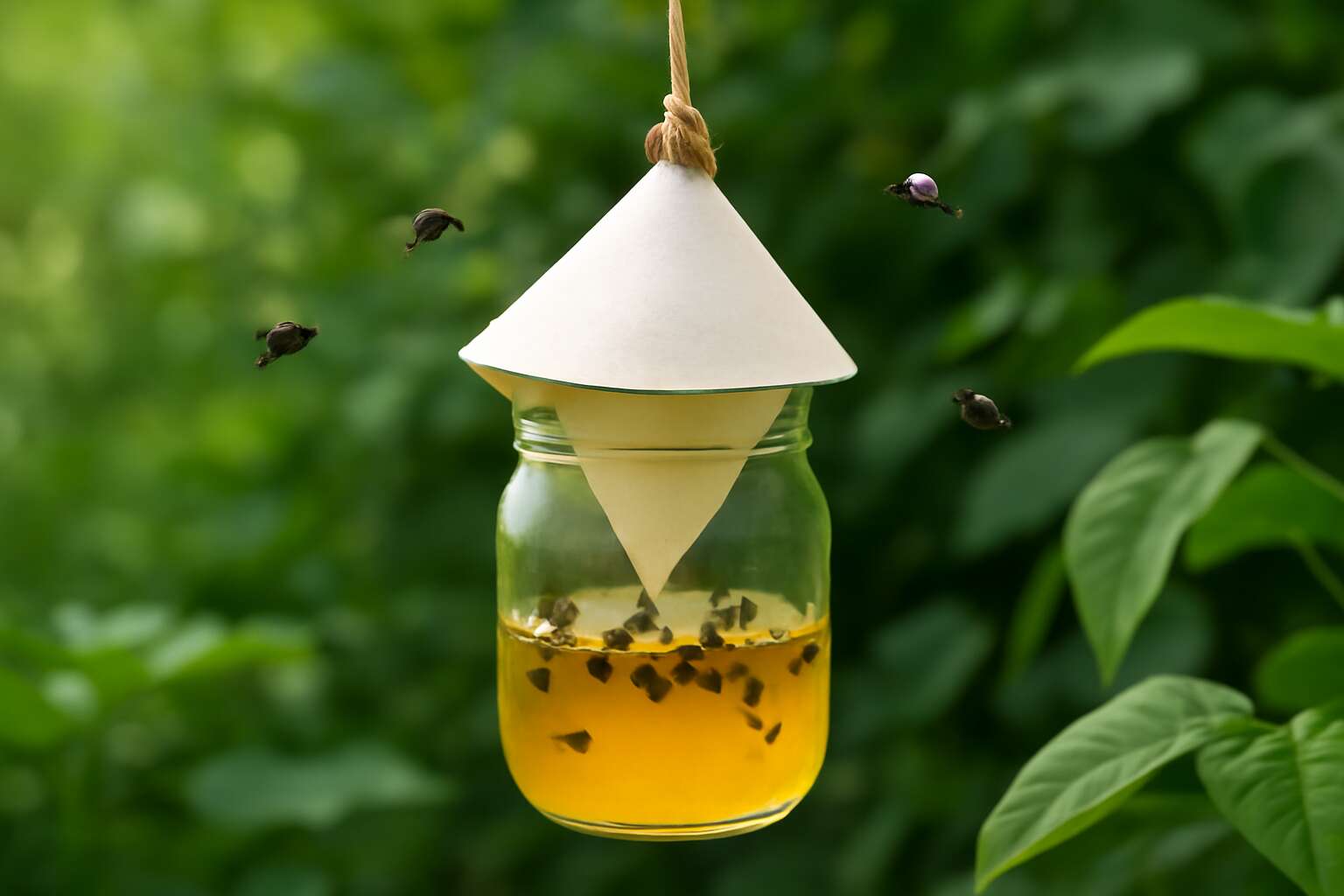
- DIY traps using a jar, some sugar water, and a paper cone
By understanding how these traps work and why they’re a superior choice, you can enjoy a fly-free space with minimal fuss—no toxic fumes required. After all, a clean home isn’t just about cleanliness, but also about smart, natural solutions that respect the environment and your health.
Benefits of Using Natural Fly Traps Over Chemical Alternatives
In a world increasingly conscious of our ecological footprint, embracing fly traps natural offers a harmonious balance between effectiveness and sustainability. These methods are not merely about capturing flies; they embody a commitment to preserving the delicate web of life that sustains us. Chemical alternatives, while quick to deploy, often come with hidden costs—pollution, health risks, and the potential to harm beneficial insects. Natural fly control methods sidestep these pitfalls, harnessing the power of nature’s own attractants in a gentle yet potent way.
Using fly traps natural provides a multitude of benefits. They are non-toxic, biodegradable, and often crafted from simple household ingredients—vinegar, fruit peels, or sugar water—that are both accessible and safe. Moreover, these traps tend to be more selective, targeting only the flies that threaten your space without disturbing the broader ecosystem. This selective approach not only reduces chemical exposure but also fosters a sense of harmony with nature’s design. Embracing natural solutions demonstrates a commitment to healthier living, making your home a sanctuary of purity and peace.
Common Types of Flies That Natural Traps Target
Understanding natural fly control methods is key to maintaining a pest-free environment without compromising ecological integrity. Different types of flies are attracted to various organic cues, making targeted natural fly traps an effective solution. These traps are designed to lure specific fly species, reducing the need for broad-spectrum chemical pesticides.
Common flies targeted by fly traps natural include the persistent housefly, which thrives on food scraps and waste, and the fruit fly, often found near overripe produce. Additionally, cluster flies and drain flies are frequent nuisances that respond well to natural attractants. To optimise their effectiveness, many natural traps utilise ingredients like apple cider vinegar, fermenting fruit, or sugar solutions, which mimic the flies’ natural breeding sites.
Choosing the right trap depends on understanding the pest’s behaviour and habitat preferences. For instance, fruit flies are particularly drawn to sweet, fermenting substances, making simple homemade solutions highly effective. By leveraging these insights, natural fly control methods become a precise, environmentally friendly alternative that targets only the bothersome pests without harming beneficial insects or pollinators.
Ingredients and Materials for DIY Natural Fly Traps
Food-Based Traps – Array
When crafting DIY natural fly traps, selecting the right ingredients and materials is crucial for success. The allure of food-based traps lies in their simplicity and effectiveness, often relying on the natural instincts of flies to seek out fermenting or sweet substances. Common ingredients such as ripe fruit, sugar, and vinegar act as irresistible bait, luring flies into the trap with minimal effort.
For a more targeted approach, some enthusiasts incorporate fermented wine or beer, which amplifies the trap’s effectiveness by mimicking decaying organic matter. The materials used for constructing the trap itself are equally important—clear plastic bottles or jars allow you to observe captures, while a simple piece of paper or cloth serves as a one-way entry point that prevents escape. The key is to create a welcoming environment that exploits the fly’s natural behaviours without resorting to harmful chemicals.
To keep things organised, consider this list of essential ingredients for effective food-based fly traps:
- Ripe fruit or fruit scraps
- Apple cider vinegar or wine
- Sugar or honey
- Dish soap (to break surface tension)
With these materials, you can assemble a fly traps natural that not only targets pesky insects but does so in a safe, eco-friendly manner—making your home a sanctuary once more!
Plant-Based Repellents – Array
When it comes to crafting effective fly traps natural, the ingredients and materials are the unsung heroes of the process. The goal? To lure those pesky flies without resorting to chemical-laden solutions. The secret lies in harnessing their natural instincts—specifically, their love for fermenting fruit and sugary concoctions. Ripe fruit or scraps serve as the perfect bait, especially when paired with a splash of apple cider vinegar or even a dash of wine for that extra oomph.
For the materials, simplicity is key. Clear plastic bottles or jars make observing your fly-catching progress a breeze, while a piece of paper or cloth acts as a one-way entry, making escape impossible. To ensure the trap works efficiently, consider adding dish soap—this little ingredient breaks surface tension, ensuring flies can’t just sit on the surface and escape. An effective, eco-friendly fly traps natural setup requires minimal fuss but maximises results, making your home fly-free in style!
Recyclable and Reusable Container Options – Array
In the artful pursuit of fly traps natural, the choice of ingredients and materials can elevate your indoor and outdoor pest control to an almost poetic level. Opting for a recyclable and reusable container not only aligns with eco-conscious principles but also adds a touch of sophistication to your approach. A simple glass jar or a sturdy plastic bottle, once discarded, can be transformed into a highly effective fly trap with minimal fuss. These containers allow you to monitor progress while maintaining an aesthetic that doesn’t clash with the decor.
For the bait, ripe fruit or scraps paired with apple cider vinegar or a splash of wine work wonders. To bolster the trap’s efficiency, a few drops of dish soap are indispensable—breaking the surface tension ensures flies cannot escape once they’ve taken the bait. Consider these setup options as an elegant dance of ingredients and materials, working in tandem to create a truly effective fly traps natural that’s both practical and environmentally friendly. The key is simplicity—less fuss, more results—and a dash of ingenuity.
Effective Natural Fly Trap Recipes and Setups
Apple Cider Vinegar and Dish Soap Trap
In the quiet hours of the morning, when the world seems paused in anticipation, the relentless swarming of flies can shatter that delicate serenity. Yet, amid the chaos, a simple, elegant solution beckons—natural fly traps that harness nature’s subtle yet potent chemistry. Among these, the apple cider vinegar and dish soap trap stands out as a quintessential example of effective natural fly trap recipes, blending the allure of fermentation with the destructive power of surface tension. This unassuming concoction not only traps flies efficiently but also epitomises the harmony achievable through natural fly traps.
The secret lies in the synthesis of apple cider vinegar’s enticing aroma with the surfactant properties of dish soap, creating a trap that flies find irresistible yet ultimately cannot escape. When placed in a shallow dish or jar, this mixture attracts flies with its fermented scent, only to trap them in a web of surface tension once they land, effectively reducing indoor pests without resorting to chemical repellents. The beauty of such setups is their simplicity—requiring minimal ingredients, yet delivering maximum results.
For those seeking to perfect their approach, consider experimenting with different ratios or adding a few drops of essential oils like eucalyptus or citronella—these enhance the lure and make the trap even more natural and eco-friendly. Combining these elements into an effective natural fly trap setup not only fosters a healthier environment but also underscores the ingenuity behind natural pest control solutions. Indeed, the art of crafting fly traps natural lies in their ability to mimic nature’s own cunning, turning everyday ingredients into silent, effective guardians against unwelcome guests.
Sweet Fruit and Sugar Trap
Amidst the delicate dance of life’s fleeting moments, a whisper of sweetness can become a beacon for unwelcome guests. The sweet fruit and sugar trap emerges as a quintessential example of effective natural fly traps that harness the irresistible allure of ripe produce. With its simple yet potent composition, this trap entices flies with the promise of sugary sustenance, only to trap them in a web of inevitability. The secret lies in the universal attraction of sugars and fermenting fruit, which mimic the natural breeding grounds of many flies, making this method both intuitive and environmentally harmonious.
Creating this trap is straightforward and elegant. Fill a shallow container with overripe fruit or a mixture of sugar and water — the combination acts as an irresistible lure. To increase its effectiveness, consider adding a few drops of apple cider vinegar, which amplifies the fermentation aroma. The flies are drawn in, often landing on the surface, only to be unable to escape as the liquid’s surface tension traps them in a silent, inescapable embrace. It’s a natural, sustainable way to manage pests without resorting to chemical solutions.
For those who wish to elevate their natural fly trap setup, an array of ingredients can be experimented with: a sprinkle of yeast to boost fermentation, or a touch of honey for added sweetness. These subtle enhancements transform a basic setup into a more alluring sanctuary for flies, guiding them effortlessly into captivity. Truly, the art of designing fly traps natural lies in understanding the behaviour of these tiny creatures and crafting an environment they cannot resist — a delicate balance of attraction and containment that celebrates nature’s own cunning.
Yeast-Based Fermentation Trap
Amidst the quiet symphony of nature’s cycles, a simple yet powerful method emerges in the art of fly control: the yeast-based fermentation trap. This natural fly trap utilises the enchanting process of fermentation, drawing flies with the promise of ripe, yeasty goodness. The secret lies in harnessing a common, humble ingredient—yeast—to create an environment that mimics the natural breeding grounds of many flies, making it a compelling choice for those committed to environmentally friendly pest management.
Constructing an effective natural fly trap with yeast is surprisingly simple. Begin with a clean, recyclable container—think glass jars or plastic cups—that serve as a sanctuary for fermentation. To enhance its allure, combine warm water with a teaspoon of sugar and a sprinkle of active dry yeast. Within hours, fermentation begins, releasing a potent aroma that attracts flies from afar. For heightened efficacy, a few drops of dish soap can be added; this breaks the surface tension of the liquid, ensuring that once flies land, they cannot escape.
Here’s a quick overview of the process:
- Fill your chosen container with the yeast-sugar-water mixture.
- Add a small splash of dish soap to trap unwary flies.
- Place the trap in a strategic location near problem areas.
With patience, this natural fly trap setup becomes an elegant testament to the beauty of sustainable pest control. Its allure not only lies in its simplicity but also in its ability to work harmoniously with the environment, reflecting a deeper understanding of nature’s own cunning in managing its tiny, persistent visitors.
Plant-Infused Traps
Natural fly trap recipes harness the power of readily available ingredients to create effective solutions. Plant-infused traps, in particular, tap into the natural repellent qualities of herbs like basil, mint, or lavender. These plants emit strong aromas that flies find unappealing, making them excellent for passive fly control. For those seeking a more targeted approach, combining plant extracts with homemade bait can significantly increase trap efficiency.
Another popular method involves set-ups that incorporate the natural properties of food items. For example, a mixture of ripe fruit and sugar attracts fruit flies rapidly. When combined with a little dish soap, the trap becomes a silent predator—flies are drawn to the sweet scent but can’t escape once they land. These food-based traps are simple to assemble and environmentally friendly, aligning well with the principles of fly traps natural solutions.
- Choose a recyclable container, such as a glass jar or plastic cup.
- Fill it with naturally appealing bait—like mashed banana or apple slices.
- Add a few drops of dish soap to prevent escapees.
- Place the trap near problem areas, such as kitchen counters or compost bins.
Placement and Maintenance Tips for Natural Fly Traps
Best Locations for Setting Up Traps
Placement and maintenance of fly traps natural demand a nuanced approach rooted in understanding the subtle dance of insects and environment. Flies are cunning, drawn to warmth, scent, and movement, so the strategic location of your natural fly traps can mean the difference between a thriving solution and an empty promise.
Consider placing these traps near potential breeding sites—garbage bins, compost heaps, or fruit bowls—where their presence signals an imbalance in the ecosystem. Position the traps at eye level or slightly above, avoiding direct sunlight which can distort the effectiveness of the attractant. Regular inspection is vital; replacing bait or cleaning the container maintains the potency of your natural fly traps and prevents secondary infestations.
Optimal locations often include shaded corners or sheltered spaces, where flies feel comfortable and are less likely to be disturbed. Remember, the goal is to lure them into a space they find irresistible, yet contained enough to prevent escape. With careful placement and diligent maintenance, natural fly traps serve as silent guardians—an eco-conscious choice that aligns with our innate desire to coexist harmoniously with nature.
Timing and Frequency of Replacements
In the quiet theatre of pest control, the placement and maintenance of fly traps natural become acts of subtlety and precision. Flies, with their instinctive allure to warmth and scent, are mercurial creatures that require a thoughtful approach to their capture. Strategic positioning—near compost heaps or fruit bowls—maximises their effectiveness, transforming ordinary spaces into sanctuaries of ecological harmony.
Timing and frequency of replacements are crucial to maintaining the potency of your natural fly traps. Regular inspection ensures the attractant remains irresistible, preventing secondary infestations from taking root. It’s advisable to replace bait every 3 to 7 days, depending on environmental conditions and the level of fly activity. An overlooked detail—cleaning the container thoroughly before reapplying bait—can significantly enhance trap efficacy, ensuring no residual odours diminish its allure.
- Assess the trap’s performance daily, observing fly accumulation and bait condition.
- Replace the bait promptly when its scent weakens or the trap becomes overcrowded.
- Position traps at eye level or slightly above, avoiding direct sunlight that can diminish attractant strength.
By adhering to these nuanced practices, one transforms fly traps natural from mere devices into silent guardians of ecological balance, harmonising human habitation with the intricate dance of nature’s unseen forces.
Cleaning and Reusing Trap Containers
In the quiet rhythm of maintaining a pest-free environment, the role of natural fly traps extends beyond mere placement; it becomes a ritual of stewardship. Reusing trap containers not only champions sustainability but also enhances their effectiveness over time. When cleaning these containers, it’s crucial to remove residues that can diminish the attractant’s potency—residues that, if left unchecked, could repel rather than lure flies.
Careful cleaning with warm, soapy water, followed by thorough rinsing, resets the trap’s efficacy. This simple act prolongs its usability, making it a symbol of eco-conscious ingenuity. For those who seek longevity in their natural methods, consider the following steps:
- Empty the trap carefully, ensuring no lingering bait remains.
- Scrub the container to eliminate odours that may deter flies.
- Allow it to dry completely before reapplying fresh attractant.
- Reposition the trap at eye level or slightly above, avoiding direct sunlight which can weaken the lure.
By embracing such nuanced practices, the natural fly traps transcend their utilitarian role, becoming part of a mindful approach to ecological balance—silent guardians that respect the intricate dance of nature’s unseen forces.
Additional Natural Methods to Prevent Flies
Keeping Your Environment Clean
Maintaining a pristine environment is more than just aesthetics — it’s a battle against persistent pests that threaten comfort and health. While setting up fly traps natural is effective, the true power lies in keeping your surroundings unappealing to flies altogether. A meticulous approach to cleanliness can dramatically diminish their presence, turning your space into a fortress of hygiene. Flies are notoriously attracted to decaying organic matter, so eliminating these sources is paramount.
One method that often escapes notice is the strategic placement of plants known for their repellent properties. Herbs such as basil, mint, and lavender don’t just add fragrance; they actively repel flies, creating a natural barrier. Additionally, ensuring that trash bins are sealed tightly and regularly emptied removes tempting breeding grounds. To reinforce your defence, consider implementing a combination of these natural measures, which work synergistically to reduce fly activity without resorting to chemical solutions.
Using Natural Repellents – Array
Amidst the shadows of your sanctuary, a whisper of nature’s subtle magic can turn the tide against unwelcome intruders. Natural repellents, when skilfully employed, serve as a silent guardian, veiling your space in an invisible shield. The aroma of herbs like basil, mint, and lavender weaves a fragrant barrier, deterring flies before they breach your domain. These plant-based solutions not only lend an air of serenity but also embody the elegance of eco-conscious pest control.
To bolster your defence, consider harnessing the potent power of natural remedies in a harmonious dance. An effective approach involves the strategic placement of fly traps natural, complemented by the aroma of repellent plants. For example, wiring up these herbs near entry points creates a sanctuary that flies find uninviting. The seamless integration of such measures fosters a resilient environment, where the presence of pests is kept at bay through the gentle, persistent influence of nature itself.
Physical Barriers – Array
One of the most effective natural methods to keep flies at bay involves erecting physical barriers that prevent their entry altogether. Simple measures like installing fine mesh screens on windows and doors serve as the first line of defence. These barriers allow fresh air and sunlight to enter, maintaining the cosy atmosphere of your home while blocking pesky flies outside.
Additionally, strategic placement of fly traps natural can be complemented by using natural barriers such as hanging herbs or citrus peels near entry points. These fragrant natural deterrents create an uninviting environment, making it less appealing for flies to venture indoors. Combining physical barriers with natural repellents amplifies your pest control efforts, turning your space into a sanctuary of serenity and cleanliness.
Frequently Asked Questions About Natural Fly Traps
Are Natural Fly Traps Effective?
In the shadowed corners of our existence, flies have long been unwelcome spectres haunting our sanctuaries. But are fly traps natural truly effective in banishing these unwieldy intruders? The answer, much like the secret whispers of ancient woods, is nuanced. Many find that natural fly traps can indeed serve as a formidable defence—if chosen wisely. Their efficacy often hinges on the specific type of flies and the environment they are set in, transforming mundane spaces into battlegrounds of subtle persuasion.
While some sceptics question their power, evidence suggests that well-crafted natural fly traps can significantly reduce fly populations over time. These traps work by exploiting the flies’ innate attraction to certain scents or fermenting substances, luring them into a trap where escape is impossible. It’s a delicate dance of aroma and instinct, and when executed with precision, the results can be surprisingly effective. Of course, for optimal success, placement and regular maintenance are paramount in unleashing the full potential of fly traps natural.
How Long Do DIY Traps Last?
Natural fly traps are often celebrated for their simplicity and ecological harmony, but a question persists in the minds of many: how long do DIY fly traps last? The lifespan of these environmentally friendly solutions varies considerably, hinging upon factors such as the type of trap, environmental conditions, and maintenance routines. Generally, a well-crafted fly traps natural can remain effective for anywhere from one to three weeks, provided they are replenished or cleaned regularly.
In warmer, more humid environments, the fermentation and scent attraction mechanisms intensify, often shortening the trap’s active period. Conversely, in cooler or drier spaces, the trap’s efficacy may linger longer before baiting needs renewal. For optimal results, it’s advisable to monitor the trap’s condition frequently, observing signs of diminished attraction or accumulation of dead flies. Remember, the key to maintaining a formidable defence against flies lies not only in the initial setup of your fly traps natural but also in timely replacements and diligent upkeep.
Some enthusiasts opt for a systematic approach—replacing or resetting their traps every 7 to 10 days—ensuring the continual lure of natural attractants like apple cider vinegar or fermented fruit. This strategic cycle maximises the inherent efficacy of natural fly traps, transforming them from passive deterrents into persistent guardians of a pest-free environment.
Can Natural Traps Attract More Flies?
Ever wondered whether natural fly traps can attract more flies? The answer isn’t a simple yes or no, but rather a nuanced dance of scent, placement, and timing. These eco-friendly marvels rely heavily on the power of natural attractants like apple cider vinegar, fermented fruits, or sugary concoctions to lure flies in for a one-way trip to their demise.
Interestingly, the effectiveness of fly traps natural hinges on their ability to mimic the flies’ favourite snacks, creating an irresistible aroma. But beware! If placed in overly fragrant or cluttered areas, they might inadvertently attract even more unwelcome guests. Proper positioning—away from competing odours and in strategic spots—can make all the difference in ensuring your traps work their magic rather than becoming just another curious scent in the air.
To optimise results, some enthusiasts opt for a systematic approach—replacing or resetting their traps every 7 to 10 days. This routine maximises the natural attractants’ allure, turning passive devices into active pest control agents. After all, fly traps natural are most effective when their bait remains fresh and potent, ensuring they continue to attract and trap flies efficiently.

0 Comments