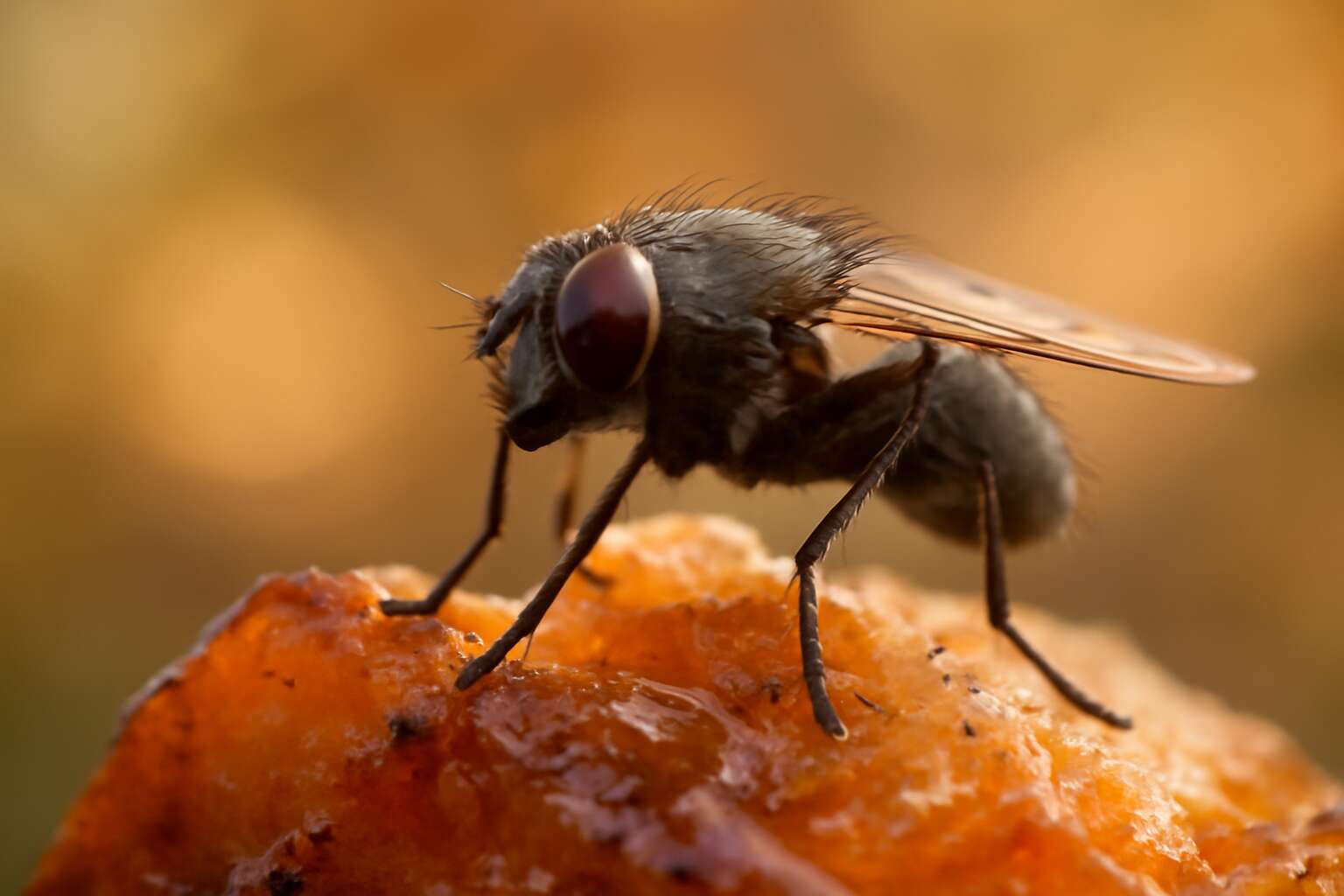
Where do flies come from
Origins and Classifications
Flies crash our spaces with surprising persistence. Where do flies come from? In South Africa, a gravid female can lay up to 500 eggs in a season, and the life cycle can sprint from egg to adult in days.
Flies belong to Diptera, the true flies, sharing one thing: rapid metamorphosis. They start as eggs, hatch into maggots, pupate, then emerge as adults. Here are a few major groups you’ll encounter:
- Muscidae — houseflies
- Calliphoridae — blowflies
- Sarcophagidae — flesh flies
- Phoridae — scuttle flies
Each group thrives in its own niche, from urban detritus to veld carrion, explaining why flies are so ubiquitous—and endlessly entertaining to observe.
Life Cycle and Development
In a South African summer, one gravid female can lay up to 500 eggs, and the life cycle can sprint from egg to adult in days. To understand where do flies come from, we trace their rapid metamorphosis from egg to adult.
From first light to wingbeat, eggs hatch into maggots, then pupate, and finally emerge as adults ready to begin anew. In warm climates, this loop can repeat within a single season.
- Eggs: tiny, oval eggs laid in moist, nutrient-rich habitats.
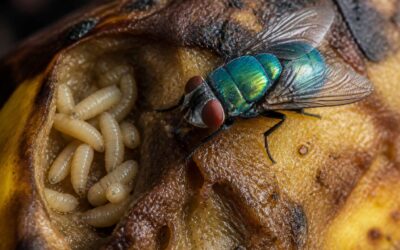
- Larvae (maggots): legless feeders that devour decay and detritus.
- Pupae: a quiet transformation, a cocoon-like stage in soil or litter.
- Adults: nimble fliers ready to reproduce and start anew.
Environmental Triggers and Habitats
Across South Africa’s heat, a single gravid female can lay up to 500 eggs, and summer’s breath quickens their birth. To answer where do flies come from, we trace the seeds of life hidden in damp corners and the sweet, rotting perfume of fallen fruit. The story isn’t dramatic so much as ecological: warm air, moist soil, and the quiet corners where decay offers a banquet for new wings.
- Moist organic matter such as compost, manure, and rotting fruit
- Open garbage and waste containers in markets and homes
- Animal shelters, farms and damp bedding in rural and peri-urban spaces
- Sewage, drainage, and pooled irrigation water in gardens and streets
In South Africa, these micro-habitats linger in courtyards, backyards, markets, and farms—heat, humidity, and human activity turning everyday spaces into hatcheries of possibility.
Control, Prevention, and Indoor Air Quality
Heat, scent, and damp corners shape a fly’s route into our spaces. The question where do flies come from points to tiny, overlooked nests—rotting fruit, compost, and the quiet places where moisture keeps life flowing.
Control and prevention hinge on limiting breeding and protecting indoor air. By curbing odors and maintaining clean, dry spaces, you disrupt the ecological cues that invite flies indoors.
Consider these high-level levers for South Africa’s environments:
- sanitation and waste streams
- sealing entry points and screening
- moisture control and ventilation
Good air quality follows when habitats stay inhospitable to breeding, and rooms feel fresher and calmer—even in the height of summer.


0 Comments