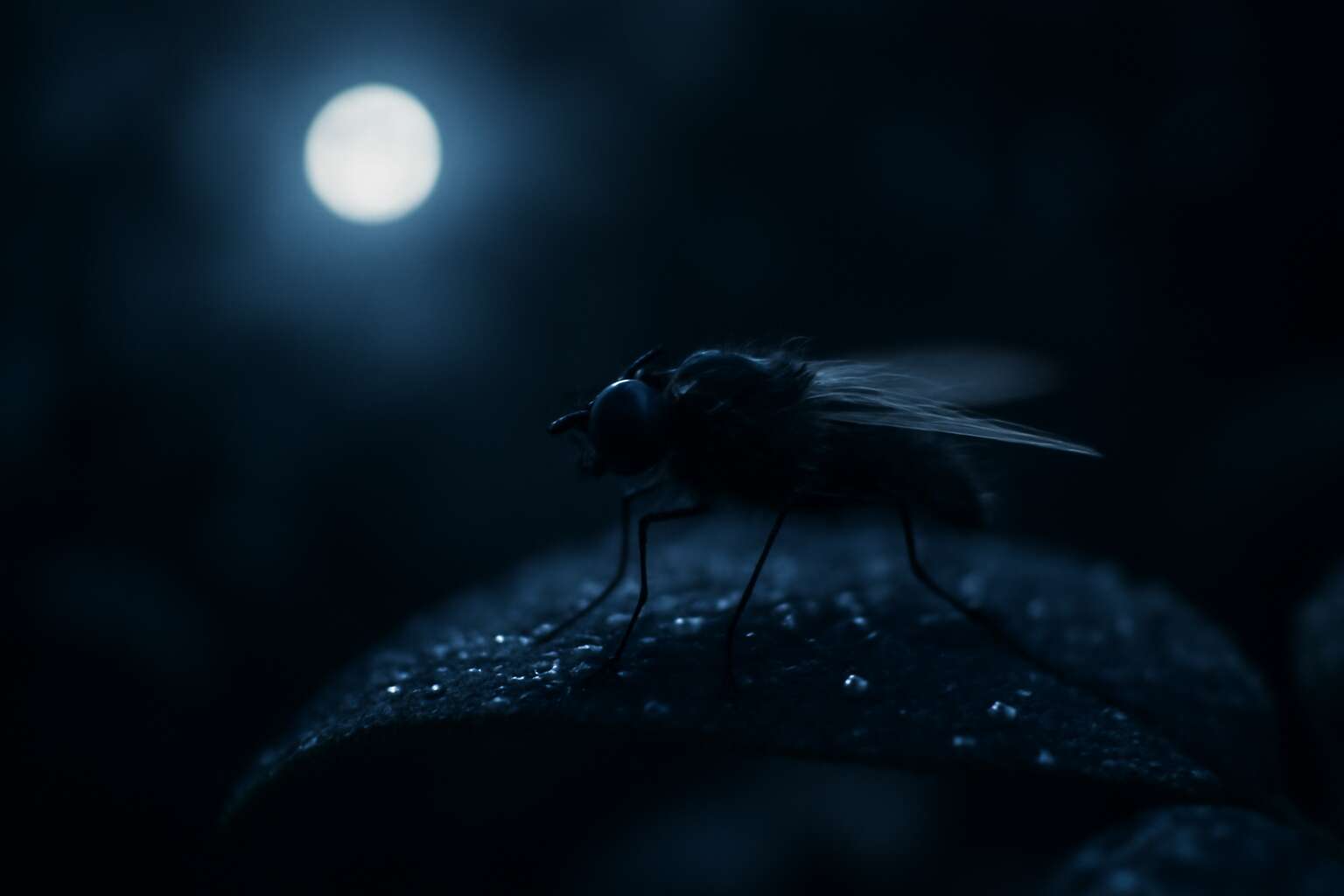
Understanding Flies and Their Behavior
Overview of Flies – Types of common flies active during nighttime
As dusk settles over the South African landscape, a different kind of life awakens—one that often goes unnoticed by the hurried eye. Flies at night are a fascinating testament to nature’s silent choreography, their behavior shifting under the cloak of darkness. These nocturnal insects are not merely pests; they are intricate players in the ecosystem, adapting with remarkable precision to the moonlit hours.
Understanding flies and their behavior reveals a world of diverse species actively thriving in the shadows. While some flies are diurnal, a significant number become active at night, driven by instinct and environmental cues. Among these, the common housefly (Musca domestica) and certain species of blowflies are prevalent, their nocturnal activity often linked to seeking food or mates. Their senses are finely tuned to navigate the darkness, utilizing heightened olfactory and visual cues to thrive when the world is quiet.
In South Africa, the variety of flies at night can be surprisingly rich, often influenced by local climate and habitat. For example, the lesser-known dark-winged fungus gnats and other species are active during the night, contributing to the complex web of nocturnal insect life. Recognizing these types of common flies active during nighttime can help in understanding their role in both natural environments and urban settings.
Nocturnal vs Diurnal Flies – Differences in activity patterns
While most folks picture flies as daytime nuisances buzzing around your picnic or kitchen, the reality is far more intriguing—especially when the sun dips below the horizon. Flies at night are not just lurking in the shadows; they’re orchestrating a silent symphony of survival and adaptation. These nocturnal insects have evolved a remarkable set of sensory tools that allow them to navigate the darkness with uncanny precision, proving that some flies prefer moonlight over midday rays.
Understanding the difference between nocturnal and diurnal flies is key to grasping their behavior. Diurnal flies are active during daylight—think of the common housefly that scurries around your food in broad daylight—while nocturnal flies, such as certain blowflies and fungus gnats, embrace the night. Their activity patterns are dictated by a combination of environmental cues and instinct, which often include seeking mates, food sources, or avoiding predators.
Interestingly, the activity of flies at night isn’t just about survival; it also reflects their ecological roles. Some species, like dark-winged fungus gnats, are especially adapted for the night, thriving in the cool, damp environments that the darkness creates. Recognizing these differences helps in understanding their behavior and the unique niches they occupy in South Africa’s diverse habitats.
How Flies Detect Food and Light at Night – Sensory mechanisms for nighttime navigation
Flies at night possess a fascinating array of sensory mechanisms that transcend human understanding. Unlike their daytime counterparts, these nocturnal insects have evolved heightened olfactory and visual systems that enable them to navigate in darkness with extraordinary precision. Their ability to detect subtle cues in low-light environments underscores a complex interplay between their sensory organs and environmental stimuli, revealing a hidden world thriving under the cover of night.
When it comes to detecting food sources, flies at night rely heavily on their keen sense of smell. Their antennae and maxillary palps are finely tuned to pick up chemical signals emitted by decaying organic matter, fungi, or other attractants prevalent in their nocturnal habitats. This olfactory prowess allows them to locate nourishment despite minimal visual cues, illustrating an intricate adaptation to their ecological niche.
Light detection, on the other hand, involves specialized visual structures that have adapted to function in dim conditions. Some nocturnal flies possess compound eyes with enlarged facets, enhancing their ability to discern faint luminescence or movement in the darkness. This sensory adaptation is crucial for avoiding predators and locating mates, as it offers a competitive edge in the shadowy realm where most predators hunt and prey hide.
To thrive in the night, flies at night often exhibit behaviors guided by their sensory inputs. They respond to temperature fluctuations, humidity levels, and chemical trails—each cue orchestrating their nocturnal dance of survival. Their navigation strategies, honed over millennia, exemplify nature’s ingenuity in creating creatures perfectly suited for life under the moon’s watchful gaze.
Why Do Flies Become Active at Night?
Environmental Factors – Light pollution and temperature influences
In the quiet hours after sunset, a surprising number of flies at night become surprisingly active, defying the common perception that they retreat into darkness. This nocturnal activity is often driven by environmental factors that subtly influence their behavior. Light pollution, for instance, plays a pivotal role. Artificial lighting from street lamps, homes, and businesses can attract flies at night, creating an illusion of daytime conditions that disrupt their natural circadian rhythms. The warmth retained by urban surfaces also encourages activity, especially during cooler evenings when temperatures remain mild.
Temperature influences are particularly significant in South Africa, where warm nights can extend fly activity well into the dark hours. Flies are ectothermic creatures, meaning their metabolic processes depend heavily on external heat sources. As temperatures fluctuate, so does their activity level. During warm nights, flies at night are more likely to be seen buzzing around, searching for food or mates, even long after sunset. Understanding these environmental cues helps explain the fascinating and sometimes perplexing behavior of flies during the night hours.
Food Sources at Night – Presence of decaying matter and other attractants
In the shadows of South Africa’s warm evenings, flies at night become surprisingly active, driven by a relentless quest for sustenance. These nocturnal creatures are irresistibly attracted to decaying matter and other organic food sources that emit potent odors, even after sunset. It’s as if the dark hides a magnet that pulls them in, turning quiet, unsuspecting spaces into buzzing hotspots.
Decaying organic material—such as rotting fruit, animal waste, or decomposing vegetation—serves as a beacon for flies at night. Their keen sensory apparatus detects these food sources from a distance, guiding them with uncanny precision through darkness and ambient light pollution. This natural instinct ensures their survival, fueling their nighttime activity when food is most plentiful and competition is less fierce. It’s a fascinating dance of survival, where the presence of organic attractants transforms the quiet hours into a hive of activity.
- Decaying fruit and vegetables lingering in bins or compost heaps
- Animal waste that releases alluring scents after sunset
- Organic debris from outdoor activities or agricultural operations
This relentless pursuit of nourishment underscores why flies at night are such persistent pests. Their attraction to organic matter not only sustains their nocturnal behavior but also plays a role in the broader ecosystem, helping to break down and recycle organic material. To the untrained eye, it might seem like chaos, but for flies, it’s pure instinct—an unyielding drive that keeps them active long after darkness falls.
Avoiding Predators – Protection from daytime predators influences nocturnal activity
In the quiet hours after sunset, a surprising number of flies at night become actively searching for sustenance. This nocturnal activity isn’t merely about finding food; it’s also a strategic response to predation. Flies at night are often safer from the many daytime predators—birds, lizards, and larger insects—that hunt in the daylight. By shifting their activity to darker hours, these tiny creatures significantly reduce their risk of becoming prey.
Protection from daytime predators is a key factor driving flies at night to become more active. The cover of darkness offers a refuge, allowing them to explore organic matter and decaying material undisturbed. This behavior not only supports their survival but also helps balance their role in the ecosystem as natural recyclers of organic waste.
In fact, this nocturnal shift is so effective that some species have evolved to operate primarily in the dark, making the night a bustling arena for flies. Their ability to adapt to these conditions demonstrates the resilience and cunning of these often-overlooked insects. It’s a delicate dance between survival and opportunity, played out in the shadows of South Africa’s warm evenings.
Common Types of Flies Active During Nighttime
House Flies – Behavior and attraction sources at night
In the dead of night, a silent invasion unfolds—flies at night are more than mere nuisances; they are cunning survivors thriving in darkness. Among the common types active after sunset are the house flies, which exhibit an uncanny ability to seek out decay and organic matter even when visibility is scarce. Their attraction sources include rotting fruit, garbage, and animal waste, which emit potent odors detectable by their highly sensitive antennae. Interestingly, these flies often navigate by detecting subtle changes in light and temperature, enabling them to operate under the cover of darkness with eerie precision.
Some nocturnal flies have evolved specialized behaviors to avoid predators and exploit less competitive environments. Their sensory mechanisms are finely tuned to pick up minute cues—be it the scent of fermenting material or the faintest flicker of residual light—making them formidable nocturnal foragers. This adaptation ensures their survival and proliferation in environments where daytime predators are less active, giving flies at night a distinct advantage in the ongoing battle for resources.
Flesh Flies – Nocturnal activity patterns
In the quiet cloak of darkness, a surprising cast of characters takes to the stage — flies at night, often underestimated in their nocturnal cunning. Among these shadowy performers, flesh flies emerge as particularly intriguing. Known for their macabre fascination with carrion and decaying organic matter, they exemplify the survivalist spirit that defines many nocturnal flies. Their activity is not merely a matter of random foraging; it’s a calculated dance driven by evolved sensory prowess and environmental cues.
Flesh flies are distinguished by their nocturnal activity patterns, which allow them to exploit resources less contested by daytime insects. Their ability to detect subtle chemical signals from decomposing flesh and other organic waste makes them formidable nocturnal foragers. Unlike their diurnal counterparts, these flies often navigate by relying on faint light flickers and temperature variations—an impressive feat in the darkness. Their adaptability, coupled with an innate predilection for decay, underscores their role in the ecosystem and their capacity for thriving under the cover of night.
Drain and Fruit Flies – Their nighttime behaviors and habitats
Flies at night often catch people off guard. While daytime insects are easily spotted, many fly species become active after dark, taking advantage of quiet and less competition. In South Africa, common nocturnal flies like drain flies and fruit flies showcase fascinating behaviors that highlight their adaptability and survival skills.
Drain flies, also called moth flies, thrive around damp areas such as sewage systems and drains. Their nocturnal activity helps them avoid predators and exploit hidden sources of organic matter. Fruit flies, on the other hand, are drawn to fermenting fruit and sugary substances, often appearing at night when their preferred food sources are less disturbed. Their ability to navigate in low light relies on keen olfactory senses and environmental cues like temperature shifts.
Understanding the habitats of these nocturnal flies is key. Drain flies prefer moist, dark environments, while fruit flies often inhabit kitchen sinks, compost bins, and decaying fruit. Their nighttime behavior is driven by the need to feed and breed undisturbed, making them a common sight in homes and waste areas after sunset.
Impacts of Flies at Night
Health Risks – Disease transmission and contamination
In the quiet hours after sunset, flies at night become more than mere nuisances; they pose significant health risks through disease transmission and contamination. These nocturnal insects often find refuge in decaying organic matter, where they pick up pathogens that can be transferred to food and surfaces, amplifying the risk of illness. When flies land on food or utensils, they inadvertently deposit bacteria and viruses, turning a simple meal into a potential health hazard.
Moreover, flies at night are notorious for spreading a range of diseases, including cholera, dysentery, and typhoid. Their ability to traverse contaminated environments and then land on human food or household surfaces makes them unwitting vectors of disease. This cycle of contamination underscores how vital proper sanitation and pest control are, especially in regions where flies are prevalent during both day and night.
- Contact with contaminated surfaces
- Transfer of harmful microorganisms to food
- Amplification of disease outbreaks in vulnerable communities
The invisible threat posed by flies at night reminds us that these insects are more than just a bother—they are silent carriers that undermine public health and hygiene. Recognizing their impact is a crucial step toward safeguarding communities, especially in settings where sanitation infrastructure may be limited. Flies at night are a stark reminder that health risks are often lurking in the shadows, waiting for the right moment to strike.
Indoor Infestations – How flies can invade homes during nighttime
When darkness falls over South African homes, an insidious invasion often begins—a silent procession of flies at night that can turn a serene evening into a battleground for hygiene. These nocturnal intruders slip through tiny cracks and crevices, exploiting the cover of darkness to infiltrate indoor sanctuaries undetected. Their presence is more than a mere nuisance; it signals a hidden threat to health and well-being.
Flies at night are particularly adept at invading kitchens, pantries, and dining areas. They are drawn to residual food odors and organic waste that linger in poorly maintained spaces. Once inside, they land on surfaces, utensils, and exposed food, depositing harmful microorganisms that can cause illness. This unseen contamination can escalate quickly, especially in communities where sanitation is fragile. The cycle of infestation and disease transmission underscores the importance of vigilant pest control and sanitation efforts to keep these unwelcome nocturnal visitors at bay.
Agricultural Concerns – Effects on nighttime crops and stored produce
In the quiet of the South African night, a tiny menace often takes center stage—flies at night. While most of us are asleep, these nocturnal intruders are busy wreaking havoc on agricultural produce and stored crops. Their presence might seem minor, but the impact on food security and farm productivity can be substantial. Flies at night are especially drawn to ripening fruit, grains, and vegetables that emit tempting odors under the cover of darkness.
Farmers and storage facility managers must be vigilant, as these flies can lay eggs on crops, leading to infestations that compromise both quality and safety. The damage isn’t always immediately visible; larvae burrow into produce, making it unfit for sale or consumption. To make matters worse, flies at night often escape detection, allowing infestations to spread unnoticed. Monitoring and controlling these nighttime pests is crucial to safeguarding South Africa’s agricultural economy.
Understanding their behavior reveals that flies are attracted to organic remnants and fermenting matter, often found in poorly stored produce. They can also transmit diseases that affect both crops and humans, intensifying the need for effective pest management. In the battle against flies at night, proactive measures are essential to protect our food supply and ensure a healthy harvest season. After all, when darkness falls, the fight for safe, pest-free agriculture begins!
How to Manage and Prevent Flies at Night
Physical Barriers – Screens and sealing entry points
When the sun dips below the horizon, the battle against flies at night intensifies—these persistent pests seem to have an uncanny knack for invading even the most fortified homes. Fortunately, physical barriers can serve as an elegant dance partner in this nocturnal waltz of pest prevention.
Installing fine mesh screens on windows and doors creates an impenetrable fortress, allowing fresh air to circulate while keeping those unwelcome guests at bay. Sealing entry points—cracks around door frames, gaps in window seals, or tiny holes in walls—further discourages flies at night from slipping inside unnoticed. For added peace of mind, consider applying weather stripping and caulking, which act as silent sentinels guarding against intruders.
To maximize effectiveness, it’s wise to conduct a thorough inspection of your home’s perimeter. Addressing potential entry points with a systematic approach ensures that flies at night have nowhere to hide. Remember, even the smallest opening can become an open invitation for these nocturnal nuisances, so meticulous sealing is your best line of defense in maintaining a pest-free sanctuary.
Environmental Controls – Reducing attractants and breeding sites
In the shadowed silence of dusk, a sinister dance begins—flies at night emerge from the darkness, drawn to the faintest hint of decay or light. These nocturnal intruders are more than mere nuisances; they are carriers of unseen threats, silently infiltrating our sanctuaries while we sleep. To truly manage and prevent their relentless invasion, one must understand the subtle environmental cues that beckon them.
Reducing attractants is paramount. Flies at night are lured by the promise of decaying organic matter—rotting fruit, unclean drains, and leftover food scraps. Eliminating these sources creates an inhospitable environment for their breeding and feeding habits. A strategic approach involves:
- Regularly cleaning drains and disposing of organic waste promptly
- Sealing food containers tightly to prevent scent dispersal
- Maintaining dry, clean surfaces that do not emit alluring odors
Additionally, controlling breeding sites is vital. Standing water and damp environments serve as ideal nurseries for flies at night. Draining excess water from plant pots, fixing leaks, and ensuring good ventilation disrupt their life cycle, making your home less enticing. In the dark hours, flies at night thrive in shadows cast by unkempt corners—each forgotten crumb or damp patch becomes a gateway into your refuge. Only through vigilant environmental controls can one hope to banish these spectral pests from haunting your space.
Use of Traps and Repellents – Effective tools for nighttime fly control
When darkness falls, the battle against flies at night intensifies. These stealthy invaders are drawn to hidden corners, their presence often unnoticed until they become a full-blown nuisance. To effectively manage and prevent flies at night, utilizing traps and repellents can be a game-changer. These tools serve as silent sentinels, intercepting the nocturnal flight paths of these persistent pests.
Sticky traps and light-based fly zappers are particularly effective for nighttime fly control. Place them strategically near problem areas—kitchen corners, drains, or damp basements—and watch as they work tirelessly to capture or neutralize incoming flies. Additionally, natural repellents like essential oils—peppermint, eucalyptus, or citronella—can be used to create a protective barrier around your home, discouraging flies at night from entering.
For a more targeted approach, consider constructing a simple homemade trap using sugar water or fermenting fruit as bait. This attracts flies at night, trapping them before they can bother you. Remember, the key to victory lies in consistency. Regularly maintaining and replacing traps and repellents ensures that your defenses remain strong against the spectral invasion of flies at night.
Tips for Keeping Your Home Fly-Free at Night
Maintaining Hygiene – Proper waste disposal and cleanliness
Understanding the importance of proper waste disposal and maintaining impeccable cleanliness can make all the difference in your fight against flies at night. In rural South African households, where organic waste often accumulates, flies are irresistibly drawn to these sources after sunset. A neglected trash bin or unclean kitchen can quickly become a magnet for these persistent pests, turning peaceful evenings into a nuisance. By ensuring that waste is securely covered and disposed of regularly, you cut off the primary food source that sustains flies at night, reducing their presence indoors.
Implementing simple hygiene practices, such as wiping down surfaces and avoiding leftover food exposure, can significantly diminish fly activity. Consider establishing a routine to check and clean around drain areas and compost bins—common attractants for flies at night. For added protection, physical barriers like window screens and sealed entry points can prevent these unwanted guests from infiltrating your living space, allowing you to enjoy the quiet of the night without unwelcome visitors.
Lighting Strategies – Using light to deter or attract flies away
Lighting strategies can be a subtle yet powerful tool in the fight against flies at night. Flies are naturally drawn to specific light sources, but with careful planning, you can manipulate lighting to keep these pests at bay. Bright, white lights tend to attract flies, especially after sunset, making outdoor areas less inviting for them. Conversely, using yellow or amber bulbs can minimize attraction, helping create a fly-free zone in your home.
Installing motion-activated lights or timers ensures that outdoor lighting is only on when needed, reducing unnecessary attraction. For indoor spaces, consider using curtains or blinds to block light from shining outside, which can lure flies toward your living areas. Additionally, strategic placement of lights away from entrances and windows helps prevent flies from being drawn inside during the night. A well-thought-out lighting plan not only enhances your home’s ambiance but also serves as a natural barrier against the persistent nuisance of flies at night.
Regular Inspection and Treatment – Monitoring fly activity and early intervention
Monitoring fly activity is a crucial component of maintaining a fly-free home during the hours when darkness cloaks the landscape. Flies at night are often more than just a nuisance; they can be vectors for disease, especially in environments where sanitation is compromised. Regular inspection of potential breeding sites—such as drains, garbage bins, and decaying organic matter—allows homeowners to identify early signs of infestation. Early intervention, through targeted treatment or removal, can prevent a minor problem from spiraling into a full-blown infestation.
Implementing a consistent schedule for checking these sources ensures that flies at night do not gain a foothold. Using simple tools like sticky traps or UV light traps can help monitor activity levels and inform whether additional control measures are necessary. Remember, the key lies in vigilance: the sooner you spot the signs of fly activity, the easier it becomes to eradicate them and keep your home hygienic and pest-free during the night’s quiet hours.
Frequently Asked Questions about Flies at Night
Are Flies More Active at Night Than During the Day? – Understanding fly activity cycles
When the sun dips below the horizon, many are surprised to discover that flies at night are just as active, if not more so, than during daylight hours. Studies reveal that certain fly species have evolved to optimize their activity cycles around darkness, making nighttime the prime time for feeding and breeding. This nocturnal behavior is driven by a combination of environmental cues and their innate biological rhythms, ensuring they can avoid predators and exploit food sources that are less contested.
Understanding fly activity cycles is crucial for effective pest management. Flies at night tend to be attracted to decaying organic matter, exposed food, or even unsealed entry points into homes. Their heightened activity during these hours is often a response to reduced light levels, which help them navigate and locate attractants in the dark. Recognizing these patterns allows homeowners and pest control professionals to develop targeted strategies for controlling fly populations after sunset.
Can Flies Harm Humans at Night? – Health and safety considerations
Many homeowners in South Africa wonder if flies at night pose any real threat to their health. While their nocturnal activity might seem harmless, these persistent pests can carry and transmit diseases even in the dark. Flies are notorious for contaminating food and surfaces, and their ability to thrive after sunset makes them a constant challenge for pest control. It’s important to understand that flies at night are not just nuisances—they can be health hazards.
Although flies are more active after sunset, they generally do not harm humans directly through bites. Instead, their danger lies in their role as vectors for bacteria and pathogens. Flies can land on unprotected food, spreading germs that may lead to illnesses like food poisoning or gastrointestinal infections. Their nocturnal behavior allows them to access food sources and breeding sites that are less protected during nighttime hours.
For safety, it’s wise to keep food covered and maintain cleanliness in and around your home. Using physical barriers like screens and sealing entry points can significantly reduce the presence of flies at night. In South Africa’s warm climate, these pests find ample breeding grounds, making vigilant pest control essential to protect families from potential health risks posed by flies at night.
What Natural Remedies Deter Flies at Night? – Eco-friendly approaches
When darkness falls in South Africa, many are surprised to discover that flies at night remain active, defying the assumption that they only operate under the sun. These nocturnal insects are more than mere nuisances; they are persistent carriers of bacteria and pathogens, silently threatening our health long after sunset. Understanding the natural remedies that deter flies at night can be a game-changer for maintaining a hygienic environment. While chemical repellents have their place, eco-friendly approaches are increasingly favored for their safety and sustainability.
One effective method is to utilize natural deterrents such as essential oils—peppermint, citronella, and eucalyptus—that disrupt the sensory mechanisms flies at night rely on for navigation. Setting up these oils in diffusers or applying them to surfaces can create an invisible barrier that discourages their presence. Additionally, planting herbs like basil or lavender around living spaces not only enhances your garden but also acts as a natural fly repellent. These organic strategies harness nature’s own defenses, making them suitable for households committed to eco-conscious living.
For those seeking a more structured approach, consider employing physical barriers—screens on windows and doors remain one of the most reliable defenses against flies at night. Sealing cracks and gaps prevents entry points, ensuring these pests cannot invade indoor sanctuaries. If you prefer a hands-on method, homemade traps using vinegar or sugar water can lure flies away from critical areas. These solutions are simple, cost-effective, and environmentally friendly, aligning perfectly with a sustainable lifestyle in South Africa’s diverse landscape.


0 Comments