Understanding the Common Causes of Flies Near Your Back Door
Breeding Sites and Attractants – Identifying debris, trash, and standing water that attract flies
There’s an almost hypnotic persistence to the way flies near back door seem to appear from nowhere, lured by unseen forces that speak to our very human instincts. These pests are more than mere nuisances; they are indicators of underlying environmental triggers that we often overlook. Understanding the common causes of flies near back door involves recognizing the subtle cues that attract them—decaying organic matter, lingering scraps of food, or stagnant water that creates an inviting breeding site.
Often, the root of this issue lies in debris or trash that has accumulated close to the entryway, unnoticed until the unwelcome visitations become relentless. Flies are instinctively drawn to these sources because they offer the perfect environment for laying eggs and reproducing. In addition, standing water—whether in pet bowls, clogged gutters, or puddles from recent rains—serves as an ideal breeding ground. Identifying these attractants is crucial, as they perpetuate the cycle of infestation, making the area near your back door a magnet for these persistent pests.
Environmental Factors – How temperature, humidity, and light influence fly activity
Flies near back door are often more than mere intruders—they are sensitive barometers of the environment’s subtle shifts. In South Africa’s climate, temperature, humidity, and light levels orchestrate a complex dance that either deters or invites these persistent pests. When a warm, humid day transitions into twilight, the activity of flies intensifies, as if responding to an invisible call that beckons them closer to the threshold of your home.
High temperatures accelerate fly metabolism, making them more aggressive in their search for breeding sites. Conversely, cooler evenings tend to suppress their activity, offering brief respite. Humidity, especially during rainy seasons, amplifies their presence near back door by nurturing the organic decay they find irresistible. Light levels also play a pivotal role—flies are drawn to the glow of outdoor lights at dusk, transforming your door area into an alluring nexus of attraction.
Understanding these environmental factors reveals a fascinating interplay: the very conditions that make outside spaces hospitable for us often invite flies near back door, turning mundane outdoor elements into a silent magnet for these resilient creatures.
Seasonal Patterns – Understanding seasonal peaks in fly populations
Seasonal shifts in fly populations are as predictable as the changing Southern skies—yet their timing often catches homeowners off guard. Flies near back door tend to appear in waves, peaking during specific times of the year when the environment conspires in their favor. In South Africa, warm, humid months—particularly late summer and early autumn—are prime breeding grounds. The balmy air, coupled with abundant organic decay, creates an irresistible magnet for these resilient pests.
During these peak periods, the frequency of fly sightings near your back door can seem to multiply exponentially. It’s no coincidence that they flock to outdoor lights at dusk, drawn by both the warmth and the beckoning glow. Understanding these seasonal patterns helps in recognizing that their presence is often a natural part of the climate cycle—an ecological dance that reflects the subtle, yet persistent, influence of weather and environment on fly activity.
In essence, the seasonal rise in fly populations underscores the importance of vigilance, especially during the warmer, wetter months when their numbers swell. Awareness of these natural rhythms offers a glimpse into why flies near back door become such an unwelcome, yet predictable, fixture in South African homes when seasons change.
Types of Flies Frequently Found Near Back Doors
House Flies – Characteristics and behaviors
When it comes to flies near back door, understanding the different types can help in managing their presence effectively. House flies are the most common, easily recognizable by their greyish bodies and quick, erratic flight patterns. They tend to be active during warmer months and are notorious for their ability to transmit bacteria, making them a persistent nuisance around entrances.
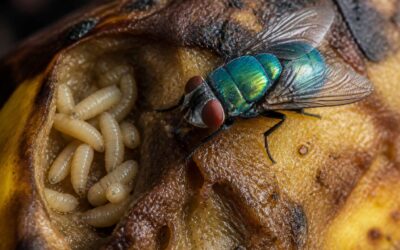
Another frequent visitor is the blowfly, known for its metallic green or blue sheen. Blowflies are often attracted to decaying organic matter and can quickly infest nearby trash or compost bins close to your back door. Their rapid reproduction cycle can lead to overwhelming populations in a short time.
To better grasp the diversity, here’s a quick look at common fly types near back doors:
- House Flies
- Blowflies
- Fruit Flies
Each of these flies exhibits unique behaviors, but all share a common trait: they thrive in environments with accessible food sources and shelter. Recognizing these differences is essential for effective fly control and maintaining a hygienic home environment.
Fruit Flies – Why they gather near entry points
Few sights evoke a sense of home quite like the fluttering dance of flies near back door, especially during the warm South African summers. These unwelcome guests seem to find their way inside with surprising ease, drawn by the promise of food or shelter. Among the most common are fruit flies, tiny creatures that hover around overripe fruit, sweet drinks, or even fermenting leftovers left too close to the entry point. Their presence is more than mere nuisance; it signals underlying issues with decaying organic matter nearby.
Fruit flies are particularly persistent because they thrive in environments rich in fermenting organic material. They often gather near entry points, especially where fruit or vegetables are stored or discarded, making back doors a prime location for their congregation. Their rapid reproduction cycle means a small initial presence can quickly turn into an overwhelming swarm. Recognizing the subtle signs of fruit fly activity can help in early detection, preventing a full-blown infestation.
Drain Flies – Identification and attraction sources
Among the myriad of winged visitors that find their way near back doors in South Africa, drain flies are particularly insidious. These tiny insects, often mistaken for tiny moths, are attracted to damp, organic-rich environments—think of the slimy buildup inside drains or moist, decaying matter lurking beneath sinks. Their presence near back door areas can seem baffling at first, but it’s often a sign of hidden moisture or organic debris just out of sight.
Drain flies tend to gather in clusters, fluttering around drain outlets or damp spots on the exterior of your home. Their attraction to these moist breeding sites is almost magnetic, making them a persistent nuisance. Recognizing the telltale signs of drain fly activity—such as tiny larvae in standing water or a faint, musty smell—can help homeowners identify the root cause early on. Their presence near back door is more than an annoyance; it’s a whisper of unseen organic decay waiting to be addressed.
Understanding the behavior of drain flies is crucial for effective control. They’re often drawn to areas with standing water or organic buildup, which can include neglected pot plant saucers or clogged gutters near the entrance. To better grasp their habits, consider the following:
- They prefer environments with high humidity and organic matter—perfect for breeding grounds close to your back door.
- They are especially active during warm, humid months—coinciding with South Africa’s summer season.
- Their rapid reproductive cycle can lead to sudden swarms, making early detection vital.
While these tiny flies may seem insignificant, their attraction to damp, organic-laden environments near back doors makes them a noteworthy pest in many South African households. Their presence signals the need for a thorough inspection of hidden moisture and organic debris, often lurking just beneath the surface of everyday surroundings.
Horse Flies and Deer Flies – Occasional presence and outdoor influence
In the shadowed corners of South African doorways, a different kind of menace lurks—horses and deer flies. These formidable winged intruders, though often fleeting, cast a dark pall over outdoor gatherings and quiet evenings alike. Unlike their more insidious cousins, drain flies or fruit flies, horse and deer flies make their occasional appearances, drawn by the primal allure of warmth and movement. Their presence near back door is often a fleeting whisper of the wild, a reminder of untamed nature bleeding into domestic sanctuaries.
Hunting in the dusk, these flies are relentless in their pursuit—aggressive, swift, and unforgiving. They tend to gather in swarms around outdoor spaces, especially where livestock or animal activity has left behind traces of organic scent. Their biting mandate leaves a trail of discomfort, often prompting a frantic swat or a hurried retreat.
- They are most active during the warmer months, when South Africa’s summer breathes life into their dark pursuits.
While they are not as persistent as drain flies or fruit flies, their sporadic visits near back doors serve as a macabre signal: the wilderness is never far, and their presence underscores the importance of sealing off the thresholds between the wild and the domestic. The fleeting appearance of horse and deer flies is a reminder that the boundary between nature’s chaos and human order remains perilously thin, waiting for a moment to breach through the cracks.
Effective Strategies to Prevent Flies Near Your Back Door
Sealing Gaps and Cracks – How to prevent entry points
In the grand ballet of home maintenance, few nuisances are as persistent—and as irritating—as flies near back door. An astonishing 85% of homeowners overlook the subtle gaps and cracks that serve as invitation-only entrances for these unwelcome guests. Addressing these entry points is not merely about comfort but about reclaiming your living space from the relentless buzzing invasion.
Sealing off potential entry points is a strategic dance of precision and diligence. Start by inspecting the door frame meticulously, identifying even the tiniest cracks that could serve as a gateway for flies near back door. Weather stripping and door sweeps are your allies in this pursuit. Applying high-quality sealant along the perimeter ensures that the flies’ entry is thwarted at every bend and corner.
- Inspect the door seal regularly for wear and tear.
- Replace damaged weather stripping promptly to maintain an impenetrable barrier.
- Use caulking to seal any cracks or gaps that may have appeared over time.
- Install fine mesh screens on doors to allow fresh air in while keeping flies out.
By embracing these strategies, you transform your back door from a potential fly runway into a bastion of cleanliness and comfort, ensuring that the buzzing nuisance remains strictly outside where it belongs.
Proper Waste Management – Keeping trash bins sealed and regularly cleaned
Maintaining a pristine outdoor environment is a delicate art, especially when flies near back door threaten to disrupt the serenity of your home. One of the most effective strategies to combat this unwelcome invasion is proper waste management. Ensuring trash bins are sealed tightly and cleaned regularly can significantly diminish the attraction for flies near back door. These pests are drawn irresistibly to decaying organic matter, making unkempt waste a magnet for their proliferation.
To further enhance your defenses, consider implementing a strict routine of waste disposal. An ordered system—such as:
- Using durable, sealed bins
- Cleaning them weekly with disinfectant
- Ensuring lids are secure at all times
can dramatically reduce the likelihood of flies establishing a foothold near your entry points. This disciplined approach not only deters flies near back door but also elevates the overall hygiene of your home environment, inviting a feeling of tranquility that is often lost to these insidious insects.
Eliminating Standing Water – Reducing breeding sites around your property
In the quiet corners of our homes, an insidious nuisance often lurks—flies near back door, quietly undermining the sanctuary we cherish. These persistent visitors are not merely a minor inconvenience; they are a reflection of the delicate balance between human habitation and nature’s unchecked elements. One of the most effective ways to keep these unwelcome guests at bay is to eliminate their breeding grounds—standing water. Flies, especially species like drain flies and house flies, thrive in moist, stagnant environments. Standing water around your property, whether in plant saucers, clogged gutters, or puddles, becomes a magnet for these pests.
Ensuring there is no lingering water in your yard can dramatically reduce the breeding sites for flies near back door. Regularly inspect your outdoor space for any areas where water might collect and take swift action. For example, you might:
- Empty and clean birdbaths and plant saucers weekly
- Fix leaks in garden hoses and irrigation systems
- Improve drainage around your home to prevent puddles
By disrupting the lifecycle of flies near back door, you create an environment less inviting for these insects to multiply. It’s a simple yet profound step in restoring peace and hygiene to your home’s perimeter, making it less hospitable for flies and more welcoming for your family’s comfort.
Maintaining Landscaping – Pruning and yard upkeep to reduce attractants
Flies near back door are more than just an annoyance—they’re a sign that your yard and landscaping might be unintentionally inviting these unwelcome guests. In the battle against persistent flies, maintaining a well-kept yard can be your secret weapon. Overgrown bushes, fallen leaves, and unraked debris serve as perfect hideouts and attractants for flies, turning your once peaceful haven into a buzzing battleground.
Pruning overgrown trees and shrubs not only improves curb appeal but also cuts down on hiding spots for flies near back door. Regularly trimming your greenery ensures that no dense thickets serve as breeding grounds or resting spots for these pests. Additionally, keeping your lawn tidy and free of decaying organic matter reduces the natural attractants that draw flies closer to your home’s threshold.
To make your landscaping a no-fly zone, consider implementing a few strategic steps:
- Remove fallen fruit, leaves, and yard waste promptly.
- Maintain a clean, clutter-free garden space.
- Ensure your compost bins are sealed tightly and routinely aerated.
By actively maintaining your landscape, you create an environment that’s less appealing to flies near back door, transforming your outdoor space into a true sanctuary for your family—unbothered by buzzing intruders.
Using Physical Barriers – Installing screens and fly curtains
In the quiet moments when all seems serene, a relentless buzzing chorus can suddenly shatter the peace—flies near back door. It’s a vexing phenomenon that often signals more than just a minor nuisance; it’s a call to action. Thankfully, one of the most elegant solutions lies in the realm of physical barriers. Installing sturdy screens or fly curtains creates an impenetrable fortress, keeping these unwelcome guests at bay while allowing the breeze to flow freely. It’s a subtle yet effective way to maintain the sanctity of your home’s threshold.
For those who prefer a systematic approach, employing ordered steps can make all the difference:
- Choose high-quality, tightly woven screens crafted specifically for South African climates.
- Ensure every window and door frame is properly sealed, leaving no gaps or cracks that flies near back door could exploit.
- Opt for fly curtains that are easy to open and close, providing a quick barrier when entertaining guests or coming and going.
Strategically placed physical barriers not only prevent entry but also serve as a visible reminder to visitors that your home is a fly-free zone. With these measures, you transform your outdoor space into a sanctuary—one where buzzing intruders are politely kept outside, and your family can enjoy the fresh air in peace. Truly, a well-placed screen or fly curtain is a small investment with monumental peace of mind—an elegant testament to the art of pest prevention.
Natural and Chemical Fly Control Methods
DIY Fly Traps – Homemade solutions and commercial products
When flies near back door become an unwelcome symphony, it is tempting to surrender to chemical warfare. Yet, nature offers a gentler, often more effective alternative—DIY fly traps that harness the very essence of the insects’ attraction. Homemade solutions like sugar water with a dash of vinegar or fruit peel traps can lure flies into a sticky embrace, ending their relentless patrol. These natural remedies serve as a silent invitation for flies to venture into their own downfall, without the harshness of chemicals that may harm your garden or family.
For those seeking a swift solution, commercial products designed explicitly for fly control provide a targeted approach. Electric fly zappers and attractant bait stations can dramatically reduce the number of flies near back door, creating a barrier of safety. However, combining these with natural DIY traps forms a symphony of defenses—an orchestra of ingenuity and eco-consciousness. Whether crafting a simple homemade trap or deploying a ready-made commercial solution, the goal remains clear: to restore peace to your doorstep, where flies once danced in unwelcome swarms.
Repellents and Natural Remedies – Essential oils and plant-based repellents
When the relentless swarm of flies near back door intensifies, many turn to chemical repellents, hoping for swift relief. But nature itself offers potent solutions—natural and chemical fly control methods that can be surprisingly effective. Essential oils such as eucalyptus, citronella, and lavender are renowned for their ability to repel flies naturally, creating a barrier that keeps these pests at bay without harmful side effects. Plant-based repellents are not only eco-friendly but also add an aromatic shield to your entry points.
For those seeking a more targeted approach, chemical repellents formulated specifically for fly control can provide rapid relief. These products often contain ingredients that disrupt the insects’ sensory receptors, deterring them from lingering near back door. Combining natural remedies with chemical solutions offers a layered defense—an approach as strategic as a well-planned ambush. Whether opting for essential oils or commercial repellents, the goal remains clear: to restore tranquility and keep flies far from your doorstep.
Chemical Sprays – When and how to safely use insecticides
When flies near back door become an uninvited constant, the urgency to act grows stronger with each passing day. Chemical sprays can offer swift relief, but their use demands caution. It’s essential to read labels carefully and follow the manufacturer’s instructions to ensure safety for your family and pets. Applying insecticides during cooler parts of the day, preferably early morning or late evening, minimizes risks and maximizes effectiveness.
Natural fly control methods also play a vital role in maintaining a peaceful home environment. Essential oils like eucalyptus, citronella, and lavender are not only pleasant to smell but also serve as potent repellents. These oils can be diluted and sprayed around entry points or soaked into fabric strips to create an aromatic barrier. Combining natural remedies with chemical solutions provides a layered approach to keep flies far from your doorstep.
Biological Control – Introducing natural predators or biological agents
Introducing biological control methods adds a fascinating layer to the battle against flies near back door. Instead of relying solely on chemicals or repellents, harnessing natural predators can be an eco-friendly and sustainable solution. For example, certain parasitic wasps target fly larvae, preventing their development before they can become a nuisance. These biological agents work silently and efficiently, creating a balanced environment that discourages fly populations from thriving.
Implementing biological control is a strategic move that complements other fly management techniques. It’s important to identify the right natural predators suited for your specific environment. In South Africa, where diverse ecosystems flourish, integrating these biological allies can significantly reduce the fly presence around your home. By fostering a habitat for beneficial insects, you introduce an unseen army working tirelessly to keep flies near back door at bay.
Maintenance and Long-Term Fly Management
Regular Cleaning Routines – Consistent sanitation to prevent infestations
Maintaining a pristine environment around your back door is the first step in long-term fly management. Regular cleaning routines not only keep your living space hygienic but also serve as an effective deterrent against the persistent flies near back door. When debris and organic matter accumulate, they become irresistible attractions for these unwelcome visitors. A vigilant approach to sanitation ensures that breeding sites remain uninhabitable, reducing the likelihood of infestations.
Consistency is key—by establishing a routine for waste disposal and surface cleaning, you diminish the appeal for flies to linger around your entry points. Consider implementing a schedule that includes sweeping away food scraps, wiping down surfaces, and inspecting for hidden sources of organic waste. Additionally, sealing gaps and cracks around doors and windows acts as an impenetrable barrier, further discouraging flies from finding their way inside. These measures, combined with proper waste management, form a formidable strategy against the ongoing nuisance of flies near back door.
To streamline your efforts, you might find it helpful to follow this simple, yet effective, list of maintenance practices:
- Regularly clean trash bins and ensure they are sealed tightly.
- Inspect and seal potential entry points around the back door.
- Remove standing water and organic debris from the vicinity.
- Maintain landscaping to eliminate attractants close to the home.
Adopting these routines not only preserves a hygienic environment but also significantly cuts down the chances of flies establishing a foothold near your back door, allowing you to enjoy a fly-free zone with peace of mind.
Monitoring Fly Activity – Using traps and visual inspections
Monitoring fly activity around your back door is an essential aspect of long-term fly management. Flies near back door are often a sign that breeding sites or attractants are lurking nearby, silently inviting unwelcome visitors. Employing traps—whether homemade or commercial—can serve as an early warning system, revealing fluctuations in fly populations before they escalate into a full-blown infestation. Visual inspections should become a routine part of your maintenance, allowing you to identify and address sources swiftly.
For a more systematic approach, consider implementing an ordered list of monitoring practices:
- Place fly traps in strategic locations near the back door.
- Inspect traps regularly for increased activity or captured flies.
- Document patterns to anticipate seasonal peaks.
- Check for new breeding sites or attractants emerging over time.
These efforts are crucial, especially during warmer months when fly activity intensifies. Observing the number and behavior of flies near back door can help you gauge the effectiveness of your sanitation and sealing measures, ensuring your home remains a sanctuary free from these persistent pests. Vigilant monitoring transforms fly management from reactive to proactive, preserving the sanctity of your living space.
Adjusting Preventive Measures – Seasonal modifications to control strategies
As the seasons shift in South Africa, so too do the strategies for managing flies near back door. What worked in the blistering heat of summer might be downright ineffective when autumn’s cool breezes roll in. Adjusting your preventive measures ensures that your home remains a fortress against these persistent pests year-round. Seasonal modifications are not just about tweaking tactics—they’re about staying one step ahead of the fly invasion.
In warmer months, it’s crucial to ramp up sanitation efforts and reinforce physical barriers like fly screens. During cooler periods, focus on sealing any gaps and cracks that might serve as entry points for flies near back door. This is a prime time for implementing a comprehensive sealing plan, especially around door frames and ventilation points. Remember, flies are small but mighty, and their tiny legs can slip through the tiniest crevice.
- Check weather-stripped doors and windows regularly
- Replace worn or torn fly screens promptly
Seasonal control isn’t just about physical barriers; it’s also about adjusting your bait and trap placement. For example, during harvest season, fruit flies become particularly active. Placing DIY fly traps near back door or strategic spots can dramatically reduce their numbers before they set up shop. Monitoring changes in fly activity and adapting your tactics accordingly keeps you well ahead in the war against flies near back door.
Seeking Professional Pest Control – When to call in experts for severe infestations
When flies near back door become an ongoing nuisance, sometimes the situation calls for more than just DIY solutions. Persistent infestations can quickly overwhelm even the most diligent homeowner, signaling that it’s time to seek professional pest control. Severe fly problems—especially those that stubbornly linger despite sealing gaps and maintaining cleanliness—are best handled by experts equipped with advanced tools and knowledge.
Professional pest control services can identify hidden breeding sites and apply targeted treatments that go beyond surface-level remedies. They utilize environmentally safe insecticides and biological agents to eliminate flies near back door at their source. This approach not only reduces the current population but also disrupts their lifecycle, preventing future invasions.
In cases where fly activity remains high after initial efforts, consider the following:
- Comprehensive inspection of your property for overlooked entry points
- Strategic placement of traps and bait stations by professionals
- Long-term monitoring to assess the effectiveness of control measures
Engaging a pest management expert ensures that your home is fortified against the relentless march of flies near back door, offering peace of mind and a more comfortable living space. Remember, sometimes the best defense is a professional intervention, especially when the infestation threatens to take over your sanctuary.


0 Comments