Understanding Flies and Their Attraction to Food
What Types of Flies Are Commonly Found on Food – Identify different fly species that are attracted to food, such as house flies, fruit flies, and drain flies.
In the bustling heart of South Africa’s lively markets and cozy kitchens, one thing remains eerily consistent: flies sitting on food. These tiny invaders aren’t just a nuisance—they’re a testament to how aggressively they’re drawn to our culinary delights. It’s estimated that a single fly can land on food up to 2,000 times in a single day, which sounds more like a fly’s version of a Tinder date than hygiene! Understanding why flies sit on food is crucial, especially when it comes to maintaining a clean and safe environment.
Several fly species are notorious for their affinity for our meals. House flies, with their insatiable appetites, are perhaps the most common culprits. They’re attracted to the smell of rotting food, garbage, and even compost. Fruit flies, on the other hand, are tiny but fierce; they’re primarily drawn to overripe fruit and sugary drinks. Drain flies, often mistaken for tiny moths, thrive around damp, organic matter—think neglected kitchen drains and leaky pipes. Recognizing these species helps us understand their preferences and why they’re so eager to sit on food.
- House Flies
- Fruit Flies
- Drain Flies
These persistent visitors are more than just a nuisance—they’re vectors for bacteria and other pathogens, making their presence on food a serious concern. So, whenever you see flies sitting on food, it’s a stark reminder of how quickly hygiene can deteriorate in the blink of an eye. Keeping these pesky flies at bay requires understanding their habits and preferences, especially in the vibrant South African culinary landscape where fresh produce and outdoor dining are part of everyday life.
Why Flies Are Drawn to Food – Explain the biological and environmental reasons flies seek out food sources.
Flies sitting on food might seem like a minor annoyance, but it’s actually a biological symphony fueled by instinct and environment. Flies are incredibly adept at sniffing out their next meal, thanks to their highly sensitive antennae and taste receptors that can detect even the faintest whiff of organic matter. When food emits odors—be it ripe fruit, fermenting leftovers, or sweet drinks—flies are drawn in like moths to a flame. Their keen olfactory senses make it nearly impossible to keep them away once a tempting scent lingers.
Environmental factors play a crucial role too. Warmth, moisture, and the availability of organic waste create the perfect breeding ground for these tiny pests. Flies sitting on food often cluster around these attractants, especially in bustling South African markets or busy kitchens where fresh produce and leftovers are abundant. Understanding why flies are so irresistibly pulled toward food helps explain their persistent presence and highlights the importance of hygiene and proper waste management. After all, these pests thrive on the very elements that make our food delicious!
Common Habitats of Food-Contaminating Flies – Describe typical environments where these flies breed and feed.
In the intricate dance of survival, flies are not merely pests—they are relentless explorers driven by primal instincts. Their attraction to food is rooted in a complex web of biological cues and environmental signals that tap into their survival instincts. Flies sitting on food are responding to the faintest whiff of organic matter, a scent that signals nourishment and breeding potential. Their highly developed antennae and taste receptors act as biological compasses, guiding them toward their next meal and breeding site.
These tiny but formidable creatures thrive in environments where organic waste, moisture, and warmth converge. South African markets, bustling kitchens, and even open-air stalls provide the ideal habitats for flies to breed and feed. They favor places with exposed, fermenting food, rotting fruit, or lingering leftovers—perfectly suited to their needs. It’s in these environments that flies sitting on food become not just an annoyance but a biological reminder of the delicate balance between nature and hygiene.
- Decaying organic matter
- Standing water or moist surfaces
- Uncovered food and waste
Understanding these common habitats of food-contaminating flies reveals the silent, persistent threat they pose. Their presence is a stark reminder that hygiene and environmental management are not just practices but vital components of health—especially in a setting where food is abundant and organic waste is inevitable. Flies sitting on food symbolize a primal struggle—a reminder that nature’s persistence often clashes with human efforts to control it.
Health Risks Associated with Flies Sitting on Food
Potential Disease Transmission – Discuss how flies can carry and transmit pathogens to humans via contaminated food.
Every year, countless cases of foodborne illnesses are linked to something as simple—and seemingly harmless—as flies sitting on food. These tiny intruders carry a host of pathogens on their bodies, which can be transferred directly onto the food we eat. When a fly lands on your freshly prepared meal, it’s not just an insect anymore; it’s a potential vector of disease. The reality is that flies are notorious for their ability to pick up bacteria, viruses, and parasites from contaminated sources and then deposit them onto surfaces, including your plate.
Flies sitting on food may seem like a minor nuisance, but the health risks are significant. Pathogens such as Salmonella, E. coli, and Shigella can hitch a ride on their legs and mouthparts, making your meal a dangerous cocktail of germs. In rural South African communities, where access to clean water and sanitation may be limited, the threat of disease transmission through flies sitting on food becomes even more pressing. Understanding these risks underscores the importance of hygiene and proper food handling to prevent the spread of illness.
Food Poisoning and Illnesses – List common foodborne illnesses linked to fly contamination.
Every year, thousands fall ill from foodborne illnesses caused by something as simple as flies sitting on food. These tiny visitors are more than pests; they are unwitting vectors of dangerous pathogens. When a fly lands on your meal, it’s not just a moment of disgust—it could mark the beginning of a health crisis. Pathogens like Salmonella, E. coli, and Shigella can hitch a ride on their legs and mouthparts, transferring directly onto the food we eat, especially in environments where sanitation is limited.
Consuming contaminated food can lead to a range of illnesses, from mild stomach discomfort to severe dehydration. In rural South African communities, where access to clean water and proper sanitation is often scarce, the risk posed by flies sitting on food becomes even more urgent. Common foodborne illnesses associated with fly contamination include food poisoning caused by bacteria and parasites that thrive on unsanitary conditions. This highlights the importance of diligent hygiene practices to prevent the silent spread of disease through contaminated food.
Signs of Contaminated Food – Help readers identify whether their food has been compromised by flies.
In the quiet corners of daily life, a silent threat lurks—flies sitting on food. Their presence might seem trivial, yet these tiny invaders carry the weight of potential health crises. Recognizing the signs of contaminated food is crucial to safeguarding well-being, especially in regions where sanitation is a challenge. When flies land on your meal, they often leave behind more than just an unsightly mark; they transfer harmful pathogens that can cause serious illnesses.
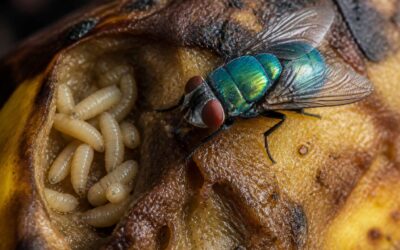
Signs of contaminated food include an unusual odor, a sticky or slimy texture, or the sudden appearance of tiny fly eggs or larvae. If you notice flies lingering around your food or see a sudden increase in fly activity near your meals, it’s a clear indicator that the food has been compromised. Flies sitting on food often indicate unsanitary conditions, which are perfect breeding grounds for bacteria and parasites. Vigilance in these moments is vital—your health could depend on it!
Prevention Strategies to Keep Flies Away from Food
Proper Food Storage Tips – Advise on sealing and refrigeration to prevent fly access.
Flies sitting on food can turn a delightful meal into a potential health hazard in the blink of an eye. The key to thwarting these unwelcome guests lies in proper food storage techniques that eliminate their access points. Ensuring that food is sealed tightly and kept in the refrigerator creates an impenetrable barrier against flies sitting on food. This simple yet effective strategy can drastically reduce the chances of contamination and keep your kitchen hygienic.
Effective prevention also involves understanding the importance of proper food storage tips. Always store perishable items in airtight containers, especially when preparing meals in advance. This not only preserves freshness but also deprives flies of the scent cues they rely on to locate food sources. Remember, flies are attracted to the smell of rotting or exposed food, making airtight storage your best line of defense.
Implementing these strategies will make your kitchen a fortress against flies sitting on food, safeguarding your health and peace of mind. In environments where flies are rampant, consider additional measures such as using fly screens or traps—these can be game-changers in maintaining a fly-free zone. After all, a clean, well-sealed space is the best shield against the invisible threat of contamination lurking in plain sight.
Environmental Hygiene Practices – Encourage cleaning routines, trash management, and elimination of breeding sites.
In the vast tapestry of household hygiene, maintaining a sanctuary free from flies sitting on food is an ongoing battle. These unwelcome visitors are not merely nuisances but harbingers of potential health hazards, capable of turning a wholesome meal into a vector for illness. A crucial aspect of warding off these pests involves rigorous environmental hygiene practices that disrupt their breeding and feeding cycles.
Consistent cleaning routines are the frontline defense. Wiping down surfaces, especially in kitchens and food prep areas, swiftly removes crumbs and residues that attract flies. Regularly managing trash—using sealed bins and disposing of waste promptly—eliminates breeding grounds that sustain fly populations. Moreover, addressing potential breeding sites such as stagnant water or damp organic matter is vital; these serve as fertile grounds for fly larvae to develop and multiply.
Implementing a systematic approach can be enhanced through simple yet effective measures. For example:
- Ensure drains are clean and free from organic build-up that can harbor drain flies.
- Maintain dry, clutter-free environments to prevent the creation of hidden breeding sites.
- Use fly screens on doors and windows to create physical barriers that keep flies sitting on food at bay.
By fostering an environment that is inhospitable to flies, you cultivate a space where their presence diminishes. Vigilance in environmental hygiene practices is paramount; it transforms your home from a potential haven into a fortress against the persistent menace of flies sitting on food, safeguarding both health and peace of mind.
Use of Barriers and Traps – Introduce physical barriers like screens and effective fly traps to deter flies.
Flies sitting on food are more than just a visual nuisance—they pose serious health risks. One of the most effective prevention strategies is implementing physical barriers that keep these pests away. Properly fitted fly screens on doors and windows are your first line of defense, creating a sturdy barrier that stops flies sitting on food from entering your home. These screens are simple to install and maintain, providing continuous protection without disrupting airflow or ventilation.
In addition to barriers, fly traps offer an efficient way to reduce the fly population indoors. These devices attract flies with bait or light, trapping them before they land on your meals. For optimal results, place traps near trash bins, drains, or other common breeding sites. Combining screens with traps creates a multi-layered approach that significantly diminishes the chances of flies sitting on food and contaminating it.
Remember, a clean environment enhances these prevention measures. Regularly inspecting and replacing traps, sealing food properly, and maintaining hygiene are essential steps. With these simple yet effective tactics, you can keep flies sitting on food at bay and enjoy a cleaner, healthier space.
Effective Methods to Remove Flies When They Sit on Food
Manual Removal Techniques – Explain safe ways to gently remove flies from food surface.
When flies sit on food, it’s more than just a nuisance — it’s a potential health hazard. Fortunately, manual removal techniques are simple and safe if done correctly. The key is to avoid quick, aggressive swats that can spread germs or cause food contamination. Instead, gently coax the fly away using a piece of paper or a soft cloth. This method minimizes contact and prevents the transfer of bacteria from fly to food.
For added safety, consider using a glass or cup to trap the fly without touching the food directly. Carefully slide a paper or card under the container to lift the fly away. This approach ensures you retain control while keeping your food hygienic. Remember, patience and gentle handling are essential when flies sit on food, especially in environments where hygiene is paramount. Proper manual removal reduces the risk of disease transmission and keeps your space clean and safe.
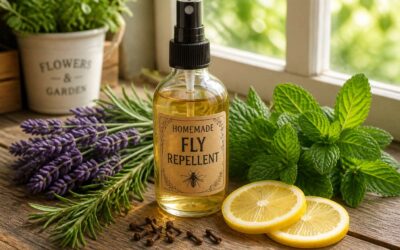
Natural Remedies – Suggest natural repellents and sprays to deter flies.
In the bustling kitchens and vibrant markets of South Africa, the sight of flies sitting on food can turn a delightful meal into a concern of hygiene and safety. Flies are not just bothersome; they are unwelcome carriers of bacteria and pathogens that threaten our health. Fortunately, natural remedies and repellents can serve as vigilant guardians against these intruders, keeping our food safe and our spaces clean.
Herbs like basil, mint, and lavender possess natural properties that repel flies effectively. Spritzing a gentle, homemade spray made from these herbs mixed with water can deter flies from landing on your food. Additionally, essential oils such as citronella, eucalyptus, and lemongrass are potent natural repellents. A few drops in a diffuser or diluted in water can create an aromatic barrier, discouraging flies from alighting.
To bolster your defenses, consider setting up natural fly traps around your eating area. For instance, a simple jar filled with apple cider vinegar covered with a paper cone entices flies to enter but makes escape impossible. These traps work by exploiting the flies’ attraction to fermenting scents, offering an organic method to reduce their presence without chemicals.
- Utilize natural repellents like citronella or eucalyptus oils.
- Create homemade traps with apple cider vinegar and a paper cone.
- Place fresh herbs such as basil or mint near food surfaces.
With patience and careful application of these natural remedies, you can create an environment where flies sitting on food are kept at bay, preserving hygiene and peace of mind in your culinary domain. The key is to harness nature’s own defenses—subtle yet powerful—to maintain a safe, fly-free zone.
Chemical Solutions – Discuss safe use of insecticides and fly sprays in food areas.
When flies sitting on food decide to make an unwelcome appearance, it’s more than just an annoyance—it’s a potential health hazard lurking in plain sight. While chemical solutions like insecticides and fly sprays might seem like the easy fix, their safe use in food areas demands caution. After all, nobody wants a side of pesticide with their salad.
For those who prefer their food free of chemical clutter, natural repellents come to the rescue. However, if the situation calls for a swift intervention, consider using approved insecticides designed specifically for indoor use. Always follow the manufacturer’s instructions meticulously—overuse or improper application can turn your kitchen into a chemical battleground rather than a culinary haven.
Insecticide sprays should be applied in well-ventilated spaces, away from food surfaces, and only after cleaning thoroughly. Remember, the goal is to keep flies sitting on food at bay without contaminating your precious plate with unwanted chemical residues. For quick manual removal, use a gentle swat or a piece of paper to escort the fly outside, ensuring your food remains pristine.
- Ensure sprays are labeled for indoor use and safe around food.
- Apply in the early morning or late evening when flies are less active.
- Always clean and dry surfaces before spraying to maximize efficacy.
While chemical solutions have their place, they should be part of a broader strategy that includes natural deterrents and proper hygiene. After all, a safe kitchen is one where flies sitting on food are a thing of the past, not a daily spectacle.
Best Practices for Dining and Food Preparation
Covering Food During Meals – Recommend covering dishes and salads during outdoor and indoor meals.
In the realm of culinary delight, the presence of flies sitting on food can swiftly tarnish the experience, transforming a moment of enjoyment into a source of concern. With outdoor dining becoming increasingly popular across South Africa’s vibrant landscapes, safeguarding meals from these unwelcome guests is more crucial than ever. Covering dishes and salads during meals is an elegant yet practical safeguard that prevents flies sitting on food, preserving both hygiene and aesthetic appeal.
To enhance your dining practices, consider using food covers or mesh tents that allow air flow but keep flies at bay. Additionally, implementing simple routines like covering serving bowls with transparent lids can make a significant difference. For outdoor settings, a combination of physical barriers and natural repellents creates an effective shield. Remember, flies are naturally attracted to exposed food, especially sweet or protein-rich items, so minimizing their access is key. Incorporating these practices ensures your culinary moment remains pristine, free from the intrusion of flies sitting on food, and allows you to savor each bite with confidence and grace.
Clean as You Go Approach – Advocate for immediate cleaning of spills and crumbs.
In the symphony of culinary pleasure, every detail matters—especially when uninvited guests such as flies sitting on food threaten to turn delight into discomfort. The moment a fly lands on a freshly prepared dish, it’s not merely an intrusion but a whisper of potential contamination that can tarnish the entire experience. Amid South Africa’s lively outdoor gatherings, where the warm breeze beckons diners to linger longer, employing the *clean as you go* approach becomes an essential safeguard.
Immediate cleaning of spills and crumbs isn’t just a matter of tidiness; it’s a fortress guarding your feast from the persistent allure of flies. By swiftly wiping away food debris, you cut off their tempting source, reducing the risk of flies sitting on food and contaminating it. This simple ritual creates a cleaner environment, discouraging these unwelcome visitors from making themselves at home.
- Clear your space regularly to eliminate potential breeding grounds.
- Maintain a vigilant eye for crumbs and spills that might otherwise attract flies sitting on food.
- Use absorbent cloths or paper towels to swiftly address messes, ensuring no lingering residues beckon flies.
In the dance of outdoor dining, where nature’s elements play a role, such routines become vital to preserving the purity of your culinary experience. The *clean as you go* philosophy acts as an invisible barrier, one that keeps flies sitting on food and their unwelcome accomplices at bay. With each quick wipe and tidy-up, you craft an environment where food remains pristine, and the joy of eating is unmarred by the unwelcome presence of flies.
Choosing Safe Eating Environments – Advise on selecting clean, fly-free zones for eating.
Choosing the right environment for your meals can dramatically reduce the unwelcome visitations of flies sitting on food. In South Africa’s vibrant outdoor settings, it’s tempting to dine beneath the open sky, but not all spots are equally fly-free. Selecting a clean, well-maintained area with minimal food debris and waste is crucial to keep these pesky intruders at bay. An unkempt space not only invites flies sitting on food but also creates breeding grounds that multiply their presence.
To ensure your dining experience remains pristine, look for zones that are sheltered from wind and dust, and where trash is promptly managed. If you’re outdoors, consider setting up under a canopy or gazebo that acts as a barrier against flying pests. Eliminating standing water, uncovered food, and waste nearby is equally important, as these attract flies and encourage their congregation around your food. Remember, a tidy environment isn’t just about aesthetics—it’s a powerful shield against flies sitting on food and potential contamination.
- Choose shaded, clean areas away from waste and stagnant water.
- Use physical barriers like screens or fly nets to create a fly-free zone.
- Maintain good hygiene by clearing away food scraps and trash immediately.
By prioritising these best practices for dining and food preparation, you craft a sanctuary where flies sitting on food become a rare interruption, allowing the true pleasure of your meal to shine through. Every detail counts in the quest to keep your food safe and enjoyable amidst South Africa’s lively, outdoor culinary scenes.
Understanding the Effectiveness of Natural and Commercial Fly Control Products
Natural Fly Repellents – List natural substances like basil, citronella, and vinegar-based sprays.
When flies sitting on food become an unwelcome fixture, natural fly repellents offer a surprisingly effective line of defense. These substances harness the power of nature to keep pesky insects at bay without resorting to harsh chemicals. Basil, citronella, and vinegar-based sprays are among the most popular choices, each with their own unique charm. Basil, with its pungent aroma, confuses flies and discourages them from landing. Citronella, long celebrated in candles and oils, acts as a natural barrier, repelling flies sitting on food and preventing contamination. Vinegar-based sprays, often made from apple cider vinegar or white vinegar, emit an odor that flies find repulsive, making them less likely to hover around your meals.
For those seeking a quick, natural solution, creating a simple vinegar trap can be a game-changer. Fill a small bowl with vinegar and add a few drops of dish soap—this traps flies sitting on food when they attempt to land. Implementing these natural remedies not only preserves the freshness of your food but also reduces reliance on chemical insecticides. Combining these with good hygiene practices ensures that flies remain outside where they belong, rather than hovering around your carefully prepared dishes.
Commercial Fly Traps and Baits – Review popular fly control devices and their effectiveness.
When flies sitting on food become a persistent nuisance, understanding the effectiveness of different control methods becomes essential. Commercial fly traps and baits are popular for their convenience, but their true efficacy varies depending on the type and placement. Some devices attract flies with light or scent lures, trapping them quickly, while others rely on sticky surfaces that capture flies sitting on food or nearby surfaces. The best traps are designed to target specific fly species, like house flies or fruit flies, ensuring a more tailored approach.
To gauge their effectiveness, consider the environment and the fly population density. For example, UV light traps work well in enclosed spaces, while baited fly traps with sweet or protein-based attractants are ideal outdoors. Here are a few popular options:
- Electric fly zappers that emit ultraviolet light, luring flies sitting on food and zapping them instantly.
- Sticky fly strips that hang near food areas, catching flies before they land.
- Liquid baits in traps that lure flies in, trapping them away from your meals.
While these tools can significantly reduce the presence of flies sitting on food, their success often hinges on consistent placement and proper maintenance. Combining commercial traps with good hygiene practices creates a formidable barrier against these unwelcome guests, ensuring that your food remains safe and fly-free. When choosing fly control devices, always consider the specific fly species you’re dealing with, and remember: no trap works perfectly without proper environmental management.
Combining Methods for Optimal Results – Encourage integrated pest management techniques.
In the intricate dance of pest management, understanding the synergy between natural and commercial fly control products can transform your approach from mere reaction to strategic mastery. Flies sitting on food are not merely a nuisance; they are carriers of unseen pathogens that threaten health and hygiene. By integrating both methods, you harness a formidable force—combining nature’s subtle repellents with modern technological ingenuity.
Natural remedies, such as basil and citronella, act as gentle yet effective deterrents, creating an environment that discourages flies sitting on food. Meanwhile, commercial fly traps—like UV light zappers and baited traps—serve as precision tools to trap and eliminate these unwelcome guests. Combining these approaches ensures a comprehensive barrier, reducing the likelihood of flies sitting on food and contaminating it.
- Employ natural repellents around food preparation and storage areas to create an initial line of defense.
- Use commercial fly traps strategically placed near problem zones for targeted elimination.
- Maintain environmental hygiene, including sealing rubbish bins and eliminating standing water, to further diminish breeding grounds.
When integrated into an overall pest management plan, these methods work harmoniously, offering a sustainable solution for keeping flies sitting on food at bay. Such synergy not only preserves the sanctity of your culinary environment but also nurtures a healthier, more hygienic space that resists the persistent allure of flies. This holistic approach exemplifies the art of pest control—balancing natural wisdom with scientific innovation for optimal results.

0 Comments