Understanding Flies: An Introduction
Overview of Fly Species – Diverse types of flies and their habitats
Flies are among the most adaptable insects, thriving across diverse environments in South Africa—from urban streets to remote wilderness. Their ability to survive in various habitats highlights their ecological importance. Interestingly, when we ask whether flies is carnivore or omnivore, the answer is more nuanced than a simple yes or no. Many fly species exhibit omnivorous tendencies, feeding on a range of organic materials, while others lean more towards carnivory, especially during larval stages.
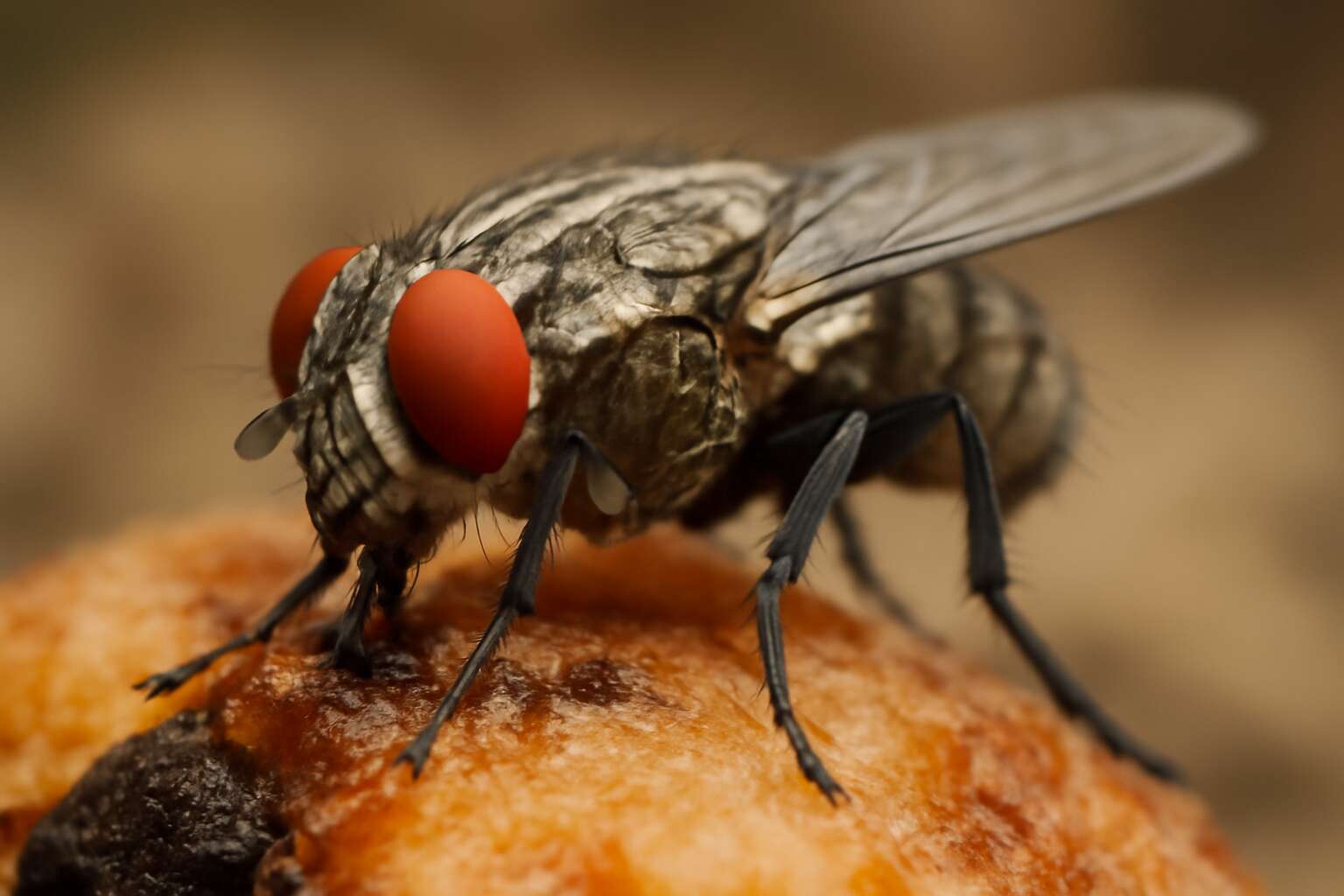
Understanding the different types of flies and their dietary habits reveals a fascinating spectrum. For instance, houseflies primarily consume decaying organic matter, making them omnivores with a preference for decomposed food. In contrast, certain blowflies have a more specialized diet, focusing on carrion and decaying flesh. Their varied diets help them occupy multiple niches in ecosystems, but it also raises questions about their role in disease transmission and environmental health.
- Houseflies (Musca domestica): omnivorous, feeding on decaying organic material and waste.
- Blowflies (Calliphoridae): tend toward carnivory, especially in larval stages, on dead tissue.
- Filter-feeding species: some flies extract nutrients from water or other liquids, broadening the spectrum of flies’ dietary options.
This diversity underscores why understanding whether flies is carnivore or omnivore is crucial—not just for entomologists but also for public health and ecological management in South Africa. Their dietary flexibility makes them resilient, but it also amplifies their potential as vectors of disease, especially in areas where waste management is a challenge.
Importance of Fly Diet in Ecosystems – Role in food chains and nutrient cycling
Flies may seem like mere nuisance insects, but their role in ecosystems is anything but trivial. They are the unsung heroes (or villains, depending on your perspective) of nutrient recycling and food chains. Surprisingly, the question of whether flies is carnivore or omnivore isn’t as straightforward as a simple yes or no. Instead, their dietary habits reveal a complex tapestry of ecological function. With their voracious appetites, flies help break down organic matter, recycling nutrients that sustain plant life and other animals. Their presence keeps the cycle of life turning smoothly, even in the most unexpected places.
Their ability to adapt to various food sources makes flies incredibly resilient and vital to ecological health. For example, houseflies primarily consume decaying organic matter, which makes them omnivores. On the other hand, blowflies lean toward carnivory during larval stages, feeding on dead flesh to fuel their rapid growth. This dietary flexibility allows flies to occupy multiple ecological niches, acting as both decomposers and predators in different stages of their life cycle. Understanding whether flies is carnivore or omnivore is crucial for grasping their environmental impact, especially in regions like South Africa where waste management challenges can turn these insects into vectors of disease.
Dietary Habits of Flies
Typical Food Sources for Flies – What flies commonly feed on
When pondering the dietary habits of flies, a common question arises: flies is carnivore or omnivore? The answer might surprise you. Flies are primarily omnivores, showcasing an impressive appetite for both plant-based and animal matter. Their culinary preferences are as varied as their buzzing personalities, ranging from rotting fruit to decaying flesh. This adaptability makes them one of nature’s most opportunistic foragers, constantly on the lookout for a quick meal.
Typical food sources for flies include a wide array of organic waste—think sludgy garbage, spoiled leftovers, and animal carcasses. Their taste buds are finely tuned to detect the faintest whiff of decaying matter, which is why you’ll often find them swarming around a neglected bin or a rotting mango. Interestingly, some species also feed on nectar and pollen, blurring the lines between strict carnivory and omnivory. This dietary flexibility ensures their survival in diverse environments, especially across South Africa’s varied ecosystems.
Feeding Behavior and Adaptations – How their mouthparts and digestive systems are designed
Flies possess a remarkable dietary flexibility that keeps them thriving across diverse environments, especially in South Africa’s vibrant ecosystems. Their feeding behavior is a fascinating blend of opportunism and specialization, making them one of nature’s most adaptable scavengers. When considering whether flies is carnivore or omnivore, the answer leans strongly toward omnivory—an eclectic diet that includes both plant and animal matter.
Their mouthparts are a masterclass in evolutionary design. Flies have sponging or cutting mouthparts, depending on the species, allowing them to lap up liquids or slice through decaying material. This anatomical feature is perfectly suited to their feeding habits, which involve consuming a variety of organic substances. Their digestive systems are equally versatile, equipped to process everything from nectar and pollen to rotting flesh and spoiled food. This adaptability is crucial for survival, especially given the unpredictable nature of their food sources.
In fact, their culinary preferences can include:
- Fermenting fruit and vegetables
- Decaying animal carcasses
- Organic waste and garbage
- Nectar and pollen from flowers
Such dietary agility underscores why flies is carnivore or omnivore is a common question—because they clearly defy simple classification. Their mouthparts and digestive systems are fine-tuned for a wide array of foods, ensuring they remain persistent scavengers and pollinators in South Africa’s complex ecosystems. The ability to switch seamlessly between different food sources is what keeps these insects buzzing—and thriving—regardless of environmental changes.
Are Flies Carnivores? An In-depth Analysis
Evidence Supporting Carnivorous Tendencies – Instances of flies preying on other insects or small animals
When pondering the dietary nature of flies, one quickly realizes that their classification isn’t as straightforward as it may seem. The question, “flies is carnivore or omnivore?” often sparks debate among entomologists and nature enthusiasts alike. Evidence increasingly points towards a complex dietary strategy that blurs traditional boundaries—flies are neither strictly carnivorous nor purely omnivorous, but rather opportunistic feeders with tendencies that can appear both ways.
For instance, many species of flies, especially the common housefly, display a remarkable ability to prey on other insects or small animals when the opportunity arises. This predatory behavior is not incidental; it’s a survival mechanism finely tuned through evolution. Certain flies, such as the robber fly, exemplify this tendency with their aggressive pursuit of other insects, showcasing their carnivorous inclinations. Conversely, many flies are more flexible, feeding on a wide array of organic matter—decaying flesh, feces, and even nectar—highlighting their omnivorous adaptability.
Instances of flies preying on other insects are well-documented, supporting the idea that their diet can lean heavily toward carnivory. Yet, their ability to consume both animal and plant-based materials underscores an omnivorous versatility, allowing them to thrive in diverse environments. This dietary fluidity not only exemplifies their survival ingenuity but also emphasizes the nuanced nature of their classification—flies is carnivore or omnivore? The answer, it seems, is a complex interplay of ecological opportunism and evolutionary adaptation that defies simple labels.
Specialized Fly Species as Carnivores – Examples such as robber flies and their predatory behavior
Within the intricate tapestry of the insect world, few questions ignite curiosity quite like, “Are flies carnivores?” It’s a debate that has puzzled entomologists and nature lovers alike for centuries. Among the most fascinating of these creatures are specialized fly species that challenge our preconceived notions of diet and predation. For instance, robber flies are renowned for their aggressive hunting tactics and predatory prowess.
Robber flies exemplify the carnivorous tendencies of some fly species. They hunt and devour other insects with remarkable precision, capturing their prey mid-flight and injecting enzymes that quickly immobilize their target. This behavior underscores their role as formidable predators within their ecosystems. Interestingly, their predatory habits are not mere opportunism; they are expert hunters with adaptations that make them efficient killers. Their powerful legs and piercing mouthparts enable them to subdue prey larger than themselves, showcasing a level of carnivore specialization rarely seen in other fly families.
However, it’s crucial to recognize that these specialized carnivorous flies are just one piece of a much larger puzzle. Many flies display a remarkable dietary flexibility that hints at their omnivorous nature. Their ability to switch between consuming decaying organic matter, nectar, and other small animals highlights an evolutionary strategy rooted in survival and ecological adaptability.
Limitations of Carnivory in Flies – Situations where flies do not display carnivorous traits
While many associate flies with scavenging on decaying matter, their dietary habits are far more complex than a simple label. The question of whether flies is carnivore or omnivore often sparks debate, especially considering the diversity within fly species. Some, like robber flies, clearly fall into the carnivore category, preying on smaller insects with impressive ferocity. However, other flies exhibit a more flexible diet, capable of consuming both plant-based and animal-derived foods.
In fact, many flies are best described as omnivores because their feeding behavior adapts to environmental availability. They might feed on nectar in the morning and switch to decaying organic matter later in the day. This dietary versatility underpins their success across various habitats. Nonetheless, their limitations become evident in specialized contexts—certain fly species lack the physical adaptations necessary for active predation, which restricts their carnivorous potential. For example, while robber flies excel as predators, many common houseflies primarily rely on liquid or semi-liquid food sources, making their classification as strictly carnivores unlikely.
Are Flies Omnivores? Exploring Their Dietary Flexibility
Diet Variability in Flies – Consumption of both animal and plant-based foods
When pondering the dietary habits of flies, it’s tempting to pigeonhole them into simple categories. But the truth is far more nuanced. Flies are undeniably adaptable creatures, and the question of whether flies is carnivore or omnivore often sparks lively debate among entomologists and casual observers alike. Recent observations reveal that many species display a remarkable dietary flexibility, thriving on both animal and plant-based foods.
While some flies, like the notorious blowflies, primarily scavenge on decaying flesh—indicating a carnivorous streak—others are more eclectic, consuming nectar, fruit, and even pollen. This omnivorous tendency allows them to exploit a variety of ecological niches, making them resilient in environments where food sources fluctuate. In fact, this dietary versatility is a key factor behind their ubiquity and survival across diverse habitats. So, when questioning if flies is carnivore or omnivore, it’s evident that the answer varies according to species, but many lean towards being omnivores, capable of consuming both animal and plant matter with equal aplomb.
Examples of Omnivorous Flies – Species that feed on nectar, decaying matter, and small insects
Flies are some of the most adaptable creatures on the planet, capable of thriving in environments where food sources can change overnight. When exploring whether flies is carnivore or omnivore, the answer becomes more intriguing than a simple label. Many species display impressive dietary flexibility, switching between animal and plant-based foods based on availability. This remarkable trait helps them flourish across diverse habitats—from bustling urban areas to remote wilderness.
Take, for example, the nectar-feeding hoverflies, which are drawn to bright flowers, yet can also consume decaying organic matter. On the other hand, certain blowflies have a preference for scavenging on carrion but will also ingest sugary liquids like fruit juices. Some flies, such as robber flies, are true predators, preying on small insects—evidence of carnivorous tendencies. But overall, when considering if flies is carnivore or omnivore, it’s clear that many lean towards being omnivores, capable of consuming both animal and plant matter with remarkable ease.
Adaptive Advantages of Omnivory – How omnivorous diets benefit fly survival and reproduction
Amidst the vibrant tapestry of South Africa’s wilderness, flies dance tirelessly between worlds, embracing an astonishing dietary versatility that defies simple categorization. When pondering whether flies is carnivore or omnivore, it becomes clear that their survival hinges on a remarkable flexibility—an ability to adapt their diet to whatever environment offers. This trait turns their existence into a constant act of ecological improvisation, making them some of the most resilient creatures on the planet.
Many species of flies exhibit an impressive range of food preferences, seamlessly shifting from plant-based nectars to decaying organic matter and even small insects. Such dietary adaptability isn’t just a quirk; it’s a strategic advantage that enhances their chances of survival and reproductive success. Their ability to exploit diverse food sources enables them to thrive in bustling urban landscapes and untouched wilderness alike. This omnivorous tendency, woven into their very biology, allows flies to flourish wherever life persists.
In the grand narrative of evolution, omnivory grants flies a vital edge—allowing them to occupy multiple ecological niches. For instance, hoverflies, often mistaken for bees, feed on nectar but can also consume decaying matter, demonstrating a flexible approach that keeps them resilient in fluctuating environments. Such dietary versatility is key to their persistence, especially when resources are scarce or unpredictable. This omnivorous nature embodies an extraordinary survival strategy, ensuring that flies remain integral players in the complex web of life.
Comparison of Flies to Other Insect Diets
Carnivorous Insects – How other insects’ diets compare
When pondering whether flies is carnivore or omnivore, a fascinating spectrum of dietary habits emerges among these ubiquitous insects. Unlike strict carnivores that feast solely on flesh, many fly species are surprisingly versatile, embracing a buffet of both animal and plant-based fare. This dietary flexibility allows them to adapt swiftly to diverse environments—making them true omnivorous marvels.
Compared to other insects classified as carnivores—such as the formidable robber flies that hunt with predatory finesse—common houseflies tend to adopt a more opportunistic approach. They scavenge decaying organic matter, which blurs the line between carnivory and omnivory. Some flies, especially those in the Muscidae family, even consume sugary nectar or fermenting fruit, showcasing their omnivorous tendencies. This dietary adaptability is a key survival strategy, enabling flies to thrive in ecosystems where food sources fluctuate unpredictably.
In essence, the question of whether flies is carnivore or omnivore isn’t a simple yes-or-no. Instead, their dietary habits reveal a complex, eclectic palate—one that’s perfectly suited for their role as environmental recyclers in South Africa’s varied landscapes. Their ability to switch between consuming small insects and sweet nectar underscores the omnivorous nature that distinguishes them from their more specialized insect cousins.
Omnivorous Insects – Similarities with other omnivorous species
When exploring whether flies is carnivore or omnivore, one finds themselves immersed in a world where dietary boundaries blur into a fascinating spectrum of survival strategies. Unlike the strict carnivores among insects—such as the relentless robber flies that hunt with predatory precision—many fly species display remarkable dietary flexibility. This adaptability allows them to thrive across diverse environments, from the lush landscapes of South Africa to arid urban corners, feeding on a mixture of animal protein and plant matter.
In the realm of omnivorous insects, flies mirror the versatile eating habits seen in species like beetles and certain wasps. They are opportunists, scavengers, and foragers—often consuming decaying organic matter, nectar, and even fermenting fruit. This eclectic palate not only enhances their survival odds but also underscores the complex role they play within ecosystems. The ability to switch between preying on small insects and sipping nectar exemplifies the omnivorous tendencies that make flies such resilient and adaptable creatures.
Unique Features of Flies’ Diets – Distinct adaptations that set flies apart
Amidst the intricate web of life, flies emerge as enigmatic survivors—masters of adaptation whose diets blur the lines between carnivory and omnivory. When exploring whether flies is carnivore or omnivore, one uncovers a creature that defies simplistic categorization. Unlike their strictly predatory cousins, such as robber flies, many species exhibit a remarkable dietary flexibility that allows them to thrive in diverse South African habitats. This versatility is not merely a quirk but a strategic advantage in a world where food sources fluctuate unpredictably.
What truly sets flies apart is their unique set of adaptations that facilitate their omnivorous tendencies. Their mouthparts, for example, are delicately designed to accommodate a variety of food sources—from piercing and sucking on decaying organic matter to lapping up nectar with their sponging mouthparts. This morphological ingenuity underpins their ability to consume both animal and plant-based foods, making them quintessential opportunists.
- Opportunistic scavengers feeding on fermenting fruit, decaying flesh, and other organic debris.
- Nectar feeders that visit flowers, forming a crucial link in pollination networks.
- Small insect predators that occasionally prey on tiny invertebrates, showcasing their carnivorous edge.
This blend of dietary habits reveals an adaptive edge—an evolutionary trait that enhances their survival and reproductive success. Flies is carnivore or omnivore? The answer lies in their ability to switch seamlessly between these roles, crafting a life strategy rooted in versatility and resilience. Their capacity to exploit an array of food sources exemplifies the complex ecological niche they occupy, setting them apart from more specialized insects and enriching the tapestry of their ecosystems in South Africa and beyond.
Environmental Factors Influencing Fly Diets
Availability of Food Sources – Impact on dietary choices
Environmental factors play a crucial role in shaping what flies is carnivore or omnivore. In regions like South Africa, where diverse ecosystems thrive, the availability of food sources directly influences fly diets. Flies that encounter abundant decaying matter or plant nectar tend to adapt to omnivorous behavior, consuming both organic debris and small insects. Conversely, in habitats with limited food diversity, some species may lean more towards carnivory, preying on other insects for survival.
Food availability is often dictated by seasonal changes, climate, and habitat type. For example, in urban areas, flies have easy access to sugary substances and organic waste, encouraging omnivorous tendencies. In contrast, certain fly species have evolved specialized predatory behaviors, such as robber flies, which are true carnivores hunting other insects. The ecological niche a fly occupies thus influences whether it is more likely to be carnivore or omnivore, highlighting the adaptability of flies in various environments.
Habitat Influence – Urban vs. rural and their effects on fly feeding habits
Environmental factors exert a profound influence on whether flies is carnivore or omnivore, especially in diverse regions like South Africa. Urban environments, teeming with organic waste and sugary substances, tend to foster omnivorous feeding habits among flies. These areas provide easy access to a variety of food sources, from decaying fruit to spilled soda, encouraging flies to diversify their diets.
In contrast, rural and wilderness habitats often present a different picture. Limited food diversity can push certain fly species toward more specialized predatory behaviors, making them lean more towards carnivory. For example, some flies may prey on small insects or larvae when plant-based resources are scarce. The ecological niche a fly occupies, shaped by habitat and food availability, ultimately determines whether flies is carnivore or omnivore.
Interestingly, some species like robber flies exemplify true carnivory, actively hunting other insects, while others display remarkable dietary flexibility. This adaptability underscores the intricate balance flies maintain in various environments, highlighting their evolutionary prowess in navigating food scarcity and abundance alike.
Seasonal Variations – Changes in diet across different seasons
Seasonal shifts dramatically influence the dietary habits of flies, especially in regions like South Africa where climate variability is pronounced. During the warmer, wetter months, flies tend to expand their menus, feasting on a diverse array of food sources such as decaying organic matter, nectar, and small insects. In contrast, cooler seasons often limit food availability, prompting some fly species to adapt by becoming more opportunistic or even leaning toward carnivorous tendencies. This seasonal fluctuation underscores the flexibility of flies is carnivore or omnivore, as they adjust their diets to environmental conditions.
In fact, the presence of certain food items varies with the seasons:
- Decaying fruit and organic waste become more abundant in summer, encouraging omnivorous feeding behaviors.
- In winter, limited plant-based resources may push flies towards preying on tiny invertebrates or larvae, highlighting a shift toward carnivory.
This seasonal adaptability not only demonstrates their remarkable dietary versatility but also emphasizes why flies are some of the most resilient and resourceful insects in South Africa’s diverse ecosystems. Their ability to toggle between carnivorous and omnivorous diets ensures survival, even amidst fluctuating environmental conditions, making the question of whether flies is carnivore or omnivore an intriguing reflection of their evolutionary ingenuity.
Implications of Fly Diets in Human Contexts
Role in Disease Transmission – How diet influences their role as vectors
The role of flies as vectors in human disease transmission cannot be overstated. Their diet directly influences their capacity to carry and spread pathogens. Flies that consume decaying organic matter or animal waste are more likely to harbor harmful bacteria, making their dietary habits crucial in understanding their impact on public health.
Dietary flexibility in flies, especially those that are omnivorous, allows them to thrive in diverse environments. This adaptability means they can pick up pathogens from a variety of sources, such as spoiled food, animal carcasses, or even human waste. Their omnivorous nature often makes them more effective vectors compared to strictly carnivorous or herbivorous insects.
Interestingly, the question of whether flies is carnivore or omnivore has significant implications. Omnivorous flies, for example, can feed on both plant-based substances like nectar and animal-based materials such as rotting flesh. This dietary versatility not only boosts their survival prospects but also enhances their role as disease carriers.
Fly Control and Management – Strategies considering dietary habits
The dietary habits of flies hold more significance than many realise, especially when considering their role in disease transmission. The question of whether flies is carnivore or omnivore is not just academic—it’s a crucial factor in understanding how they spread pathogens. Omnivorous flies, capable of feeding on both plant-based substances like nectar and animal-based materials such as rotting flesh, are particularly adept at thriving in diverse environments. Their flexible diet allows them to pick up a variety of harmful bacteria from contaminated sources, making their role as vectors even more potent.
In urban and rural settings alike, flies’ omnivorous nature influences control strategies. Effective fly management must consider their dietary habits, as omnivores often frequent multiple food sources—rubbish, animal waste, and decaying organic matter—facilitating pathogen spread. Therefore, reducing available food sources and eliminating breeding sites becomes paramount in controlling their population. Understanding whether flies is carnivore or omnivore helps shape targeted interventions, ultimately safeguarding public health from these persistent pests.
Eco-friendly Pest Control – Using knowledge of diet to reduce fly populations
In the intricate web of life, understanding what sustains the humble fly reveals much about its role in ecosystems—and, importantly, its capacity to spread disease. Recent studies illuminate that flies is carnivore or omnivore, a question that resonates deeply within pest control and public health spheres alike. Their dietary flexibility is not merely a survival trait but a strategic advantage that fuels their proliferation across diverse environments.
Most notably, flies is omnivore, feasting on a variegated menu that includes nectar, decaying organic matter, and even small insects. This dietary promiscuity enables them to thrive where others might falter, making them formidable vectors of pathogens. Their ability to traverse from rotten flesh to sugary substances, or to scavenge on animal waste, underscores their adaptability. This omnivorous nature acts as an ecological bridge, facilitating the transfer of bacteria and viruses from contaminated sources directly to human habitats.
Recognizing that flies is carnivore or omnivore informs eco-friendly pest control strategies. By reducing access to their diverse food sources—such as trash, animal waste, and decaying matter—communities can effectively diminish their population. The implementation of natural barriers and habitat modification becomes a poetic dance of intervention, curbing their omnivorous appetites before they can continue their silent, disease-spreading journey.
FAQs About Flies’ Diets
Are all flies carnivorous? – Clarifying common misconceptions
When pondering whether flies is carnivore or omnivore, the answer isn’t as straightforward as you might imagine. Many folks assume that flies are strictly bloodsuckers or scavengers, but the reality is far more nuanced. In fact, some flies exhibit a surprising flexibility in their diets, blurring the line between carnivorous and omnivorous tendencies. It’s no secret that flies play a vital role in South African ecosystems, acting as both decomposers and occasional predators. So, are they just scavengers, or do they have a predatory side?
Most common house flies primarily feed on decaying organic matter—think rotting fruit, animal feces, and other decomposing substances. Still, evidence suggests that certain fly species, like robber flies, are bona fide carnivores, preying on other insects with surgical precision. Here’s where it gets interesting: many flies are actually omnivorous, consuming a combination of plant-based liquids like nectar and animal-derived proteins. This dietary versatility provides a significant adaptive advantage, allowing flies to thrive across varied habitats—from urban environments to rural farmlands.
- Some flies can switch between feeding on decaying matter and hunting small insects, exemplifying their omnivorous nature.
- This dietary flexibility helps them survive seasonal changes and habitat shifts, giving them a survival edge.
In the grand scheme of insect diets, flies are a fascinating study in adaptability. Their ability to toggle between carnivore and omnivore roles underscores their ecological importance—and explains why they remain such resilient survivors in diverse environments across South Africa.
Can flies survive solely on plant-based foods? – Examining dietary limits
When pondering whether flies are carnivore or omnivore, a surprising depth of dietary complexity emerges. Contrary to the common assumption that these buzzing nuisances are strictly scavengers or bloodsuckers, some flies exhibit a remarkable ability to adapt their diet based on availability. The question of whether flies can survive solely on plant-based foods is particularly intriguing—can these insects thrive on nectar or decaying fruit alone, or do they need to hunt for small prey to survive?
While many house flies primarily feast on decaying organic matter, certain species like hoverflies are known to indulge in nectar, showcasing their omnivorous tendencies. Interestingly, some flies, such as robber flies, are bona fide carnivores, preying on other insects with precision. This dietary flexibility is not just a quirky trait; it’s a survival mechanism that allows flies to navigate fluctuating food sources across South African environments, from urban hubs to rural farmlands.
In essence, flies is carnivore or omnivore? The answer leans heavily toward omnivory. Their ability to switch between plant-based liquids and animal proteins is a testament to their adaptability—making them one of the most resilient creatures in the insect kingdom. So, yes, many flies can survive solely on plant-based foods, but their true strength lies in their omnivorous appetites, which help them thrive regardless of environmental constraints.
What do fly larvae eat? – Insights into developmental stages
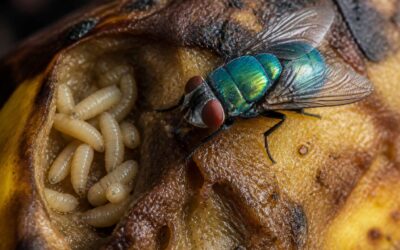
Understanding what flies eat offers a fascinating glimpse into their survival strategies and ecological roles. Interestingly, the question of whether flies is carnivore or omnivore often sparks debate, but the truth reveals a remarkable dietary flexibility. Fly larvae, for example, are primarily detritivores, feeding on decaying organic matter, which provides essential nutrients during their early developmental stages. However, as they mature, many species shift their dietary habits.
Some flies, especially those in the family Calliphoridae, devour decaying flesh and organic waste, aligning with their scavenger nature. Conversely, hoverflies are known to indulge in nectar, showcasing their omnivorous tendencies. This duality underscores their adaptability—enabling them to exploit diverse food sources across South African habitats ranging from urban streets to rural farmlands. The ability of fly larvae to consume a variety of foods, including processed plant matter or small insects, highlights the nuanced spectrum of their diets.
In essence, the question of whether flies is carnivore or omnivore isn’t simply black and white. While some species lean more toward carnivory, many are true omnivores, thriving on both plant-based liquids and animal matter. This dietary versatility ensures their resilience amid environmental fluctuations, making them one of the most adaptable insects on the planet. Their survival hinges on this capacity to exploit a broad array of food sources, which is especially vital in the resource-scarce landscapes of South Africa.


0 Comments