Understanding Venus Fly Traps
The Origin and Habitat of Venus Fly Traps
Few botanical marvels capture the imagination quite like the Venus flytrap, a creature of both ferocity and finesse. Originating from the mysterious bogs of North and South Carolina, this carnivorous plant has evolved a remarkable method to satisfy its nutritional needs in nutrient-poor soils. Understanding **how do Venus fly traps eat** reveals a delicate dance of sensory perception and swift action that sets it apart from ordinary greenery.
These fascinating plants thrive in habitats that are often described as hauntingly beautiful—swampy, acidic, and teeming with insect life. The native environment provides the perfect backdrop for the Venus flytrap’s predatory instincts to flourish. Their unique trapping mechanism is finely tuned to detect and respond to the slightest disturbances, showcasing an evolutionary masterpiece that has captivated botanists and enthusiasts alike.
In essence, the Venus flytrap’s feeding process involves a series of highly specialized steps:
- Attracting prey with enticing leaf hair triggers
- Rapidly snapping shut when the prey makes contact with multiple hairs
- Secreting digestive enzymes to break down the captured insect
- Absorbing essential nutrients, especially nitrogen and phosphorus
Physical Characteristics and Structure
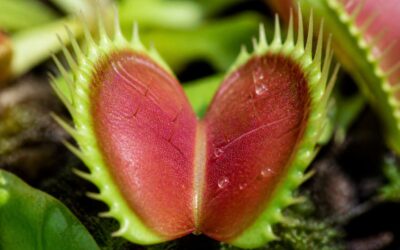
The Venus flytrap’s physical design is nothing short of extraordinary, perfectly engineered for its predatory lifestyle. Its trap consists of two hinged lobes at the end of each leaf, lined with hair-like projections called trichomes. These tiny sensors are crucial, as they detect the presence of unsuspecting prey—primarily insects and other small invertebrates. The vibrant red coloration inside the trap acts as a visual lure, enticing insects to venture closer.
When considering how do Venus fly traps eat, understanding their structure is vital. The trap’s exterior is made of tough, succulent tissue that can withstand the force of rapid closure. Inside, the lobes contain glandular cells that secrete digestive enzymes, a process that transforms the once-living insect into a nutrient-rich soup. The trap’s mechanism is so finely tuned that it responds only when the prey contacts at least two hairs within a short span—ensuring that accidental triggers don’t waste the plant’s energy.
- The sensory hairs detect movement and contact from potential prey.
- Triggered by a double contact within 20 seconds, the lobes snap shut with astonishing speed—often in less than a second.
- Once closed, the trap secretes digestive enzymes to break down the insect’s soft tissues.
- Absorption of vital nutrients, especially nitrogen and phosphorus, occurs as the enzymes do their work.
This intricate physical structure, combined with its rapid response system, highlights how do Venus fly traps eat—an elegant interplay of form and function that continues to fascinate botanists and nature lovers worldwide.
Unique Features of the Trap Mechanism
Venus flytraps possess a remarkable hunting mechanism that rivals nature’s most intricate engineering. When asking how do Venus fly traps eat, it’s essential to understand their sophisticated trap mechanism, which combines sensory precision with rapid response. These plants have evolved to trap insects with almost supernatural speed, making each capture an awe-inspiring spectacle.
The trap’s hinged lobes are lined with hair-like trichomes that act as tiny alarm sensors. When an unsuspecting insect brushes against these hairs twice within 20 seconds, it triggers a rapid, almost explosive closure. This double contact system ensures that the plant conserves energy by only snapping shut when prey is truly present. The speed of closure can reach less than a second, sealing the insect inside with a snap that sounds almost otherworldly.
Once trapped, the real magic begins. The lobes secrete digestive enzymes, transforming the insect into a nutrient-rich broth. This process is vital, especially in nutrient-poor soils where these plants thrive. The digestion process involves:
- Secretion of enzymes by glandular cells inside the trap
- Breakdown of soft tissues of the prey
- Absorption of essential nutrients like nitrogen and phosphorus
This intricate interplay of structure and function illustrates precisely how do Venus fly traps eat—an extraordinary dance of biology that continues to captivate scientists and enthusiasts alike. It’s a testament to nature’s ingenuity, blending elegance with efficiency in one tiny, deadly package.
How Do Venus Fly Traps Capture Their Prey
Trigger Hairs and Their Role
Venus fly traps are nature’s most captivating little carnivores, and their method of eating is nothing short of a botanical magic show. When a curious insect ventures too close, the plant’s trigger hairs—tiny, sensitive hairs nestled inside each trap—spring into action. These hairs act like a high-tech alarm system, alerting the plant that a meal is nearby. So, how do Venus fly traps eat? The secret lies in these trigger hairs, which must be stimulated twice within about 20 seconds to prevent false alarms, like a botanical version of “Are you sure?”
Once triggered, the trap snaps shut with astonishing speed—faster than the blink of an eye—ensuring the prey is caught before it can escape. This rapid closure is a marvel of natural engineering, involving a combination of hydraulic pressure and tiny hairs that sense movement. After the trap seals, the Venus fly trap secretes digestive enzymes that break down the insect, extracting essential nutrients like nitrogen and phosphorus. It’s a fascinating dance of detection, capture, and digestion, all driven by those sneaky trigger hairs that make the plant a formidable predator in its native habitat.
The Rapid Closure Mechanism
In the silent theater of nature’s marvels, the Venus fly trap stands as a testament to evolutionary ingenuity. The question of how do venus fly traps eat remains one of the most captivating enigmas of botanical adaptation. When an unwitting insect ventures into its domain, the trap’s rapid closure becomes a mesmerizing display of biological precision. This mechanism is not merely a feat of speed but a sophisticated interplay of sensory triggers and hydraulic forces.
Triggered by the delicate hairs nestled inside the trap, the plant’s response is both calculated and swift. Once these hairs are stimulated twice within a brief window, the trap snaps shut, sealing its prey with startling velocity. The closure involves a rapid change in turgor pressure—an intricate hydraulic dance—that causes the lobes to fold together with astonishing speed. This rapid closure is essential; it ensures the prey cannot escape and begins the next phase of digestion.
Within milliseconds, the trap’s edges seal tightly, creating an environment for enzymatic breakdown. The Venus fly trap then secretes digestive enzymes—meticulous agents of decomposition—that dissolve the insect’s exoskeleton, liberating vital nutrients such as nitrogen and phosphorus. To understand how do venus fly traps eat is to witness a masterclass in natural engineering, where sensory precision meets biochemical prowess, transforming a simple plant into a deadly predator.
Timing and Movement Speed
The magic of how do venus fly traps eat hinges on their astonishing timing and movement speed—nature’s perfect blend of precision and rapid response. When an unsuspecting insect ventures too close, the trap doesn’t just snap shut randomly. Instead, it employs a highly tuned mechanism that ensures success. The entire process takes place in a fraction of a second, making it one of the fastest movements in the plant kingdom.
Within milliseconds, the trap’s lobes fold together with a sudden burst of hydraulic energy, sealing off the prey from escape. This swift action is triggered by tiny sensory hairs inside the trap—if these hairs are stimulated twice within about 20 seconds, the closure is initiated. This double-touch safeguard prevents false alarms from debris or non-nutritious movement, showcasing a sophisticated level of environmental awareness. The speed of closure is vital; it ensures the insect is trapped before it can react or escape, setting the stage for digestion.
- The trap’s rapid closure is driven by changes in turgor pressure, a hydraulic force caused by ion movement within plant cells.
- Once sealed, the trap begins secreting digestive enzymes, breaking down the insect’s exoskeleton and releasing valuable nutrients.
Understanding how do venus fly traps eat offers a glimpse into a marvel of evolutionary engineering—where speed, sensitivity, and biochemical prowess unite in a dance of survival and sustenance. This incredible timing isn’t just about quick reflexes; it’s an intricate biological ballet that transforms an ordinary plant into a deadly predator of the insect world.
The Process of Digestion in Venus Fly Traps
Sealing the Trap and Preventing Prey Escape
The process of digestion in Venus fly traps is nothing short of a botanical marvel, a symphony of biological precision that transforms prey into sustenance. Once the trap seals shut, a tiny, secret world begins to unfold inside. Enzymes are released to break down the insect’s soft tissues, slowly converting it into a nutrient-rich broth that nourishes the plant. This gradual digestion can take up to ten days, depending on the size of the prey and environmental conditions, making every capture a carefully orchestrated event.
Sealing the trap is crucial to prevent prey escape and ensure the digestion process remains uninterrupted. When the trap closes, it forms a tight, airtight chamber that traps the insect securely. The plant’s lobes then form a seal, preventing any chance of escape and creating a controlled environment for enzymatic activity. This sealing mechanism is so effective that even if the prey struggles, it cannot free itself, giving the Venus fly trap ample time to convert its catch into vital nutrients.
Secretion of Digestive Enzymes
Once the Venus fly trap has successfully ensnared its prey, a captivating transformation begins within the confines of its sealed trap. The plant’s specialized glands start secreting digestive enzymes—a process that is both biological marvel and delicate dance of nature. These enzymes are the key to unraveling the insect’s soft tissues, breaking down complex proteins into simpler, absorbable nutrients. It’s as if the plant turns the prey into a rich broth of life-giving sustenance, meticulously crafted inside a tiny, airtight chamber.
This intricate process can span up to ten days, depending on factors like prey size and environmental conditions. During this time, the Venus fly trap patiently and relentlessly continues its work. To enhance efficiency, the plant’s digestive system often employs a sequence of enzymes, including proteases and other specialized compounds, ensuring a thorough breakdown of the prey’s body. So, when pondering how do Venus fly traps eat, it’s truly a spectacle of biological artistry—transforming capture into nourishment through a finely tuned enzymatic symphony.
Absorption of Nutrients
Once the Venus fly trap has sealed its prey, the real work begins inside the tiny, airtight chamber. The plant’s digestive system is a marvel of natural engineering, designed specifically to extract nutrients from insects. This process involves the secretion of powerful digestive enzymes that break down soft tissues, making nutrients available for absorption. Unlike most plants, the Venus fly trap relies on this specialized method to survive in nutrient-poor soils.
During digestion, the plant’s glands produce an array of enzymes, including proteases, which target proteins in the prey. These enzymes work diligently over several days—sometimes up to ten—ensuring that every bit of nutritional value is recovered. The absorbed nutrients primarily consist of nitrogen and other minerals essential for the plant’s growth, which are then transported to the plant’s tissues through tiny vascular channels.
To understand how do Venus fly traps eat, it’s helpful to see the process in steps:
- The trap remains closed, maintaining a sealed environment.
- Digestive enzymes are secreted to break down the prey’s tissues.
- Absorption of nutrients occurs through specialized glands lining the trap.
- The trap gradually reopens, leaving behind indigestible parts like exoskeletons.
This intricate digestion process highlights the plant’s remarkable adaptation to thrive in challenging environments. The absorption of nutrients from prey isn’t just about survival; it’s a testament to the resilience and ingenuity of nature’s design, raising questions about how do Venus fly traps eat in the wild and their ongoing evolutionary dance for sustenance.
Duration of Digestion
The process of digestion in Venus fly traps is nothing short of miraculous—a testament to nature’s ingenuity. Once the prey is securely sealed within the trap, the plant embarks on its secretive, slow-burning ritual of nourishment. Unlike conventional plants that rely solely on photosynthesis, these botanical predators have evolved a sophisticated system to extract vital nutrients from insects, especially in their nutrient-deprived habitats.
During digestion, the Venus fly trap’s glands secrete a complex array of enzymes, including proteases, which break down proteins and other soft tissues of the prey. This enzymatic activity can last for several days, sometimes up to ten, as the plant carefully absorbs every trace of nourishment. To facilitate this, the digestive process involves a series of well-orchestrated steps:
- The trap remains closed, creating an airtight chamber.
- Digestive enzymes are secreted, dissolving the prey’s tissues.
- Absorption occurs through specialized glands lining the interior of the trap.
It’s a slow, deliberate process that highlights just how finely tuned these plants are to their environment. The duration of digestion in Venus fly traps varies depending on factors such as prey size and environmental conditions, but it generally spans several days. Once nutrients are absorbed, the trap gradually reopens, revealing the indigestible exoskeletons of insects, ready for the next meal. This process exemplifies the extraordinary adaptations that allow Venus fly traps to thrive where other plants falter, making us wonder—how do Venus fly traps eat in the wild with such precision and patience? The answer lies in their remarkable ability to turn insect prey into vital sustenance, a true marvel of natural engineering.”
Implications of the Carnivorous Diet for Venus Fly Traps
Nutritional Benefits
Venus fly traps are nature’s most captivating predators, demonstrating an astonishing adaptation that sustains their survival in nutrient-poor soils. Their carnivorous diet isn’t merely a quirk of evolution; it’s a vital strategy to access essential nutrients, particularly nitrogen and phosphorus. When contemplating how do venus fly traps eat, one must appreciate the delicate balance between beauty and brutality—these plants lure prey with vibrant red hues and nectar, then swiftly entrap them in their snap traps.
This unique method of nourishment offers significant nutritional benefits. By digesting insects, Venus fly traps effectively supplement their diet beyond what the soil can provide. This carnivorous approach ensures they thrive in environments where other plants might falter. The digestion process is a marvel of natural engineering—enzymes break down the prey, releasing vital nutrients. Interestingly, the plant’s ability to adapt its feeding habits underscores a broader narrative of resilience and ingenuity in the natural world.
Growth and Reproduction
The carnivorous diet of Venus fly traps isn’t just a quirky trait; it has profound implications for their growth and reproductive success. When considering how do venus fly traps eat, it’s clear that their ability to digest insects directly influences their vitality and longevity. Nutrients like nitrogen and phosphorus—scarce in their natural habitat—are vital for robust development and flowering. Without this dietary boost, their growth would be stunted, and reproductive cycles hampered.
In fact, a well-fed Venus fly trap can produce more vibrant traps and healthier flower stalks. Their ability to adapt their feeding habits—whether catching flies or supplementing with nutrient-rich organic matter—ensures they remain resilient in nutrient-poor soils. This carnivorous strategy amplifies their reproductive success, allowing them to produce viable seeds and propagate across challenging terrains.
Understanding how do venus fly traps eat reveals that their carnivorous diet isn’t just survival—it’s a finely tuned evolutionary masterpiece. The nutrients absorbed from their prey serve as the backbone for vigorous growth and reproductive prowess, making these plants not only captivating but also resilient and thriving in the wild.
Adaptations to Nutrient-Poor Soils
In the wild, Venus fly traps have mastered the art of survival in nutrient-poor soils, turning a seeming disadvantage into a carnivorous superpower. Their ability to eat insects isn’t just a quirky trait; it’s a vital adaptation that allows them to thrive where other plants struggle. When asked, “how do Venus fly traps eat,” the answer reveals a fascinating interplay of evolved features designed for a nutrient-deficient environment.
Their specialized traps act as tiny, high-stakes battlegrounds for catching prey. Once an insect brushes against trigger hairs, the trap snaps shut with lightning speed. But it’s not just about catching food; it’s about extracting maximum nutrients from their prey. The digestion process is a carefully orchestrated affair, with enzymes breaking down the insect’s body and releasing essential nutrients like nitrogen and phosphorus—elements that are simply scarce in their natural habitat.
This nutrient boost directly influences their ability to grow vigorously and produce vibrant traps and healthy flower stalks. In fact, the carnivorous diet grants Venus fly traps a crucial advantage in nutrient-poor soils, enabling them to flourish where other plants falter. Their adaptations—such as secrete enzymes and rapid trap closure—are a testament to evolutionary ingenuity, turning insects into a vital nutritional resource. When considering how do Venus fly traps eat, it’s clear that their survival hinges on this finely tuned carnivorous strategy, ensuring resilience and reproductive success in the most challenging terrains.
Common Prey for Venus Fly Traps
Insects and Arachnids
Venus fly traps have a knack for turning a simple insect snack into a mesmerizing display of botanical ingenuity. When considering how do venus fly traps eat, it’s fascinating to realize that these carnivorous plants primarily target insects and arachnids—nature’s little daredevils that willingly venture into their snare. These prey include ants, beetles, spiders, and even tiny grasshoppers, all of which are drawn by the trap’s bright coloration and alluring nectar. Once an unsuspecting critter triggers the sensitive hairs inside the trap, the closing mechanism kicks into gear faster than you can say “arachnid ambush.”
To maximize their nutritional intake, Venus fly traps often rely on a variety of prey, which can be categorized as:
- Insects like flies, ants, and midges
- Small spiders and other arachnids
Understanding what types of prey these plants target sheds light on how do venus fly traps eat in their natural habitat—an intricate dance of deception and rapid response that keeps them thriving in nutrient-poor soils. Their dietary choices are precisely tuned to ensure survival, turning these botanical predators into fascinating examples of adaptation in the plant kingdom.
Size and Types of Prey
Within the shadowed corners of their native South African swamps, Venus fly traps orchestrate a silent ballet of predation, their form both eerie and mesmerizing. To understand how do venus fly traps eat is to delve into a world where botanical cunning rivals the most sinister predators of the animal kingdom. Their prey, primarily insects and arachnids, are drawn to the trap’s vivid hues and sweet nectar—an irresistible lure that beckons the unsuspecting to their doom.
Typically, these carnivorous marvels target an array of small creatures, each a willing participant in their deadly dance. The common prey for Venus fly traps include:
- Flys, midges, and ants—tiny invaders caught in a web of deception
- Small spiders and other arachnids that wander too close to the trap’s deadly embrace
The size and type of prey are crucial for the plant’s survival, especially in nutrient-poor soils where every meal must count. The trap’s design ensures that even the most diminutive of victims—those that venture into their trap—are swiftly captured, their fate sealed by the plant’s rapid closure mechanism. This macabre equilibrium of attraction and execution highlights the intricate evolutionary mastery of how do venus fly traps eat in the wild, turning each small insect into sustenance with deadly precision.
Prey Detection and Selection
In their relentless pursuit of sustenance, Venus fly traps have evolved an insidious method of prey detection and selection that borders on the poetic. Their prey—primarily insects and arachnids—are drawn by the plant’s vivid hues and alluring nectar, acting as a hypnotic call to the unsuspecting. But how do Venus fly traps eat? The answer lies in a finely tuned system of sensory hairs and chemical signals that distinguish genuine prey from false alarms.
When a potential meal brushes against the trap’s trigger hairs, it initiates a rapid response that is both precise and deliberate. The plant’s ability to differentiate between a leaf’s false disturbance and a true prey contact ensures energy is conserved, preventing unnecessary closure. This selectivity is vital in nutrient-poor environments where every meal must be maximized. The trap’s design—an elegant fusion of biology and cunning—serves as a silent predator, capturing prey with swift, calculated movements.
Understanding how do Venus fly traps eat reveals a complex ballet of sensory detection and mechanical precision. It’s a delicate dance where the plant’s survival hinges on its ability to identify and secure the right prey, ensuring its continued existence amidst the harsh realities of its habitat.
Factors Influencing the Feeding Process
Environmental Conditions
The environment in which a Venus flytrap resides wields an almost sinister influence over how do venus fly traps eat. These carnivorous marvels have evolved to thrive in nutrient-deprived soils, where the typical gifts of nature—rich minerals and organic matter—are scarce. In such austere conditions, their ability to capture and digest insects becomes a vital lifeline, transforming each meal into a symphony of biological ingenuity.
Environmental factors such as humidity, temperature, and light dramatically shape the feeding process. A humid subtropical climate, common in regions of South Africa, amplifies the trap’s efficiency by keeping the trap tissues supple and responsive. Conversely, lower temperatures slow down the enzyme secretion necessary for digestion, rendering the feeding process sluggish and less effective. The trap’s sensitivity to environmental cues is so finely tuned that even subtle changes can determine whether a prey is successfully captured or escapes into the shadows.
- High humidity enhances trap responsiveness
- Optimal light levels trigger prey detection
- Temperature variations influence digestion speed
Trap Maintenance and Health
The health of a Venus flytrap hinges on more than just its insatiable appetite; it depends on meticulous trap maintenance and environmental harmony. A well-maintained trap remains responsive, ensuring the plant’s survival in nutrient-deficient soils. Neglect, such as overwatering or exposure to harsh sunlight, can cause the trap tissues to rot or become sluggish, impairing its ability to execute its fascinating feeding ritual.
To keep these botanical predators at their sharpest, enthusiasts often ensure that the trap’s environment mimics their native habitat—humid, bright, yet temperate. Proper care involves avoiding mineral-rich water, which can cause mineral buildup and damage the trap’s delicate tissues. Instead, distilled or rainwater provides the ideal nourishing bath for the plant’s survival and effective functioning.
For optimal health, consider these essential factors:
- Maintaining high humidity levels to keep trap tissues supple
- Providing ample sunlight to enhance prey detection
- Monitoring temperature to prevent sluggish digestion
When these conditions are met, the question of how do venus fly traps eat becomes a captivating display of evolutionary prowess—each trap acting as a tiny, biological marvel, perfectly tuned to their environment, ready to seize the next unsuspecting insect in a dance of survival and ingenuity.
Frequency of Feeding
The feeding rhythm of a Venus flytrap is a delicate ballet, dictated by both its environment and its innate instincts. Unlike many plants that rely solely on photosynthesis, the Venus flytrap has evolved a strategic approach—its ability to determine when and how do Venus fly traps eat hinges on precise cues and conditions. The frequency of feeding is not arbitrary but is influenced by factors such as prey availability, trap vitality, and environmental stability.
In the wild, these botanical predators typically catch insects several times a week, depending on the abundance of prey. Overfeeding can jeopardize their health, leading to sluggish trap responses or tissue damage. Conversely, infrequent feeding might result in weakened growth, especially in nutrient-poor soils. To optimize their natural hunting cycle, it is essential to understand the nuances of prey detection and trap readiness. For instance, the plant’s trigger hairs must be stimulated adequately—often twice within a brief window—to activate the rapid closure mechanism. This ensures that each feeding event is deliberate and energetically efficient.
- The size and activity level of potential prey
- Environmental conditions like humidity and temperature
- The overall health and responsiveness of the trap
When these elements align, the question of how do Venus fly traps eat transforms into a mesmerizing dance of evolution, where each trap functions as an intricate biological unit, finely tuned to its surroundings—ready to seize the next unwary insect in a testament to nature’s ingenuity.
Interesting Facts and Myths About Venus Fly Traps
Myths Versus Reality
There’s an undeniable allure to the Venus fly trap’s predatory prowess—an intricate dance of nature’s ingenuity. Despite their reputation as fierce insect assassins, many myths surround how do Venus fly traps eat, fueling curiosity and misconceptions alike. Some believe these plants consume large prey, like small vertebrates, but in reality, their diet is far more specialized.
Contrary to popular myth, Venus fly traps primarily feed on tiny insects and arachnids, not larger animals. Their trap mechanism is finely tuned to detect prey through trigger hairs—delicate sensors that initiate rapid closure. When an unsuspecting insect brushes against these hairs twice within about 20 seconds, the trap snaps shut in a flash, trapping their tiny victim with surgical precision. This rapid movement, often mistaken for a mechanical stunt, is a marvel of natural engineering that highlights how do Venus fly traps eat in a way that’s both efficient and targeted.
Many misconceptions suggest that the plant can eat multiple prey at once or that it can digest larger creatures. However, a single trap typically handles one insect at a time, secreting digestive enzymes to break down the prey’s soft tissues. This process can take several days, during which the plant absorbs vital nutrients—especially nitrogen and phosphorus—that are scarce in its native South African habitat. The myth that Venus fly traps are voracious predators is just that; they are highly specialized, strategic feeders that thrive on a diet of tiny, nutrient-poor prey, allowing them to survive in environments where other plants might struggle.
Unique Prey Items
Venus fly traps are often shrouded in mystery, their predatory prowess captivating enthusiasts worldwide. One intriguing aspect is how do venus fly traps eat, revealing a precision that rivals advanced machinery. Unlike mythic monsters, these plants target a surprisingly narrow range of prey—tiny insects and arachnids—each chosen with strategic finesse.
What makes their prey selection even more fascinating is the trap’s ability to distinguish between potential meals and false alarms. The trap’s trigger hairs act as delicate sensors, ensuring that it only closes when prey is genuinely present. This remarkable mechanism prevents unnecessary energy expenditure, highlighting the plant’s efficiency. Interestingly, despite their reputation, Venus fly traps rarely handle more than one insect at a time, sealing their prey with a quick snap and beginning a slow, methodical digestion process.
- Small flies
- Ants
- Spiders
These tiny prey items are rich in nutrients vital for the plant’s survival in nutrient-poor South African soils. Their diet, though limited in size, is crucial for the plant’s growth. When an insect brushes against the trigger hairs twice within about 20 seconds, the trap springs shut—an action so rapid that it appears almost mechanical. The digesting enzymes then break down the prey’s soft tissues over several days, allowing the Venus fly trap to absorb essential nutrients like nitrogen and phosphorus. This captivating process underscores how do venus fly traps eat in a way that’s both highly specialized and astonishingly efficient.
Surprising Adaptations
Venus fly traps are often misunderstood, but their eating process is a marvel of natural engineering. They don’t just snap shut randomly; their adaptations are tailored for efficiency and survival in nutrient-poor soils. One fascinating fact is that each trap can only handle one meal at a time, making every capture critical for the plant’s health.
What truly sets them apart is how they distinguish between real prey and false alarms. The trigger hairs act as sensitive sensors, requiring two touches within 20 seconds to activate the trap. This prevents unnecessary energy expenditure on non-nutritive objects. Once closed, the trap begins a slow digestion that can last several days, breaking down insects like small flies, ants, or spiders. These tiny prey items provide essential nutrients like nitrogen and phosphorus, vital for the plant’s growth.
Interestingly, the trap’s mechanism is so precise that it’s often compared to machinery. Its rapid closure—within a fraction of a second—is nothing short of astonishing. This quick action, combined with the secretion of digestive enzymes, exemplifies how do venus fly traps eat in an incredibly specialized way. Their unique adaptations ensure they thrive in environments where nutrients are scarce, making their predatory behavior a true marvel of nature.


0 Comments