Understanding Fly Reproduction
Overview of Fly Lifecycle – Stages from egg to adult fly
Understanding how flies reproduce is crucial to controlling their rapid population growth. Flies have a surprisingly swift lifecycle, with some species completing their entire development in less than a week. This quick turnaround from egg to adult means infestations can escalate rapidly if not managed promptly. The lifecycle of a fly begins with eggs—tiny, white, and often laid in batches—usually on decaying organic material or waste.
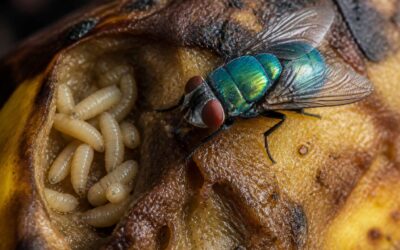
Once laid, eggs hatch into larvae, commonly known as maggots. These maggots feed voraciously on organic matter, growing rapidly through multiple instars. After several days, they form pupae, a transitional stage where transformation into an adult fly occurs. The pupal stage can last anywhere from a few days to a week, depending on environmental conditions. The cycle then begins anew as adult flies emerge, ready to mate and lay eggs, perpetuating the cycle of how flies reproduce.
Importance of Reproduction in Fly Population Dynamics – How reproduction impacts fly populations
Understanding how flies reproduce is fundamental to grasping the swift and often overwhelming growth of their populations. Each reproductive cycle fuels a rapid expansion, transforming a handful of eggs into a burgeoning swarm within just days. This biological prowess is what makes flies such resilient and prolific creatures in our environment.
The reproductive success of flies hinges on their extraordinary capacity to lay hundreds of eggs in a single session, typically on decaying organic matter or waste. This prolific egg-laying ensures that even a small initial infestation can escalate into a full-blown problem in record time. The speed at which these insects reproduce—sometimes completing their entire life cycle in less than a week—means that controlling their numbers requires swift, decisive action.
By delving into how flies reproduce, pest control efforts can be more targeted and effective. Recognizing the importance of reproduction in fly population dynamics reveals why these insects are such tenacious survivors. Their reproductive cycle is finely tuned to exploit available resources, turning organic waste into a breeding ground for their next generation. Understanding this process unlocks the secret behind their seemingly unstoppable presence in our homes and businesses.
Fly Mating Behavior and Reproductive Strategies
Mating Habits of Flies – Courtship and mating rituals
In the quiet corners of rural South Africa, where life’s cycles unfold in a delicate yet relentless rhythm, flies exhibit fascinating mating behaviors that are both intricate and surprisingly meticulous. The process of how flies reproduce begins with a series of courtship rituals, where males often display vibrant aerial dances to attract females. These mating rituals can be as brief as a few seconds or extend into elaborate displays, depending on the species. During these moments, males release pheromones, subtle chemical signals that communicate their readiness and vitality.
Once a female is convinced of the male’s fitness, copulation ensues. The act is swift but crucial, as it ensures the transfer of sperm necessary for reproduction. Interestingly, some species of flies have developed unique reproductive strategies—such as storing sperm for later use or engaging in competitive behaviors to secure mates. Understanding how flies reproduce provides insight into their resilience and ability to thrive in diverse environments, from bustling farms to quiet homesteads across South Africa.
Factors Influencing Reproduction – Environmental and biological factors
Understanding how flies reproduce unlocks a window into their astonishing adaptability and persistence in diverse ecosystems across South Africa. Their reproductive behavior is a masterclass in efficiency and survival, often shaped by both biological imperatives and environmental cues. Flies are remarkably opportunistic, capable of exploiting transient resources with rapid reproductive cycles that ensure their continued proliferation.
Several factors influence how flies reproduce, including temperature, humidity, and the availability of organic matter. These environmental conditions can accelerate or hinder their reproductive success, dictating the timing and frequency of breeding cycles. Biological factors, such as the presence of pheromones and genetic predispositions, also play crucial roles. For instance, male flies often engage in competitive behaviors—sometimes fiercely—to secure mates, which directly impacts reproductive outcomes. The ability of some species to store sperm or engage in multiple matings highlights the complexity of their reproductive strategies, ensuring their resilience even in fluctuating environments.
In the intricate dance of fly reproduction, certain species have evolved unique strategies that maximize reproductive success. These can include:
- Extended sperm storage capabilities, allowing females to fertilize eggs over time
- Engaging in lekking behavior, where males gather to display for females
- Utilizing chemical signals or pheromones to attract mates from distances
Such biological nuances underscore the dynamic nature of how flies reproduce, emphasizing their evolutionary ingenuity. Their reproductive strategies are not just about survival but about thriving amidst the challenges presented by South Africa’s diverse habitats. As tiny yet tenacious architects of their destiny, flies exemplify the intricate balance of life’s relentless pursuit of continuity.
The Reproductive Process of Flies
Egg Laying and Oviposition – Locations and conditions for egg laying
Understanding how flies reproduce reveals more than just their biology; it exposes the underlying mechanics of urban ecosystems and human health. Flies are opportunistic breeders that lay eggs in environments rich in organic matter—sometimes in the most surprising places. Their reproductive process begins with oviposition, where female flies select specific sites that offer optimal conditions for their offspring. These locations often include decaying food, animal waste, or other moist, nutrient-dense substrates.
Environmental factors play a critical role in determining where flies lay their eggs. Warmth, moisture, and the presence of decomposing material create the perfect breeding ground. Flies are remarkably adaptable, choosing locations that ensure their larvae will thrive. For instance, in South Africa, urban areas with open waste bins and livestock farms serve as hotspots for fly reproduction.
To maximize reproductive success, female flies deposit their eggs in clusters—sometimes numbering in the hundreds—ensuring a rapid increase in population. This strategic oviposition is a key reason why flies can proliferate so quickly when conditions are favorable. Recognizing how flies reproduce helps us understand their resilience and the importance of sanitation in controlling their numbers.
Fertilization and Embryonic Development – How eggs are fertilized and develop
In the shadowed corners of decay, where life and death intertwine, the reproductive process of flies unfolds with eerie precision. Once a female fly has selected an environment rich in organic decay—be it rotting fruit or animal waste—she begins the delicate act of fertilization. During copulation, sperm is transferred from male to female in a swift, almost ritualistic dance, setting the stage for the next chapter of their macabre cycle.
After fertilization, the eggs commence embryonic development within a matter of hours. These tiny orbs of potential are marvels of natural engineering—each one containing the blueprint for a future fly. The embryo’s growth is fueled by the moist, nutrient-dense environment in which the eggs are laid, often in clusters that can number in the hundreds. As the embryonic stages progress, the eggs hatch, giving rise to wriggling larvae, or maggots, that will soon carve their existence into the world.
- Fertilization occurs internally within the female’s reproductive tract.
- Eggs develop rapidly, reaching maturity in less than a day under optimal conditions.
Understanding how flies reproduce unveils the relentless cycle of life and decay that governs their existence—an unyielding dance of survival that continues beneath our very noses, in the most unsuspecting places.
Larval Stage and Growth – Maggots and their role in development
The larval stage of a fly’s reproductive journey is nothing short of a biological circus—maggots emerge as tiny, writhing miracles of survival. Once the eggs hatch, which can happen in less than a day under optimal conditions, the real feast begins. These maggots are the unsung heroes of decomposition, rapidly consuming organic matter and turning decay into their personal nursery. Their growth is astonishing; in just a few days, they can increase exponentially, fueling the relentless cycle of fly reproduction.
During this stage, maggots don’t just feed—they also develop intricate internal structures that will soon allow them to pupate and transition into adult flies. Their role in the development of the fly lifecycle is pivotal, as they serve as the bridge between egg and adult. The more they thrive, the more prolific the fly population becomes, perpetuating the cycle of how flies reproduce in environments teeming with organic waste.
Fly Reproduction in Different Species
Common House Flies – Reproductive behaviors and cycles
When it comes to how flies reproduce, the process is nothing short of astonishing—especially considering that a single female house fly can lay up to 500 eggs in just a few days! These tiny reproductive machines are equipped with strategies that ensure their survival in even the most challenging environments. In the case of the common house fly, their reproductive behavior is a well-oiled machine, optimized for rapid population growth.
After mating, female flies seek out warm, moist locations—often organic matter like decaying food or manure—to lay their eggs. They typically deposit their eggs in clusters, which can hatch into maggots within a matter of hours. The egg-laying process, called oviposition, is precisely timed to maximize the chances of larval success. What makes how flies reproduce even more fascinating is their ability to adapt their reproductive cycles based on environmental cues, ensuring they thrive across different habitats in South Africa.
- Eggs hatch into larvae (maggots) within 24 hours
- Maggots feed voraciously, transforming rapidly into pupae
- Emerging adult flies are ready to mate and continue the cycle
Other Fly Species – Differences among species in reproductive habits
In the shadowed corners of South Africa’s decaying organic matter, a silent, relentless cycle unfolds—one driven by the dark artistry of how flies reproduce. While the common house fly’s reproductive prowess is legendary, other fly species exhibit a fascinating array of reproductive habits that reveal nature’s twisted ingenuity. Some species, like the flesh flies, lay their eggs directly on carrion, ensuring their offspring have immediate access to nourishment. Others, such as certain fruit flies, prefer the moist environment of rotting fruit, laying eggs in clusters that hatch with alarming speed.
Understanding how flies reproduce across different species unveils an astonishing diversity of survival strategies. For example, some flies have evolved to produce fewer eggs but invest heavily in the protection of their offspring, while others, like the blowfly, execute a rapid reproductive cycle that can complete within days. This adaptability ensures their persistence despite the ever-changing conditions of their habitat.
Environmental Impact on Fly Reproduction
Optimal Conditions for Reproduction – Temperature, humidity, and food sources
Understanding how flies reproduce reveals a fascinating glimpse into their relentless survival instincts. These tiny creatures thrive in environments where temperature, humidity, and food sources align perfectly—an intricate balance that ensures their prolific reproduction. South Africa’s diverse climate offers an array of conditions that can either hinder or accelerate their reproductive cycle, making it essential to grasp the environmental impact on fly reproduction. Flies are remarkably adaptable, yet they flourish most when warmth and moisture are abundant, providing an ideal backdrop for their rapid lifecycle.
Optimal conditions for reproduction include a temperature range of 25-30°C, coupled with high humidity levels. These factors significantly influence the speed and success of their breeding process. Food sources, such as decaying organic matter, act as both nourishment and breeding grounds, facilitating the development of eggs and larvae. In fact, the availability of suitable oviposition sites directly impacts how flies reproduce, shaping their population dynamics. Recognizing these environmental factors is crucial for understanding the complex and often relentless nature of fly reproduction in South Africa’s varied ecosystems.
Challenges and Disruptors – Pesticides, pollution, and climate effects
Environmental disruptions pose formidable challenges to the delicate ballet of how flies reproduce. Pesticides, in their relentless quest to control infestations, often act as silent assassins—disrupting the reproductive cycle and diminishing fly populations. Pollution, whether chemical or biological, taints their habitat, creating an inhospitable landscape where eggs struggle to hatch and larvae falter in development. Meanwhile, climate effects—ranging from unseasonal cold snaps to intense droughts—can either halt or significantly slow down their reproductive processes.
In South Africa’s varied ecosystems, these factors wield unpredictable influence. For example, high levels of pollution in urban centers may reduce fly fertility, yet in warmer, humid regions, their reproductive cycle can accelerate unexpectedly. Such environmental factors underscore the fragile balance in how flies reproduce and highlight the ongoing struggle between nature’s resilience and human intervention.
- Presence of pesticides
- Environmental pollution
- Climate variability
Understanding these disruptors is crucial, for they shape the intricate web of fly population dynamics, demonstrating how external forces can either hinder or inadvertently promote their prolific reproductive success. The battle of environment versus survival continues in the microscopic world where how flies reproduce remains a testament to their tenacious adaptability.
Controlling and Managing Fly Reproduction
Preventive Measures – Sanitation and environmental management
In the intricate ballet of nature, controlling and managing fly reproduction is essential to curb their relentless cycle. Sanitation and environmental management serve as silent sentinels, disrupting the very foundations of how flies reproduce. When waste accumulates or organic matter is left exposed, it creates a fertile ground for eggs to be laid and maggots to thrive, fueling the population’s rapid growth. Vigilant removal of breeding sites diminishes the opportunities for flies to reproduce, breaking their reproductive chain.
Implementing preventive measures involves a keen understanding of their reproductive habits. For instance, eliminating standing water and maintaining cleanliness reduces the humidity and food sources that facilitate efficient egg incubation. Here are some effective strategies:
- Proper waste disposal and regular cleaning of food residues
- Sealing cracks and crevices where flies might lay eggs
- Managing organic waste in composting areas to prevent overpopulation
By fostering an environment that is inhospitable to their reproductive cycle, communities can significantly reduce fly populations, ultimately transforming outdoor spaces into safer, more hygienic environments. Understanding how flies reproduce is the first step toward mastering their control, ensuring our spaces remain resilient against their relentless resurgence.
Common Control Methods – Traps, insecticides, and biological controls
Understanding how flies reproduce is the key to breaking their relentless cycle of proliferation. Controlling and managing fly reproduction involves a strategic approach that targets their reproductive habits directly. Common control methods, such as traps, insecticides, and biological controls, are designed to disrupt their breeding process at various stages.
Fly traps—both sticky and baited—are particularly effective at capturing adult flies before they lay eggs. Insecticides, when applied thoughtfully, can reduce adult populations and prevent eggs from hatching. Biological controls introduce natural predators or pathogens that target fly larvae, ensuring a more environmentally friendly approach to controlling fly populations. These methods work synergistically to reduce the chances for flies to reproduce successfully, ultimately diminishing their numbers.
By integrating these control strategies into sanitation routines, communities can create an inhospitable environment for flies. This not only curtails their reproductive cycle but also contributes to a cleaner, healthier space. The battle against flies hinges on an understanding of how flies reproduce—each intervention aimed at interrupting their reproductive chain. When executed effectively, these control methods serve as powerful tools in managing fly populations and safeguarding hygiene standards.


0 Comments