Understanding Flies and Their Life Cycle
Overview of Common Fly Species – Different types of flies and their characteristics
In the shadowed corners of our world, the lifecycle of flies unfolds like an ominous dance, woven with silent inevitability. Among the most common fly species in South Africa, the housefly (Musca domestica) lurks with an insidious presence, its life a fleeting whisper between birth and death. Understanding how flies die reveals the dark poetry of nature’s relentless cycle, where vulnerability meets survival in a fragile balance.
Different types of flies exhibit unique characteristics that influence how they meet their end. Houseflies, for example, succumb primarily to environmental factors such as exposure to sunlight, dehydration, or the lethal touch of insecticides. Meanwhile, blowflies (Calliphoridae) are often the first to appear at a carcass, their life cycle intricately tied to decay—each stage a grim reminder of mortality. The way flies die is often a silent testament to their environment, whether through predation, disease, or the relentless passage of time.
To grasp the complexity, consider this overview of common fly species:
- Housefly (Musca domestica) – thrives in human habitats, dies from dehydration or insecticides.
- Blowfly (Calliphoridae) – associated with decaying matter, their death often signals the end of their role in decomposition.
- Flesh fly (Sarcophagidae) – thrives on carrion, succumbing to environmental hazards or natural predators.
Each species embodies a unique chapter in the macabre story of how flies die, their demise intertwined with decay, disease, and the cold hand of nature’s justice. The silent, often unseen end of these tiny creatures underscores a profound truth: even the most fleeting lives are bound by the inexorable march toward their inevitable end.
Fly Life Cycle Stages – Egg, larva, pupa, and adult stages
The lifecycle of a fly is a silent saga of survival and inevitable demise, an intricate dance that unfolds under the cloak of nature’s unseen hand. Understanding how flies die begins with a grasp of their four primary stages: egg, larva, pupa, and adult. Each phase reveals secrets about their vulnerability and resilience in the face of environmental forces.
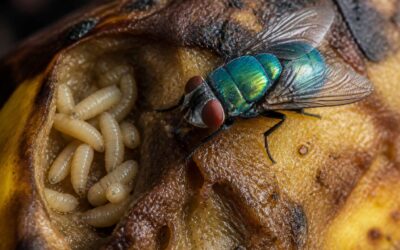
In the egg stage, flies are most fragile, vulnerable to desiccation and predators. As they hatch into larvae, they become voracious feeders, yet still susceptible to natural hazards such as extreme temperatures or insecticidal sprays. The pupa marks a critical transition, where the fly’s body is reshaping itself in a cocoon of transformation—an almost mystical phase that ends with the emergence of the adult fly.
Once fully grown, the adult fly’s life is a fleeting window often cut short by dehydration, exposure to sunlight, or the application of insecticides. The question of how flies die is woven into their entire existence, a testament to nature’s relentless cycle of life and death.
Factors Influencing Fly Lifespan – Environmental, biological, and chemical factors
Few creatures command such a fleeting existence as the common fly, yet their demise is a captivating saga rooted in both nature’s brutality and resilience. Understanding how flies die requires a nuanced appreciation of their life cycle and the myriad factors that influence their longevity. In South Africa’s warm climate, for instance, environmental conditions can dramatically alter how flies meet their end.
Environmental factors such as temperature, humidity, and exposure to sunlight play a pivotal role. Flies are particularly vulnerable to dehydration, making prolonged exposure to the scorching sun a swift route to death. Chemical influences, especially the widespread use of insecticides, are equally decisive—many ask, “how flies die” when they come into contact with these potent substances. Biological factors, including natural predators like spiders and birds, also contribute significantly, creating a relentless check on fly populations.
In fact, the lifespan of a fly often hinges on a delicate balance of these influences, with each factor wielding the power to hasten or prolong their life. Whether succumbing to the harshness of the environment or falling prey to chemical eradication, the question of how flies die remains a testament to the intricate dance of survival and demise in the insect world.
Natural Causes of Fly Mortality
Predation – Natural predators of flies such as spiders, birds, and other insects
In the grand theatre of nature, the ending for many flies often comes as a surprise—usually not at the hands of a fly swatter but through natural predation. Spiders, those eight-legged ambush artists, are especially fond of turning flies into a quick snack. Fly-catching birds also play a vital role, swooping in with precision and turning the insect’s brief existence into a fleeting moment. Even other insects, like praying mantises and wasps, are part of the intricate web of how flies die.
Understanding how flies die often involves recognizing these natural predators, who keep fly populations in check without the need for human intervention. For example, spiders trap flies in their sticky webs, while birds capitalize on the opportunity with a swift beak. Some parasitic wasps lay their eggs inside fly larvae, ensuring that the next generation of flies is cut short before they even reach adulthood. It’s a fascinating cycle that highlights the delicate balance of nature—where the predator-prey relationship determines how flies die, often in the most unexpected ways.
Old Age and Wear – The biological aging process in flies
In the silent theater of life, flies perform their fleeting ballet before surrendering to the silent march of time. While predators and environmental hazards often steal the spotlight, the quiet, inevitable toll of old age and wear plays a crucial role in how flies die. As creatures with remarkably short lifespans—sometimes just a few weeks—their biological clock ticks relentlessly, winding down in a slow, graceful decline.
Over time, their tiny bodies endure the wear and tear of relentless activity—battered wings, weakened limbs, and diminished resilience. This natural aging process slowly saps their vitality, leading to a gradual cessation of vital functions. In essence, the biological aging process in flies is a testament to nature’s unyielding cycle of renewal and decay.
In the grand scheme of how flies die, old age and wear are often overshadowed by dramatic predation or environmental calamities. Yet, they remain an essential part of the lifecycle, quietly ending the brief, vibrant chapters of each fly’s existence. It’s a poignant reminder that even in the tiniest of beings, the inexorable truth of mortality is woven into the fabric of their existence.
Environmental Stress – Temperature extremes, dehydration, and weather conditions
Environmental stressors play a significant role in how flies die, often in ways that are less dramatic but equally inevitable. Extreme temperatures—whether scorching heat or freezing cold—can quickly push these tiny creatures past their limits. Flies are highly sensitive to temperature fluctuations, which can impair their ability to fly, feed, or reproduce, ultimately leading to their demise.
Dehydration is another silent killer. Flies rely on moisture from their surroundings and food sources, but during droughts or dry spells, they can quickly become desiccated. Weather conditions such as heavy rain or wind storms can also cause physical damage or displace flies from their habitats, increasing their vulnerability to death.
In some cases, environmental challenges may be compounded by the following:
- Temperature extremes
- Dehydration
- Harsh weather conditions
All these factors contribute to the natural causes of fly mortality, reminding us that even the most resilient insects are subject to the relentless forces of nature. Understanding how flies die helps shed light on their brief but fascinating existence, rooted deeply in environmental realities.
How Flies Die Due to Human Interventions and Pest Control
Insecticides and Chemicals – Types of insecticides used and how they affect flies
When it comes to understanding how flies die due to human interventions, the picture is as colorful as a fly’s own iridescent wings. Pest control in South Africa often relies on a variety of insecticides and chemicals, each designed to turn the fly’s short, chaotic life into a quick, chemical-fueled demise. These substances are not just random sprays; they are carefully chosen to exploit the fly’s biological vulnerabilities. From contact insecticides that cause immediate paralysis to residual chemicals lingering in the environment, the arsenal is formidable.
Commonly used insecticides include pyrethroids, organophosphates, and neonicotinoids. Pyrethroids disrupt the nervous system, causing rapid paralysis, while organophosphates inhibit vital enzymes, leading to a swift shutdown of fly functions. Neonicotinoids interfere with nerve signals, and their presence in household sprays can turn a fly’s brief existence into a tragic chemical ballet. These chemicals affect flies by attacking their nervous system or respiratory functions, ultimately leading to death. In some cases, insecticides are formulated into traps or baits, luring flies to their doom with promises of food, only to be eliminated once they indulge.
- Contact insecticides cause immediate paralysis.
- Residual chemicals linger, ensuring that any fly walking through treated areas suffers a slow death.
- Baits attract and poison flies, making their death a matter of strategic planning.
Traps and Fly Baits – Use of sticky traps, bait stations, and UV light traps
In the relentless theatre of life and death, how flies die often reflects the human desire to control nature’s chaos. Pest control methods in South Africa deploy an array of strategies, each designed to intercept the fly’s fleeting existence. Among these, traps and baits stand out as silent assassins, working with both science and subtlety. Sticky traps, coated with adhesive, trap flies as they buzz aimlessly—an inevitable end sealed by their own curiosity. Meanwhile, bait stations lure flies with enticing smells, then deliver a lethal dose, turning their brief lives into a calculated sacrifice.
UV light traps add another layer to this mortality tapestry. They attract flies with luminous allure, trapping them in an unforgiving web of light and grid. The question of how flies die becomes a matter of understanding how these devices exploit their instincts and biological vulnerabilities. Whether through contact with sticky surfaces, ingestion of poisoned bait, or exposure to intense light, these interventions orchestrate a swift or lingering demise, revealing the intricate dance between human ingenuity and natural fragility.
Physical Removal – Manual methods for killing flies
In the silent theater of pest control, understanding how flies die reveals a profound intersection of human intervention and natural fragility. When we deploy physical removal methods, we manipulate the very fabric of their existence, turning their brief, chaotic lives into a fleeting moment of mortality. Each strike, each flick of a fly swatter, is a deliberate act—an assertion of dominance over nature’s chaos.
Manual methods for killing flies are as ancient as human ingenuity itself. A simple fly swatter or a rolled-up newspaper can deliver a decisive blow, ending a fly’s life in an instant. But more methodical approaches, like using fly traps or electric fly swatters, exploit their instincts—drawing them in only to meet a swift or lingering demise. These actions serve as stark reminders of how deeply intertwined human responses are with the natural cycle.
In South Africa, pest control professionals often employ physical removal alongside other strategies, recognizing that how flies die is shaped by both the environment and human choice. Whether it’s a quick crush or an electric zap, each method underscores the fragile mortality of these creatures—highlighting their vulnerability when faced with human ingenuity.
Environmental Factors Contributing to Fly Death
Temperature and Humidity – Impact on fly survival and mortality rates
Environmental factors such as temperature and humidity play a crucial role in determining how flies die. Flies are remarkably sensitive to their surroundings, and even slight fluctuations can tip the balance between survival and mortality. In South Africa’s diverse climate, extreme heat or cold can cause rapid dehydration or thermal stress, accelerating their demise.
High temperatures, especially during scorching summer days, can lead to overheating and desiccation, forcing flies to seek shelter or perish in the process. Conversely, persistent cold snaps can hinder their mobility and metabolic functions, ultimately leading to death. Humidity also influences their lifespan—low humidity levels cause dehydration, while overly damp conditions foster mold and pathogens that threaten their health.
Understanding how flies die involves recognizing the impact of these environmental stressors. Fluctuations in temperature and humidity not only affect their survival but also their ability to reproduce, making these factors critical in controlling fly populations. In essence, the delicate balance of their habitat determines how flies die, often in ways that are invisible to the naked eye but vital to managing infestations.
Contaminants and Toxins – Exposure to harmful chemicals and pollutants
Environmental contaminants and toxins are silent but deadly players in the story of how flies die. These tiny creatures often stumble into a toxic cocktail of chemicals lurking in our surroundings—whether it’s pesticide residues, cleaning agents, or industrial pollutants—and pay the ultimate price. The impact is often invisible to the naked eye, yet profoundly lethal, disrupting their nervous systems or respiratory functions.
Exposure to harmful chemicals and pollutants doesn’t just make flies sluggish; it can cause immediate death or weaken their defenses, leaving them vulnerable to predators or harsh environmental conditions. In South Africa’s diverse landscape, polluted water sources or contaminated waste sites become breeding grounds of danger, turning into biochemical traps that swiftly eliminate fly populations. Some chemicals, like residual insecticides, are especially notorious for causing rapid mortality, effectively ending their life cycle in a matter of hours or days.
Understanding how flies die from contaminants highlights the importance of managing chemical exposure in pest control strategies. A few common culprits include:
- Persistent insecticides that linger in the environment
- Pollutants from industrial runoff
- Household cleaning chemicals that inadvertently poison flies
Ultimately, these toxins serve as a stark reminder of how human activity influences the fate of these resilient yet fragile insects. When it comes to how flies die, chemical exposure is often the final chapter in their brief but busy lives—delivered with precision by the very pollutants we often overlook.
Decay and Decomposition – How organic matter and decay processes affect fly populations
The decay of organic matter plays a crucial role in the life and death of flies, especially in environments rich with decomposing materials. When organic waste begins to break down, it releases a complex array of gases and compounds that create a hostile environment for fly populations. These processes, often imperceptible to the naked eye, can dramatically influence how flies die, transforming their brief existence into a swift and inevitable end.
As organic matter decays, it attracts flies in droves—larvae thrive on decomposing material, feeding voraciously during their early stages. However, the very nature of decay also produces conditions that accelerate their demise. Elevated levels of ammonia, sulfur compounds, and other volatile substances can be toxic, overwhelming their delicate respiratory systems. Additionally, the presence of bacteria and fungi involved in decomposition can secrete toxins that further diminish fly populations.
In many South African settings, the interplay between decay and fly mortality is particularly pronounced. Areas with stagnant water pools or rotting vegetation become natural hotspots for decay processes that hasten fly death. Moreover, the presence of organic decay often correlates with increased bacterial activity, which can produce byproducts that serve as natural deterrents or lethal agents for flies. This natural cycle underscores how organic decay and environmental factors contribute significantly to understanding how flies die in their environment.
Signs and Symptoms of a Dying Fly
Behavioral Changes – Reduced activity and sluggish movement
Watching a fly’s last moments can be surprisingly revealing. As they edge toward death, flies often exhibit clear behavioral changes that signal their decline. One of the most noticeable signs is reduced activity; a dying fly becomes sluggish, moving with a hesitant, almost labored motion. Their once rapid and erratic flight slows to a crawl, and they may cling to surfaces rather than actively exploring their environment.
In some cases, a fly’s wings may droop, and they appear disoriented, circling aimlessly before succumbing. This decline in mobility is a telltale sign of how flies die, often caused by internal failure or exposure to toxins. Understanding these signs can help in identifying the stages of fly mortality, whether due to environmental stress, insecticides, or natural aging. Observing these behavioral shifts offers a glimpse into the final chapter of a fly’s brief but fascinating life cycle.
Physical Signs – Discoloration, damaged wings, and disorientation
In the fleeting world of flies, death arrives with subtle yet telling signs that can unlock the mysteries of how flies die. Among these signs, discoloration stands out—a pallor that overtakes their once vibrant bodies, as if the life force is ebbing away. This change is often accompanied by damaged wings, tattered and drooping, a visual testament to their internal struggles. Disorientation becomes apparent as the fly circles aimlessly, its once precise movements now erratic and unsteady, echoing the final dissonance of its fleeting existence.
Understanding how flies die involves observing these physical signs closely. Their bodies may exhibit a bluish or blackish hue, a sign of internal decay or toxin exposure. Sometimes, the wings appear frayed or torn, indicative of physical deterioration or chemical interference. Such symptoms reveal the underlying mechanisms of their demise—whether from environmental stressors, insecticides, or natural aging—painting a vivid portrait of their final moments.
Post-Mortem Observations – How to identify dead or dying flies
When examining a fly’s final moments, certain post-mortem observations reveal how flies die. These signs are often subtle but tell a compelling story about the end of their fleeting existence. Recognizing these indicators can help identify whether a fly is dead or merely resting, giving insight into the factors that led to its demise.
One of the most telling signs is discoloration. A dead or dying fly often exhibits a bluish or blackish hue, a visual cue of internal decay or toxin exposure. Damage to the wings—frayed, torn, or drooping—further signals deterioration, possibly from environmental stress or physical trauma. Erratic movement or disorientation, where the fly circles aimlessly or struggles to maintain balance, is another unmistakable symptom of the final stages of how flies die.
- Discoloration: Pale or darkened bodies indicating decay or toxin impact
- Damaged wings: Tattered or drooping wings as a sign of physical wear or interference
- Disorientation: Erratic circling and unsteady flight patterns
Understanding how flies die is rooted in observing these post-mortem signs carefully. Each physical symptom provides a window into the internal processes at play, from natural aging to external threats like chemicals or environmental stressors. Recognizing these signs helps demystify the mysterious process of their demise and the intricate factors involved.
Preventing Unwanted Fly Death
Maintaining Cleanliness – Sanitation practices to reduce attractants
In the intricate dance of nature, understanding how flies die extends beyond mere curiosity—it’s a vital component of effective pest management. Flies are inherently sensitive to cleanliness, and their attraction to organic matter makes sanitation practices a potent weapon against their proliferation. When environments are kept meticulously clean, the attractants for flies diminish, reducing the likelihood of their death through environmental stress or predation. Cleanliness acts as a silent guardian, disrupting the natural cycle and preventing the buildup of decay that fuels fly populations.
Maintaining high sanitation standards involves diligent removal of organic refuse, spillage, and standing water—common breeding grounds for flies. Implementing routine cleaning schedules can significantly impact how flies die naturally, as fewer breeding sites equate to lower survival rates. Additionally, employing sanitation practices such as covering waste bins and cleaning surfaces regularly creates an inhospitable environment, encouraging flies to seek alternative habitats and hastening their demise. When organic matter decomposes without disturbance, it releases compounds that attract flies; disrupting this process with cleanliness can interrupt their lifecycle and influence how flies die.
Proper Waste Management – Reducing breeding sites for flies
In the grand tapestry of nature’s intricate balance, understanding how flies die is crucial to unraveling the mysteries of pest control. Proper waste management plays a pivotal role in this process, especially in regions like South Africa where organic waste is abundant. When waste is managed effectively, the number of breeding sites diminishes, making it harder for flies to thrive and reducing their lifespan naturally.
By implementing a few simple yet strategic practices, such as covering waste bins and regularly removing refuse, you can interrupt the environment that fosters decay and organic decomposition. These processes, if left undisturbed, release attractants that lure flies and prolong their survival. When waste is properly contained, it deprives flies of the organic matter they need to develop and survive, hastening how flies die. The interplay between sanitation and natural mortality becomes a silent yet powerful force against unwelcome pests.
In essence, proper waste management transforms the environment into an inhospitable terrain for flies, reducing their reproductive opportunities and ultimately influencing how flies die. It’s a natural method rooted in disrupting their lifecycle, ensuring that these pesky insects don’t get the chance to proliferate unchecked. With vigilant waste control, the cycle of decay is broken, and the natural end for many flies is hastened—leaving fewer unwelcome visitors to contend with.
Use of Fly Repellents and Barriers – Preventing flies from entering indoor spaces
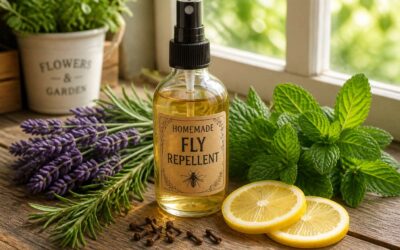
Preventing unwanted fly death inside your home or business hinges on effective barriers and repellents. Flies are persistent creatures, but with strategic interventions, you can keep them at bay and influence how flies die in your environment. Using fly repellents—whether natural oils like citronella or commercial aerosol sprays—creates an invisible shield that discourages flies from entering indoor spaces. These repellents interfere with their sense of smell, making your premises less attractive and reducing the chances of flies dying inside due to entrapment or exposure to harmful chemicals.
Physical barriers such as fine mesh screens on windows and doors are invaluable. They act as sentinels, preventing flies from slipping indoors where they might be exposed to lethal conditions. Additionally, fly barriers like UV light traps lure flies away from living areas, trapping and ultimately causing their demise in a controlled manner. When these measures are combined, they not only reduce the likelihood of unwanted fly death but also contribute to maintaining a cleaner, healthier environment for everyone.

0 Comments