Understanding Flies and Their Impact on Health
What Are Flies? – Overview of common fly species and their habitats
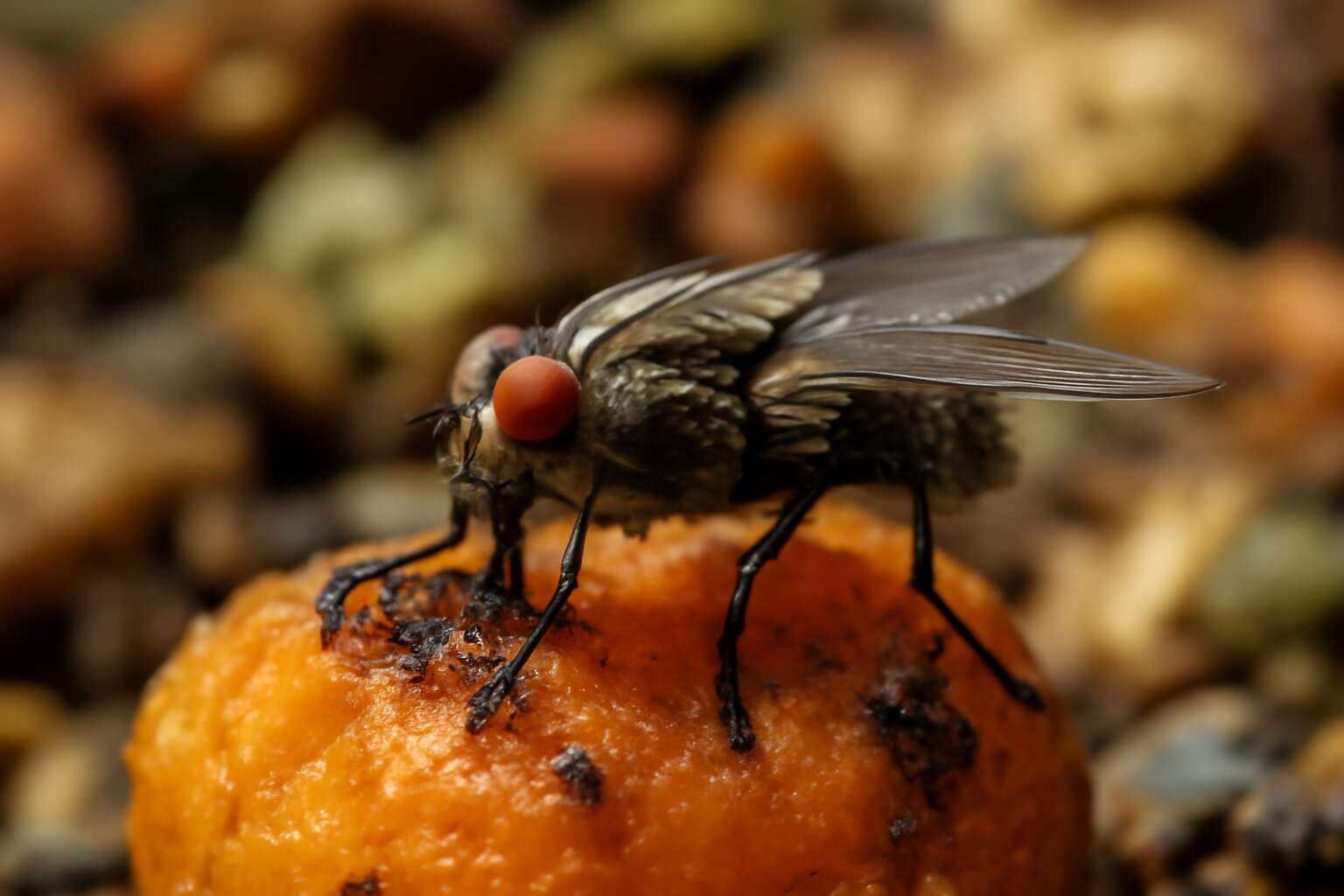
Flies are more than mere nuisances; they are silent carriers of disease and decay. In South Africa, understanding the diverse species of flies and their habitats becomes crucial in unraveling the complex web of their impact on health. These insects thrive in environments where organic waste, stagnant water, and filth abound—each habitat acting as a breeding ground for various flies species.
Common fly species such as the housefly, blowfly, and fruit fly each have distinct preferences but share a disturbing ability to transmit diseases. Houseflies, for instance, are notorious for carrying pathogens on their bodies, transferring bacteria and viruses onto food and surfaces. Blowflies are often found around decaying flesh, contributing to the spread of parasites and bacterial infections. Recognizing these habitats and behaviors is key to understanding flies causes which disease, as their presence correlates directly with outbreaks of illnesses like cholera and dysentery.
How Flies Interact with Humans – Behavioral patterns and attraction to food and waste
Flies are more than just a nuisance—they are covert transmitters of deadly diseases. Their behavioral patterns reveal how they interact with humans and our environment. Flies are irresistibly attracted to food, waste, and decaying organic matter, which serve as breeding grounds and sources of contamination. When they land on surfaces, they pick up pathogens on their bodies, transferring bacteria, viruses, and parasites onto the food we eat and the surfaces we touch.
Understanding the ways flies cause which disease is crucial for health prevention. Flies are known to carry a variety of harmful microorganisms that can trigger illnesses such as cholera, dysentery, and typhoid. Their attraction to waste and food makes them notorious vectors, especially in regions where sanitation is compromised. Recognizing their habits helps explain why close attention to hygiene and waste management is essential to curb the spread of disease.
- Fly lands on contaminated waste or decaying flesh.
- Pathogens adhere to their body and legs.
- They are attracted to human food and surfaces.
- Pathogens are transferred onto food, utensils, or hands.
This cycle underscores how flies cause which disease and why controlling their presence is vital for public health in South Africa. Their ability to spread illnesses rapidly makes them formidable enemies in the fight against disease outbreaks.
Relevance of Fly-borne Diseases – Why flies are carriers of pathogens
Flies are often dismissed as mere pests, but their role as vectors of disease is far more dangerous than many realize. Studies show that a single fly can carry over 200 pathogens on its body, making it a formidable agent in the transmission of illness. Understanding flies and their impact on health reveals the urgent need to address the question: flies causes which disease? Their capacity to harbor and transfer bacteria, viruses, and parasites directly contributes to outbreaks of deadly illnesses.
When flies land on contaminated waste or decaying flesh, they pick up harmful microorganisms on their legs and bodies. As they move onto human food or surfaces, these pathogens are transferred, often unnoticed. This process is why flies are closely linked to diseases such as cholera, typhoid, and dysentery. Their attraction to waste and food sources in environments with poor sanitation makes them especially dangerous in regions like South Africa, where sanitation infrastructure may be compromised.
By understanding the pathways through which flies spread disease, it becomes clear why controlling their presence is a vital component of public health efforts. Recognizing flies causes which disease helps shape effective strategies to prevent outbreaks and safeguard communities from preventable illnesses.
Common Diseases Caused by Flies
Dysentery and Salmonellosis – How flies transmit bacteria leading to gastrointestinal infections
In the shadowy dance of nature’s uninvited guests, flies emerge as silent harbingers of chaos—vehicles of microscopic devastation. Their tiny bodies, seemingly innocuous, conceal a sinister truth: flies causes which disease with relentless precision. Among the most insidious are dysentery and salmonellosis, gastrointestinal maladies that ravage the vulnerable with cruel efficiency.
When flies land upon rotting refuse or contaminated surfaces, they pick up bacteria—hidden armies of pathogens lurking in filth. With a deft touch, they transfer these bacteria onto food, utensils, or open wounds, unwittingly turning everyday objects into carriers of disease. The bacteria they carry invade the human body, causing severe diarrhea, dehydration, and fever. In regions where sanitation is compromised, the threat escalates, transforming simple acts of eating into perilous encounters.
Understanding how flies propagate these devastating diseases is crucial. Their role as vectors is often underestimated, yet their capacity to spread bacteria like Salmonella and Shigella underscores the urgency of control. Flies causes which disease are not just a matter of nuisance but a stark reminder of the fragile boundary between hygiene and health—a boundary easily breached by these tiny, persistent pests.
Cholera – Role of flies in spreading cholera bacteria in contaminated water and food
In the intricate web of disease transmission, flies are often underestimated as mere nuisances, yet their role as vectors in spreading cholera is profoundly alarming. Flies causes which disease like cholera thrive in contaminated water and food, where their tiny bodies act as living carriers of deadly bacteria. When these pests land on refuse, sewage, or unwashed produce, they pick up Vibrio cholerae— the bacterium responsible for cholera outbreaks. Their subsequent visit to food surfaces or drinking water sources can trigger rapid, devastating epidemics.
Cholera, a disease characterized by severe diarrhea and dehydration, can sweep through communities with alarming speed, especially where sanitation infrastructure falters. Flies are particularly adept at infiltrating vulnerable environments, turning everyday meals into dangerous cross-contamination points. The role of flies in spreading cholera underscores a harsh reality: these small creatures are silent accomplices in a larger cycle of infection. Recognizing the importance of controlling flies causes which disease like cholera is not just about nuisance—it’s about safeguarding lives against microscopic agents that lurk in the shadows.
Typhoid Fever – Transmission pathways involving flies carrying Salmonella typhi
In the shadowed corners of human existence, flies serve as sinister couriers of death, their wings whispering tales of disease. Among the maladies they carry, typhoid fever emerges as a haunting specter, lurking unseen in the filth that festers around us. These tiny vectors, often overlooked, are capable of turning contaminated food and water into deadly conduits of Salmonella typhi—the bacterium responsible for typhoid—thus perpetuating a cycle of suffering that can devastate entire communities.
Flies causes which disease like typhoid thrive in environments where sanitation is compromised, especially in regions such as South Africa where access to clean water remains elusive for many. When flies land on refuse, sewage, or unwashed produce, they inadvertently pick up Salmonella typhi on their tiny bodies. Their subsequent visits to food surfaces or drinking water sources unwittingly turn these innocent elements into deadly weapons of infection.
Understanding the role of flies in transmitting typhoid fever reveals a disturbing truth: these relentless carriers are silent architects of epidemics, their presence a dark reminder of the fragile boundary between health and disease. Recognizing the connection between flies and typhoid is essential in breaking this cycle, especially in areas where sanitation infrastructure is strained and the danger of infection lurks around every contaminated corner.
Conjunctivitis and Ophthalmia – Fly contact leading to eye infections
Flies are more than just nuisances; they are silent vectors of serious eye infections. In regions with limited sanitation, these insects often land on unclean surfaces, carrying pathogens that can lead to conjunctivitis and ophthalmia. When flies come into contact with the eyes, they transfer bacteria directly, setting off painful inflammation and infection.
Eye diseases caused by flies are common in areas where hygiene is compromised. Flies causes which disease like conjunctivitis spread rapidly, especially in crowded or unsanitary environments. The bacteria they carry can cause redness, swelling, and discharge, impairing vision if not treated promptly.
Understanding how flies cause which disease, including eye infections, underscores the importance of sanitation and protective measures. In many cases, simple precautions like avoiding contact with flies and maintaining cleanliness can prevent these eye ailments from escalating into more severe conditions.
Leishmaniasis – Transmission of protozoan parasites by sand flies
In the realm of fly-borne maladies, leishmaniasis stands out as a particularly insidious affliction transmitted by sand flies, a close cousin of those pesky houseflies. Unlike the common nuisance of urban flies, sand flies are tiny, nocturnal, and expert at slipping through the cracks of our defenses. When these minuscule vectors bite, they transfer protozoan parasites that invade the skin, leading to ulcerative lesions that can be both disfiguring and debilitating.
Understanding the intricacies of flies causes which disease helps illuminate why sanitation and protective measures are paramount. The transmission occurs primarily in rural and semi-urban areas where waste management is often inadequate, creating an ideal environment for sand flies to thrive. In regions like South Africa, where vector-borne diseases are endemic, controlling these pests is crucial to preventing outbreaks.
While leishmaniasis is perhaps the most notorious disease caused by flies causes which disease, other conditions such as river blindness and certain viral infections also find their roots in fly activity. The subtle but persistent threat posed by sand flies underscores the importance of vigilance in hygiene and vector control, especially in communities where these insects are most active.
Myiasis – Fly larvae infestation in wounds or body cavities
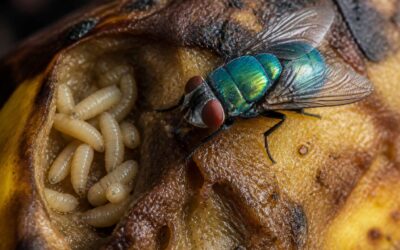
Among the many sinister ways flies sabotage our health, one of the most disturbing is myiasis—the infestation of human tissue by fly larvae. This phenomenon, often lurking unnoticed beneath the surface, transforms wounds into breeding grounds for tiny, writhing maggots that devour flesh with relentless hunger. It’s a grim reminder of how flies causes which disease can turn a simple injury into a nightmare, especially in rural South Africa where sanitation is often compromised.
The larvae, born from eggs laid on decaying matter or exposed wounds, burrow into skin, body cavities, or even internal organs. This parasitic invasion not only prolongs healing but also invites secondary infections, exacerbating suffering. Myiasis is more than just a biological curiosity—it’s a haunting manifestation of flies causes which disease that can lead to severe tissue destruction if left untreated.
In regions where waste management falters and hygiene standards slip, these insidious infestations become more common. The presence of flies causes which disease like myiasis underscores the importance of vigilance and hygiene, particularly in vulnerable communities. When flies find a hospitable environment, their larvae can develop rapidly, turning a simple wound into a battleground for body and insect alike.
Mechanisms of Disease Transmission by Flies
Mechanical Transmission – How flies carry pathogens on their bodies and legs
In the shadowy realm of disease transmission, flies serve as unwitting couriers, ferrying invisible enemies from filth to feast. Their bodies, cloaked in the grime of contaminated waste, act as miniature carriers of pathogens, making their role in spreading certain diseases both insidious and unavoidable. When a fly alights on food or a wound, it carries with it a microscopic arsenal of bacteria, viruses, and protozoa, hitching a ride on its legs and wings. This process, known as mechanical transmission, is a silent but potent route by which flies causes which disease to proliferate within communities.
Unlike biological transmission, where pathogens develop within the vector, mechanical transmission is straightforward and opportunistic. Flies simply brush against contaminated surfaces—sewage, refuse, or infected feces—and then land on human food, utensils, or open wounds. This movement is akin to a malicious courier delivering deadly parcels beneath the guise of everyday activity. The pathogens cling stubbornly to their host, and when the fly makes its next landing, the disease begins its silent journey into new hosts.
To further illustrate, consider this: a single fly can carry thousands of bacteria on its legs at once. These bacteria, including Salmonella and E. coli, are primary culprits in causing flies causes which disease such as dysentery and salmonellosis. The process involves no complex lifecycle—just a simple act of contact that unleashes chaos inside the human body, leading to gastrointestinal infections that can be devastating in vulnerable populations.
Regurgitation and Defecation – Spread of bacteria through contaminated waste
In the shadowy corridors of disease transmission, flies play a surprisingly sinister role—acting as microscopic couriers that spread deadly pathogens through regurgitation and defecation. When a fly feeds on contaminated waste, its body becomes a reservoir of bacteria, viruses, and protozoa. These germs cling stubbornly to its legs, wings, and mouthparts, ready to be transferred to unsuspecting hosts. The process of spreading disease is insidious, often unnoticed until symptoms emerge with devastating clarity.
Flies causes which disease such as dysentery and salmonellosis often originate from this silent transmission route. As they regurgitate or defecate on food or open wounds, they deposit a torrent of harmful microorganisms. This contaminated waste acts as a conduit—an invisible highway for pathogens to infiltrate human bodies. It is no exaggeration to say that each fly can carry thousands of bacteria at once, transforming everyday encounters with these insects into potential health crises.
- When a fly lands on contaminated surfaces, it picks up bacteria like Salmonella and E. coli, which are notorious for causing gastrointestinal infections.
- The bacteria then transfer onto food, utensils, or wounds, unleashing chaos within the human body.
- Particularly in regions with limited sanitation, this process fuels outbreaks of diseases such as dysentery and salmonellosis, especially among vulnerable populations.
This mechanism highlights a crucial aspect of how flies causes which disease—by acting as unwitting vectors through their regurgitation and defecation. These seemingly insignificant actions—just a fly’s brief touch—can set off a cascade of illness, turning contaminated waste into a deadly arsenal of infection. It is a stark reminder of the delicate balance between sanitation and health, and the unseen dangers lurking in the very act of a fly’s landing.
Contamination of Food and Surfaces – Common contact points for disease spread
Every day, in bustling townships and tranquil rural farms across South Africa, flies silently navigate the environment, often unnoticed but carrying a hidden threat. Their role as vectors of disease is a stark reminder of how fragile our health can be when these seemingly insignificant insects come into contact with contaminated surfaces. Flies causes which disease are diverse, but their method of transmission remains remarkably consistent—contaminating food and surfaces with deadly pathogens.
When a fly lands on food, it picks up bacteria such as Salmonella and E. coli, notorious culprits behind gastrointestinal infections. These bacteria cling stubbornly to its legs, wings, and mouthparts, ready to transfer at the next landing. Food wrappers, chopping boards, and open wounds are common contact points for disease spread, acting as the silent highways for these microscopic invaders. It’s almost poetic—how a brief moment of contact can unleash chaos within the human body, especially in regions where sanitation is limited.
Understanding the mechanisms of disease transmission by flies reveals the significance of contaminated waste and surface contact. Flies causes which disease like dysentery and salmonellosis often originate from this insidious route. Their regurgitation and defecation deposit a torrent of harmful microorganisms onto food or open wounds, transforming everyday encounters into potential health crises. Protecting our communities from these invisible threats requires awareness of these common contact points, where flies perpetuate the cycle of infection.
Factors Contributing to Flies as Disease Vectors
Unsanitary Environments – Impact of poor waste management and garbage disposal
In many South African communities, poor waste management and inadequate garbage disposal create a breeding ground for flies, making them notorious vectors of disease. When waste piles up in unsanitary environments, flies are drawn to these areas because they thrive on decaying organic matter. This proximity to contaminated waste increases the likelihood of flies causes which disease by transporting harmful pathogens to food, surfaces, and even human contact points.
Flies are adept at mechanically transmitting bacteria, viruses, and parasites through their bodies and legs, especially when they land on food or surfaces. Their regurgitation and defecation processes further spread bacteria, turning contaminated waste into a breeding ground for disease transmission. In regions where waste disposal remains a challenge, the risk of diseases like salmonellosis, cholera, and typhoid fever escalates dramatically, all linked to the flies causes which disease.
- Accumulated garbage
- Open sewage
- Uncovered food waste
Addressing these environmental factors is crucial, as flies will continue to act as unwelcome carriers of disease in unsanitary conditions. Their presence underscores the urgent need for improved sanitation to curb the spread of these deadly diseases.
Open Food Sources – How uncovered food attracts flies and risks contamination
Uncovered food sources are a magnet for flies, turning everyday meals into silent conspirators in disease transmission. When food is left exposed, especially in open markets or neglected kitchens, flies are irresistibly drawn to the scent of organic decay and sweetness alike. Their tiny legs and bodies act as vectors, collecting harmful pathogens from contaminated waste and depositing them onto the food surface with every landing.
This process transforms ordinary meals into potential carriers of deadly diseases. Flies causes which disease are often linked to improper food handling and storage, particularly in environments where hygiene standards are compromised. Their attraction to uncovered food not only risks bacterial contamination but also facilitates the spread of viruses and parasites that can lead to severe health crises.
In many South African communities, the prevalence of open food sources fuels the cycle of disease. It’s crucial to understand that flies do not discriminate; their natural behavior makes them unwitting agents in transmitting ailments like cholera, typhoid, and salmonellosis—diseases that thrive in the chaos of neglect and poor sanitation.
Climate Conditions – Warm and humid environments conducive to fly breeding
In many South African communities, the warm embrace of climate conditions creates an ideal environment for fly proliferation. These insects flourish in temperatures that hover comfortably around 25°C to 35°C, especially when combined with high humidity. Such conditions accelerate their breeding cycle, turning urban and rural areas into buzzing hubs of activity. Flies causes which disease are often linked directly to these climate-driven breeding grounds, where neglect and poor sanitation intertwine to facilitate their spread.
Flies are not merely nuisances; they are unwitting vectors of deadly pathogens. Their rapid breeding in warm, humid environments means that the potential for disease transmission is heightened. As they land on uncovered food or contaminated surfaces, they transfer bacteria, viruses, and parasites that can cause severe illnesses. This cycle of contamination underscores the importance of controlling environmental factors that support fly populations.
Effective management of climate conditions, combined with strict sanitation practices, can significantly reduce the risk of flies causes which disease. Understanding how temperature and humidity influence fly behavior is crucial in breaking the chain of infection and safeguarding public health in South Africa. The persistent threat posed by these insects exemplifies the delicate balance between environment, hygiene, and health—reminding us that prevention begins with understanding the natural forces at play.
Poor Sanitation Practices – Role of hygiene in reducing fly populations
In the intricate web of disease transmission, poor sanitation practices stand as a formidable contributor to the proliferation of flies causes which disease. When waste accumulates unchecked, it transforms into a magnet for these persistent insects, turning everyday environments into breeding grounds. Flies are not merely bothersome; they are unwitting vectors that carry a multitude of pathogens from contaminated surfaces to our food and water sources.
Hygiene plays a pivotal role in disrupting this cycle. Regular removal of garbage, proper disposal of waste, and maintaining clean living spaces dramatically reduce fly populations. In essence, a clean environment diminishes the likelihood of flies landing on surfaces where they can pick up and transfer deadly bacteria, viruses, and parasites. This is especially critical in rural and urban South African communities, where sanitation infrastructure can often be strained.
Understanding the role of hygiene in controlling flies causes which disease is vital. It is an ongoing battle—one where cleanliness and proper waste management serve as frontline defenses. By keeping environments sanitary, the risk of disease transmission is minimized, safeguarding community health from the silent threat posed by these relentless pests.
Preventive Measures to Reduce Fly-borne Diseases
Proper Waste Management – Disposal of garbage and sewage
In the silent war against fly-borne illnesses, proper waste management emerges as an often overlooked but vital frontline. Flies are master opportunists, drawn irresistibly to unsanitary environments where garbage and sewage provide the perfect breeding ground. When waste isn’t disposed of correctly, it transforms into a nexus of danger, amplifying the risks of disease transmission. The key lies in understanding flies causes which disease—each contaminated surface or waste pile becomes a potential vector.
To curb this threat, communities must prioritize the systematic disposal of garbage and sewage. This involves not only regular collection but also ensuring waste is contained securely, preventing access by flies. Implementing proper waste management practices can drastically reduce fly populations and the subsequent spread of diseases like cholera, dysentery, and typhoid. In essence, controlling waste is the first step in breaking the chain of infection and safeguarding public health in South Africa’s often challenging sanitation landscape.
Food Safety Practices – Covering food and maintaining cleanliness
When it comes to flies causes which disease, the connection is disturbingly straightforward: these tiny vectors thrive on cleanliness chaos. Flies are notorious for turning unsanitary environments into breeding grounds, and once they’re buzzing around your food or surfaces, the risk of disease transmission skyrockets. Proper food safety practices are essential in breaking the chain of infection and preventing outbreaks of illnesses like cholera, dysentery, and typhoid.
One effective preventive measure is maintaining impeccable hygiene—covering food, washing hands regularly, and cleaning surfaces thoroughly. Flies are incredibly attracted to uncovered food, so using tightly sealed containers can make a world of difference. Additionally, implementing strict sanitation routines—such as disinfecting countertops and disposing of waste promptly—helps eliminate potential breeding sites and reduces the flies causes which disease. Remember, in the battle against fly-borne illnesses, cleanliness isn’t just next to godliness; it’s a frontline defense!
Fly Control Strategies – Use of screens, traps, and insecticides
In the ongoing battle against fly-borne illnesses, the importance of effective fly control strategies cannot be overstated. Flies causes which disease—ranging from cholera to typhoid—are often perpetuated by simple lapses in sanitation. Implementing robust preventive measures is essential to break this vicious cycle. Using screens on windows and doors acts as a physical barrier, thwarting the entry of these persistent vectors. Moreover, traps—such as light traps or baited flypapers—serve as silent sentinels, capturing flies before they can reach food or surfaces.
Insecticides, when judiciously applied, further diminish the fly population, especially in high-risk environments. It’s crucial, however, to combine these methods with an ongoing sanitation routine. Proper waste management—disposing of garbage promptly and keeping surfaces disinfected—eliminates the breeding grounds that flies favour. An integrated approach, blending physical barriers with chemical and hygienic measures, provides a formidable shield against flies causes which disease. The goal is clear: reduce the presence of flies and thus the transmission of bacterial pathogens responsible for gastrointestinal infections and other serious illnesses.
Public Awareness and Education – Promoting hygiene and sanitation habits
In the heart of rural South Africa, where life pulses with resilience and community spirit, one unseen threat lurks—flies. These tiny vectors are not just nuisances; they are carriers of devastating diseases. Understanding flies causes which disease helps us see the hidden danger, from cholera spreading through contaminated water to typhoid sneaking into our food sources. Public awareness and education are crucial in breaking this cycle of infection.
Promoting hygiene and sanitation habits can transform communities. Simple yet effective measures, such as covering food, disposing of waste properly, and maintaining clean surfaces, drastically reduce the breeding grounds for flies. When people are aware of how flies transmit bacteria—particularly through regurgitation and defecation—they become more vigilant in safeguarding their homes and farms. In rural settings, where sanitation infrastructure may be limited, community-led initiatives can make a profound difference.
To combat flies causes which disease, fostering a culture of cleanliness is vital. A well-informed community understands that neglecting waste management or leaving food exposed invites these persistent vectors. Educating young and old alike about the importance of hygiene not only curbs fly populations but also shields families from gastrointestinal infections and other serious illnesses. Knowledge, after all, remains our most potent weapon against the silent spread of disease.



0 Comments