
Common Reasons for Flies Attraction
Body Odors and Sweat – How body smell and perspiration attract flies
There’s an almost primal allure that certain individuals seem to emit—an inexplicable magnetism for flies. The question that often haunts those curious about their own unintentional pest attraction is, “why flies are attracted to me?” Scientific inquiry reveals that body odors and sweat are primary culprits in this phenomenon. Flies possess a highly developed olfactory system, capable of detecting the faintest scent of decay or organic matter. When your skin releases certain compounds through perspiration, it signals a ripe environment for flies, akin to rotting fruit or decomposing plant matter.
Furthermore, body odors emanate from complex biochemical interactions within the skin microbiome, creating an olfactory landscape that can inadvertently beckon these winged scavengers. Factors such as diet, hygiene, and even genetic predispositions influence the intensity of these scents, making some individuals more attractive to flies than others. In South Africa, where warm climates amplify the production of sweat and body oils, understanding why flies are attracted to me becomes even more crucial—especially during outdoor festivities or in crowded spaces. Recognizing these triggers is the first step in unraveling why flies are drawn to you with such relentless persistence.
Skin and Hair Chemicals – Role of natural skin oils and hair products
In the vibrant tapestry of life, certain scents seem to hold a magnetic pull—particularly for flies, those tiny yet relentless scavengers. The question of why flies are attracted to me often arises with bewilderment, especially in warm South African climates where the air itself seems to hum with activity. Among the myriad reasons, the role of skin and hair chemicals stands out as a subtle but powerful factor.
Our skin produces natural oils that form a delicate, shimmering coat—each molecule a whisper of our individual essence. These oils, combined with hair products and personal care routines, create an olfactory signature that can inadvertently beckon these winged visitors. Flies have an extraordinary olfactory system, capable of detecting even the faintest trace of organic compounds, making your hair and skin an open invitation to their scavenging instincts.
Specific ingredients in hair products—such as sweet-smelling shampoos or fragrant conditioners—may enhance this attraction. Additionally, body lotions, perfumes, and even certain skincare items can intensify your natural scent, turning you into an irresistible target. For those wondering why flies are attracted to me, it’s often these chemical signals that play a starring role in the dance of attraction.
Understanding the influence of skin and hair chemicals reveals a fascinating truth: our personal grooming choices can shape how insects perceive us. Whether it’s the aromatic allure of a scented body lotion or the natural oils that emerge from our scalp, these elements contribute significantly to the complex chemistry that draws flies.
Carbon Dioxide Emissions – The significance of exhaled CO2 in attracting flies
In the grand dance of nature, few signals are as compelling to flies as the silent call of carbon dioxide (CO2). This invisible gas, exhaled with each breath, acts like a beacon in the warm South African air, guiding these tiny scavengers straight to your presence. Flies possess an extraordinary olfactory system—more sensitive than many imagine—allowing them to detect CO2 from a remarkable distance.
Why flies are attracted to me often hinges on this primal cue. Every exhalation sends out a scent trail, a faint but irresistible trail of carbon dioxide that screams “food” or “potential host.” It’s as if the air itself whispers secrets of organic life, drawing flies closer with relentless curiosity.
- In crowded outdoor environments, the accumulation of CO2 from multiple sources creates a formidable magnet for flies.
- Individuals with higher metabolic rates or increased physical activity tend to emit more CO2, subtly amplifying their attractiveness.
Understanding this biological magnetism reveals that our very breath is a powerful lure in the insect world, especially in the vibrant and bustling landscapes of South Africa. When pondering why flies are attracted to me, it’s often this unseen yet potent emission of carbon dioxide that plays the starring role in their relentless pursuit.
Blood and Open Wounds – How blood and cuts attract flies for feeding and laying eggs
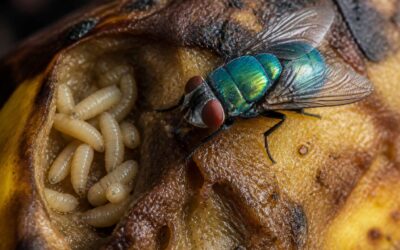
One of the most visceral reasons why flies are attracted to me is their keen sensitivity to blood and open wounds. Flies are naturally drawn to the scent of decay, which signals a potential feeding site or a safe spot for laying eggs. When skin is broken or blood is exposed, it creates an unmistakable beacon for these tiny scavengers, turning your injury into a magnet in the insect world.
This attraction isn’t random. Flies have evolved highly specialized olfactory receptors that can detect the scent of blood and decomposing tissue from a considerable distance. Once they sense these signals, they zero in with relentless focus, eager to find a suitable place to feed or deposit their larvae. In regions like South Africa, where outdoor activities are common, this biological instinct becomes even more pronounced, often making people wonder, why flies are attracted to me.
In some cases, the presence of cuts or abrasions, no matter how minor, can cause an immediate influx of flies. They see these openings as perfect sites for nourishment and reproduction. The combination of blood, skin bacteria, and natural body warmth creates a potent allure that these insects simply cannot resist. It’s a primal dance—your injuries signaling a ready food source, attracting flies with an almost magnetic pull.
Environmental Factors That Draw Flies
Presence of Food and Garbage – Why food scraps and waste lure flies
In the intricate dance of nature’s unseen forces, the presence of food and garbage forms a magnet for flies, drawing them with an almost hypnotic allure. These tiny scavengers thrive on the scent of decaying matter, where organic remnants release volatile compounds that beckon them from afar. It’s as if the refuse whispers promises of sustenance, enticing flies with every waft of rotten fruit or spoiled leftovers.
In South Africa’s warm climate, where the sun’s rays amplify the aroma of decomposing waste, the question persists—why flies are attracted to me? The answer lies in the environment’s silent invitation: overflowing bins and uncovered trash heaps serve as open invitations to these persistent visitors. Their attraction is not merely instinct but an orchestration of chemical cues that make any refuse-laden site a veritable banquet for flies.
- Food scraps
- Unevenly sealed garbage bins
- Organic waste in compost heaps
Every piece of discarded food or waste acts as an irresistible siren song, amplifying the mystery of why flies are attracted to me. It’s a symphony of scent and sight that turns ordinary waste into a beacon, pulling these relentless insects into a relentless pursuit of nourishment and survival amidst the vibrant landscape of South Africa’s bustling towns and rural stretches alike.
Standing Water and Moisture – Impact of stagnant water, damp areas, and humidity
In the sultry embrace of South Africa’s climate, stagnant water and damp, neglected corners become hidden magnets for flies. These tiny creatures are not merely opportunists—they are relentless seekers of moisture, drawn irresistibly to standing pools, unkempt drains, and soggy patches that linger unnoticed. As humidity climbs, so does their fervor, turning every moist surface into a pulsating hive of potential offspring and sustenance. It’s as if the very air hums an invitation, whispering secrets to these persistent invaders.
Consider how open water, left undisturbed, transforms into a veritable banquet for flies. Their attraction is mediated by chemical signals emitted from moist organic matter, which waft through the air like an irresistible call to feast. For those wondering why flies are attracted to me, often the culprit lies in the environment—humid, wet, or damp areas that echo with the scent of decay or moisture, beckoning these tiny scavengers with an unyielding allure.
- Stagnant pools of water
- Overgrown, damp vegetation
- Uncovered water containers or buckets
Each of these elements acts as a silent siren, amplifying the natural predilection of flies for moisture and organic decay. When humidity rises, so does their fervor, transforming every damp corner into a fertile ground for proliferation. This confluence of environmental factors explains, in part, why flies are attracted to me—sometimes the answer is simply the moist, neglected space that surrounds us, turning everyday neglect into a magnet for these relentless insects.
Decaying Organic Material – Role of compost, animal droppings, and rotting plants
Within the intricate web of environmental cues, decaying organic material stands as a silent siren, summoning flies with an almost hypnotic allure. In South Africa’s sun-kissed landscapes, where compost heaps and rotting plant matter are commonplace, understanding why flies are attracted to me becomes a matter of unraveling their primal instincts. These insects are not merely scavengers but meticulous connoisseurs of organic decay, guided by chemical signals that whisper promises of nourishment and reproductive opportunity.
Specifically, compost piles rich in decomposing vegetable matter, animal droppings, and rotting plants emit a complex cocktail of odors—volatile compounds that flies recognize instantly. The scent of decay signals a fertile ground for laying eggs, and in this environment, their relentless pursuit of organic richness is evident.
- Decaying organic waste
- Uncovered animal feces
- Decomposing plant debris
These elements act as magnetized attractors, drawing flies into a vortex of biological opportunity. It’s no coincidence that, in South Africa’s warm climate, these organic signals become even more potent, transforming neglected areas into veritable breeding grounds.
The why flies are attracted to me hinges on this ecological symphony—an environment where organic decay dominates. When organic material is left exposed—be it in compost bins, uncleaned animal enclosures, or overgrown garden beds—the chemical trails become unmistakable. Flies navigate by scent, their tiny antennae deciphering the faint but persistent call of rotting matter, leading them straight to the source. It’s as if every decaying leaf or manure patch whispers an invitation, whispering secrets that only these relentless insects can interpret with such singular purpose.
Unclean Surfaces and Dirty Laundry – How unwashed clothes and dishes attract flies
In the vibrant landscapes of South Africa, flies seem to have an uncanny ability to find their way to the most unlikely spots—especially when surfaces are unclean or dishes are left to fester. The question often arises: why flies are attracted to me? The answer lies in the environment we inadvertently create around our living spaces. Unwashed laundry, dirty dishes, and neglected surfaces emit a potent chemical signal that draws these persistent insects with relentless precision.
Flies are expert scavengers, guided by olfactory cues that overwhelm their senses. When clothes are left damp and unwashed, they become a breeding ground for bacteria, which in turn produce odors that flies find irresistible. Similarly, dishes piled high with food scraps and residue release volatile compounds, creating a veritable invitation for flies to investigate. It’s as if every morsel and stain whispers a siren call that only these insects can interpret, leading them directly to the source.
In addition, standing water or damp patches around the home further complicate matters. These moist environments serve as ideal breeding sites, amplifying the attraction to unclean surfaces. The persistent presence of organic matter, whether in the form of spilled drinks or decaying plant debris, acts as a magnet, pulling flies ever closer. The more neglected the surface, the more potent the scent—fueling the cycle of attraction and infestation. It’s no wonder that, in South Africa’s warm climate, these environments become hotbeds for fly activity, making understanding the why flies are attracted to me essential for effective control.
Personal Habits and Lifestyle Influences
Diet and Eating Habits – Foods that may increase body scent attractiveness to flies
In the intricate dance of nature’s unyielding laws, flies seem irresistibly drawn to certain individuals—an enigma that whispers of hidden signals our bodies unwittingly emit. Many wonder why flies are attracted to me, especially when seemingly no obvious reason exists. The answer often lies in the subtle symphony of personal habits and lifestyle choices that paint a portrait of scent and chemical cues, unknowingly broadcasting an irresistible allure to these winged visitors.
Diet and eating habits, for instance, significantly influence body scent attractiveness to flies. Foods rich in sugars, fermented products, or certain spices can alter the natural aroma of our skin, releasing chemical signals that flies find alluring. Consuming a diet high in processed or sugary foods sometimes amplifies body odor, making one more appealing to these pesky insects. Additionally, neglecting hygiene—such as unwashed skin, dirty laundry, or food residues—can create a fragrant beacon that draws flies closer with each passing moment.
- Fruits and sweet beverages
- Fermented foods like cheese or alcohol
- High sugar intake affecting natural scent
Furthermore, lifestyle factors like standing in damp, humid environments or neglecting personal hygiene can amplify this attraction. When sweat mixes with natural skin oils and residues from food, it creates a potent cocktail that flies find hard to resist. The combination of these elements, along with natural skin oils and hair products, crafts an aroma profile uniquely appealing to their senses. Understanding why flies are attracted to me involves recognizing these subtle yet powerful influences that broadcast our presence to the winged swarm around us.
Use of Fragrances and Perfumes – How certain scents can attract insects
There’s an almost hypnotic allure that certain scents wield over flies, a phenomenon that baffles many and intrigues others. When pondering *why flies are attracted to me*, one must look beyond superficial explanations and delve into the subtle symphony of personal habits and olfactory signals. Fragrances—whether natural or synthetic—play a crucial role in this complex dance, transforming our personal scent profile into an irresistible beacon for these winged scavengers.
Many perfumes and scented products contain notes that inadvertently mimic organic residues or fermenting substances, making them particularly alluring to flies. For instance, perfumes with sweet, fruity, or spicy accords can, surprisingly, heighten one’s attractiveness to them. The chemical composition of certain fragrances resembles the aroma of decaying organic matter, which is a primary attractant for flies seeking nourishment or breeding grounds. This subtle yet persistent scent emission can explain *why flies are attracted to me*, especially when I wear strong or heavily scented cosmetics.
Adding to this complexity, personal hygiene habits significantly influence this attraction. Use of scented lotions, hair products, or deodorants can create a layered scent profile that overlaps with natural attractants like sweat or skin oils. Interestingly, some fragrances contain aldehydes or certain alcohol derivatives that mimic the smell of rotting fruit or decomposing matter—further enticing flies. To navigate this, many individuals inadvertently broadcast signals that make them stand out in the insect’s olfactory landscape.
- Perfumes with sweet or fruity notes
- Scented body lotions and hair sprays
- Use of alcohol-based products or deodorants
All these factors intertwine, amplifying the query *why flies are attracted to me*—a question rooted in the intricate chemistry of scent. Recognizing how personal fragrance choices and lifestyle habits shape these chemical signals unveils a fascinating aspect of our interaction with the natural world, especially in environments where moisture, organic waste, and humidity create ideal breeding grounds for these persistent insects. In South Africa’s warm climate, where humidity often peaks, understanding these influences becomes even more crucial in unraveling the mysterious attraction flies feel towards us.
Personal Hygiene Practices – Impact of cleanliness and hygiene on fly attraction
The subtle interplay of personal habits and hygiene practices creates a complex olfactory landscape that can significantly influence why flies are attracted to me. In South Africa’s sweltering climate, where humidity and warmth amplify natural scents, understanding this dynamic becomes even more vital. Personal hygiene is not merely about cleanliness but about the intricate scent signals we emit—layered and often unnoticed—that can draw these persistent insects closer.
Unwashed clothes, lingering food residues, and unclean surfaces serve as silent invitations to flies, transforming our environment into a breeding ground. The presence of damp areas or stagnant water around the home further exacerbates this attraction, providing ideal breeding sites for flies. Interestingly, even the choice of personal products, such as scented lotions or deodorants, can inadvertently broadcast signals that make us stand out in the insect’s olfactory landscape.
For many, the question of why flies are attracted to me often hinges on the subtle chemistry of scent. The combination of sweat, skin oils, and the fragrances we wear creates a layered aroma that some flies find irresistible. These chemicals, especially in humid environments, amplify the likelihood of being targeted by flies—a phenomenon that underscores the importance of mindful personal habits and hygiene in managing insect attraction.
Medical and Health Conditions
Open Skin Conditions and Wounds – Why cuts or infections attract flies
Many South Africans have experienced the puzzling phenomenon—standing peacefully in their garden or sitting on the veranda, only to be suddenly swarmed by flies. It’s a common question: why flies are attracted to me? The answer often lies in open skin conditions and wounds. Flies are instinctively drawn to the scent of blood and bodily fluids, which signal a potential feeding site or breeding ground. When cuts or infections are present, they emit specific chemical signals that attract these persistent insects.
Open wounds and skin infections release unique odors, which flies find irresistible. These odors are composed of organic compounds that signal a rich source of protein and moisture—perfect for egg-laying and nourishment. For individuals with skin conditions or injuries, it’s crucial to understand that flies are not just nuisances but potential carriers of disease. Their attraction to open skin underscores the importance of maintaining proper wound hygiene and covering cuts to reduce fly encounters.
- Infections and sores
- Blood traces from injuries
<li- Skin conditions releasing organic compounds
By understanding why flies are attracted to me when I have open skin conditions or wounds, it becomes easier to take preventive steps—like covering wounds and keeping the skin clean—to deter these unwelcome visitors and safeguard health. The persistent presence of flies in these scenarios isn’t just an annoyance; it’s a reminder of the delicate balance between human health and the natural environment surrounding us.
Metabolic Disorders – Conditions that alter body scent profiles
In South Africa’s warm climate, the question of why flies are attracted to me often puzzles many. Flies have an uncanny ability to sense chemical signals emitted from various health conditions, especially metabolic disorders. These conditions can significantly alter the scent profile of an individual, making them more appealing targets for these persistent insects. For example, certain metabolic disorders, such as diabetes or phenylketonuria, can produce distinctive body odors that flies find irresistible.
These altered scent signatures aren’t just random; they are complex chemical cues that flies hone in on with remarkable precision. They detect changes in sweat composition, increased levels of specific organic compounds, or even shifts in body temperature linked to metabolic imbalances. This heightened attraction is no coincidence—flies are preprogrammed to seek out nutrients and optimal breeding sites, which often correlates with the scent changes caused by metabolic disorders.
Understanding why flies are attracted to me due to these health conditions highlights the importance of maintaining personal hygiene and seeking medical advice if unusual body odors persist. Recognizing the link between metabolic disorders and fly attraction can help in managing the unwelcome attention from these insects, especially in environments where sanitation and health awareness are critical.
Fungus or Bacterial Infections – How infections can attract flies
In South Africa’s sun-drenched landscapes, it’s a common spectacle: swarms of flies circling a seemingly innocuous spot. But have you ever wondered why flies are attracted to me? The answer often lies in the insidious ways that certain medical and health conditions can unwittingly broadcast chemical signals that flies find irresistible. These insects are not just nuisances but highly skilled chemotaxis experts, honing in on specific scents that signal organic decay or nutrient-rich environments.
Fungal or bacterial infections are prime culprits. When the skin becomes compromised by an infection, the body’s natural response—an increase in moisture, pus, or unusual odors—acts like a beacon for flies. These insects are especially drawn to open wounds or skin rashes that emit unique chemical cues. In some cases, infections can produce an array of volatile organic compounds (VOCs), which serve as irresistible signals to these persistent insects.
For those pondering why flies are attracted to me, it’s worth considering how infections alter your scent profile. The presence of decaying tissue or bacterial activity creates a veritable banquet for flies, who are eager to lay eggs in what they perceive as a suitable breeding site. This attraction is not merely opportunistic but rooted in their evolutionary drive to find nutrient sources and optimal environments for reproduction.
- Infections that cause foul odors
- Presence of open wounds or sores
- Accumulation of organic debris around affected areas
Understanding this connection underscores the importance of proper hygiene and prompt medical attention for skin infections. After all, the lingering question—why flies are attracted to me—can often be traced back to untreated or poorly managed infections that emit specific chemical signatures, turning you into an unintended fly magnet in the process.
Strategies to Minimize Flies Attraction
Maintaining Personal Hygiene – Best practices to reduce body scent and attractants
In the dance of nature’s unseen courtship, flies are drawn irresistibly to certain scents and signals—an allure that often puzzles those seeking peace from their persistent presence. Why flies are attracted to me? It’s a question many ask when these winged shadows hover uninvited, turning simple moments into unwelcome spectacles. The answer lies in the subtle symphony of body chemistry, where natural oils and chemical secretions create a fragrant tapestry that entices these tiny predators.
Maintaining personal hygiene is a crucial barrier—yet, it’s more than just cleanliness; it’s about understanding how body scent, perspiration, and even the products we wear can act as sirens to flies. For instance, certain fragrances or perfumes—though alluring to us—may serve as an olfactory beacon for insects. To diminish this attraction, consider minimizing the use of strongly scented products and ensuring that skin and hair are kept fresh.
Proper Waste Management – Keeping trash and organic waste sealed and clean
In the bustling streets and vibrant homes of South Africa, the persistent presence of flies often leaves residents asking, “why flies are attracted to me?” It’s a question rooted in the complex dance of scent and environment, where seemingly minor factors can turn your personal space into an insect magnet. One powerful strategy to deter these unwelcome guests is proper waste management—an often overlooked but vital aspect of reducing fly attraction.
Keeping trash sealed tightly and ensuring organic waste is disposed of correctly can dramatically cut down on the olfactory signals that draw flies. Flies are particularly attracted to decaying organic material, so maintaining cleanliness around your rubbish bins is essential. Regularly cleaning and disinfecting waste areas helps eliminate residual odors that could serve as a beacon for these pests. For added protection, consider implementing a routine that includes:
- Using sealed garbage bins with secure lids
- Emptying trash more frequently during warm months
- Washing out containers to remove lingering scent trails
By managing waste effectively, you can significantly diminish the environmental cues that make you wonder why flies are attracted to me. This simple yet critical step creates an unwelcoming atmosphere for flies, helping to restore peace and hygiene to your surroundings. After all, in the intricate web of scent signals, cleanliness is your strongest ally against these tiny, hovering invaders.
Eliminating Standing Water – Preventing fly breeding sites around your home
Stagnant water and moisture are breeding grounds for flies, transforming your surroundings into a fly paradise. These unwelcome guests thrive in damp, neglected areas where water collects unnoticed. In South Africa’s humid climate, standing water can linger in flower pots, discarded containers, or even clogged gutters, creating an ideal environment for fly breeding. It’s no wonder many wonder why flies are attracted to me—often, the answer lies just beneath the surface of neglect.
Eliminating standing water is crucial in reducing fly populations around your home. Regularly empty or refill birdbaths, clear blocked drains, and ensure that no water remains stagnant in any container or low-lying area. Additionally, inspecting your garden for puddles after rains and promptly draining them can drastically diminish potential breeding sites. For those seeking a more structured approach, consider creating a routine that involves checking and removing water buildup weekly.
- Remove or cover containers that can hold water.
- Maintain proper drainage in your yard and around your property.
- Use mosquito dunks or environmentally safe larvicides in standing water that cannot be drained.
By proactively addressing moisture and stagnant water, you cut off an essential element in the fly life cycle. This simple yet effective step makes it less likely for flies to find the ideal environment to reproduce, helping you understand why flies are attracted to me less frequently. Remember, in the battle against these tiny pests, moisture control is one of the most powerful weapons at your disposal.
Using Repellents and Screens – Physical and chemical barriers to keep flies away
When the warm South African sun casts its golden glow, it’s easy to feel connected to nature’s vibrant tapestry. Yet, that allure can sometimes attract uninvited guests—flies. Many wonder why flies are attracted to me, and the answer often lies in the subtle interplay of environmental cues and personal scent. Flies are drawn to specific signals that reveal opportunities for feeding, breeding, or laying eggs, making our surroundings a magnet if we’re not vigilant.
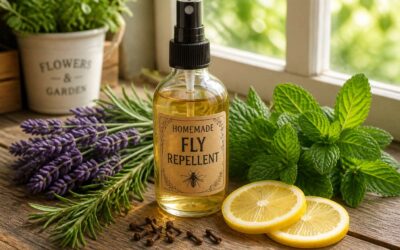
To combat this, employing physical and chemical barriers can be remarkably effective. Screens on windows and doors serve as silent sentinels, preventing flies from slipping inside while allowing fresh air to circulate. Additionally, natural repellents such as citronella candles or essential oils—like eucalyptus or lemongrass—can disrupt their keen olfactory senses, making your home less appealing. For those seeking a more robust defense, chemical repellents formulated for outdoor use can create an invisible barrier, deterring flies before they even come close.
Creating a layered approach enhances protection.
- Use fine mesh screens on all entry points.
- Apply eco-friendly repellents around your perimeter.
- Maintain cleanliness to eliminate attractants that lure flies inside.
This multi-pronged strategy doesn’t just reduce the chances of flies being attracted to me but also restores serenity to your living space. When combined with other measures—such as proper waste management and eliminating standing water—these barriers form a formidable defense against the persistent quest of flies to find a haven around your home.

0 Comments