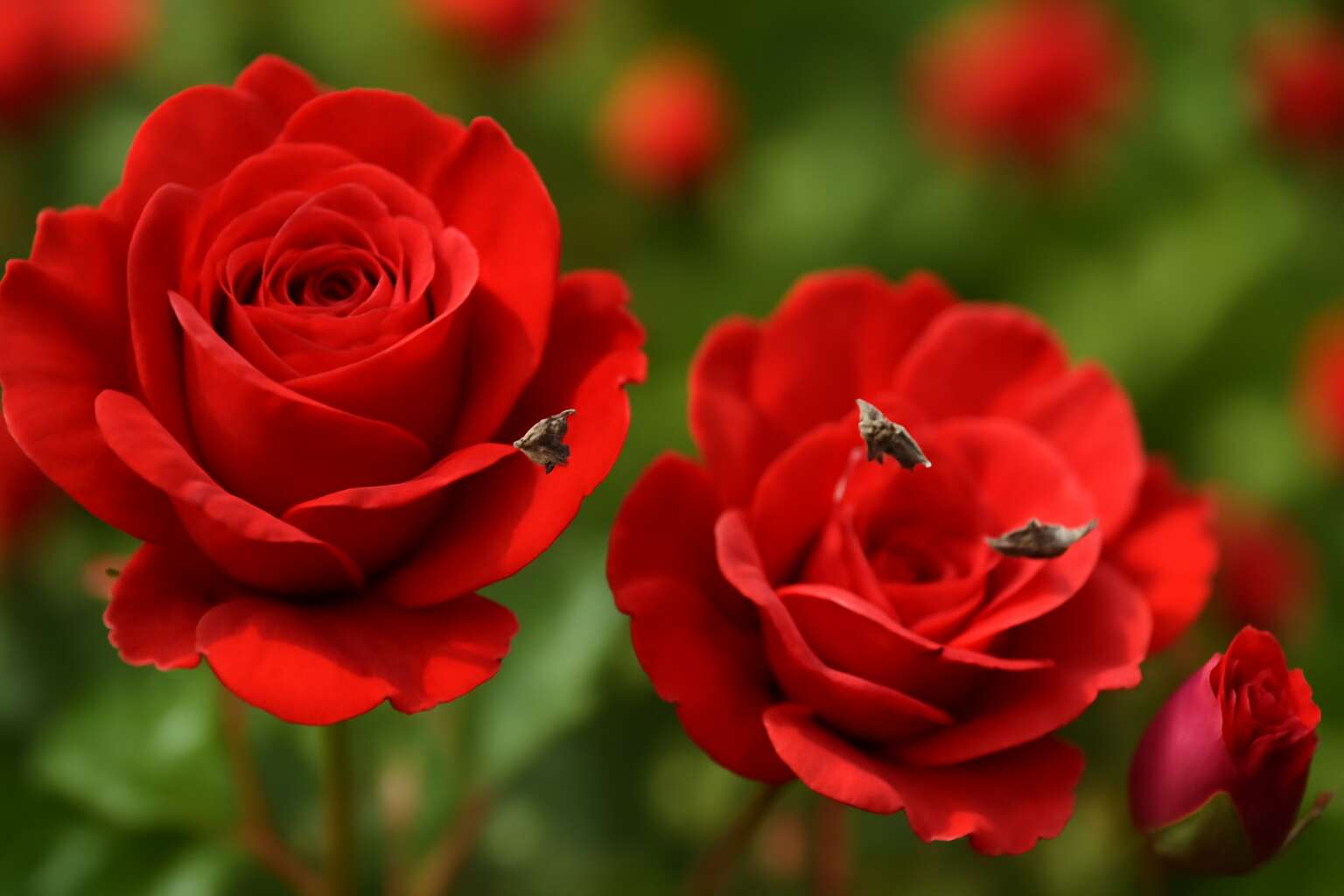
Understanding Flies on Roses
Types of Flies Commonly Found on Roses – Identify various fly species attracted to roses
Flies on roses might seem like a minor nuisance, but these tiny invaders can reveal a lot about your garden’s health — and they’re definitely not the kind of guests you’d invite to tea. Interestingly, certain fly species are irresistibly drawn to the sweet nectar and fragrant blooms of roses, turning these delicate flowers into a buzzing banquet. Understanding which flies are attracted to roses can help you identify the underlying issues, whether it’s overripe fruit, decaying organic matter, or even pests hiding among the petals.
Among the common culprits are various species of hoverflies, which often get mistaken for small bees but are far less intimidating. Their presence isn’t solely a sign of trouble; they are also beneficial pollinators. However, not all flies on roses are friendly visitors. Some, like fungus gnats and fruit flies, are more interested in decomposing plant material or fermenting sap than the blooms themselves. Recognising the differences between these species is essential for proper garden management.
- Hoverflies (Syrphidae): Usually harmless, these flies are attracted to the nectar of roses and help with pollination.
- Fungus gnats (Sciaridae): Often found around damp soil, they are drawn to decaying organic matter and can indicate overwatering.
- Fruit flies (Drosophilidae): These tiny pests are attracted to fallen fruit or rotting plant debris, sometimes found on the edges of rose beds.
By familiarising yourself with these species, you can better understand the complex ecosystem that surrounds your beloved roses — and perhaps even outsmart those pesky flies on roses with a touch of botanical wit!
Why Flies Are Drawn to Roses – Explore the natural reasons flies are attracted to rose plants
There’s a quiet, almost enchanted allure to roses, yet the presence of flies on roses can transform this delicate spectacle into a curious dance of nature’s unseen forces. Flies are irresistibly drawn to these blossoms for reasons rooted deep in their biological instincts—seeking nourishment, shelter, or a place to lay their eggs. It’s as if each bloom whispers a secret to these tiny visitors, luring them closer with the promise of sweet nectar or decaying matter hidden among the petals.
Understanding why flies are attracted to roses opens a window into the complex ecosystem thriving around your garden. Some flies, like hoverflies, are drawn to the fragrant nectar, aiding in pollination without causing harm. Others, such as fungus gnats and fruit flies, are more interested in the organic detritus that often accumulates at the base of rose bushes. Their attraction is a natural response to the subtle cues of fermenting sap, rotting leaves, or overripe fruit that may be nestled in the soil or among fallen petals.
- Fallen organic matter
- Moist, damp soil from overwatering
<li Overripe or rotting fruit nearby
In the magical world of rose gardens, these tiny creatures serve as both messengers and participants in the ongoing symphony of life. Recognising the natural reasons flies on roses are drawn to these plants can reveal much about the health and balance of your garden’s ecosystem, turning the nuisance into an insightful tale of botanical wonder.
Symptoms and Signs of Fly Infestation on Roses
Visual Indicators of Flies on Roses – Spotting flies and damage on rose petals and stems
In the shadowy world of garden pests, flies on roses can be a sinister sign of underlying trouble. Visual indicators often reveal more than mere nuisance; they whisper secrets about the health of your beloved blooms. When flies invade, they leave behind telltale signs that demand urgent attention.
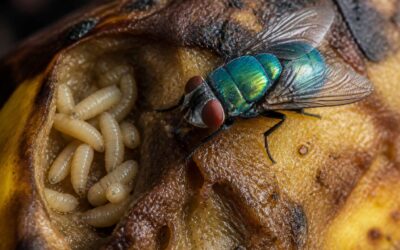
Look closely at the rose petals and stems—any discolouration, sticky residue, or tiny holes are early warning signs. Flies on roses are frequently accompanied by frass, a fine powdery substance that indicates larval activity beneath the surface. You might also notice a foul odour or the presence of maggots nestled within the flower heads. These symptoms signal a deeper infestation that could compromise the entire plant’s vitality.
Spotting the damage requires vigilance. Often, the first visual indicator is a cluster of small flies darting swiftly around the plant. But beyond the insects themselves, watch for:
- Deformed petals or buds
- Wilting or discoloured foliage
- Unusual sticky or slimy patches on stems and leaves
Recognising these signs early on can be the difference between a thriving rose garden and a battlefield strewn with the aftermath of fly infestation. Flies on roses are more than a fleeting annoyance—they herald a potential crisis lurking beneath the surface.
Unusual Odors Associated with Flies – Detecting fermentation or decay smell attracting flies
When flies on roses start buzzing around, it’s often more than just a minor annoyance; it’s a telltale sign of something fermenting beneath the surface. One of the most insidious indicators of infestation is an unusual odour—think of it as nature’s very own distress signal. If your roses begin to emit a foul, rotting smell, it’s highly likely that decay or fermentation is attracting those persistent flies. This odour acts like a magnet, drawing in more pests and exacerbating the problem.
Beyond the scent, keep an ear out for the telltale hum of flies, but don’t overlook the subtle clues. You might notice sticky patches or a slimy film on your rose stems, hinting at bacterial or fungal activity. These signs often accompany the presence of maggots nestled within the flower heads—a clear indication that larvae are thriving in decomposing organic material. Recognising these symptoms early can prevent a minor nuisance from escalating into a full-blown fly invasion.
In fact, the presence of a foul odour and sticky residues aren’t just unpleasant—they’re warning signs that your roses could be under siege from a pest infestation. Flies on roses are often drawn by the scent of rotting matter, which signals a perfect breeding ground for larvae. Being vigilant for these signs is essential to maintaining the health and beauty of your garden, ensuring that flies don’t turn your rose plants into a battleground of decay and pest proliferation.
Causes of Flies on Roses
Attractive Environmental Conditions – Factors such as overwatering, compost, and mulch
In the delicate dance between gardener and bloom, a surprising culprit often disrupts the harmony: flies on roses. Surprisingly, the very environment that nurtures these regal blossoms can inadvertently invite these unwelcome guests. Overwatering, for instance, creates a lush, damp haven—perfect for flies seeking moisture and decaying organic matter. Mulch, while beneficial for retaining soil health, can become a magnet for flies if it’s allowed to remain overly damp or begins to decay. Compost, when placed too close to rose beds, becomes a veritable banquet for flies, emitting odours that are as alluring as they are repulsive.
Consider, too, the subtle nuances of environmental conditions—such as poor drainage or excessive organic debris—that turn your rose garden into a fly magnet. To prevent an infestation, some gardeners prefer to implement a simple but effective strategy: regularly inspecting and managing compost and mulch layers. For those who wish to keep their roses pristine and free of these tiny intruders, understanding the causes behind flies on roses is the first step towards a more harmonious garden. After all, a healthy environment is the best defence against the persistent allure of these winged visitors.
Presence of Decaying Organic Matter – How fallen leaves, compost, or dead plant parts attract flies
The presence of decaying organic matter is one of the most insidious catalysts for flies on roses. Fallen leaves, dead plant parts, and compost that isn’t properly managed can turn a beautiful garden into a magnet for these unwelcome winged visitors. Flies are naturally drawn to the odorous emissions of decomposing organic material, perceiving them as a source of nourishment and breeding sites. This attraction is no coincidence—decaying matter releases fermentation scents that are irresistibly alluring to many fly species, especially when the environment is warm and damp.
To understand the full extent of their attraction, consider that organic debris acts as a veritable banquet for flies. They lay their eggs on rotting matter, which provides a perfect nursery for developing larvae. If left unchecked, this cycle perpetuates, leading to an increase in flies on roses and surrounding plants. Managing fallen leaves, removing dead plant debris, and ensuring compost is well-maintained are essential steps in breaking this cycle. In the intricate dance of garden ecology, decaying organic matter is a silent conductor, orchestrating the unwelcome arrival of flies on roses.
Poor Garden Hygiene – Impact of unclean tools and neglected plant care
In the quiet corners of a lush garden, the presence of flies on roses can turn a picture of serenity into a scene of unwelcome disturbance. One often overlooked cause is poor garden hygiene, which can silently invite these winged intruders. Neglected tools, such as pruners and forks, that aren’t properly cleaned after use can become breeding grounds for fly eggs, perpetuating their unwelcome visitations. Similarly, neglecting to remove fallen leaves or dead plant debris allows organic waste to accumulate, creating a fertile environment for flies to thrive.
Proper garden maintenance is more than just aesthetics—it’s a crucial defence. An unkempt garden with overgrown mulch or unremoved compost can quickly become a magnet for flies on roses. These pests are drawn to the fermenting odours emitted by decaying organic matter, perceiving them as prime spots for nourishment and reproduction. The cycle feeds itself: flies lay eggs on decaying matter, larvae hatch, and the problem intensifies, spreading from the compost heap to the roses themselves.
In fact, the impact of unclean tools and neglect extends beyond visual appeal; it fundamentally alters the garden’s ecological balance. Regularly disinfecting gardening implements and removing organic waste can significantly reduce the chances of flies on roses. Without these precautions, the garden transforms into an unwelcome haven for flies, disrupting the delicate harmony of plant health and inviting pest problems that can be stubborn to eradicate.
Impact of Flies on Rose Health and Garden Ecosystem
Potential Damage to Roses – How flies can contribute to disease transfer or damage
Flies on roses are more than just an unsightly nuisance; they pose a tangible threat to the health of your beloved blooms and the broader garden ecosystem. These persistent visitors can act as unwitting vectors for plant diseases, subtly undermining the vitality of your roses from within. Once they settle, flies may transfer pathogenic spores or bacteria, accelerating decay and weakening the delicate petals and stems. This silent invasion often goes unnoticed until the damage becomes visually evident, such as discolouration or wilting.
More alarmingly, the presence of flies on roses can disrupt the natural balance of your garden’s ecosystem. Flies are attracted to decaying organic matter, which fosters an environment ripe for infestation. An increase in fly activity can encourage a chain reaction—predators, parasites, and other pests may follow, further destabilising your garden’s health. If unchecked, this can lead to a cycle of damage that diminishes flower quality and overall plant resilience, highlighting the importance of understanding how flies on roses can cause potential harm and affect your garden’s sustainability.
Role of Flies in Garden Biodiversity – Beneficial aspects of certain fly species in pollination and decomposition
The presence of flies on roses can subtly shift the delicate balance of your garden’s ecosystem. While these insects may seem insignificant at first glance, their impact on rose health can be surprisingly profound. Certain fly species, especially those involved in decomposition, play a vital role in maintaining biodiversity. They aid in breaking down organic matter, recycling nutrients that nourish surrounding plants, including roses. This natural process supports a healthy garden environment, fostering resilient blooms and vibrant foliage.
Interestingly, not all flies are unwelcome visitors. Some species contribute positively by aiding in pollination, subtly increasing the vitality of your rose bushes. Their role in decomposition helps prevent the buildup of decaying organic material, which could otherwise foster harmful pests or pathogens. This dynamic illustrates how flies on roses are often part of a complex web of ecological interactions—where even the smallest creature influences the broader garden biodiversity. Recognising this duality can deepen our understanding of garden health and the importance of balancing natural pest control with maintaining ecological harmony.
Effective Methods to Get Rid of Flies on Roses
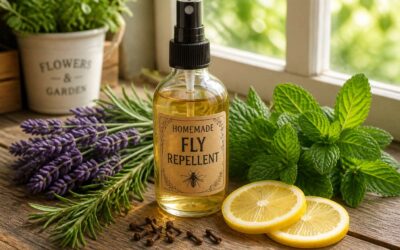
Natural Pest Control Solutions – Using neem oil, insecticidal soap, or homemade repellents
When it comes to flies on roses, many gardeners feel like they’ve stepped into a botanical battleground. Luckily, natural pest control solutions can turn the tide without the need for harsh chemicals. Neem oil, a botanical warrior, disrupts the life cycle of flies on roses by acting as a potent deterrent. Simply dilute neem oil with water and a few drops of liquid soap, then spray it onto affected plants—your roses will thank you!
In addition, insecticidal soap offers a swift, eco-friendly fix. Its soap-based formula suffocates the tiny invaders, making it an excellent choice for delicate blooms. For those who enjoy DIY remedies, homemade repellents—such as garlic or chilli sprays—can also keep flies on roses at bay. These natural concoctions create an unfriendly environment for the pests while remaining gentle on your favourite blooms.
If you prefer a more structured approach, consider implementing a
- regular inspection schedule
- removal of decaying organic matter
- pruning to improve air circulation
. These steps help eliminate attractants for flies on roses and promote healthier growth. Embracing natural pest control solutions not only wards off these pesky flies but also maintains the integrity of your garden’s ecosystem—keeping it beautiful, balanced, and blissfully fly-free.
Cultural Practices to Prevent Flies – Proper watering, pruning, and sanitation tips
Flies on roses can turn a beautiful garden into an unsettling scene. These tiny invaders don’t just hover aimlessly; they are often attracted by specific environmental factors that create the perfect breeding ground. Addressing these underlying causes is essential to prevent a persistent infestation that can harm your cherished blooms.
One effective approach is to maintain proper watering habits. Overwatering can lead to excess moisture, creating a fermentation-prone environment that attracts flies. Similarly, regular pruning enhances air circulation, reducing humidity and discouraging fly proliferation. Sanitation plays a crucial role—removing fallen leaves, decaying organic matter, and dead plant parts eliminates attractants that draw flies to roses. For garden hygiene, consider establishing a routine that includes cleaning tools and disposing of organic debris promptly.
- Inspect your roses frequently for signs of fly activity or damage.
- Prune to open up dense foliage, preventing damp, stagnant areas.
- Remove decaying matter swiftly to cut off fly breeding sites.
By combining these cultural practices with natural pest control solutions, you can create an environment that is inhospitable to flies on roses, safeguarding the health and beauty of your garden while maintaining ecological harmony. These steps do more than just control pests; they reinforce a resilient garden ecosystem that resists the persistent presence of flies on roses.
Physical Barriers and Traps – Deploying fly traps and mesh covers
When the delicate splendour of roses is marred by unwelcome visitors, the sight of flies on roses can evoke a sense of ecological imbalance that is hard to ignore. To combat this persistent nuisance, deploying effective physical barriers and traps offers a strategic line of defence. Fly traps, whether sticky cards or baited devices, serve as silent sentinels, capturing these tiny invaders before they can establish a foothold. Meanwhile, mesh covers—crafted from fine, breathable fabric—act as an almost invisible shield, allowing sunlight and air to nurture your roses while keeping flies at bay.
For those seeking a more organised approach, consider the following steps:
- Install mesh covers over vulnerable rose bushes to create a physical barrier, thwarting flies on roses from laying eggs on blossoms and stems.
- Place natural or commercially available fly traps around the garden perimeter, ensuring they are positioned away from your roses to avoid attracting more flies directly onto the plants.
- Regularly check and maintain these traps, replacing or replenishing attractants to ensure their continued effectiveness.
By integrating these physical methods into your garden routine, you not only reduce the presence of flies on roses but also enhance the overall health and resilience of your garden ecosystem. These measures serve as a vital extension of your cultural practices, reinforcing the natural barriers that keep flies away from your cherished blooms.
Chemical Treatments – When and how to use insecticides safely
When the delicate allure of roses is marred by an incessant swarm of flies on roses, it signals more than mere nuisance—it hints at underlying ecological imbalances that demand attention. Chemical treatments, when employed judiciously, can serve as a formidable line of defence against these unwelcome visitors. The key lies in understanding the optimal timing and application methods to ensure both efficacy and safety.
Insecticides should be utilised when signs of infestation become evident—such as visible flies on roses or damage to petals and stems. It’s imperative to follow the manufacturer’s instructions meticulously, applying treatments during early morning or late evening hours to minimise harm to beneficial insects and avoid direct sunlight that could degrade the chemicals. Remember, overuse can lead to resistance, so restraint coupled with targeted application is essential.
For a more strategic approach, consider using products containing active ingredients like neem oil or insecticidal soap, which are biodegradable and less likely to disrupt your garden’s delicate balance. Applying these solutions directly onto affected plants, ensuring thorough coverage of the undersides of leaves and stems, can significantly reduce fly populations. Additionally, rotating different insecticides prevents the development of resistance, maintaining their effectiveness over time.
Incorporating chemical treatments into your garden management should be paired with ongoing vigilance. Regular monitoring of your roses ensures timely intervention, preventing the proliferation of flies on roses and safeguarding the overall health of your beloved blooms. When used responsibly, insecticides become a powerful ally in the quest for a pristine, fly-free garden paradise.
Preventive Measures for Flies on Roses
Maintaining Garden Hygiene – Regularly cleaning and removing debris
In the delicate dance of a blooming garden, the presence of flies on roses can turn a lush spectacle into an unwelcome invasion. Interestingly, more than 80% of garden pests stem from neglecting basic hygiene, which inadvertently invites these tiny intruders. Maintaining garden hygiene is not just about aesthetics; it’s a vital barrier against flies on roses. Regularly clearing fallen petals, dead leaves, and organic debris creates an environment less appealing to flies, disrupting their breeding grounds and reducing their numbers.
Simple yet effective practices can significantly diminish the allure of your rose garden to these unwelcome visitors. For instance, an orderly garden bed with well-timed pruning and proper watering discourages decaying organic matter—prime real estate for flies on roses. Implementing physical barriers such as fine mesh covers or strategically placed fly traps can intercept these pests before they settle. When combined with natural pest control solutions like neem oil or insecticidal soap, your roses will stand resilient against the persistent buzz of flies on roses, preserving their pristine beauty and health.
Proper Plant Care – Ensuring healthy roses to resist pests
Healthy roses are the secret weapon in the battle against persistent flies on roses. When a plant is well-nourished, resilient, and properly cared for, it naturally resists pest invasions—flies included. Ensuring your roses receive the right balance of nutrients and proper watering techniques fortifies their immune system, making them less attractive to those tiny buzzing intruders. A vigorous, healthy plant is not only more beautiful but also less prone to the kind of damage that draws flies on roses.
To strengthen your rose’s defences, consider adopting proactive cultural practices. Regular pruning not only promotes airflow but also removes decaying stems that could serve as breeding grounds for flies on roses. Proper watering—avoiding both overwatering and underwatering—helps prevent the development of fungal issues and organic decay, which, as we all know, are magnets for flies. Additionally, maintaining a tidy garden environment by clearing fallen petals and organic debris diminishes potential breeding sites for flies on roses.
- Implement natural pest control methods such as neem oil or insecticidal soap, which can repel flies without harming beneficial insects.
- Use physical barriers like fine mesh covers to keep flies off vulnerable blooms.
- Practice strategic sanitation, ensuring tools and pots are clean to prevent inadvertent pest transmission.
By integrating these practices into your gardening routine, you’ll cultivate a resilient rose garden that stands firm against the persistent buzz of flies on roses, allowing your blossoms to flourish in their pristine splendour.
Environmental Adjustments – Creating less attractive conditions for flies
Creating an environment that discourages flies on roses is an art rooted in understanding the subtle cues that attract these tiny invaders. Flies are often drawn to areas where organic decay and moisture accumulate, turning your garden into a magnet for pests. By adjusting environmental factors, you can significantly reduce the likelihood of flies on roses disrupting your floral splendour.
One of the most effective environmental adjustments is managing moisture levels. Overwatering or poor drainage fosters fungal growth and organic decay, both of which emit enticing odours for flies. Ensuring well-drained soil and practising proper watering techniques not only promotes healthy roses but also diminishes breeding grounds for flies on roses. Additionally, maintaining a tidy garden by removing fallen petals, decaying leaves, and organic debris eliminates potential breeding sites.
- Regularly inspect and clear organic matter from around your roses.
- Use mulch wisely; avoid thick layers that retain excess moisture.
- Implement natural deterrents such as companion planting to mask odours that attract flies.
Creating less attractive conditions for flies involves more than just cleaning — strategic environmental modifications can make your roses decidedly less appealing to these unwelcome visitors. By fostering a balanced garden ecosystem and paying attention to the subtle signals that draw flies on roses, your garden can enjoy a pristine, pest-resistant allure that captivates both human admirers and natural pollinators alike.
Common Myths and Facts About Flies on Roses
Myth: Flies Are Only Drawn to Decaying Matter – Clarifying their attraction to healthy plants
Many gardeners believe that flies on roses are solely attracted to decaying matter, but this myth couldn’t be further from the truth. Flies are often drawn to healthy plants due to a variety of natural signals, such as the scent of pollen or the presence of nectar. In fact, certain fly species play an essential role in our garden’s ecosystem by aiding in pollination and organic decomposition.
Contrary to popular belief, the attraction of flies to roses isn’t always a sign of neglect or decay. Instead, they may be responding to subtle environmental cues or the plant’s own aroma. Overwatering, mulch, and the presence of fresh organic material nearby can inadvertently create an inviting environment for these insects.
- Fallen petals
- Overripe fruit
- Compost heaps
are common attractants, and their proximity often leads to a surge in flies on roses.
Understanding these dynamics helps distinguish between a natural pollination process and a pest problem. Recognising the difference ensures that gardeners can appreciate the beneficial roles flies perform, even as they keep a watchful eye for signs of unwelcome infestation.
Fact: Flies Can Spread Diseases Among Roses – Understanding pest-borne diseases
The myth that flies on roses are solely attracted to decaying matter persists, but the truth reveals a more complex relationship. Flies can spread diseases among roses, not because they target decayed plants, but because they frequent healthy blooms as part of their natural behaviour. Their presence on roses isn’t always a sign of neglect or rot—sometimes, it’s a sign of a thriving garden ecosystem.
Many flies are attracted to the natural signals emitted by healthy roses, such as the scent of pollen or the presence of nectar. These insects can inadvertently transfer pathogens that cause diseases like black spot or powdery mildew, posing a threat to your prized plants. Recognising that flies on roses can act as vectors for disease emphasises the importance of vigilant garden hygiene and proper plant care.
- Overwatering and excess mulch create inviting conditions for flies, encouraging their visitations.
- Organic material, like fallen petals or overripe fruit, can attract these insects and increase the risk of disease spread.
- Maintaining cleanliness and monitoring plant health remains vital in preventing unwelcome infestations.
The real story behind flies on roses is rooted in their essential role in natural pollination and organic decomposition. While their presence can sometimes signal underlying issues, understanding their behaviour helps gardeners differentiate between beneficial activity and potential pest problems. Spotting these insects early on allows for a balanced approach—protecting your roses without disrupting the garden’s natural harmony.
Frequently Asked Questions About Flies on Roses
How do I identify the type of fly on my roses? – Tips for fly identification
When flies on roses make an unwelcome appearance, identifying the culprit can feel like deciphering a botanical whodunit. With over 15,000 fly species worldwide, not every fly is a garden villain—some are just curious spectators. The key to effective pest management lies in accurate identification. For instance, if you spot tiny, shimmering green flies buzzing around your roses, you might be dealing with green bottle flies, which are often attracted to decaying organic matter nearby. On the other hand, black flies with a more sluggish flight could be fungus gnats, commonly drawn to overly moist soil.
To distinguish between these, observe their behaviour and appearance closely. Flies on roses that hover near the petals or stems could be attracted by specific scents or decaying plant debris. An easy tip is to examine the size, colour, and wing pattern. Some flies lay eggs in the soil, so checking the leaf litter and mulch can also offer clues. Recognising these subtle differences ensures you’re targeting the right species, making your pest control efforts more precise and less haphazard. Remember, a little fly identification goes a long way in maintaining your garden’s splendour!
Are flies on roses harmful to my plants? – Assessing potential risks
Within the lush tapestry of a thriving garden, the sudden appearance of flies on roses can seem like an ominous sign of impending trouble. But are these persistent visitors truly a threat to your cherished blooms? Understanding whether flies on roses pose a danger requires a nuanced perspective. While some fly species are benign—or even beneficial—others can subtly undermine the health of your plants. The key lies in recognising the particular types of flies and their behaviour, which can reveal whether your garden’s delicate harmony is at risk.
Most commonly, the presence of flies on roses indicates a response to environmental cues—decaying organic matter or overly moist soil—rather than an immediate threat. However, certain species, such as fungus gnats, can contribute to root decay if their numbers swell unchecked. Conversely, some flies play supportive roles in pollination or help decompose organic debris, enriching the soil’s vitality. It’s crucial to observe the nature of these visitors: Are they hovering near the petals, or are they buzzing around decomposing leaves? The answer can determine whether their presence is merely a garden curiosity or a sign of underlying issues.
In essence, flies on roses are not inherently harmful, but their presence warrants a closer look. Recognising the subtle signs—like damaged petals, mould, or foul odours—can help gauge if intervention is necessary. The balance of garden ecosystems often hinges on these tiny creatures, whose roles extend beyond simple annoyance to integral components of plant health. As with many creatures in the natural world, understanding their behaviour and environmental preferences reveals a story far richer than mere pest status.
What home remedies work best for controlling flies? – Customer-tested solutions
When flies on roses become an uninvited spectacle, many garden enthusiasts panic, imagining a silent invasion of pestilence. But the truth is, not every fly is a malicious marauder intent on destruction. In fact, some of these tiny visitors are simply curious, drawn by the alluring scent of blooms or the promise of organic matter. Understanding what natural remedies work best for controlling flies on roses can turn a potential crisis into an opportunity for subtle, eco-friendly management.
Natural deterrents often involve a combination of cultural practices and gentle homemade solutions. For instance, spraying a diluted mixture of neem oil or insecticidal soap can discourage flies without harming beneficial insects. Additionally, employing physical barriers like fine mesh covers can keep flies at bay while allowing your roses to breathe freely. Some gardeners swear by homemade repellents—think garlic or chilli sprays—that are both effective and kind to the environment.
Interestingly, an unordered list of simple remedies can be surprisingly effective:
- Regularly removing fallen leaves and decaying plant matter
- Keeping the garden tidy to eliminate breeding sites
- Using fly traps or sticky strips near your roses
Ultimately, controlling flies on roses calls for a nuanced approach, blending environmental adjustments and natural remedies. Recognising the subtle signs of their presence and implementing these solutions can help maintain the delicate balance of your garden’s ecosystem, ensuring that your roses remain the centrepiece of beauty rather than the battleground for tiny undesirables.

0 Comments