Understanding Flies with Blue Bodies
Overview of Blue-Bodied Flies – General characteristics and appearance of flies with blue bodies
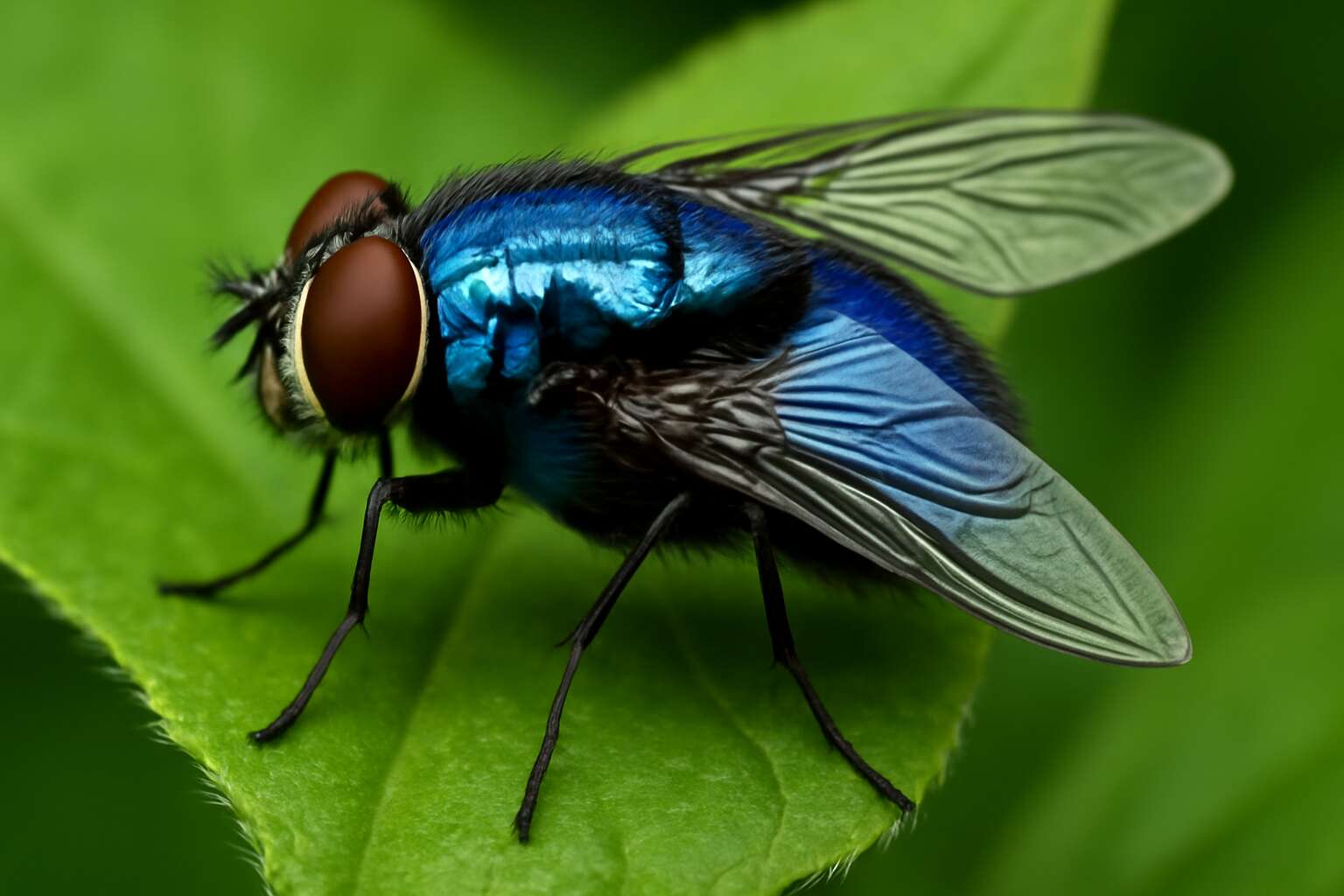
Flies with blue bodies are among the most striking insects to observe in both urban and natural environments. Their vivid colouring isn’t just for show; it often serves as a warning to predators or as a means of attracting mates. Unlike common houseflies, these insects boast a shimmering, metallic hue that catches the light and draws attention from afar. Their appearance can vary from a subtle iridescence to a more intense, electric blue, making them stand out against leafy backgrounds and cityscapes alike.
Understanding the general characteristics of flies with blue bodies helps in identifying them in the wild. Typically, these insects have a compact body structure, with wings that are either transparent or slightly tinted. The metallic sheen on their exoskeletons is a key feature, often reflecting different shades depending on the angle of light. Some species also display behavioural traits such as rapid flight or a tendency to gather in specific areas, like decaying organic matter or flowering plants.
- Bright blue or metallic blue colouring
- Compact body with iridescent exoskeleton
- Fast, darting flight patterns
- Often found near decaying matter or flowers
Common Species and Variations – Different types of blue-bodied flies found globally
Across the globe, the realm of flies with blue bodies reveals an astonishing diversity that transcends mere aesthetics, hinting at complex evolutionary strategies. Each species, with its unique behavioural nuances and ecological niches, exemplifies nature’s penchant for startling beauty intertwined with survival. These luminous insects often inhabit specific environments, their metallic sheen acting both as a warning and a lure—an intricate dance of visual signalling and predator deterrence.
Among the most captivating are species like the Blue Bottle Fly, renowned for its iridescent exoskeleton that gleams with an almost otherworldly intensity. The Blue Blow Fly, with its striking azure hue, frequently appears around carrion, where its colouration may serve as a visual cue to conspecifics or potential mates. Their presence often signals the health of an ecosystem, a subtle reminder of life’s persistent cycle.
In regions with lush foliage or decaying organic matter, you might encounter a variety of blue-bodied flies, each showcasing subtle variations that distinguish one species from another. For example, some display a brighter, more electric blue, while others possess a more subdued, metallic shimmer. The diversity of these insects is further enriched by behavioural differences, such as darting flight patterns or territorial displays, which add to their enigmatic allure.
- The Common Blue Fly, often found near flowering plants, utilises its vibrant body as an attractant to pollinators and potential mates.
- The Metallic Blue Fly, known for its rapid, darting flight, thrives in urban environments, blending startling colour with swift agility.
- Several species of blue-bodied flies exhibit behavioural adaptations, such as gathering in large swarms around decaying matter, an ecological strategy that boosts reproductive success.
Exploring the world of flies with blue bodies reveals not just a palette of colours but a tapestry of survival tactics woven into their very anatomy and behaviour. Each species, with its distinct variations, offers a window into the intricate dance of evolution—where beauty and function are inseparable, captivating observers and researchers alike.
Physical Features and Identification – Distinctive traits to identify blue flies
Amidst the shadows of the natural world, flies with blue bodies emerge as enigmatic messengers of evolution’s dark artistry. Their physical features are a testament to nature’s penchant for blending beauty with survival. These insects often boast a metallic sheen that shifts with the slightest movement, revealing an array of hues from electric azure to deep sapphire, depending on the angle of the light.
To distinguish these creatures, one must look beyond their shimmering exteriors. The Blue Bottle Fly, for example, displays a distinctive iridescent exoskeleton that gleams with an almost hypnotic glow—an adaptation that hints at their predatory and reproductive strategies. Meanwhile, the Metallic Blue Fly is characterised by its rapid, darting flight, often vanishing into urban shadows before one’s gaze can fully capture its fleeting presence.
In the dim light, you might notice that some flies with blue bodies possess a subtle textured pattern on their thorax or a metallic fringe along their wings—details that serve as vital identifiers for the keen observer. The intricate dance of their behavioural traits, such as territorial swoops or swarming around decaying matter, further amplifies their mystique. Their distinctive traits not only serve as a means of identification but also reveal the complex survival tactics woven into their very DNA.
Habitat and Distribution
Natural Habitats – Typical environments where blue flies are found
Blue-bodied flies often inhabit environments that are rich in organic matter or moisture. These vibrant insects are commonly spotted around decaying vegetation, compost heaps, and damp woodlands. Their natural habitats provide the ideal conditions for breeding and feeding, making them a familiar sight in both rural and urban areas.
In particular, flies with blue bodies are frequently found in areas where human activity intersects with nature. They thrive in places like garden composts, manure piles, and even underneath fallen leaves. Their adaptability allows them to occupy a broad range of environments, from dense forests to city parks.
For those interested in observing these striking insects, keep an eye on the following typical environments:
- Decaying organic material
- Moist, shaded areas
- Urban waste sites
- Forests with abundant leaf litter
Understanding where flies with blue bodies are naturally found helps in appreciating their ecological role and their adaptability to varying habitats. Their presence is a reminder of the complex web of life thriving around us, often unnoticed but always significant.
Geographical Distribution – Regions and climates with prevalent blue-bodied flies
Blue-bodied flies are more than just striking insects; they are remarkable indicators of ecological diversity across various regions. These vibrant creatures are predominantly found in temperate and subtropical climates, where the warmth and moisture support their complex life cycles. Their geographical distribution spans continents, from the lush woodlands of North America to the tropical rainforests of Southeast Asia.
Interestingly, flies with blue bodies tend to thrive in environments that offer abundant organic matter and dampness. In Europe, they are often observed in deciduous forests and urban parks, where leaf litter provides both shelter and resources. Meanwhile, in warmer climates like parts of Africa and South Asia, these flies have adapted to coexist with dense vegetation and human settlements.
- Temperate zones with moderate rainfall
- Subtropical regions with lush greenery
- Urban landscapes with waste and compost areas
Despite their colourful appearance, these flies are resilient, capable of thriving in a broad spectrum of habitats. Their distribution underscores their evolutionary adaptability and ecological significance—serving as vital decomposers and indicators of environmental health. The prevalence of flies with blue bodies in certain regions reveals the intricate balance of life, often unnoticed but undeniably essential to our shared ecosystems.
Indoor vs Outdoor Presence – Where these flies are commonly seen
Blue-bodied flies are not confined to the wild; their presence in indoor and outdoor environments reveals fascinating ecological patterns. Indoors, they are often spotted around damp basements, fruit bowls, or neglected drains—areas rich in organic matter that sustain their life cycle. Their resilience allows them to exploit even the most unlikely habitats within human habitats.
Outdoors, these vibrant insects flourish in gardens, woodlands, and urban parks, where moisture and decaying organic material abound. They are particularly drawn to compost heaps and leaf litter, thriving in environments that foster their complex reproductive processes. Their ability to adapt to diverse habitats underscores their role as ecological indicators.
- Decay sites and compost areas
- Vegetation-rich urban parks
- Woodland edges and forest clearings
Whether inside or out, flies with blue bodies are remarkably adaptable. Their widespread distribution across various habitats highlights their significance in nutrient recycling and ecological balance. Spotting these striking insects is often a reminder of the unseen, intricate web of life thriving all around us.
Behavior and Life Cycle
Behavioral Patterns – Flight patterns, feeding habits, and activity times
Flies with blue bodies are not merely a visual curiosity; they exhibit fascinating behavioural patterns that reveal their unique place in the insect world. Their flight patterns can be surprisingly unpredictable, darting swiftly from one perch to another with an almost playful agility. These swift movements often serve as a defence mechanism against predators, making them elusive subjects for those attempting a close-up study.
Feeding habits among blue-bodied flies tend to be opportunistic, often centred around decaying organic matter, nectar, or other sugary substances. Their activity peaks during the warmer hours of the day, particularly in late morning and early afternoon, when they are most vigorous and most likely to be seen flitting about. Their preference for specific times and habitats makes them a conspicuous yet enigmatic part of the outdoor ecosystem.
Interestingly, the behaviour of these flies with blue bodies is often a reflection of their environment. In urban settings, they might be seen around compost bins or fruit bowls, while in the wild, they tend to hover near flowers or animal carcasses. Their flight is sometimes characterised by a zigzag motion, a pattern that helps them navigate through complex terrain with remarkable precision.
Life Cycle Stages – Egg, larva, pupa, and adult phases
The life cycle of flies with blue bodies is a captivating journey through transformation and resilience. From tiny eggs laid in secluded corners, these insects begin their existence in a fragile, almost imperceptible form. The eggs hatch into larvae, commonly known as maggots, which swiftly seek out decaying organic matter to nourish their rapid growth. Their voracious appetite accelerates their development, allowing them to reach the pupal stage in a matter of days if environmental conditions are favourable.
During the pupal phase, these blue-bodied flies undergo a stunning metamorphosis within a protective casing, emerging as fully formed adults with iridescent, shimmering bodies that seem to glow in the sunlight. The adult stage is where their behavioural patterns become most apparent, as they engage in swift, zigzag flight and opportunistic feeding. Interestingly, their life cycle can be completed in as little as two weeks, a testament to their adaptability and evolutionary finesse.
In the grand tapestry of insect life, the stages of flies with blue bodies are meticulously intertwined, each phase essential for their survival and ecological role. Whether they are hovering near a fruit bowl or darting through wildflower meadows, their journey from egg to adult epitomises nature’s relentless pursuit of renewal and beauty. It is this cycle that imbues these striking insects with their enigmatic charm, whispering stories of resilience and fleeting splendour beneath their luminous exteriors.
Reproduction and Lifespan – Breeding habits and longevity
Flies with blue bodies are maestros of reproduction, engaging in behaviours that exemplify nature’s intricate ballet of survival. Their mating rituals often involve elaborate courtship displays, where shimmering exteriors catch the light in a hypnotic dance of iridescent hues. Once paired, these blue-bodied flies lay their eggs in carefully selected sites—often near decaying organic matter or moist environments—ensuring the next generation’s success. Their breeding habits are swift and efficient, with females capable of laying hundreds of eggs during their brief lifespan.
Speaking of lifespan, flies with blue bodies tend to live between two to four weeks, a fleeting window filled with relentless activity. Despite their short life, their reproductive output makes them prolific colonisers of their habitats. The adult stage is characterised by rapid, zigzag flight patterns, a behaviour that not only aids in feeding but also helps evade predators. They are resilient, thriving in diverse environments, from lush wildflower meadows to cluttered indoor spaces—testament to their evolutionary finesse.
- Eggs are laid in secluded, nutrient-rich spots, ensuring optimal hatching conditions.
- Larvae, or maggots, emerge swiftly, voraciously consuming decaying organic matter to fuel their rapid growth.
- The pupal stage transforms these blue-bodied flies into shimmering adults, ready to continue the cycle.
Understanding their breeding habits and lifespan reveals a remarkable story of renewal, resilience, and fleeting beauty—elements that make flies with blue bodies not just insects, but ephemeral works of art in motion.
Diet and Ecological Role
Feeding Habits – What blue-bodied flies typically eat
Flies with blue bodies are more than just a striking visual curiosity; their feeding habits reveal fascinating ecological roles. These vibrant insects typically feast on organic matter, playing a crucial part in decomposition and nutrient recycling. Many blue-bodied flies are scavengers, hovering around decaying plant material, animal remains, and even faeces, where they lay their eggs. Their larvae then help break down organic waste, accelerating the natural decomposition process.
Interestingly, some species of flies with blue bodies are specialised feeders. For example, certain blue flies are attracted to specific flowers or fruit, acting as incidental pollinators or seed dispersers. Their diet often includes:
- Decaying organic matter
- Fruits and nectar
- Animal remains and faeces
These feeding habits underscore their ecological importance—by consuming and breaking down waste, flies with blue bodies help maintain environmental balance. Their diverse diet also influences their behaviour, activity times, and habitat preferences, making them integral players in both natural ecosystems and urban settings.
Role in Ecosystem – Pollination, decomposition, and pest control
Flies with blue bodies are more than just eye-catching insects; they play vital roles in maintaining ecological balance. Their diet primarily consists of decaying organic matter, which they help break down, facilitating the natural recycling process. By feeding on rotting plant material, animal remains, and faeces, these vibrant flies contribute significantly to decomposition. In doing so, they prevent the build-up of waste and support healthier ecosystems.
Many blue-bodied flies are also involved in pollination. Some species are incidental pollinators, visiting flowers and fruit to feed on nectar, thereby aiding in plant reproduction. Their activity can be summarised as follows:
- Decaying organic matter
- Fruits and nectar
- Animal remains and faeces
This diverse diet not only sustains the flies with blue bodies but also underscores their importance in pest control and environmental health. Their presence in natural habitats and urban areas highlights their adaptability and crucial ecological functions—ensuring that waste is broken down efficiently and that plants receive their necessary pollination services. Ultimately, flies with blue bodies are unsung heroes in the delicate web of life around us.
Interaction with Humans – Impact on health and environment
Flies with blue bodies are often underestimated in their ecological significance, yet their impact on health and the environment is profound. These vibrant insects play a crucial role in breaking down organic waste, which helps prevent the spread of disease-causing bacteria. Their natural feeding habits on decaying matter act as biological sanitation, reducing the risk of pest infestations and contamination in both urban and rural settings.
However, their proximity to human habitats can sometimes raise concerns. Blue-bodied flies are attracted to waste and food scraps, making them potential vectors for pathogens if they come into contact with human food. While their ecological benefits are undeniable, they can inadvertently contribute to the transmission of illnesses, especially in environments lacking proper sanitation.
Understanding the delicate balance between their vital environmental functions and potential health impacts is essential. In addition to their role in decomposition and pollination, flies with blue bodies underscore the importance of maintaining clean surroundings. Their presence reminds us of the intricate web of life—where even the most colourful creatures serve a purpose, and sometimes, require careful management to protect public health.
Health Risks and Pest Control
Potential Health Concerns – Disease transmission and hygiene issues
Despite their striking appearance, flies with blue bodies are more than just a visual curiosity—they pose significant health risks that cannot be overlooked. These vibrant insects often traverse environments teeming with bacteria and pathogens, making them unwelcome visitors in our homes and workplaces. Their tendency to land on decaying matter, waste, and contaminated surfaces transforms them into unwitting vectors of disease transmission. When they land on food or surfaces, harmful microbes can be transferred directly to humans, increasing the risk of illnesses such as dysentery, cholera, and typhoid.
Understanding their pest control potential is crucial for maintaining hygiene standards. Flies with blue bodies are known for their rapid reproduction rates, which can lead to infestations that are difficult to manage without proper interventions. Their ability to breed in hidden, moist niches makes them particularly resilient, requiring targeted pest control strategies. Regular sanitation and physical barriers are essential, but in severe cases, professional pest control services may be necessary to curb their proliferation effectively.
- Contact with contaminated surfaces or food
- Spread of pathogenic bacteria and viruses
- Potential to exacerbate existing health conditions
While their dazzling colours make blue-bodied flies a fascinating subject of study, their role in compromising hygiene cannot be underestimated. Vigilance and proactive pest management are vital to prevent these insects from turning into a health hazard in any environment.
Methods of Control and Prevention – Traps, repellents, and sanitation tips
Among the myriad of insects that occupy our environment, flies with blue bodies stand out not just for their captivating hue but also for their potential health risks. Their vibrant appearance often masks their role as unwelcome carriers of bacteria and viruses, making them a significant concern in maintaining hygienic spaces. When these flies land on food, utensils, or surfaces, they transfer pathogenic microbes, increasing the risk of illnesses such as cholera, typhoid, and dysentery. Recognising the threat they pose is vital for effective pest control.
Controlling and preventing populations of flies with blue bodies requires a multifaceted approach. Physical barriers, such as fine mesh screens, can prevent their entry into indoor spaces. Regular sanitation practices—thoroughly cleaning surfaces, disposing of waste promptly, and ensuring no standing water—are fundamental in reducing breeding sites. Additionally, employing traps and repellents can significantly diminish their presence. For example, sticky traps and UV light traps attract and capture these insects, curbing their proliferation. Here are some effective pest control methods:
- Use of fly traps and ultraviolet light devices
- Application of natural or chemical repellents
- Maintaining impeccable sanitation standards
- Sealing entry points and cracks around windows and doors
In severe infestations, professional pest control services become indispensable. They utilise targeted treatments to eradicate the nests and breeding grounds, ensuring that flies with blue bodies do not become an ongoing health hazard. Vigilance and consistent application of these pest control methods are the best defence against the health risks posed by these striking insects.
Natural Predators – Birds, spiders, and other predators
While their striking blue hue might seem almost enchanting, flies with blue bodies pose significant health risks that demand attention. These vibrant insects can carry and transfer pathogenic microbes, increasing the likelihood of disease outbreaks such as cholera, typhoid, and dysentery. Their presence in homes and food preparation areas is more than just a visual nuisance—it’s a serious hygiene concern.
Nature offers some natural pest control solutions through predators like birds and spiders. Birds, especially those that thrive on insects, can significantly reduce blue-bodied fly populations. Spiders, with their meticulous webs, act as natural filters, trapping these flies before they can land on food or surfaces. Additionally, other predators such as certain predatory insects contribute to maintaining a balanced ecosystem, keeping the threat of flies with blue bodies at bay.
- Birds swooping through the air, their keen eyesight helping them hunt blue flies.
- Spiders spinning intricate webs, especially near entry points around windows and doors.
- Predatory insects like wasps and beetles that actively hunt blue-bodied flies in outdoor environments.
Understanding these natural interactions not only highlights the importance of preserving local habitats but also underscores the value of a balanced ecosystem in controlling pest populations. As much as humans seek control, nature often provides the most sustainable solutions—if we respect and protect these natural predators, we can reduce the prevalence of flies with blue bodies without over-relying on chemical interventions.
Interesting Facts and Cultural Significance
Mythology and Folklore – Cultural stories involving blue flies
Throughout history, flies with blue bodies have captivated not only entomologists but also various cultures that see these insects as symbols of mystery and transformation. In some folklore, these vibrant flies are thought to be messengers from the spiritual realm, embodying change and renewal. Their striking appearance often sparks curiosity and wonder, making them a subject of myth and legend. Interestingly, in certain regions, blue flies are linked to ancient stories that warn of the delicate balance between nature and human activity.
In many cultural stories involving blue flies, they are seen as harbingers of good fortune or warnings of impending upheaval. For example, some folklore suggests that these insects appear during times of societal change, acting as a reminder to reflect on personal or collective transformation. Their vivid blue hue is sometimes interpreted as a reflection of the sky or water, embodying clarity and insight. Such stories highlight the deep connection between humans and the natural world, where even the smallest creature can hold profound meaning.
- In certain mythologies, blue flies are believed to possess protective qualities, warding off evil spirits.
- Others interpret their colour as a symbol of purity and spiritual awakening.
- Some cultures associate blue flies with rebirth, viewing them as indicators of new beginnings after periods of chaos.
Whether viewed through the lens of folklore or scientific inquiry, flies with blue bodies continue to inspire fascination and reflection on our relationship with nature. Their presence, both real and mythic, reminds us of the intricate tapestry of life and the stories that bind us across generations.
Unique Traits and Adaptations – Special features that help them survive
Flies with blue bodies possess intriguing adaptations that set them apart in the insect world. Their vibrant colouring isn’t just for show; it plays a role in survival and communication. The striking blue hue often acts as a warning to predators, signalling that they might be unpalatable or toxic. Additionally, some species have developed iridescent scales that shimmer in sunlight, confusing potential threats and aiding in camouflage amidst their natural surroundings.
Another fascinating trait of these flies is their specialised antennae, which are highly sensitive to environmental cues, helping them locate food sources or suitable breeding sites. Their wings are often swift and agile, allowing rapid escapes from predators like birds and spiders. These unique features exemplify how flies with blue bodies have evolved remarkable traits to thrive across diverse habitats—be it dense forests, open fields, or urban landscapes.
- Bright blue pigmentation that serves as a visual deterrent
- Iridescent scales for enhanced camouflage and communication
- Highly sensitive antennae for environmental detection
- Swift, agile flight to evade predators
Such adaptations underscore the resilience and mystery surrounding these captivating insects. Their colourful appearance not only boosts their survival chances but also deepens the cultural allure that has long surrounded blue flies in folklore and mythology. These insects remind us that even the smallest creatures can possess extraordinary traits essential for their existence.
Research and Scientific Importance – Studies focused on blue-bodied flies
Blue-bodied flies have captivated entomologists and enthusiasts alike, not merely for their striking appearance but for the fascinating insights they offer into evolutionary adaptation. Scientific studies reveal that these vibrant insects often serve as bioindicators, their presence signalling ecological health or imbalance. Remarkably, research into flies with blue bodies has uncovered their role in pollination networks, especially in niche habitats where their iridescent scales can attract specific floral species. Such behavioural and ecological significance cements their status as more than mere insects; they are vital cogs in the intricate machinery of nature’s web.
Throughout history, cultures across the globe have woven tales around these enigmatic creatures. In folklore, blue flies are sometimes viewed as messengers of transformation or bearers of hidden knowledge, their colour symbolising purity or divine intervention. These cultural narratives often intersect with scientific interest, as the unique visual traits of flies with blue bodies make them a subject of ongoing study in visual communication and predator-prey interactions. The convergence of myth and science underscores the profound importance of understanding these insects beyond their superficial beauty, revealing their true significance in both ecological and cultural landscapes.
Photographs and Visual Identification
Gallery of Blue Flies – Images showcasing different species
In the intricate tapestry of nature’s design, flies with blue bodies stand out as fleeting yet fascinating marvels. Their iridescent sheen captivates the eye, hinting at evolutionary secrets that have allowed these insects to thrive across diverse environments. Visual identification becomes almost poetic when observing their shimmering exoskeletons—each species revealing subtle nuances that distinguish one from another.
For enthusiasts and scientists alike, a comprehensive photographs and visual identification gallery offers invaluable insights. High-resolution images capture the delicate interplay of light on their vibrant bodies, showcasing a variety of species with blue bodies. These images serve as a vital resource for recognising distinctive traits, such as wing structure, antennae, and size. Such visual cues are essential for accurate identification and deepen our understanding of their ecological roles.
- Close-up shots of the metallic blue sheen
- Images highlighting differences in wing patterns
- Photographs illustrating habitat-specific adaptations
Whether viewed indoors or amidst natural landscapes, these images allow us to appreciate the diversity among flies with blue bodies—each image a window into a tiny universe of colour, form, and function that continues to inspire curiosity and scientific inquiry alike.
Identification Tips – How to distinguish among similar flies
In the realm of entomological wonder, flies with blue bodies captivate with their shimmering allure, yet beneath their iridescent exteriors lies a complex world of identification. Visual cues become essential tools for discerning one species from another, especially when many blue-bodied flies share similar sizes and shapes. High-resolution photographs reveal subtle distinctions—such as the intricate patterns on their wings, the precise hue of their metallic exoskeletons, and unique antennal structures—that can be pivotal for accurate recognition.
To aid enthusiasts and scientists in their quest, a set of identification tips often proves invaluable. For instance, examining wing venation patterns can distinguish a common house fly from a rarer species with a similar blue gloss. Similarly, noting habitat preferences—whether these flies are found in woodland clearings, urban gardens, or near water sources—can narrow down the species pool. Remembering that flies with blue bodies may exhibit behavioural differences, like feeding times or flight styles, further enhances identification accuracy.
- Observe the shimmer and colour intensity of the exoskeleton.
- Compare wing patterns and venation closely.
- Note the size and antennae shape.
- Identify their typical habitat or activity period.
Ultimately, a keen eye coupled with detailed imagery transforms the process of recognising these tiny marvels. Every photograph is a portal into a universe of vibrant hues, delicate structures, and ecological secrets—making the study of flies with blue bodies a pursuit as enchanting as it is enlightening.


0 Comments